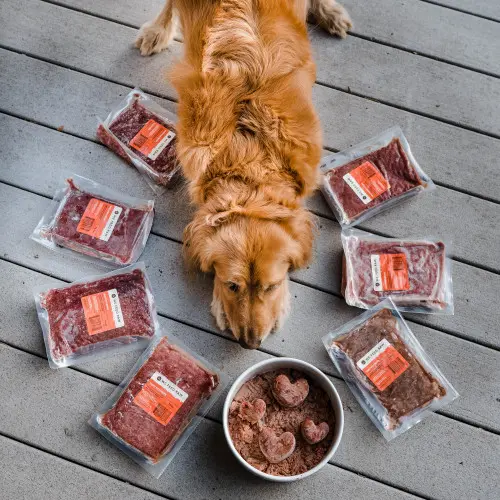

If you want the best for your dog, choosing the right raw food is a smart step. But with so many options out there, it can get confusing fast.
What raw food will give your dog energy, shine in their coat, and keep their teeth strong? You might be wondering if raw meat, bones, or veggies are the way to go. Keep reading, because understanding what raw food is best for your dog can make a big difference in their health and happiness.
Let’s dive into the facts that will help you make the best choice for your furry friend.
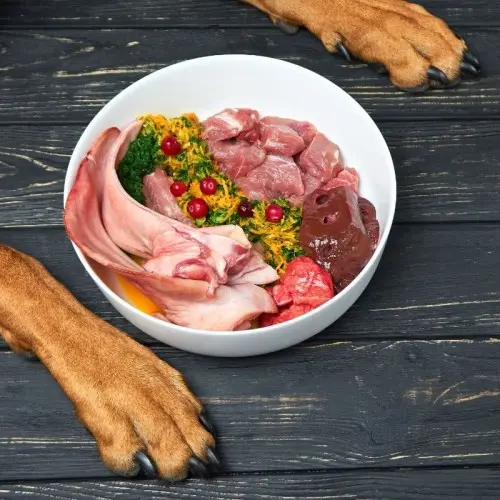
Credit: wefeedraw.com
Benefits Of Raw Food For Dogs
Raw food offers many benefits for dogs. It supports their natural diet and helps keep them healthy. Feeding raw food can improve digestion, boost energy, and enhance skin and coat health. These changes come from fresh, natural ingredients rich in nutrients.
Improved Digestion
Raw food is easier for dogs to digest than processed kibble. It contains natural enzymes that help break down food efficiently. This leads to less stomach upset and firmer stools. Dogs often feel more comfortable after meals and have better nutrient absorption.
Enhanced Coat And Skin Health
Raw diets provide essential fatty acids like omega-3 and omega-6. These fats support shiny fur and healthy skin. Dogs may experience less itching and fewer skin problems. A soft, glossy coat shows their overall well-being and good nutrition.
Increased Energy Levels
Raw food delivers high-quality proteins and fats. These nutrients fuel muscles and maintain stamina. Dogs often show more playfulness and alertness. Higher energy means they enjoy daily walks and activities more.
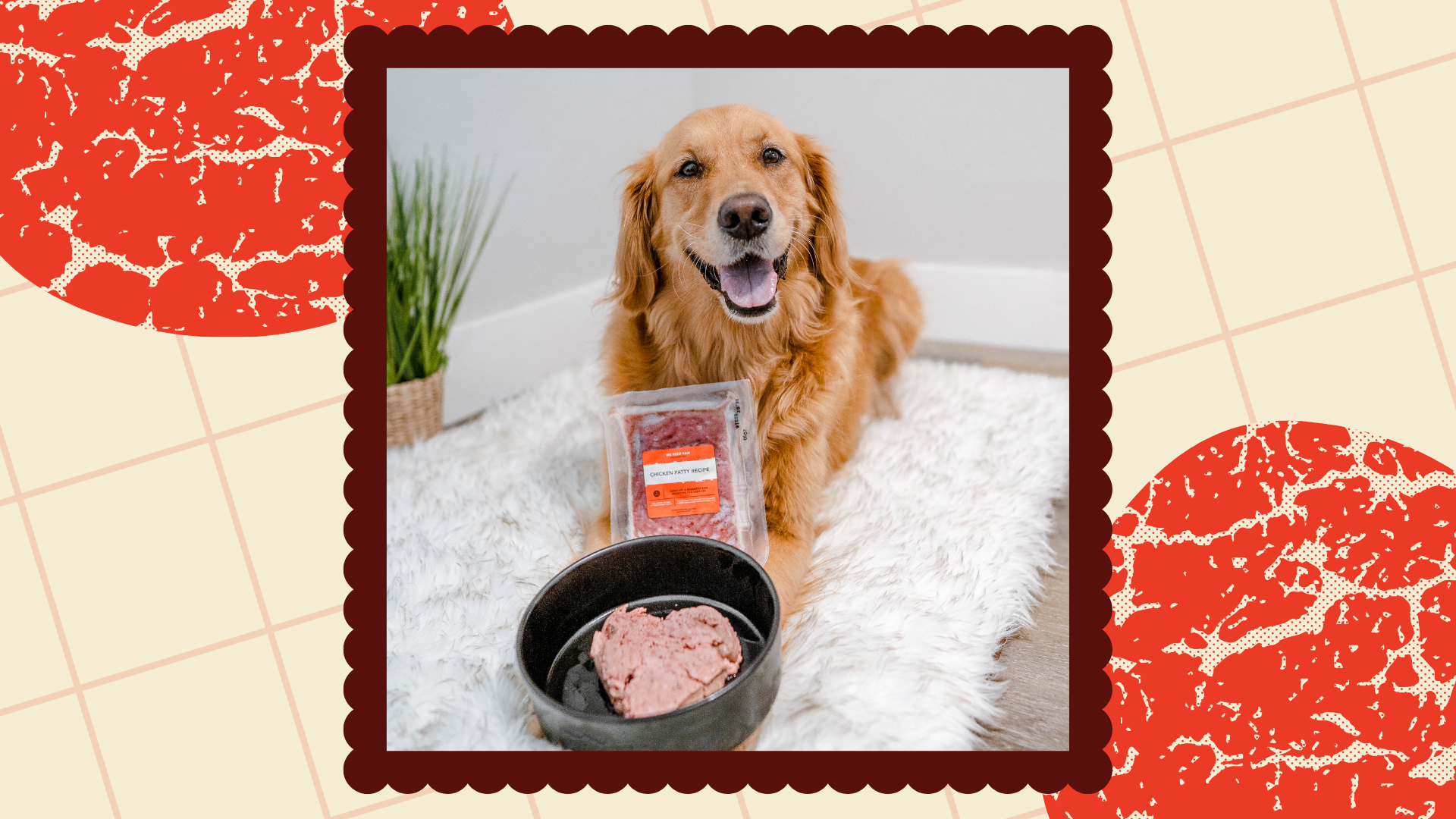
Credit: wefeedraw.com
Essential Nutrients In Raw Diets
Raw diets for dogs focus on natural, unprocessed foods. These diets provide essential nutrients that support your dog’s health. Understanding these nutrients helps you choose the best raw food options.
Proteins And Amino Acids
Proteins build and repair body tissues. They are vital for muscle growth and energy. Raw meats like chicken, beef, and fish offer high-quality proteins. Amino acids are the building blocks of proteins. Dogs need essential amino acids from their diet, as their bodies cannot make them. Raw diets supply these amino acids naturally, supporting healthy skin, coat, and immune function.
Healthy Fats And Omegas
Fats provide energy and support cell health. They help absorb vitamins and keep the coat shiny. Omega-3 and Omega-6 fatty acids are crucial for reducing inflammation and promoting brain health. Fish oils, flaxseed, and certain animal fats in raw diets deliver these healthy fats. Balancing these omegas helps maintain your dog’s overall wellness.
Vitamins And Minerals
Vitamins and minerals regulate many body functions. They aid in bone development, vision, and immune defense. Raw diets include natural sources of vitamins A, D, E, and B-complex. Minerals like calcium, phosphorus, and zinc are vital for strong bones and teeth. Fresh organs, bones, and vegetables add these important nutrients. Balanced vitamins and minerals keep dogs active and healthy.
Top Raw Meats For Dogs
Raw meats like chicken, beef, and turkey offer essential nutrients dogs need. Choosing fresh, high-quality cuts supports your dog’s health and energy. Always balance raw meat with bones and organs for a complete diet.
Choosing the right raw meats for your dog can significantly impact their health and happiness. Dogs thrive on a diet that mimics what their ancestors ate in the wild, and raw meats can be a great source of nutrition. But which meats should you consider adding to your dog’s diet?Chicken And Turkey
Chicken and turkey are excellent choices for your dog. They are lean sources of protein, which are great for maintaining a healthy weight and building muscle. Many dogs love the taste, making these meats a fan favorite. Chicken, in particular, is easy to find and often more affordable. Turkey, on the other hand, offers a richer flavor and can be a great option for dogs that might be bored of chicken. Both meats are packed with essential nutrients like B vitamins and selenium, promoting healthy skin and a shiny coat.Beef And Lamb
Beef and lamb are hearty options that provide a wealth of nutrients. They are rich in iron and zinc, which are crucial for your dog’s immune system and overall vitality. I once switched my dog to a beef-based diet after noticing he was lethargic, and the change was remarkable. Within weeks, he was more energetic and playful. Lamb, although a bit pricier, can be a great alternative for dogs with allergies or sensitivities. It has a unique amino acid profile that supports muscle repair and growth.Fish And Seafood
Fish and seafood are not just for cats! They can be beneficial for dogs, too. Packed with omega-3 fatty acids, they support brain health, reduce inflammation, and improve joint health. Salmon is a popular choice, offering a delicious taste and numerous health benefits. Have you ever noticed your dog’s coat looking dull? A diet rich in omega-3s might be the solution. Sardines are another great option, providing calcium and vitamin D, crucial for strong bones and teeth. Plus, they are usually inexpensive and readily available. What raw meats have you tried with your dog? Each dog has unique tastes and nutritional needs, so it’s essential to observe how your dog responds and adjust accordingly.Best Raw Vegetables And Fruits
Choosing the right raw vegetables and fruits for your dog can boost their nutrition and add variety to their meals. These natural foods provide essential vitamins, minerals, and fiber that support digestion and overall health. Let’s dive into some of the best options that dogs enjoy and benefit from.
Leafy Greens And Carrots
Leafy greens like spinach, kale, and romaine lettuce are packed with vitamins A, C, and K. They also offer antioxidants that help reduce inflammation and support a healthy immune system.
Carrots are a favorite crunchy treat for many dogs. They’re low in calories and high in beta-carotene, which promotes good vision and skin health.
Have you tried giving your dog a handful of chopped leafy greens mixed into their meal? It can be a simple way to add fiber and nutrients without extra calories.
Apples And Blueberries
Apples are a great source of vitamins A and C, plus fiber that aids digestion. Just make sure to remove the seeds and core before feeding them to your dog.
Blueberries are tiny powerhouses full of antioxidants. They support brain health and help fight free radicals that cause cell damage.
Offering a few blueberries as a treat can be a tasty way to sneak in antioxidants. Do you notice your dog’s energy boost after eating these fruits?
Pumpkin And Sweet Potatoes
Pumpkin is excellent for regulating digestion. It provides fiber that can help with both constipation and diarrhea.
Sweet potatoes offer a rich source of vitamins and minerals, including vitamin B6 and manganese. They’re also a tasty, natural source of energy for your dog.
Try adding cooked, cooled pumpkin or sweet potato chunks to your dog’s meal. It’s an easy way to improve their gut health and add flavor.
Safe Raw Bones And Chews
Choosing safe raw bones and chews is vital for your dog’s health. These items support dental health and provide essential nutrients. Selecting the right types ensures enjoyment without risks. Always focus on safety and nutrition when offering raw bones and chews.
Raw Meaty Bones
Raw meaty bones are a popular choice for dogs. They contain muscle, tendons, and marrow, offering both nutrition and chewing satisfaction. Examples include necks, wings, and ribs from poultry or smaller animals. These bones are softer and less likely to splinter. Chewing raw meaty bones can help clean teeth and strengthen jaws.
Nutrient-rich Organ Meats
Organ meats are a nutrient powerhouse for dogs. Liver, kidney, and heart deliver vitamins, minerals, and proteins. They add variety and balance to a raw diet. Feed organ meats in moderation to avoid digestive upset. These parts help boost your dog’s immune system and energy levels.
Avoiding Harmful Bones
Not all bones are safe for dogs. Cooked bones can splinter and cause injuries. Large weight-bearing bones are too hard and may break teeth. Avoid pork bones, as they can splinter easily. Always supervise your dog while chewing raw bones. Remove any small or sharp fragments to prevent choking or damage.
Common Risks And Precautions
Feeding your dog raw food can be rewarding, but it also comes with certain risks you need to be aware of. Understanding these risks and taking the right precautions will help protect your dog’s health and ensure they get the nutrition they need. Let’s look closely at some common concerns and how you can manage them effectively.
Bacterial Contamination
Raw meat can carry harmful bacteria like Salmonella and E. coli, which pose health risks to both your dog and your family. Always buy fresh, high-quality meat from trusted sources and store it properly in the fridge or freezer.
Clean all surfaces and bowls thoroughly after handling raw food. Washing your hands well before and after feeding your dog is a simple habit that can prevent the spread of bacteria.
Balanced Nutritional Needs
Raw diets can sometimes lack essential nutrients if not carefully planned. Dogs need the right balance of protein, fats, vitamins, and minerals to stay healthy and active.
Simply feeding muscle meat isn’t enough. Bones, organs, and supplements often need to be part of the diet to cover all nutritional bases. Have you checked if your dog’s raw meal includes a variety of ingredients?
Consulting A Veterinarian
Your vet is your best resource when switching to or maintaining a raw diet for your dog. They can help you design a meal plan that fits your pet’s specific health needs and lifestyle.
Never hesitate to ask about potential risks and how to monitor your dog’s health during the transition. Regular check-ups ensure your dog stays happy and well-nourished on raw food.
Transitioning Your Dog To Raw Food
Switching your dog to a raw food diet requires patience and care. Dogs need time to adjust to new tastes and textures. A sudden change can upset their stomach or cause refusal to eat. A smooth transition helps your dog enjoy the benefits of raw food safely.
Gradual Introduction Tips
- Start by mixing a small amount of raw food with their regular meals.
- Increase the raw food portion slowly over 7 to 10 days.
- Watch if your dog accepts the new food or shows hesitation.
- Offer fresh, high-quality raw ingredients for better acceptance.
- Keep feeding times consistent to build a routine.
Monitoring Health Changes
Observe your dog’s digestion and energy levels closely. Look for signs like diarrhea, vomiting, or constipation. Check their coat for shine and skin for any irritation. Note changes in weight or appetite. Keep a journal to track all these details.
Adjusting Portions And Ingredients
- Modify the amount of raw food based on your dog’s size and activity.
- Introduce a variety of proteins like chicken, beef, or fish gradually.
- Add organ meats and bones in safe amounts for balanced nutrition.
- Remove or reduce ingredients that cause allergies or digestive issues.
- Consult a vet to ensure the diet meets all nutritional needs.

Credit: www.meetmaev.com
Frequently Asked Questions
What Are The Best Raw Foods For Dogs?
The best raw foods for dogs include raw meat, bones, organs, and vegetables. These provide essential nutrients and mimic a natural diet.
Can Dogs Eat Raw Fruits And Vegetables Safely?
Yes, dogs can eat raw fruits like apples and vegetables like carrots. Avoid toxic ones like grapes and onions.
How Do I Start Feeding My Dog Raw Food?
Start gradually by mixing raw food with their regular diet. Monitor for allergies or digestive issues during the transition.
Are Raw Bones Safe For Dogs To Chew?
Raw bones are safe if they are large and uncooked. Avoid cooked bones as they can splinter and harm your dog.
Conclusion
Choosing the right raw food helps keep dogs healthy and happy. Fresh meat, bones, and vegetables offer essential nutrients. Always check food quality and cleanliness for safety. Balance is key to support energy and growth. Watch your dog’s response to new foods closely.
Consult a vet to create the best meal plan. Feeding raw food can be simple and rewarding. Your dog deserves the best nutrition every day.