
Are you wondering if it’s okay to feed your puppy adult dog food? You want what’s best for your furry friend, but with so many choices out there, it can get confusing.
Feeding your puppy the right food is crucial for their growth and health. What happens if you slip up and give them adult food instead? Keep reading to find out how this simple decision can affect your puppy’s development—and what you should do to make sure they get the nutrition they truly need.
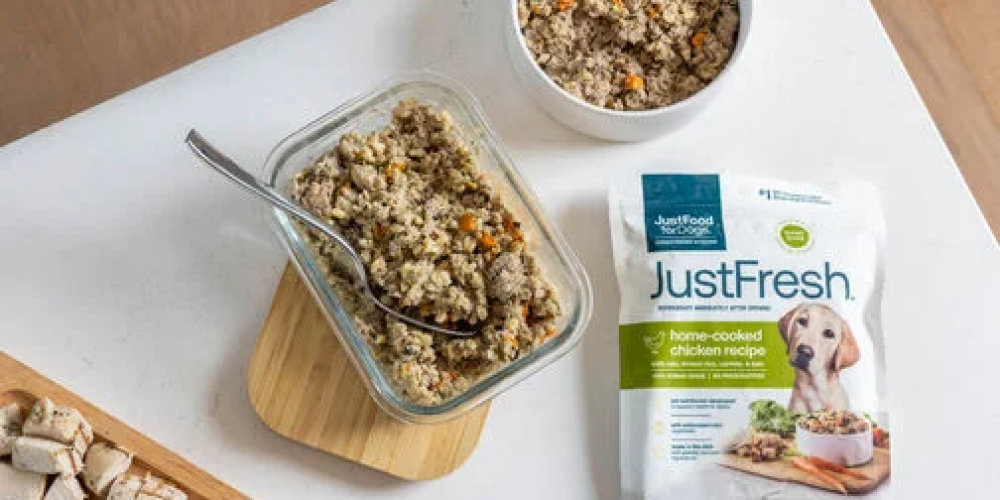
Credit: blog.justfoodfordogs.com
Nutritional Needs Of Puppies
Puppies are not just small dogs; their bodies are growing rapidly and need special care through their diet. Feeding your puppy adult dog food can seem convenient, but it might not meet their unique nutritional demands. Understanding what your puppy truly needs can help you make better feeding choices that support healthy development.
Key Nutrients For Growth
Puppies require more than just calories; they need specific nutrients to build strong bones, muscles, and organs. Protein is a must-have to support muscle growth and repair. Calcium and phosphorus are crucial for developing sturdy bones and teeth.
Fat provides energy and helps with brain development. Don’t forget essential fatty acids like DHA, which are vital for your puppy’s cognitive function. Vitamins and minerals play a supporting role in immune health and overall vitality.
Differences From Adult Dogs
Adult dogs have different energy needs compared to puppies. While adults need balanced maintenance nutrition, puppies require more calories and nutrient-dense food to fuel their growth. This means adult dog food often lacks the higher protein and fat levels essential for puppies.
Feeding adult food to puppies can slow down their growth or cause nutritional gaps that affect their long-term health. Have you noticed how your puppy’s energy levels fluctuate after feeding? That can be a sign their diet isn’t quite right for their age.
Risks Of Feeding Adult Food To Puppies
Feeding adult dog food to puppies carries several risks that can affect their growth and health. Puppies need specific nutrients in the right amounts to support their rapid development. Adult dog food often lacks these essential nutrients, which can lead to problems during their early stages of life.
Potential Nutritional Deficiencies
Adult dog food usually contains less protein and fat than puppy food. Puppies require higher protein and fat levels for muscle growth and energy. Feeding adult food might cause a lack of important vitamins and minerals like calcium and phosphorus. These nutrients help build strong bones and teeth. A deficiency can lead to weak bones and poor immune function. Puppies need balanced nutrition to stay healthy and active.
Impact On Development And Health
Puppies grow quickly and need food that supports this growth. Adult dog food may slow down their development. It can cause low energy and poor weight gain. Feeding adult food can also affect the brain and eye development of puppies. This leads to long-term health issues. Puppies may suffer from digestive problems due to the wrong food type. Proper nutrition during puppyhood sets the foundation for a healthy adult dog.
When Adult Food Might Be Suitable
Feeding a puppy adult dog food usually isn’t advisable. Puppies have different nutritional needs. But there might be situations where adult dog food is suitable. These scenarios are exceptions, not the rule. Understanding these can help in making informed decisions.
Short-term Feeding Scenarios
Sometimes, you might run out of puppy food. In emergencies, adult food can be a temporary fix. Ensure it’s just for a short period. Puppies need specific nutrients for growth. Long-term use might lead to deficiencies.
Special Health Considerations
Certain health conditions may require a special diet. Some puppies might have allergies to specific ingredients in puppy food. Adult dog food might be a suitable alternative. Consult with a vet before making such changes. They can guide you on the best options.

Credit: www.petscare.com
Choosing The Right Puppy Food
Choosing the right food for your puppy is one of the most important decisions you’ll make as a pet owner. Puppies grow fast and need specific nutrients to support their development. Feeding them adult dog food might seem convenient, but it often lacks the essential ingredients puppies require.
Ingredients To Look For
Look for foods rich in high-quality protein sources like chicken, beef, or fish. Protein helps build strong muscles and supports rapid growth.
Calcium and phosphorus are crucial for healthy bone development. Check that the food contains balanced amounts of these minerals.
Healthy fats, like omega-3 and omega-6 fatty acids, promote brain development and a shiny coat. Ingredients such as fish oil or flaxseed are good signs.
Avoiding Harmful Additives
Beware of foods with artificial colors, flavors, or preservatives. These can cause allergies or upset your puppy’s sensitive stomach.
Stay away from excessive fillers like corn, wheat, or soy. They add little nutritional value and can trigger allergies or digestive issues.
Have you ever noticed your puppy reacting badly after eating certain foods? That might be a sign to check the ingredient list more carefully.
Transitioning Puppy To Adult Food
Transitioning your puppy to adult dog food is a crucial step in their growth journey. This change supports their shifting nutritional needs as they move from rapid growth to maintenance. Handling this transition carefully can help avoid digestive issues and ensure your dog stays healthy and happy.
Timing The Change
Deciding when to switch your puppy to adult food depends mainly on their breed and size. Smaller breeds often mature faster, around 9 to 12 months, while larger breeds may need up to 18 or 24 months before making the change. You should watch for signs like stabilized growth and reduced energy bursts, indicating your puppy is ready for adult food.
As a dog owner, I once rushed the switch with my Labrador and saw digestive upset for a week. That experience taught me to wait until their growth plates start closing, which your vet can help you determine. Have you noticed your puppy slowing down or finishing their growth spurt?
Step-by-step Switching Process
Switching food abruptly can upset your puppy’s stomach. Instead, gradually mix adult food with their puppy food over 7 to 10 days. Start with 25% adult food and 75% puppy food, then slowly adjust the ratio each day until you reach 100% adult food.
- Day 1-3: 25% adult food, 75% puppy food
- Day 4-6: 50% adult food, 50% puppy food
- Day 7-9: 75% adult food, 25% puppy food
- Day 10: 100% adult food
Watch your puppy’s reaction during the transition. If you notice diarrhea, vomiting, or loss of appetite, slow down the process. Your puppy’s digestive system needs time to adjust to new ingredients and nutrient levels.
Expert Tips For Feeding Puppies
Feeding a puppy can feel overwhelming, especially when deciding whether to use adult dog food or puppy-specific formulas. Puppies have unique nutritional needs that support their rapid growth and development. Getting it right early on sets the foundation for a healthy life.
Consulting Your Veterinarian
Your vet is your best guide for choosing the right food for your puppy. They know your pup’s breed, size, and health history, which helps tailor food recommendations perfectly. Don’t hesitate to ask about the risks of feeding adult dog food to a growing puppy.
Vets can also suggest brands or types of puppy food that meet nutritional standards. They might recommend a transition plan if your puppy needs to switch diets. This personalized advice avoids guesswork and keeps your puppy thriving.
Monitoring Puppy Growth And Health
Watch your puppy’s weight, energy, and coat condition closely. Any sudden changes can signal a problem with their diet. A puppy eating adult dog food might miss essential nutrients, leading to slower growth or weak bones.
Keep a simple journal to track milestones like weight and behavior. This helps you spot issues early and adjust feeding habits. Ask yourself: Is your puppy growing steadily? Are they playful and alert? If not, it might be time to reevaluate their food.
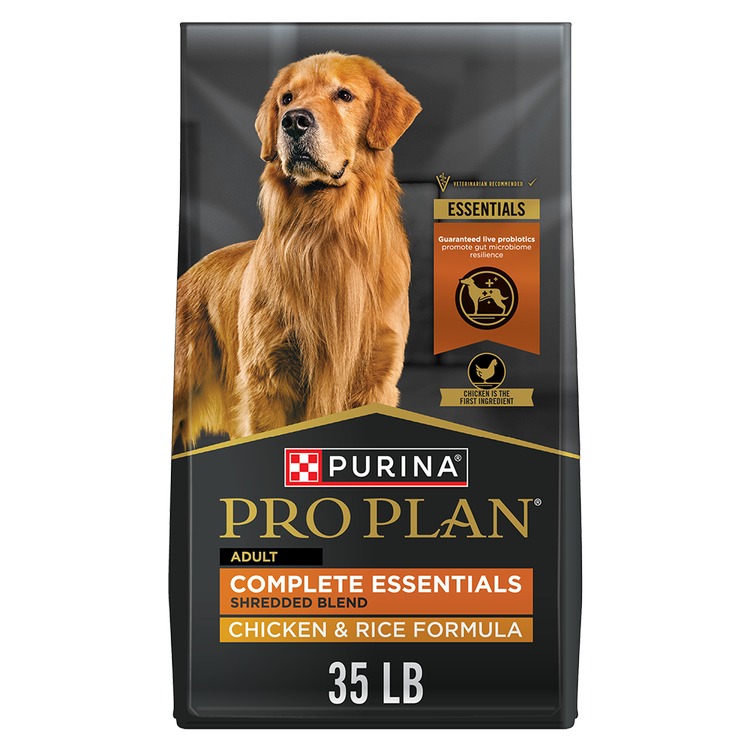
Credit: www.purina.com
Frequently Asked Questions
Can Puppies Eat Adult Dog Food Safely?
Puppies can eat adult dog food occasionally, but it lacks essential nutrients for growth. Puppy food supports bone and brain development. Regular feeding of adult food may cause nutritional deficiencies. Always prioritize puppy-specific diets for healthy development.
What Risks Come From Feeding Puppies Adult Dog Food?
Feeding puppies adult dog food risks poor growth and weak immunity. Adult formulas lack vital proteins and fats puppies need. This can lead to stunted growth, digestive issues, or vitamin deficiencies. Puppy food ensures balanced nutrition tailored to young dogs.
When Should I Switch My Puppy To Adult Food?
Switch puppies to adult food around 12 months old or as vets advise. Transition gradually to avoid digestive upset. This timing supports a healthy shift from growth to maintenance nutrition. Consult your vet for breed-specific recommendations.
How To Transition Puppy From Adult To Puppy Food?
Mix increasing amounts of puppy food with adult food over 7-10 days. This gradual change helps prevent stomach upset and encourages acceptance. Monitor your puppy’s digestion and appetite during the switch. Patience ensures a smooth dietary transition.
Conclusion
Feeding a puppy adult dog food is not the best choice. Puppies need special nutrients to grow strong and healthy. Adult food lacks some vitamins and minerals puppies require. It can slow their growth and affect their energy. Always choose food made for puppies to support their development.
Proper nutrition helps them become happy, healthy dogs. Remember, good food builds a strong foundation for life. Take care of your puppy’s diet from the start. This simple step makes a big difference in their future.