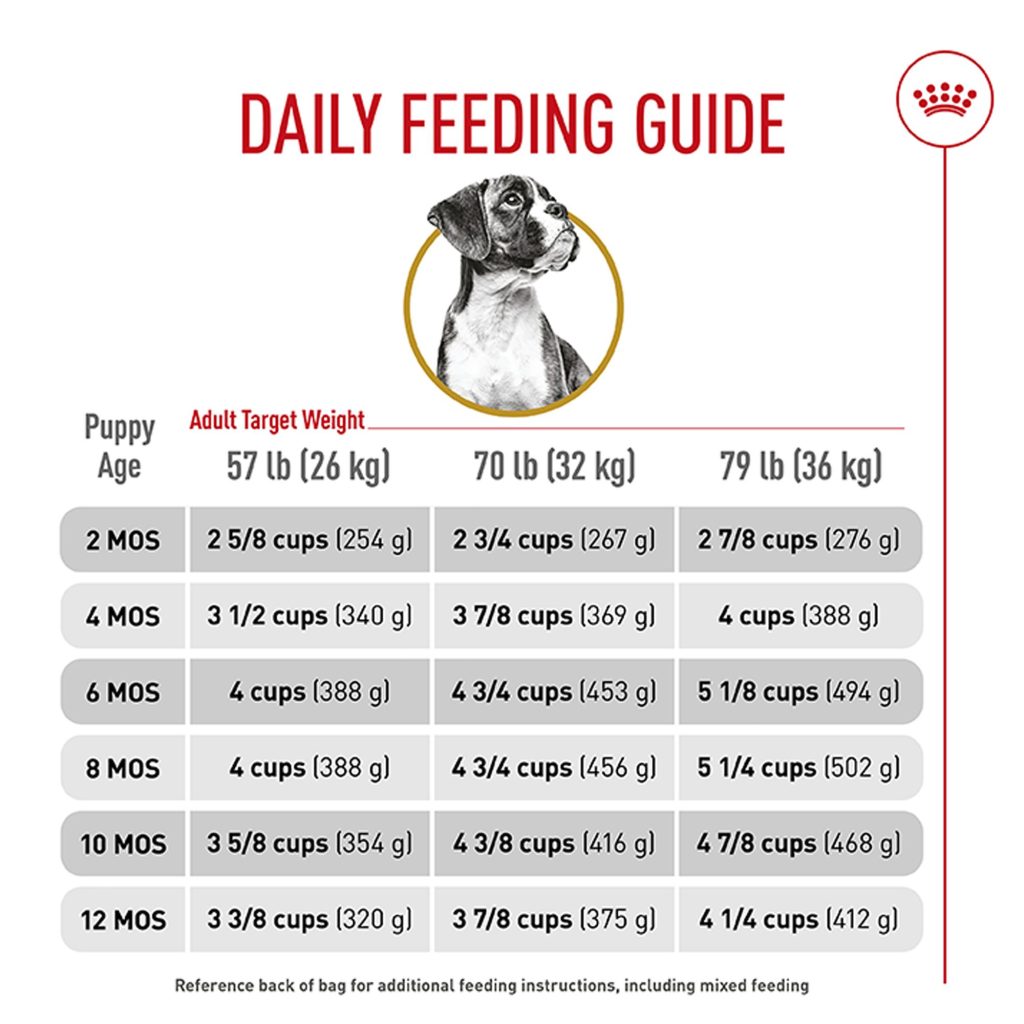

Are you wondering when it’s the right time to switch your puppy to adult dog food? You want to make sure your furry friend gets the best nutrition at every stage of life.
Feeding your puppy too long on puppy food or switching too soon to adult food can affect their growth and health. You’ll discover clear signs and expert tips to help you make the best choice for your dog’s diet. Keep reading to learn exactly when and how to make this important change smoothly and confidently.
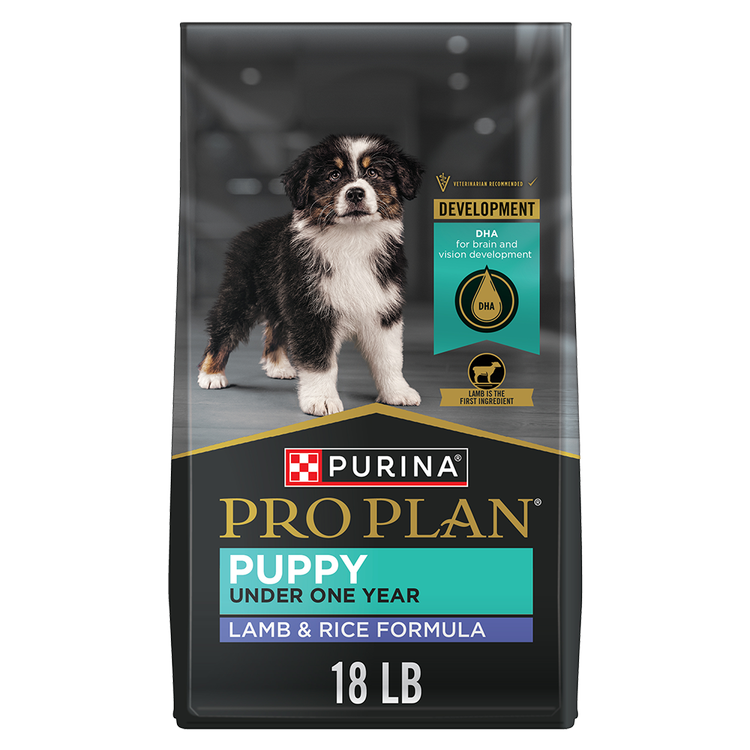
Credit: www.purina.com
Puppy Growth Stages
Puppy growth happens fast and in clear stages. Each stage brings new changes in size, energy, and nutrition needs. Understanding these stages helps decide the best time to switch from puppy to adult dog food. Watching your puppy’s development closely is important for their health and happiness.
Key Milestones
- Birth to 8 weeks: Puppies rely on their mother’s milk and begin to explore solid food.
- 8 to 16 weeks: Rapid growth occurs, and puppies need nutrient-rich food to support development.
- 4 to 6 months: Puppies start to lose baby teeth and gain adult teeth, needing food that supports dental health.
- 6 to 12 months: Growth slows down, and puppies approach their adult size.
- 12 months and beyond: Most puppies have reached full size and can switch to adult dog food.
Breed Size Impact
Small breeds mature faster, often reaching adult size by 9 to 12 months.
Large breeds take longer, sometimes up to 18 or 24 months to fully grow.
Switching to adult food too early can leave large breeds without enough nutrients for growth.
Adjust feeding plans based on breed size and individual growth patterns.
Signs Your Puppy Is Ready
Recognizing the right time to switch your puppy to adult dog food is essential. Puppies grow fast, and their diet should match their development stage. Some clear signs indicate that your puppy is ready for this change. These signs help ensure your dog gets the right nutrients for healthy growth.
Behavioral Changes
Your puppy’s behavior gives clues about their readiness for adult food. Look for increased energy levels that start to stabilize. Puppies may seem less hyperactive and more focused during playtime. They also begin eating less frequently, showing they can handle fewer meals per day. Watching how your puppy reacts to food can help decide if they are ready.
Physical Development
Physical growth is the most obvious sign your puppy is ready. Check if your puppy has reached about 80% of their expected adult size. Their teeth should be fully developed and strong. Muscle tone becomes more defined, and their coat looks thicker and shinier. These changes mean their body needs different nutrients found in adult dog food.
Choosing The Right Adult Food
Choosing the right adult dog food is important for your puppy’s health. The right food supports energy, growth, and overall well-being. It helps your dog stay strong and active as they grow older. Picking the correct formula ensures your dog gets the right balance of nutrients for their new life stage.
Nutritional Needs
Adult dogs need a different balance of nutrients than puppies. Protein levels should be moderate to support muscle maintenance. Fat content usually decreases compared to puppy food. Essential vitamins and minerals help keep bones and joints healthy. Fiber helps with digestion and keeps the stomach happy. Calories must match your dog’s activity level to prevent weight gain.
Ingredient Quality
Good adult dog food uses high-quality ingredients. Real meat or fish should be the first ingredient. Avoid foods with too many fillers like corn or wheat. Natural sources of vitamins and minerals work best. Look for added antioxidants to support the immune system. Avoid artificial colors, flavors, or preservatives that can harm your dog. Clean, simple ingredients mean better health and digestion.
Transitioning Process
Transitioning your puppy to adult dog food is a delicate process. It needs patience and care to avoid upsetting their stomach. A smooth change helps your dog adapt well to new nutrients.
Gradual Food Switch
Start by mixing a small amount of adult food into your puppy’s current food. Increase the adult food portion slowly over 7 to 10 days. This gentle change lets your puppy’s digestive system adjust without stress.
- Day 1-3: 25% adult food, 75% puppy food
- Day 4-6: 50% adult food, 50% puppy food
- Day 7-9: 75% adult food, 25% puppy food
- Day 10: 100% adult food
Watch your puppy’s eating habits. Make sure they like the new food and eat well.
Monitoring Health
Observe your puppy’s stool for changes in consistency or frequency. Soft or loose stools may signal a need to slow the transition. Look for signs of discomfort, like vomiting or lack of appetite.
Check your puppy’s energy levels and coat quality. A healthy coat and active behavior show the food suits them. Consult your vet if you notice unusual symptoms during the switch.
Common Mistakes To Avoid
Switching your puppy to adult dog food is an important step. Many pet owners make common mistakes during this process. These errors can affect your dog’s health and growth. Avoiding these pitfalls ensures your dog gets the right nutrition at the right time.
Switching Too Early
Changing to adult food before your puppy is ready can cause problems. Puppies need extra nutrients for growth. Adult food may lack these vital nutrients. Early switching can lead to poor bone development and energy loss. Wait until your puppy reaches the right age or size. Consult your vet to know the best time to switch.
Ignoring Breed Differences
Different breeds grow at different rates. Large breeds mature slower than small breeds. Feeding adult food too soon to a large breed can harm growth. Small breeds may need adult food earlier. Not considering breed size can cause nutritional gaps. Tailor the feeding schedule to your puppy’s breed. This helps maintain healthy growth and development.

Credit: www.thinkjinx.com
Veterinarian Recommendations
Puppies usually switch to adult dog food around one year old. Your vet can help decide the best time based on your puppy’s breed and size. Watch for growth milestones to know when to make the change.
When it comes to deciding when to switch your puppy to adult dog food, veterinarian recommendations play a crucial role. Veterinarians provide personalized advice based on your puppy’s unique growth patterns and health needs. Consulting your vet ensures a smooth transition that supports your pet’s overall well-being.Regular Check-ups
Regular check-ups with your vet are essential. During these visits, your vet can assess your puppy’s development and offer insights on when to switch foods. They may also identify any health issues that could influence the timing of the transition. How often do you take your puppy for vet visits? Regular appointments not only help in monitoring growth but also build a relationship with your vet, making them a trusted resource for advice.Tailored Feeding Plans
A one-size-fits-all approach doesn’t work when it comes to feeding plans. Your vet can help create a tailored feeding plan based on your puppy’s breed, size, and health. This customized approach ensures your puppy receives the right nutrients at every stage of their growth. Have you ever considered how a tailored plan might benefit your puppy? Personalized feeding plans take into account your pet’s unique needs, helping prevent future health issues and ensuring a healthy transition to adult food.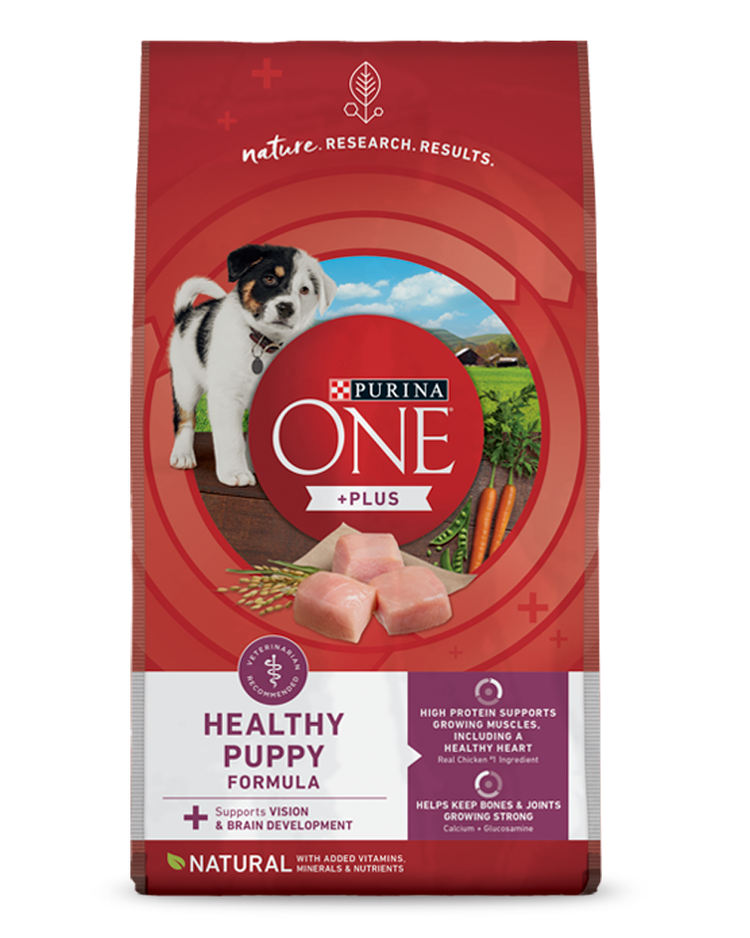
Credit: www.purina.com
Frequently Asked Questions
When Is The Best Time To Switch Puppy Food?
Switch your puppy to adult dog food around one year old. Large breeds may need 12-18 months. Consult your vet for breed-specific guidance.
How To Transition Puppy To Adult Dog Food Smoothly?
Mix adult food with puppy food gradually over 7-10 days. Increase adult food amount daily to avoid digestive upset. Monitor your puppy’s response during the switch.
Can Switching Food Too Early Harm My Puppy?
Yes, switching too early may cause nutrient deficiencies. Puppies need higher calories and nutrients for growth. Always follow age and breed recommendations for food transition.
What Signs Show My Puppy Is Ready For Adult Food?
Puppies reach adult size and energy levels by one year. If growth slows and vet approves, it’s time to switch. Observe weight and activity changes as cues.
Conclusion
Switching your puppy to adult dog food takes careful timing. Watch your dog’s size and age closely. Most dogs change around one year old, but some need more time. Consult your vet for advice tailored to your pup. Choose food that meets your dog’s energy needs and health.
Changing too soon or too late can cause problems. Keep an eye on your dog’s weight and coat health. Feeding the right food helps your dog grow strong and happy. Take your time and make the switch gently. Your dog will thank you.