
You want the best for your dog, and feeding them the right food at the right time is a big part of that. But when exactly can you start feeding your dog adult food?
It’s a question many dog owners wonder about. Getting this timing right can impact your dog’s health, growth, and happiness. Keep reading to discover the key signs and tips that will help you make this important switch confidently. Your dog’s well-being depends on it.
Puppy Growth Stages
Understanding your puppy’s growth stages is key to knowing when to switch to adult dog food. Puppies develop quickly, and their nutritional needs change just as fast. Paying attention to these stages helps you provide the right food at the right time, supporting healthy growth and preventing future health problems.
Key Development Milestones
Puppies hit important milestones that signal changes in their diet. From birth to about 8 weeks, they rely mostly on their mother’s milk. Around 3 to 4 weeks, you can start introducing soft, wet puppy food as they begin weaning.
By 8 to 12 weeks, puppies are usually eating solid puppy food and exploring their environment more actively. This is when their energy needs spike due to rapid growth and play. Between 4 to 6 months, many breeds go through a growth spurt, so their diet must support strong bones and muscles.
Large and giant breeds may continue growing until 12 to 18 months, while smaller breeds often reach maturity closer to 9 to 12 months. This means the timing to switch to adult food varies depending on your dog’s breed and size. Have you noticed your puppy’s energy or appetite change? That might be a clue for adjusting their diet.
Nutritional Needs By Age
Puppies require more calories, protein, and fat than adult dogs to fuel their fast growth. Their diet should be rich in essential nutrients like calcium, phosphorus, and DHA for bone development and brain function.
- Up to 3 months:High-calorie, nutrient-dense puppy food to support early development.
- 3 to 6 months:Balanced nutrition to maintain steady growth and muscle building.
- 6 months to maturity:Adjust food quantity and monitor weight to avoid overfeeding.
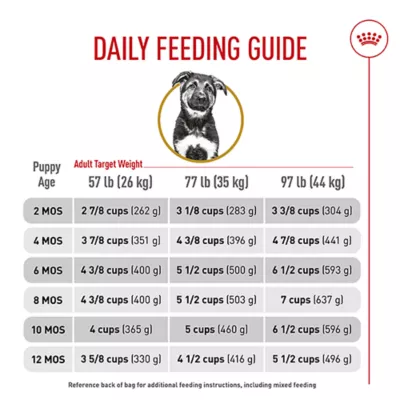
Switching to adult food too early can leave your dog lacking vital nutrients, while waiting too long might cause unnecessary weight gain. Have you checked the feeding guidelines on your dog’s food packaging? These are usually tailored to age and breed size, helping you decide the right time to transition.
Credit: www.petsmart.ca
Signs Your Dog Is Ready
Knowing when your dog is ready to switch to adult food is key to keeping them healthy and happy. Watch for clear signs that show your pup is growing out of puppy food. These signs help you make the right choice at the right time.
Physical Indicators
One strong clue is your dog’s size. When your pup reaches about 80% of their expected adult weight, it’s usually a good time to start adult food. You might notice their baby teeth falling out and adult teeth coming in too.
Coat changes can also signal readiness. A thicker, shinier coat often means your dog’s body is maturing. If you see these signs, your dog is likely ready for a more mature diet.
Behavioral Changes
Your dog’s eating habits might shift as they grow. Puppies often have bursts of high energy and hunger. When these bursts slow down and your dog eats less frequently, it’s a sign they need adult food with different nutrients.
Also, watch how your dog interacts with food. Less frantic eating and more calm, measured meals suggest maturity. Have you noticed your dog’s eating style changing? This change often means it’s time to switch.
Differences Between Puppy And Adult Food
Puppy food has more nutrients to support growth, while adult food suits maintenance needs. Dogs usually switch to adult food around one year old. Transition gradually to avoid stomach upset.
Differences Between Puppy and Adult Food Choosing the right food for your dog is crucial for their health and well-being. Puppy and adult dog foods are formulated differently to meet the specific needs of different life stages. Knowing these differences helps ensure your furry friend gets the nutrition they need to thrive.Nutrient Composition
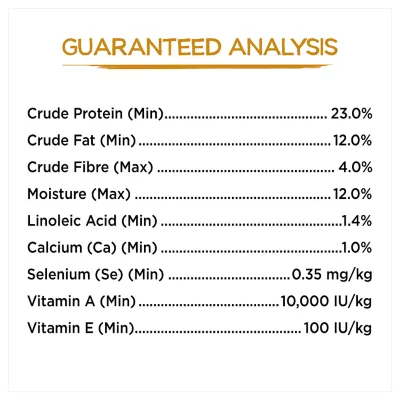
Puppy food is packed with essential nutrients to support rapid growth and development. It contains higher levels of protein, fat, and certain minerals like calcium and phosphorus. This ensures your pup’s bones and muscles develop properly. In contrast, adult dog food is balanced for maintenance rather than growth. It has lower levels of these nutrients, which helps prevent weight gain and related health issues. Feeding adult food to a puppy can lead to nutritional deficiencies or imbalances.Calorie Requirements
Puppies are bundles of energy and need more calories to fuel their playful antics and growth spurts. Puppy food is typically higher in calories to support this high energy demand. It’s like feeding a marathon runner versus someone with a desk job. As dogs mature, their energy needs decrease. Adult dog food contains fewer calories to match their reduced activity level. Feeding your adult dog puppy food can lead to obesity, which is a growing health concern among dogs today. Have you ever noticed a change in your dog’s energy or weight after switching foods? It’s a common experience and highlights how important it is to choose the right food for their life stage. Understanding these differences ensures you’re not just feeding your dog, but nourishing them for a healthy, happy life.
Credit: forthglade.com
Breed And Size Considerations
Choosing the right time to switch your dog to adult food depends heavily on their breed and size. These factors influence how fast your dog grows and when their nutritional needs change. Understanding these differences helps you support your dog’s health and energy levels effectively.
Small Breeds
Small breed dogs, like Chihuahuas or Yorkshire Terriers, mature faster than larger breeds. They often reach adulthood around 9 to 12 months of age. Because they develop quickly, you can usually start feeding them adult food sooner.
However, small breeds have higher metabolisms and need nutrient-dense food. Switching too early or too late can affect their growth and energy. Watch for signs like slowed growth or changes in activity to guide your timing.
Large Breeds
Large breed dogs, such as Great Danes or Labrador Retrievers, grow at a slower pace and take longer to reach maturity. Their adult food transition often happens between 12 to 18 months. Feeding them adult food too early can stress their developing bones and joints.
Large breeds require food with the right balance of calcium and phosphorus to support healthy growth. If you rush the switch, you might risk joint problems or obesity later. Consider your dog’s breed-specific growth chart and consult your vet before making the change.
Transitioning To Adult Food
Switching your dog from puppy food to adult food is an important step. It supports their growth and health as they mature. A smooth transition helps avoid stress and health problems. Careful planning makes the change easier for your dog’s tummy.
Gradual Switch Methods
Change your dog’s food slowly over 7 to 10 days. Start by mixing 25% adult food with 75% puppy food. Each day, increase the adult food amount by 25%. By day 7 or 10, your dog eats only adult food. This gradual mix helps your dog adjust to the new taste and nutrients.
- Day 1-3: 25% adult food, 75% puppy food
- Day 4-6: 50% adult food, 50% puppy food
- Day 7-9: 75% adult food, 25% puppy food
- Day 10: 100% adult food
Avoiding Digestive Upset
Keep an eye on your dog’s digestion during the change. Watch for diarrhea, vomiting, or loss of appetite. These signs show your dog may need a slower switch. Offer plenty of fresh water to help digestion. Avoid giving treats or table scraps that can upset the stomach.
Stick to the new feeding schedule and avoid sudden changes. If problems continue, consult your vet for advice. A calm, steady transition protects your dog’s health and keeps them happy.
Common Feeding Mistakes
Feeding your dog adult food at the right time is crucial, but many dog owners make common mistakes that can affect their pet’s health. These errors often come from rushing the process or not considering the unique needs of each dog. Understanding these pitfalls can help you make better feeding decisions and support your dog’s growth and well-being.
Switching Too Early
Switching your dog to adult food too soon can lead to nutritional gaps. Puppies need specific nutrients to support rapid growth, and adult food may not provide enough of those. If you change their diet before they’re ready, you might see slower development or digestive upset.
Think about the last time you changed your own diet abruptly—did you feel off for a few days? Dogs experience the same. It’s important to wait until your vet confirms your puppy is mature enough, which usually happens around one year for most breeds.
Ignoring Individual Needs
Not every dog is the same, even within the same breed or age group. Some dogs may need adult food earlier or later depending on their size, activity level, or health issues. Ignoring these factors can lead to overfeeding, underfeeding, or nutrient imbalances.
Ask yourself: Does your dog have special health conditions or an unusual growth pattern? Consulting your vet can help tailor the feeding plan specifically for your dog’s needs. Paying attention to these details ensures your dog stays healthy and happy as they grow into adulthood.
Veterinarian Recommendations
Knowing when to switch your dog to adult food can be tricky without expert advice. Veterinarians offer guidance tailored to your dog’s breed, size, and health needs. Their recommendations help ensure your pet gets the right nutrition at the right time.
When To Consult A Vet
It’s best to talk to your vet before changing your dog’s diet. Puppies grow at different rates, and some breeds mature faster than others. Your vet can tell you the ideal age to start adult food based on your dog’s specific growth pattern.
If your dog has health issues or allergies, consulting a vet becomes even more important. They can recommend food that supports your dog’s condition while meeting nutritional needs. Don’t wait for problems to arise—early advice prevents future complications.
Tailoring Diet Plans
Your dog’s diet should not be one-size-fits-all. A vet can help create a meal plan that fits your dog’s lifestyle, activity level, and energy requirements. For instance, a highly active dog might need more protein and calories than a less active one.
Adjusting portion sizes and ingredients can make a big difference. Your vet might suggest adding supplements or switching to adult food gradually to avoid stomach upset. Have you noticed how your dog reacts to new food? Sharing these observations with your vet can fine-tune the diet plan.
Credit: www.webbox.co.uk
Frequently Asked Questions
When Should Puppies Switch To Adult Dog Food?
Puppies usually switch to adult dog food at 12 months old. Large breeds may transition between 12 to 18 months. Consult your vet for breed-specific guidance to ensure proper nutrition during growth.
What Signs Show A Dog Is Ready For Adult Food?
Signs include slower growth, stable weight, and changes in energy. Puppies eat less and show less rapid development. These indicate it’s time to transition to adult food for balanced nutrition.
Can Feeding Adult Food Too Early Harm Puppies?
Yes, feeding adult food too early can cause nutrient deficiencies. Puppies need higher protein and calories to support growth. Premature adult food can stunt development and weaken the immune system.
How To Transition A Dog To Adult Food Smoothly?
Mix increasing amounts of adult food with puppy food over 7-10 days. Gradual change prevents digestive upset. Monitor your dog’s appetite and stool quality during the transition.
Conclusion
Feeding your dog adult food starts at the right age. Most dogs switch between 9 to 12 months old. Large breeds may need more time before changing food. Watch your dog’s growth and behavior for clues. Healthy teeth and steady weight matter a lot.
Always choose quality food made for adult dogs. Consult your vet if unsure about the timing. Feeding the right food helps your dog stay strong. Remember, each dog grows at its own pace. Careful feeding supports a happy, healthy life ahead.