
Are you wondering when it’s the right time to switch your pitbull puppy to adult dog food? Feeding your furry friend the right nutrition at the right stage is crucial for their growth and health.
If you give adult food too early, your puppy might miss out on essential nutrients. Wait too long, and you could be slowing down their development. You’ll discover clear signs and expert tips to help you make the best choice for your pitbull’s diet.
Keep reading to ensure your puppy grows strong, happy, and healthy!
Growth Stages Of Pitbull Puppies
Understanding the growth stages of your Pitbull puppy is crucial for deciding the right time to switch to adult dog food. Each stage comes with unique nutritional needs that support healthy development. Knowing these stages helps you provide the best diet and care for your puppy’s well-being.
Newborn To Weaning Phase
During the first few weeks, your Pitbull puppy relies entirely on its mother’s milk. This milk provides essential nutrients and antibodies that protect against diseases. At this stage, puppies cannot digest solid food, so feeding them anything else can cause digestive issues.
You might notice your puppy nursing frequently, which is normal as they grow rapidly. Keep the mother well-fed and hydrated to ensure her milk stays nutritious. If the mother isn’t available, you’ll need a vet-recommended puppy milk replacement.
Transition To Solid Foods
This phase usually starts around 3 to 4 weeks of age when your puppy’s teeth begin to come in. You can gradually introduce soft, mushy solid foods mixed with water or puppy formula. This helps puppies adjust their digestive system to handle solids without shock.
Offer small, frequent meals to avoid overwhelming your puppy’s stomach. Watch for any signs of upset stomach or refusal to eat. This transition period lasts until about 7 to 8 weeks, when your puppy can eat solid puppy food independently.
Puppy Growth Milestones
By the time your Pitbull reaches 6 months, it experiences rapid growth, muscle development, and increased energy. Their metabolism is still higher than adult dogs, so they need calorie-dense, nutrient-rich puppy food. Switching to adult food too early can leave your puppy lacking vital nutrients.
You should monitor your puppy’s weight, coat condition, and energy levels closely. Consult your vet before making the switch to adult food, typically recommended around 12 to 18 months. Have you noticed how your puppy’s appetite and activity change as they grow? These clues help you decide the best feeding plan.
Differences Between Puppy And Adult Dog Food
Puppy food and adult dog food serve different purposes. Puppies grow fast and need special nutrition. Adult dogs need food that supports their maintenance. Feeding the right food helps your pitbull stay healthy and strong. Understanding these differences helps you choose the best diet.
Nutritional Needs
Puppies require nutrients that support growth and development. They need more calcium and phosphorus for strong bones. Vitamins and minerals help build a healthy immune system. Adult dogs need balanced nutrition for energy and body repair. Their diet focuses on maintaining health rather than growth.
Calorie Requirements
Puppies burn more calories due to rapid growth and play. Their food contains higher calorie levels to meet these needs. Adult dogs require fewer calories to avoid weight gain. Their energy needs are lower because growth has slowed. Feeding adult food to a puppy can cause nutrient gaps.
Protein And Fat Content
Puppy food has more protein and fat to fuel muscle growth. These nutrients also help develop the brain and coat. Adult dog food has moderate protein and fat to maintain weight. Excess fat in adult dogs can lead to obesity. Proper protein supports muscle repair and energy in all dogs.
Signs Your Pitbull Puppy Is Ready
Deciding when to transition your Pitbull puppy to adult dog food is a crucial step in their development. Recognizing the right signs ensures your furry friend gets the proper nutrition they need. Observing specific changes in behavior, physical development, and consulting with your veterinarian can guide you in making this decision.
Behavioral Changes
Your Pitbull puppy may begin to exhibit more mature behavior, like being calmer and less excitable. They might show less interest in playtime and more focus on their surroundings. Notice if they are less inclined to nibble on everything and more interested in structured activities.
Physical Development
Typically, Pitbull puppies are ready for adult food when they reach 12 to 18 months of age. Look for physical signs such as their growth slowing down, indicating they have reached their adult size. Their coat may become fuller and shinier, showing they’re maturing physically.
Veterinarian Recommendations
Your vet is a valuable resource in determining the right time to switch. They can assess your puppy’s growth and health, offering personalized advice. It’s important to have regular check-ups to ensure your Pitbull’s dietary needs are met as they grow.
Have you noticed these signs in your puppy? Monitoring these changes closely will help you make an informed decision. Remember, every puppy is unique, and these timelines can vary.
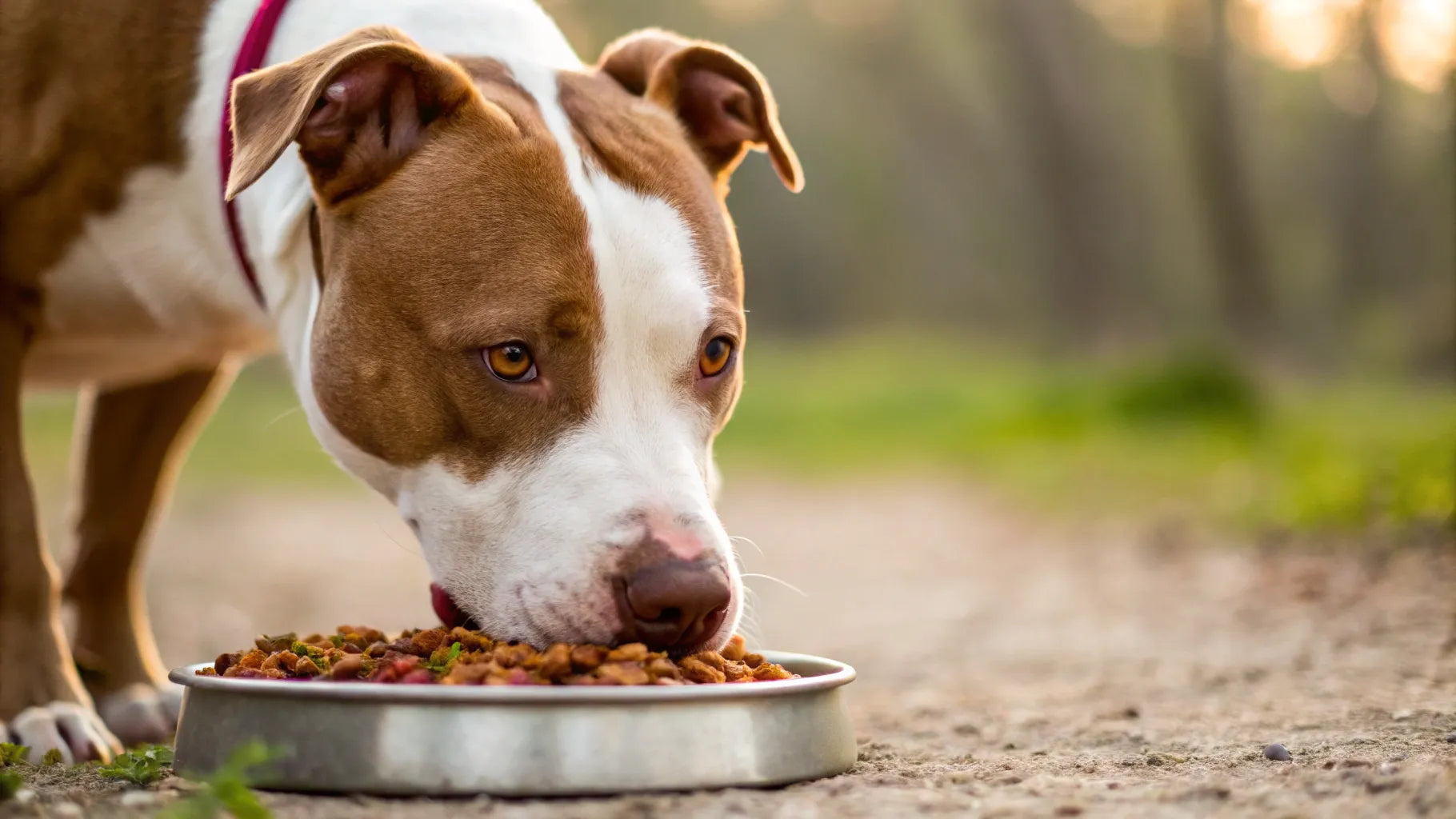
Credit: www.houndsy.com
Timing The Switch To Adult Food
Changing your pitbull puppy’s food to adult dog food is an important step. It supports their growth and health as they mature. Timing this switch right helps avoid digestive problems. It also ensures your dog gets the right nutrients for their age.
Ideal Age Range
Most pitbulls start eating adult dog food between 12 and 18 months. This is when they finish growing rapidly. Switching too early can cause nutrient gaps. Waiting too long may lead to weight gain or other issues. Watch your puppy’s behavior and growth for clues.
Weight Considerations
Weight plays a big role in timing the change. A healthy weight means your puppy is growing well. If your puppy gains too much weight, adjust the food sooner. Underweight puppies might need more puppy food time. Regularly weigh your dog to track progress.
Breed-specific Factors
Pitbulls mature faster than some large breeds. Their muscle development and energy needs are unique. They need high protein and balanced fats in adult food. Some pitbulls may need adult food closer to 12 months. Others benefit from waiting until 18 months. Consult your vet for the best timing.
How To Transition Food Smoothly
Switching your pitbull puppy from puppy food to adult dog food requires care to avoid upsetting their sensitive stomach. A smooth transition helps your dog adjust to new nutrients and textures without digestive issues. Let’s look at how you can make this change easy and stress-free for your furry friend.
Gradual Mixing Techniques
Start by mixing a small amount of adult food into your puppy’s current meal. For example, begin with 25% adult food and 75% puppy food for a few days. Then, increase the adult food portion slowly over 7 to 10 days until you reach 100% adult food.
This gradual approach prevents sudden changes that can cause diarrhea or vomiting. Have you noticed how quickly your pitbull reacts to food changes? Taking it slow gives their digestive system time to adjust comfortably.
Monitoring Digestive Health
Watch your pup closely during the transition for signs of digestive distress like loose stools, vomiting, or lack of appetite. Keeping a simple daily log can help you spot patterns or issues early.
If you see any problems, slow down the transition or consult your vet. Remember, your pitbull’s comfort matters more than rushing to switch foods.
Adjusting Portion Sizes
Adult dog food often has different calorie content than puppy food. After the transition, adjust portion sizes to match your pitbull’s energy needs and weight goals.
Track your dog’s weight and energy levels weekly. Too much food can lead to weight gain, while too little may leave your dog hungry or undernourished. Have you checked if your pitbull’s activity level has changed after switching to adult food?
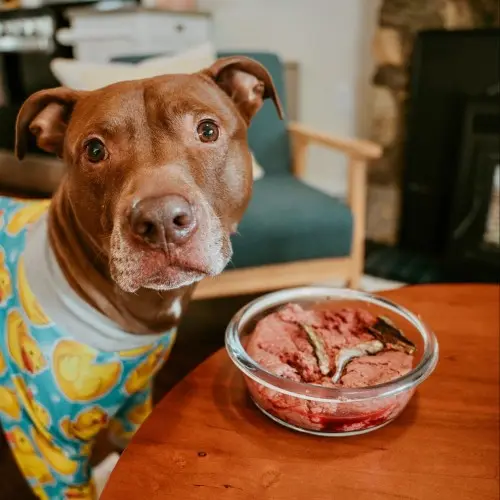
Credit: wefeedraw.com
Common Mistakes To Avoid
Knowing when to switch your pitbull puppy to adult dog food is important, but equally crucial is avoiding common mistakes that can impact your dog’s health. These errors often happen because of impatience, misinformation, or simple oversight. Let’s look at some pitfalls you can easily prevent to keep your pitbull healthy and happy.
Switching Too Early
Many owners are eager to switch to adult food as soon as their puppy looks bigger or more mature. However, switching too early can upset your pup’s digestion and nutrient absorption. Puppy food is specially formulated to support rapid growth, so giving adult food before they are ready may stunt their development.
Ask yourself: Is your pitbull truly ready for adult food, or are you rushing because of size or behavior changes? Waiting until around 12 to 18 months, depending on your vet’s advice, is often best.
Ignoring Nutritional Balance
Adult dog food isn’t just about calories; it’s about the right balance of protein, fats, vitamins, and minerals. Some owners switch foods without checking the ingredient list or nutritional content. This can lead to deficiencies or excesses that affect your dog’s coat, energy, and overall health.
Check labels carefully and compare nutrients. Your pitbull needs a diet that supports their active lifestyle without unnecessary fillers or additives.
Skipping Vet Advice
Every dog is unique, and what works for one pitbull may not work for another. Skipping professional guidance can lead to poor timing or unsuitable food choices. Your vet can assess your puppy’s growth, weight, and health to recommend the perfect moment to switch and the best food options.
Have you talked to your vet recently about your pup’s diet? If not, now is the time to get personalized advice that fits your dog’s needs exactly.
Maintaining A Healthy Diet After Switching
Switching your pitbull puppy to adult dog food is just the beginning of maintaining a healthy diet. What you feed next plays a crucial role in your dog’s overall well-being and energy levels. Paying close attention to the quality of food, the right supplements, and regular vet visits will help keep your dog happy and healthy for years.
Choosing Quality Adult Dog Food
Not all adult dog foods are created equal. Look for options with high protein content, natural ingredients, and no artificial fillers. You want food that supports your pitbull’s muscle tone and energy without unnecessary additives.
Think about your dog’s lifestyle. If your pitbull is active, a formula rich in protein and fat might be best. For less active dogs, a balanced diet with controlled calories can prevent weight gain.
Supplements And Treats
Sometimes, adult dog food alone doesn’t cover all nutritional needs. Adding supplements like omega-3 fatty acids or glucosamine can support joint health and coat shine. However, always check with your vet before adding anything new.
Treats should be healthy and given in moderation. Opt for natural treats or pieces of fruits and vegetables that your dog enjoys. This keeps your pitbull motivated without sabotaging their diet.
Regular Health Check-ups
Feeding the right food is only part of the equation. Regular vet visits help you monitor your dog’s weight, digestion, and overall health. These check-ups allow you to adjust the diet as needed based on your dog’s changing needs.
Have you noticed changes in your pitbull’s energy or coat quality? These could be signs it’s time to revisit their diet or health plan. Keeping a close eye ensures you catch issues early and keep your dog thriving.
Credit: www.chewy.com
Frequently Asked Questions
When Should I Switch My Pitbull Puppy To Adult Food?
Switch your pitbull puppy to adult food at about 12 months. This timing supports healthy growth and proper nutrition for adult dogs. Always consult your vet to confirm the best switch time based on your puppy’s development and health.
How To Know If My Pitbull Is Ready For Adult Food?
Look for signs like slowed growth and adult teeth development. Your puppy’s weight and activity level also indicate readiness. If unsure, ask your vet to assess when your pitbull puppy should start adult food.
What Are The Benefits Of Adult Dog Food For Pitbulls?
Adult dog food meets the nutritional needs of mature pitbulls. It supports muscle maintenance, energy levels, and joint health. Feeding adult food too early or late can affect growth or cause weight issues.
Can I Mix Puppy And Adult Food During Transition?
Yes, gradually mix adult food with puppy food over 7-10 days. This helps your pitbull’s digestion adjust smoothly. Slowly increase adult food amount until fully transitioned to avoid stomach upset.
Conclusion
Feeding your Pitbull puppy adult dog food needs careful timing. Watch your puppy’s growth and weight closely. Most dogs switch around one year old. Choose adult food that meets their health needs. Keep checking with your vet for advice. Good nutrition helps your dog stay strong and happy.
Change food gradually to avoid stomach problems. Your puppy will thank you with energy and good health. Simple steps make feeding easy and stress-free. Trust your instincts and care for your growing dog.