
Are you wondering when to switch your Cavalier to adult dog food? Knowing the right time can make a big difference in your dog’s health and happiness.
Feeding your Cavalier the right food at the right age helps them stay strong, energetic, and full of life. You’ll discover clear signs and expert tips to guide you through this important change. Keep reading to learn exactly when and how to make this transition smoothly for your furry friend.
Choosing Adult Food For Cavaliers
Choosing the right adult food for your Cavalier is a crucial step in ensuring their health and happiness. These small dogs have unique dietary needs that differ from other breeds. Understanding what to look for will help you provide meals that support their energy, coat, and overall well-being.
Key Nutritional Needs
Your Cavalier needs a balanced diet rich in high-quality proteins to maintain muscle health. Look for foods with real meat like chicken, lamb, or fish listed as the first ingredient. Healthy fats, such as omega-3 and omega-6, are essential for keeping their coat shiny and skin healthy.
Carbohydrates should come from wholesome sources like sweet potatoes or brown rice, providing steady energy without causing weight gain. Don’t forget vitamins and minerals that support immune function and bone health. Always check that the food meets AAFCO standards for adult maintenance.
Popular Adult Food Options
- Dry kibble:Convenient and helps keep teeth clean, but choose formulas made specifically for small breeds to avoid choking hazards.
- Wet food:Often more palatable and hydrating, great for picky eaters or dogs with dental issues.
- Grain-free options:Suitable for Cavaliers with sensitivities, but consult your vet to ensure they fit your dog’s needs.
Many owners find success mixing wet and dry food to combine benefits. Have you noticed your Cavalier prefers one type over another? Adjusting the texture could make mealtime more enjoyable for them.
Avoiding Common Food Mistakes
One common mistake is overfeeding. Cavaliers can easily gain weight, which stresses their joints and heart. Use the feeding guidelines on the package as a starting point but tailor portions based on your dog’s activity level and body condition.
Avoid foods with fillers like corn, soy, and artificial preservatives. These ingredients offer little nutritional value and may trigger allergies. Also, steer clear of sudden diet changes—transition slowly over a week to prevent digestive upset.
Have you ever switched foods abruptly and noticed your dog’s digestion suffer? That’s a sign to always introduce new diets gradually. Your attention to these details will help keep your Cavalier thriving.
Signs Your Cavalier Is Ready For Adult Food
Recognizing the right time to switch your Cavalier King Charles Spaniel to adult food ensures their health and growth. Puppies need more nutrients for development, but adult dogs require balanced diets to maintain their energy and weight. Watch for clear signs that show your dog is ready for this change. These signs fall into three key categories: age milestones, behavioral changes, and physical indicators.
Age Milestones
- Most Cavaliers start adult food between 9 and 12 months old.
- Smaller breeds tend to mature faster than large breeds.
- Check your vet’s advice based on your dog’s growth rate.
Behavioral Changes
- Reduced appetite for puppy food can indicate readiness.
- More energy and longer activity periods are common.
- Begins showing less chewing on toys and more eating routine.
Physical Indicators
- Weight stabilizes as growth slows down.
- Teeth begin to fully develop and become stronger.
- Body shape becomes less round and more defined.
Best Feeding Schedule For Adult Cavaliers
Determining the best feeding schedule for your adult Cavalier King Charles Spaniel can make all the difference in their health and happiness. As these adorable companions transition from puppyhood to adulthood, it’s crucial to adjust their feeding routine to meet their changing nutritional needs. A well-structured feeding schedule not only supports their energy levels but also keeps them in optimal shape.
Meal Frequency
Adult Cavaliers generally thrive on two meals a day. This frequency helps maintain steady energy levels throughout the day and prevents hunger-driven behavior. However, some Cavaliers might prefer three smaller meals, especially if they’re prone to digestive issues.
Observe your dog’s behavior and adjust accordingly. Are they frequently begging for snacks between meals? This could be a sign that smaller, more frequent meals might suit them better.
Ideal Feeding Times
Consistency is key when setting feeding times. Aim for meals around the same time each day, such as morning and early evening. This helps regulate their digestive system and reduces anxiety associated with unpredictable meal times.
Consider your daily schedule. Feeding your Cavalier before you leave for work and again around your dinner time can create a routine that aligns with your lifestyle.
Portion Control Tips
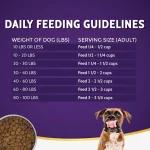
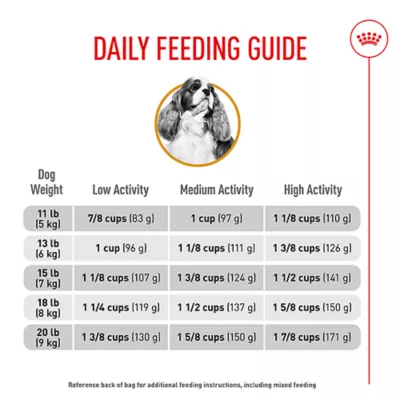
Overfeeding can lead to obesity, a common issue in Cavaliers. Measure portions carefully using a standard measuring cup to avoid guesswork. Consult your vet for personalized portion recommendations based on your dog’s weight and activity level.
- Use feeding guidelines on dog food packages as a starting point.
- Adjust portions if your dog gains or loses weight.
- Remember to factor in treats and adjust meal sizes accordingly.
Maintaining a balanced diet is essential for your Cavalier’s long-term health. Are you providing the right portions, or could you be inadvertently overindulging their puppy eyes? Keep this in mind as you refine their feeding schedule.
Credit: www.petsmart.ca
Transitioning From Puppy To Adult Food
Transitioning your Cavalier from puppy food to adult food is an important milestone. This change supports their growth and energy needs as they mature. Handling this switch carefully can prevent digestive upset and ensure your dog continues to thrive.
Gradual Food Changes
Switch your Cavalier’s diet slowly over 7 to 10 days. Start by mixing 25% adult food with 75% puppy food. Gradually increase the adult food while decreasing the puppy food each day.
This helps your dog’s digestive system adjust without stress. Sudden changes often lead to stomach upset or refusal to eat. Have you noticed your dog’s preferences shifting during meal times?
Monitoring Digestive Health
Watch for signs like loose stools, vomiting, or gas during the transition. These can indicate your dog’s tummy is reacting to the new diet. Keep a close eye on their energy levels and appetite as well.
If problems persist beyond a few days, consider slowing the transition or consulting your vet. Keeping a food diary can help track any patterns or reactions. Have you thought about how your dog’s digestion changes with new foods?
Common Transition Challenges
- Food refusal:Your Cavalier might reject the new food initially. Try warming it slightly or adding a small amount of broth to make it more appealing.
- Allergic reactions:Watch for itching or skin changes. These might mean the new food contains ingredients your dog is sensitive to.
- Weight fluctuations:Monitor your dog’s weight to avoid sudden loss or gain during this period.
Have you prepared for these challenges when switching your dog’s diet? Being ready can make the transition smoother for both you and your pet.
Special Considerations For Cavaliers
Cavaliers are a unique breed with specific needs that affect when and how you feed them adult dog food. Their size, temperament, and common health issues mean you can’t simply follow generic feeding guidelines. Paying attention to these special considerations helps keep your Cavalier happy and healthy throughout their adult years.
Health Conditions Impacting Diet
Cavaliers are prone to certain health conditions like mitral valve disease and hip dysplasia. These issues often require a diet lower in sodium and rich in omega-3 fatty acids to support heart and joint health. You might need to adjust feeding times or food types based on vet recommendations to manage these conditions effectively.
Have you noticed your Cavalier showing signs of fatigue or joint stiffness? This could mean it’s time to rethink their diet or feeding schedule.
Weight Management Strategies
Maintaining a healthy weight is crucial for Cavaliers because they easily gain weight, which worsens health problems. Feeding smaller, more frequent meals can help control hunger and prevent overeating. Use a measured scoop to avoid guessing portions and consider low-calorie, nutrient-dense foods to keep your dog satisfied without extra pounds.
Think about your dog’s daily routine—does their feeding match their activity level? Adjusting meal size or frequency might be the key to better weight control.
Exercise And Feeding Balance
Balancing feeding times with exercise boosts your Cavalier’s digestion and energy levels. Feeding right after vigorous play isn’t ideal; instead, offer a meal at least an hour before or after exercise to avoid discomfort. Regular walks and playtime paired with consistent feeding schedules help keep their metabolism steady.
Ask yourself: Is your feeding routine supporting your dog’s activity level or working against it? Small changes here can improve your Cavalier’s overall well-being.

Credit: mutznutz.ie
Signs Of Overfeeding Or Underfeeding
Knowing the signs of overfeeding or underfeeding your Cavalier when switching to adult dog food is crucial. It helps you adjust portions before health issues arise. Watch your dog closely to catch any early warning signs that might indicate an imbalance in their diet.
Weight Fluctuations
Sudden changes in your Cavalier’s weight can signal feeding problems. If your dog gains weight quickly, it might mean you’re offering too much food or treats. On the other hand, noticeable weight loss can suggest underfeeding or an underlying health issue.
Keep a regular check on your dog’s weight. Using a simple at-home scale or visiting a vet can help you track changes and adjust feeding amounts accordingly.
Energy Level Changes
Has your Cavalier become unusually sluggish or hyperactive? Both can be signs of improper nutrition. Overfeeding might cause lethargy due to excess calories, while underfeeding can drain your dog’s energy and make them less playful.
Observe your dog’s daily behavior closely. Are they eager for walks or naps? Shifts in energy can tell you a lot about whether their diet matches their needs.
Veterinary Checkups
Regular vet visits are essential to detect feeding issues early. Vets can measure your dog’s body condition score and suggest dietary adjustments based on health and activity level. Don’t wait for problems to appear before booking a checkup.
Ask your vet specific questions about your dog’s feeding schedule and portion sizes. They can provide personalized advice to keep your Cavalier healthy and happy.
Credit: www.petsmart.com
Frequently Asked Questions
When Should I Switch My Cavalier To Adult Dog Food?
Switch your Cavalier to adult dog food around 12 months old. This age marks the end of their puppy growth phase. Adult food meets their nutritional needs for maintenance and health. Consult your vet for personalized advice.
How To Know If My Cavalier Needs Adult Food Now?
Look for signs like steady weight, reduced puppy energy, and stable teeth. If your Cavalier is over a year old, it likely needs adult food. Always check with your vet before changing diets to ensure proper nutrition.
Can Feeding Adult Food Too Early Harm My Cavalier?
Yes, feeding adult food too early can affect growth and bone development. Puppies need higher protein and fat for healthy growth. Wait until your dog is about 12 months old, or follow your vet’s guidance to avoid health issues.
What Are The Benefits Of Adult Food For Cavaliers?
Adult dog food supports maintenance of healthy weight, coat, and energy. It contains balanced nutrients tailored for adult dogs. Feeding appropriate adult food prevents obesity and digestive problems common in Cavaliers.
Conclusion
Feeding your Cavalier adult dog food at the right time keeps them healthy. Usually, switch to adult food around one year old. Watch your dog’s size and energy to decide the best time. Good nutrition helps maintain their shiny coat and strong muscles.
Always provide fresh water with meals. Regular vet check-ups help confirm your feeding plan works well. Careful feeding supports your dog’s happy and active life. Small changes can make a big difference. Trust your instincts and enjoy many joyful moments with your Cavalier.