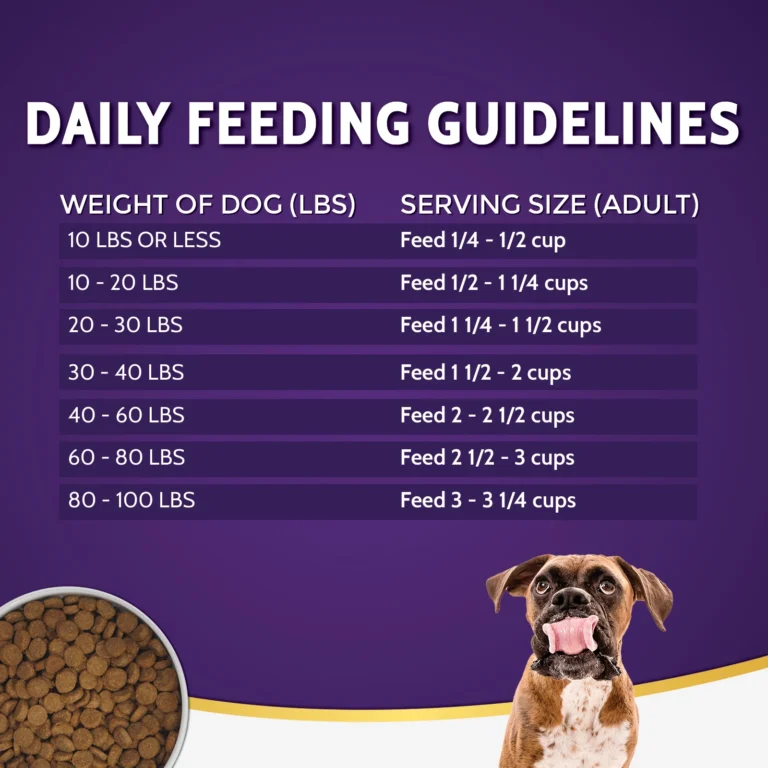

Are you unsure about how much food to give your adult dog each day? Feeding your dog the right amount is key to keeping them healthy, happy, and full of energy.
Too much food can lead to weight gain, while too little may leave your furry friend hungry and tired. You’ll discover simple tips to find the perfect balance for your dog’s meals. Keep reading to learn exactly how much food your adult dog needs to thrive.
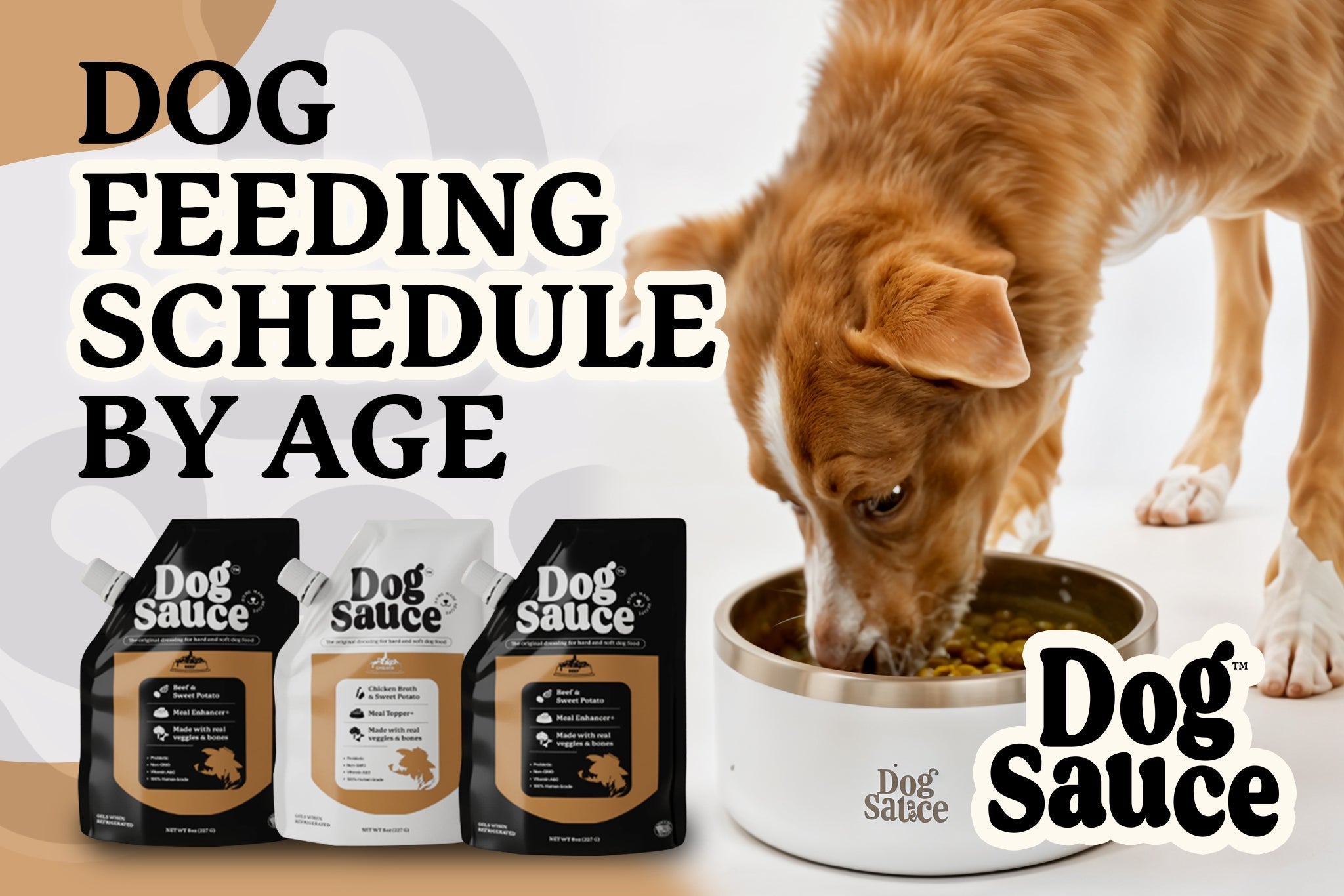
Credit: dogsauce.co
Factors Influencing Dog Food Portions
Determining the right amount of food for an adult dog depends on many factors. Each dog is unique, and its feeding needs vary. Understanding these factors helps ensure your dog stays healthy and energetic. Below are key aspects that influence how much food your dog requires daily.
Breed And Size
Large breeds need more food than small breeds. Bigger dogs burn more calories even at rest. Small dogs require smaller portions to avoid weight gain. Breed traits also affect appetite and energy use. For example, working breeds often need more calories than lap dogs.
Age And Activity Level
Young adult dogs are usually more active and need more food. Older dogs tend to slow down and require fewer calories. Active dogs that exercise daily burn more energy. Less active dogs or couch potatoes need smaller portions. Adjust food based on daily movement and playtime.
Health Conditions
Some health issues change how much food a dog needs. Dogs with diabetes may need controlled portions. Dogs with kidney or liver problems often require special diets. Overweight dogs need fewer calories to lose weight safely. Always check with a vet for health-related feeding advice.
Metabolism Rates
Metabolism varies from dog to dog. Some dogs digest food quickly and use energy fast. Others have slower metabolisms and may gain weight easily. Genetics and hormone levels affect metabolism speed. Watch your dog’s body condition to adjust food amounts as needed.
Daily Calorie Needs For Adult Dogs
Understanding the daily calorie needs for adult dogs is essential for their health. Feeding the right amount keeps them active and prevents weight issues. Each dog’s calorie requirement depends on several factors. These include size, age, activity, and metabolism. Knowing how to calculate and adjust calories helps maintain a healthy weight.
Calculating Maintenance Calories
Maintenance calories are the energy amounts a dog needs to stay healthy. This number keeps their weight steady. You can estimate it using a simple formula based on their weight in kilograms:
- Resting Energy Requirement (RER) = 70 × (weight in kg)0.75
Multiply RER by a factor based on activity level to get daily calories. For most adult dogs, the factor ranges from 1.2 to 1.8.
Adjusting For Weight Goals
Calories change if a dog needs to lose or gain weight. Reduce calories by 20% to 30% for weight loss. Increase calories by 10% to 20% for weight gain. Always make changes gradually to avoid health problems.
Regularly check your dog’s weight and body condition. Adjust food amounts based on these observations.
Energy Requirements By Activity
Activity level greatly affects calorie needs. Sedentary dogs need fewer calories. Active or working dogs need more energy daily. Here is a quick guide:
| Activity Level | Calorie Multiplier |
|---|---|
| Neutered/Spayed Adult | 1.6 × RER |
| Intact Adult | 1.8 × RER |
| Active/Working Dog | 2.0 to 5.0 × RER |
Adjust calorie intake based on your dog’s daily exercise and lifestyle.
Types Of Dog Food And Portion Sizes
Different dog foods include dry kibble, wet canned food, and raw diets, each with unique portion needs. Portion sizes depend on your dog’s weight, age, and activity level to keep them healthy. Adjust servings based on their specific energy and nutritional demands.
Understanding the types of dog food and their portion sizes is crucial for your pet’s health. Different foods have different nutritional values, affecting how much you should serve. Let’s explore the various types of dog food and the recommended portion sizes for adult dogs.Dry Kibble Portions
Dry kibble is a popular choice for many dog owners. It’s convenient and cost-effective. Typically, a cup of kibble contains about 350 to 400 calories. The portion size depends on your dog’s weight and activity level. For a 30-pound dog, 1.5 to 2 cups per day is standard. Adjust the quantity if your dog is more active.Wet Food Guidelines
Wet food usually contains more moisture than dry kibble. It often has fewer calories per serving. Generally, a 30-pound dog might need about 1 to 1.5 cans per day. Always check the can’s label for specific serving instructions. Wet food can be more palatable for picky eaters.Raw Diet Serving Sizes
Raw diets focus on uncooked meats, bones, and vegetables. This type of diet requires careful portion control. A common guideline is feeding 2-3% of your dog’s body weight daily. For a 30-pound dog, that’s around 0.6 to 0.9 pounds of raw food. Balance is key to avoid nutritional deficiencies.Homemade Meals
Homemade meals allow you to control ingredients. But it requires knowledge of nutritional needs. Portion sizes depend on the recipe’s calorie content. Typically, a 30-pound dog may need around 700-900 calories daily. Consult with a vet to ensure balanced meals.Measuring And Serving Food Accurately
Measuring and serving food accurately is key to keeping your adult dog healthy. Proper portions help maintain weight and energy levels. Feeding the right amount prevents hunger and overeating. This section explains simple ways to measure food and set feeding routines.
Using Measuring Cups And Scales
Use a measuring cup or kitchen scale for precise portions. Dry dog food is easy to measure with cups. For wet food, a scale gives better accuracy. Check the dog food package for serving size advice. Always level the food in the cup for exact amounts. Small errors add up over time and affect your dog’s weight.
Feeding Schedules
Feed your dog at the same times daily. Most adult dogs do well with two meals per day. Set specific times, such as morning and evening. Consistency helps digestion and behavior. Avoid free feeding, where food is always available. Scheduled meals help you monitor how much your dog eats.
Avoiding Overfeeding
Overfeeding leads to weight gain and health problems. Watch your dog’s body condition and adjust food if needed. Treats and snacks count as extra calories. Limit treats to less than 10% of daily intake. Use low-calorie treats or healthy alternatives. Keep an eye on your dog’s activity level and weight to balance food properly.
Signs Of Proper Nutrition And Portioning
Proper nutrition and portioning are key to a dog’s health. Feeding the right amount supports their body functions and daily activities. Signs of good nutrition show clearly in their weight, energy, and skin condition. Recognizing these signs helps maintain your dog’s well-being.
Healthy Weight Indicators
A dog with proper nutrition maintains a healthy weight. You can feel their ribs easily but not see them. Their waist should be visible when viewed from above. Avoid excessive fat around the belly and hips. Regular weighing helps track any changes in weight.
Energy And Behavior
Dogs eating the right portions have steady energy levels. They stay active and playful throughout the day. Overfeeding can cause sluggishness and tiredness. Underfeeding may lead to irritability or lack of interest in activities. Balanced feeding supports a happy, alert dog.
Coat And Skin Health
A shiny coat signals good nutrition and proper feeding. Dry, dull fur may indicate nutrient deficiencies or poor portioning. Healthy skin should be free from redness or flakes. Groom your dog regularly to check for changes in coat texture. Good nutrition reflects in vibrant, soft fur.
Credit: www.justfoodfordogs.com
Adjusting Portions Over Time
Adjusting your adult dog’s food portions over time keeps them healthy and happy. Dogs’ needs change with the seasons, age, and activity levels. Monitoring these changes helps you feed just the right amount. Overfeeding or underfeeding can cause health problems.
Seasonal Changes
Dogs often need more calories in colder months. Their bodies burn extra energy to stay warm. In warmer months, dogs may need less food. Watch your dog’s weight and energy to adjust portions. Changes in weather can affect appetite too.
Age-related Needs
Older dogs usually need fewer calories than younger adults. Their metabolism slows down with age. Puppies and young adults require more food to support growth. Adjust portions as your dog moves through life stages. Consult your vet for specific age-based feeding advice.
Activity Level Fluctuations
Active dogs burn more calories daily. Working or highly playful dogs often need larger portions. Less active or indoor dogs need smaller amounts. Track your dog’s daily exercise to match food portions. Keeping portions aligned with activity helps maintain a healthy weight.
Common Feeding Mistakes To Avoid
Feeding your adult dog might seem straightforward, but many dog owners make mistakes that affect their pet’s health and happiness. Avoiding common feeding errors can keep your dog at a healthy weight and improve their energy levels. Let’s look at some frequent pitfalls that might be sabotaging your dog’s diet without you realizing it.
Free Feeding Risks
Leaving food out all day may seem convenient, but it can lead to overeating. Dogs don’t always know when to stop, especially with unlimited access to food. This often results in weight gain and related health problems.
Have you noticed your dog’s bowl always full but their energy dropping? That might be a sign free feeding isn’t working. Scheduled meals help control portions and make it easier to monitor your dog’s appetite and health.
Ignoring Treat Calories
Treats are a great way to reward your dog, but they add extra calories that can quickly add up. Many dog owners forget that treats contribute to daily calorie intake, which can cause unexpected weight gain.
Think about the last time you gave treats during training or playtime. Did you count those calories in your dog’s daily food allowance? Adjusting meal portions to account for treats can keep your dog on track.
Inconsistent Portions
Feeding different amounts of food at each meal can confuse your dog’s metabolism and cause weight swings. Consistency is key to maintaining a stable weight and ensuring your dog gets the right nutrition daily.
If you’re unsure how much to serve, use a measuring cup instead of guessing. Regularly check your dog’s weight and adjust portions accordingly. Would you trust a scale that changes every day? Your dog’s food portions deserve the same precision.

Credit: truthaboutpetfood.com
Frequently Asked Questions
How Much Food Should I Feed My Adult Dog Daily?
Feed your adult dog 2-3% of their body weight in food daily. Adjust based on activity, age, and metabolism. Monitor their weight and health to ensure the portion is right.
What Factors Affect Adult Dog Food Quantity?
Age, activity level, breed size, metabolism, and health conditions affect food needs. Active or working dogs require more calories than sedentary pets.
How Often Should I Feed My Adult Dog?
Feed adult dogs twice daily: morning and evening. Consistent meal times help maintain digestion and energy levels throughout the day.
Can Overfeeding Harm My Adult Dog?
Yes, overfeeding causes obesity, joint stress, and health issues. Measure portions carefully and avoid excessive treats to keep your dog healthy.
Conclusion
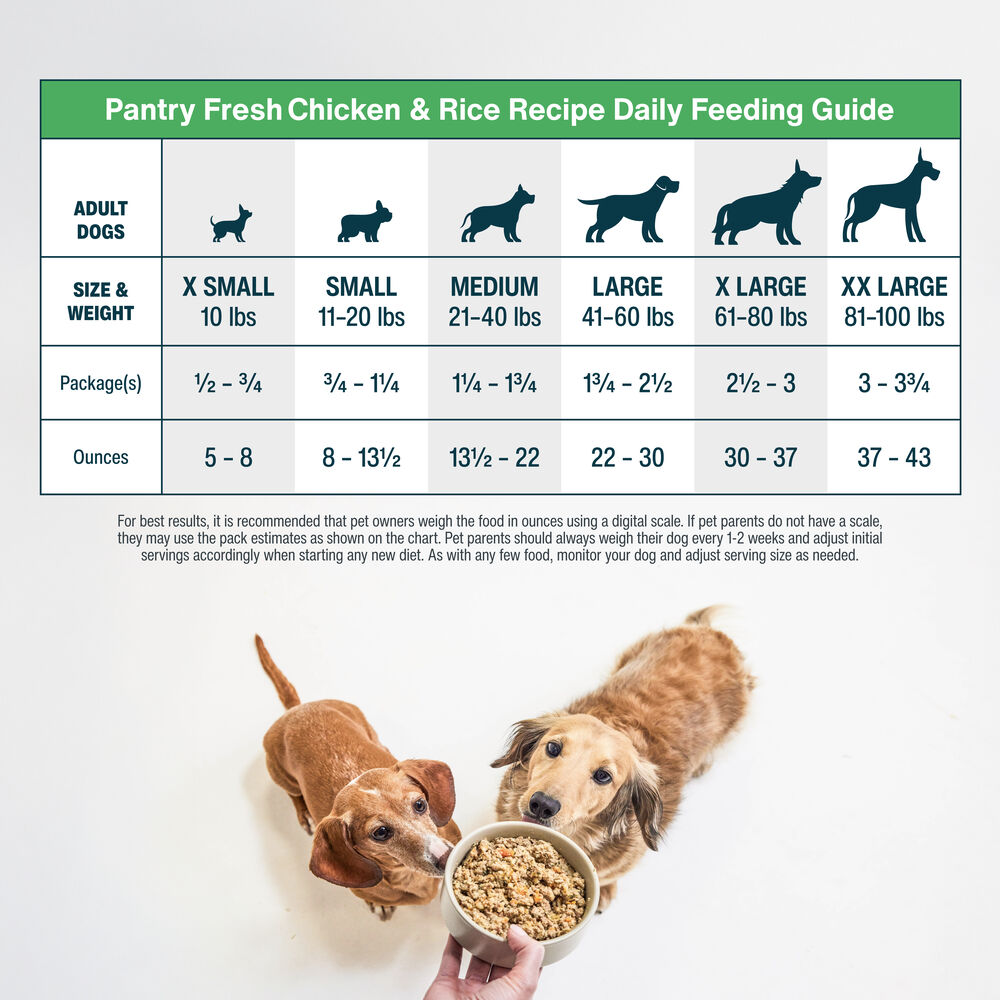
Feeding your adult dog the right amount keeps them healthy and happy. Watch their weight and energy to adjust food portions. Age, size, and activity level all affect how much to give. Use feeding guides as a starting point, not strict rules.
Regular vet check-ups help ensure your dog’s diet fits their needs. Remember, quality food and proper portions support your dog’s long life. Stay consistent and attentive to your pet’s signals. Healthy meals lead to a joyful, energetic companion.