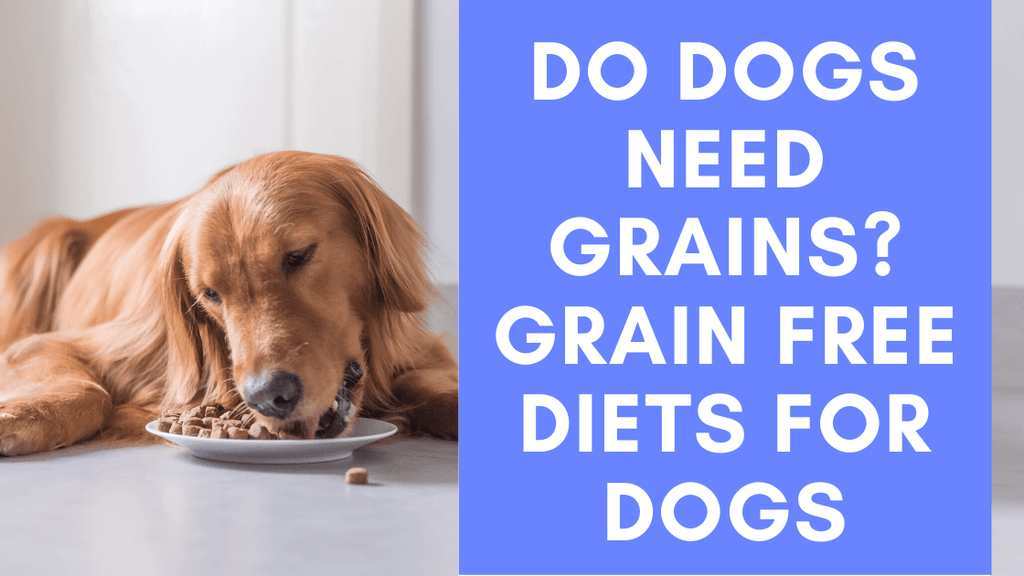

Are you curious about what a grain free diet for dogs really means? If you want the best for your furry friend, understanding this diet could make a big difference in their health and happiness.
You might have heard about grain free food being better or healthier, but is that true for your dog? You’ll discover what a grain free diet involves, its benefits, and what you should watch out for. By the end, you’ll feel confident about whether this diet is right for your dog and how to make the best choices for their well-being.
Keep reading to learn more!
Grain Free Diet Basics
Understanding the basics of a grain free diet for dogs can help you make better choices for your furry friend. This type of diet removes common grains that some dogs may find hard to digest or could trigger allergies. Knowing what goes into grain free dog food will help you decide if it suits your pet’s health needs and lifestyle.
What Is A Grain Free Diet
A grain free diet for dogs means the food contains no grains like wheat, corn, or rice. Instead, it focuses on other sources of carbohydrates and nutrients. This kind of diet is often chosen for dogs with food sensitivities or digestive issues.
Think about your dog’s reactions after meals. Have you noticed itching, upset stomach, or low energy? Sometimes, grains can be the hidden culprit causing these problems.
Common Grains Removed
- Wheat:A common allergen that can cause skin and digestion problems.
- Corn:Often used as a filler but can be hard for some dogs to digest.
- Soy:Another common grain that can trigger allergies in sensitive dogs.
- Rice:Even though it’s easy to digest, some grain free diets avoid rice to reduce overall grain content.
Removing these grains doesn’t mean your dog misses out on energy. It simply means the food needs to use other ingredients to keep your dog healthy and active.
Typical Ingredients Used
Grain free dog foods usually replace grains with alternative sources of carbohydrates and protein. These ingredients can offer the same or better nutrition without the grain-related issues.
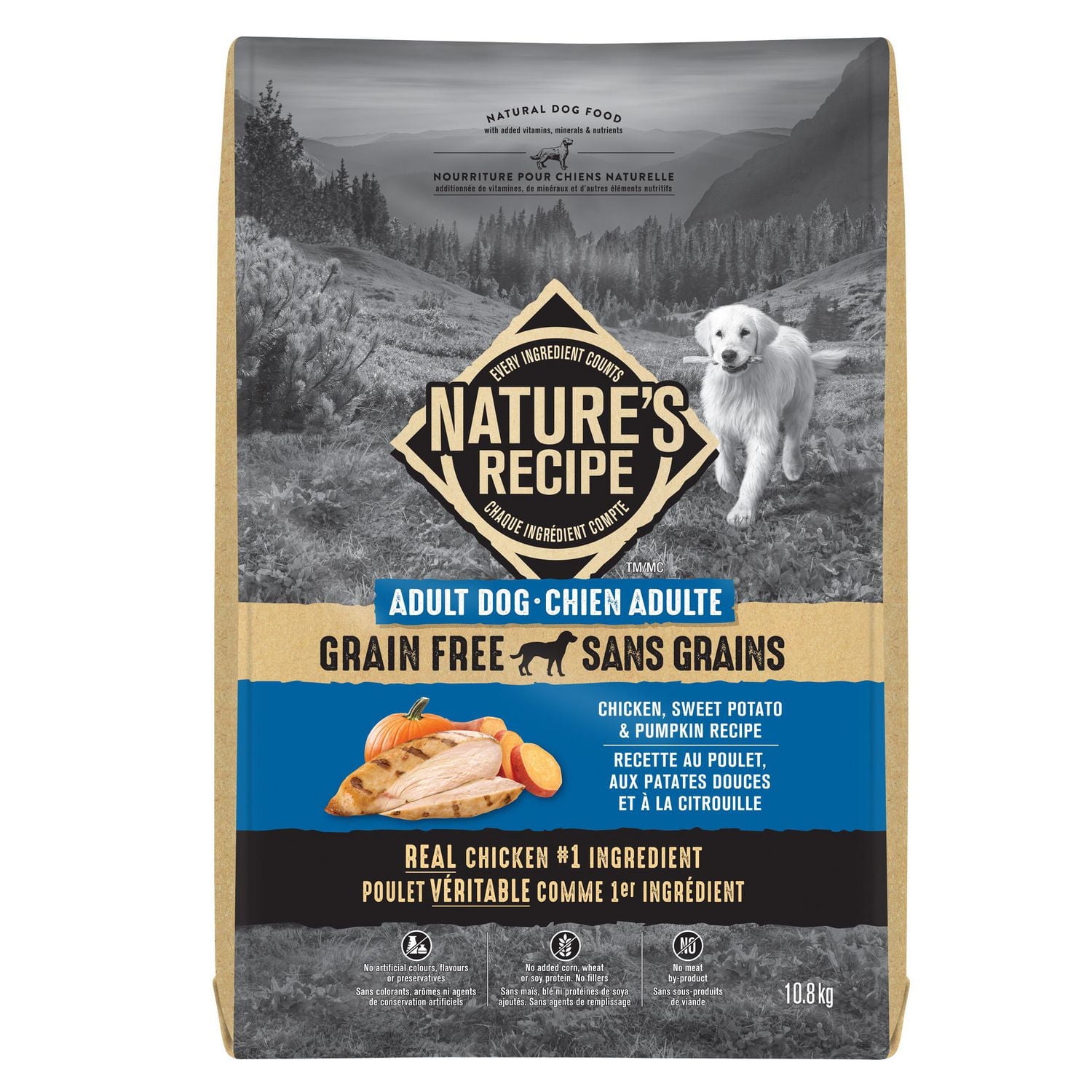
- Potatoes and Sweet Potatoes:Great sources of carbohydrates and fiber.
- Pulses (peas, lentils, chickpeas):Provide protein and fiber, supporting digestion.
- Meat and Fish:Primary protein sources that support muscle health and energy.
- Vegetables:Add vitamins, minerals, and antioxidants for overall well-being.
Have you noticed how your dog’s energy or coat improves with these ingredients? Sometimes, the right mix of non-grain foods can make a big difference in your dog’s happiness and health.

Credit: www.lilyskitchen.co.uk
Benefits For Dogs
Switching your dog to a grain free diet can bring noticeable changes to their health and happiness. Many dog owners have seen firsthand how removing grains from their pet’s meals can lead to positive results. Let’s look at some key benefits your dog might experience with this diet.
Improved Digestion
Grains can sometimes cause digestive upset in dogs, leading to bloating, gas, or diarrhea. A grain free diet often includes more protein and fewer fillers, which can be easier for your dog’s stomach to handle. Have you noticed your dog’s stools becoming firmer or their tummy less gurgly after a diet change?
Reduced Allergies
Many dogs are allergic or sensitive to grains, which can cause itching, ear infections, or constant scratching. Removing grains from their diet can reduce these allergy symptoms significantly. If your dog’s skin looks less irritated or their ears are cleaner, a grain free diet might be the reason.
Better Skin And Coat
The quality of your dog’s coat often reflects their diet. Grain free foods usually contain higher-quality fats and proteins that nourish skin and fur. You might see your dog’s coat become shinier and softer, which means they’re not just eating better—they’re looking better too.
Increased Energy Levels
Dogs on grain free diets sometimes show more energy and enthusiasm during playtime or walks. Without grains, their bodies may use protein and fats more efficiently for fuel. Have you ever watched your dog seem more lively and eager after a meal change? That extra pep could come from what they’re eating.
Potential Risks
Choosing a grain-free diet for dogs might seem like a healthy option. But it’s important to be aware of potential risks. These risks can affect your dog’s well-being and nutrition.
Nutritional Deficiencies
Grain-free diets often lack essential nutrients. Grains provide vitamins and minerals dogs need. Without these, dogs may face nutritional gaps. Some grain-free foods replace grains with potatoes or legumes. These may not offer the same nutritional value as grains.
Heart Health Concerns
Grain-free diets have been linked to heart problems in dogs. The FDA has investigated the connection with canine dilated cardiomyopathy (DCM). This condition affects the heart’s ability to pump blood. Dogs on grain-free diets may be at a higher risk.
Cost And Availability
Grain-free dog foods can be more expensive. This could strain your budget over time. Availability can also be an issue. Not all stores carry a wide range of grain-free options. This limits choices for pet owners.

Credit: www.amazon.ca
Choosing The Right Food
Choosing the right grain-free food for your dog can feel overwhelming. There are so many options, and not all grain-free diets are created equal. Understanding what to look for helps you pick the best option that supports your dog’s health and happiness.
Checking Ingredient Lists
Look closely at the ingredient list on the dog food package. Grain-free means no wheat, corn, or rice, but it doesn’t always mean the food is healthy. Some brands replace grains with fillers like potatoes or peas, which might not suit every dog.
Focus on whole food ingredients like real meat, vegetables, and fruits. If you see vague terms like “meat meal” or “animal by-products,” be cautious. Clear, specific ingredients often mean better quality.
Consulting Your Vet
Your vet knows your dog’s health history better than anyone. They can guide you on whether a grain-free diet is right based on allergies, digestion issues, or medical conditions. Don’t hesitate to ask about specific brands or nutrient balances.
Sometimes, switching to grain-free might not be necessary or could even cause problems. Your vet’s advice ensures you don’t make changes that could harm your dog’s wellbeing.
Reading Product Labels
Product labels contain crucial information beyond the ingredient list. Check for nutritional adequacy statements to make sure the food meets your dog’s life stage needs. Also, look for certifications from organizations like AAFCO.
Watch out for added sugars, artificial flavors, or preservatives. These can sneak into grain-free products and affect your dog’s health negatively. Reading labels carefully helps you avoid hidden ingredients.
Transitioning Your Dog
Transitioning your dog to a grain-free diet takes patience and attention. Sudden changes can upset your pet’s stomach or cause refusal to eat. Taking the right steps ensures a smoother switch and better health results for your furry friend.
Gradual Diet Changes
Start by mixing a small amount of the grain-free food with your dog’s current diet. Over 7 to 10 days, slowly increase the grain-free portion while decreasing the old food.
This gradual approach helps your dog’s digestive system adjust without shock. Have you noticed how some dogs resist new foods at first? Patience here can save stress for both of you.
Monitoring Health
Watch your dog closely during the transition. Look for changes in energy, stool consistency, and appetite.
Keep a journal or notes to track any reactions. This helps you spot patterns and decide if the new diet suits your dog well.
Signs Of Improvement Or Issues
Positive signs include shinier coat, less itching, and better digestion. If your dog shows vomiting, diarrhea, or lethargy, slow down the transition or consult your vet.
Remember, each dog reacts differently. Are you ready to notice the subtle changes that tell you if this diet is right for your companion?
Homemade Grain Free Meals
Making homemade grain free meals for your dog lets you control exactly what goes into their bowl. You can tailor meals to suit your dog’s taste and dietary needs, especially if they have allergies or sensitivities to grains. Plus, preparing food at home can be a rewarding way to strengthen your bond with your furry friend.
Safe Ingredients To Use
Choosing the right ingredients is key to a healthy grain free diet. Stick to lean meats like chicken, turkey, or beef as your protein base. Vegetables such as sweet potatoes, carrots, and green beans provide essential vitamins without any grains.
Avoid toxic foods like onions, garlic, and certain nuts. Always wash vegetables thoroughly and cook meats properly to keep your dog safe. Have you checked your pantry recently for hidden grain ingredients that might sneak into your dog’s food?
Balancing Nutrients
Your dog needs more than just protein and veggies. Calcium, fats, and vitamins are equally important. Adding crushed eggshells or a dog-safe supplement can provide the calcium your dog needs for strong bones.
Healthy fats from fish oil or flaxseed support shiny coats and brain function. Make sure to include a variety of ingredients to cover all nutrient bases. Could your dog’s current diet be missing these crucial elements?
Sample Recipes
| Recipe | Ingredients | Preparation |
|---|---|---|
| Chicken and Sweet Potato |
| Mix all ingredients and serve at room temperature. |
| Beef and Veggie Mix |
| Combine and cool before serving. |
Trying these recipes can help you see how easy and tasty grain free meals can be. What new ingredients might you want to introduce to your dog’s diet today?
Common Myths
Many people believe certain things about grain free diets for dogs that are not true. These common myths can confuse dog owners. Knowing the facts helps you make the best choice for your dog’s health. Let’s clear up some of the most popular myths about grain free diets.
Grain Free Means Healthier
Grain free does not always mean healthier. Some grain free dog foods use more fillers like potatoes or peas. These ingredients can cause weight gain if fed too much. Dogs need balanced nutrition from protein, fats, and carbs.
Grains like rice and oats provide energy and fiber. Removing grains alone does not improve health. Always check the full list of ingredients and nutrient levels.
All Dogs Need Grain Free Diets
Not all dogs need a grain free diet. Most dogs digest grains well without issues. Grain free diets are useful only for dogs with grain allergies or sensitivities.
Feeding grain free food without a medical reason may cause nutrient imbalance. Talk to your vet before switching your dog’s diet.
Grains Always Cause Allergies
Grains rarely cause allergies in dogs. Allergies are often linked to proteins like beef or chicken. Grain allergies are uncommon and usually not the main problem.
True food allergies affect less than 10% of dogs. Most dogs can safely eat grains without problems. Watch for symptoms like itching or digestive upset, and consult your vet.
Credit: www.walmart.ca
Frequently Asked Questions
What Is A Grain Free Diet For Dogs?
A grain free diet excludes wheat, corn, rice, and barley. It focuses on proteins and vegetables to improve digestion and reduce allergies.
Are Grain Free Diets Healthier For All Dogs?
Not necessarily. Grain free diets help dogs with allergies or sensitivities but may not benefit all dogs equally.
Can Grain Free Diets Cause Health Risks In Dogs?
Some studies link grain free diets to heart issues in dogs. Always consult your vet before making diet changes.
How To Transition My Dog To A Grain Free Diet?
Gradually mix grain free food with current food over 7-10 days to avoid digestive upset and ensure acceptance.
Conclusion
A grain free diet for dogs focuses on removing grains like wheat and corn. Many dogs may benefit from this diet, especially those with allergies. It can help improve digestion and skin health. Always check with a vet before making changes.
Balanced nutrition remains important for your dog’s wellbeing. Choosing the right food supports a happy, healthy pet. Each dog is unique, so watch how yours reacts. Healthy choices lead to a better life for your furry friend. Simple steps can make a big difference.