
Are you wondering when your Labrador puppy should start eating adult dog food? It’s a question every Lab owner faces as their furry friend grows.
Feeding your puppy the right food at the right time is crucial for their health and development. If you switch too early, your puppy might miss out on essential nutrients. Wait too long, and they could gain unnecessary weight or miss growth milestones.
You’ll discover the perfect timing to make the change, signs to watch for, and tips to make the transition smooth for your Lab. Keep reading to ensure your puppy gets the best start in life!

Credit: pupford.com
Puppy Nutrition Basics
Understanding the basics of puppy nutrition is essential for every Lab owner. Your puppy’s growth and development depend heavily on the quality of food you provide. Knowing what nutrients your Lab needs and how they differ from adult dogs can help you make the right choices.
Nutritional Needs Of Lab Puppies
Lab puppies require more calories and specific nutrients than adult dogs because they are growing rapidly. Protein is crucial to support muscle development, while fats provide the energy needed for their playful nature.
Vitamins and minerals like calcium and phosphorus play a vital role in building strong bones. An unbalanced diet can lead to health issues, so feeding your Lab the right puppy food is important during this phase.
Differences Between Puppy And Adult Food
Puppy food is specially formulated with higher protein, fat, and calorie content to meet the demands of growth. Adult dog food, on the other hand, focuses on maintaining health and preventing obesity.
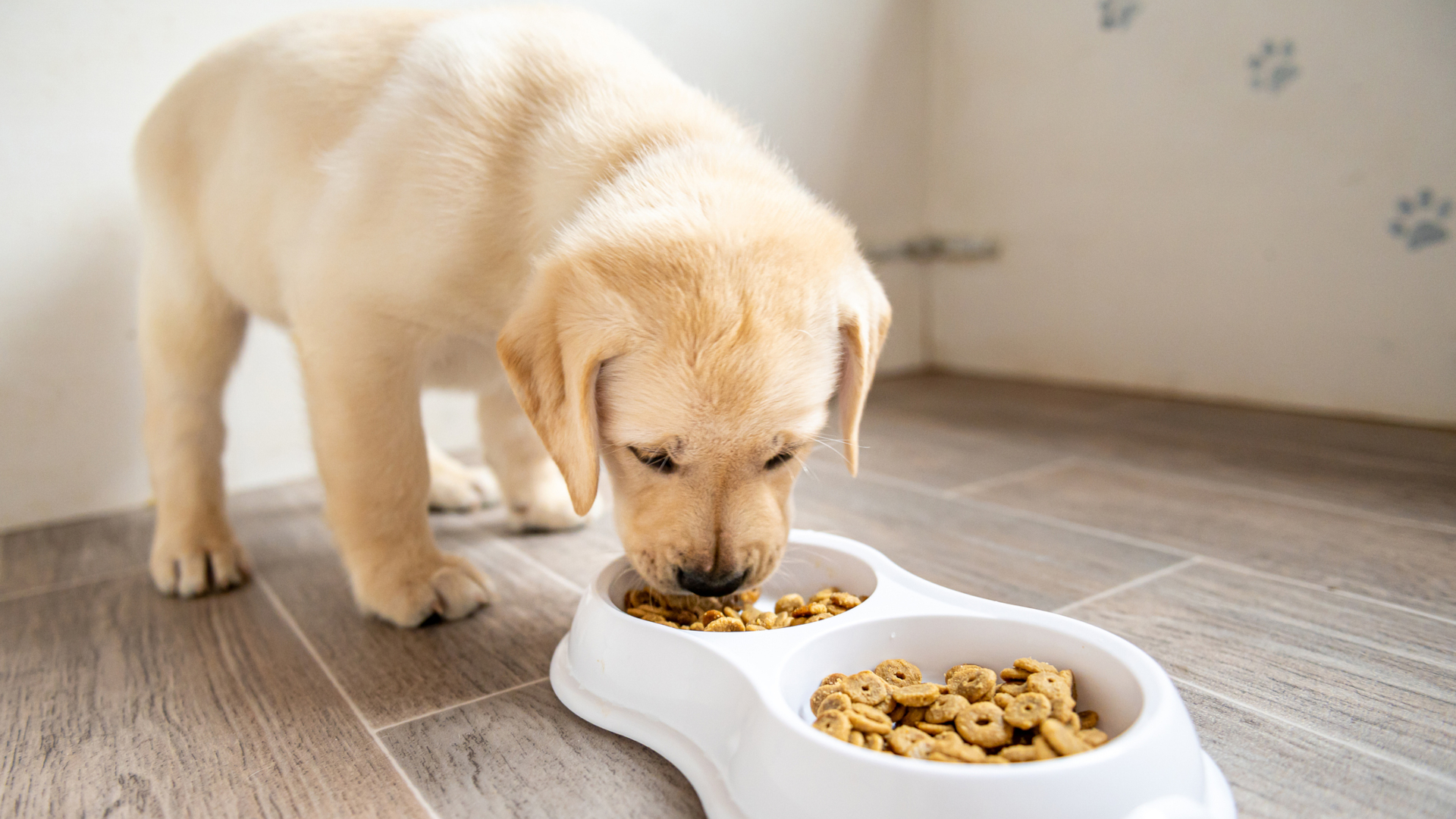
You’ll notice puppy food often has smaller kibble sizes, making it easier for young dogs to chew. The nutrient ratios also differ—adult formulas have less fat and protein to avoid overfeeding and related health problems.
Credit: www.petsradar.com
Signs Your Puppy Is Ready
Knowing when your Lab puppy is ready to switch from puppy food to adult dog food is important for their health and growth. Watching for clear signs helps you avoid feeding them too early or too late. These signs often show up in their physical development, behavior, and advice from your vet.
Physical Growth Milestones
Your Lab puppy’s body will give you clues about their readiness. When they reach about 80% of their expected adult size, it’s often time to consider the change. Labs typically hit this milestone around 9 to 12 months old, but every puppy is different.
Look at their teeth too. By 6 to 7 months, most puppies have lost their baby teeth and grown adult teeth. This change means their digestive system is more mature and can handle adult food better.
Behavioral Changes
Notice how your puppy acts during meals and playtime. If they start eating less frequently or seem less energetic after meals, it may mean their nutritional needs are shifting. Puppies often become less hyperactive as they near adulthood, reflecting changes in metabolism.
Also, watch their interest in food. Some puppies get picky as they grow and may prefer the taste or texture of adult food. If your Lab seems bored with puppy food, this could be a sign they’re ready for the next step.
Veterinary Recommendations
Your vet’s input is crucial in deciding when to switch foods. They can assess your puppy’s weight, growth rate, and overall health during checkups. If your Lab is overweight or underweight, your vet may suggest adjusting their diet accordingly.
Always ask your vet about specific brands or formulas suited for your Lab’s age and lifestyle. They can recommend the best time frame and help you transition gradually to avoid digestive upset. Have you discussed your puppy’s diet plan with your vet yet?
Ideal Transition Time
Transitioning your lab puppy from puppy food to adult dog food is a significant step in their growth journey. It’s essential to make this switch at the right time to ensure your furry friend continues to receive the necessary nutrients for their development. Knowing when to transition can be a bit tricky, but by following some age guidelines and understanding the best approach for change, you can make this process seamless and beneficial for your pup.
Age Guidelines For Switching Food
Most lab puppies are ready to transition to adult dog food between 12 to 18 months of age. This range allows for individual growth rates, as some labs mature faster than others. Always consult your veterinarian to determine the specific needs of your puppy.
Early maturity might tempt you to switch sooner, but it’s crucial to ensure your puppy’s nutritional needs are met during this critical growth phase. Puppies need more calories, proteins, and fats compared to adult dogs.
Gradual Vs. Immediate Change
Changing your lab puppy’s diet should be a gradual process rather than an immediate switch. A sudden change can upset their digestive system, leading to discomfort or even health issues.
Begin by mixing a small amount of adult dog food with their usual puppy food. Gradually increase the proportion of adult food over a week or two. Observe your puppy for any signs of digestive upset, and adjust the transition pace if needed.
Have you ever noticed how your puppy reacts to new treats? They might be curious at first but need time to adjust. The same principle applies to changing their main diet.
Consider your puppy’s preferences and monitor their acceptance of the new food. Each dog is unique, and while some may adapt quickly, others might need more time. Patience and observation are key to a successful transition.
Credit: www.petco.com
How To Switch To Adult Food
Switching your Lab puppy to adult dog food is a key moment in their growth journey. It requires careful attention to make sure the transition is smooth and comfortable. Doing it right helps avoid digestive issues and ensures your dog gets the nutrients needed for their new stage of life.
Mixing Puppy And Adult Food
Start by mixing a small amount of adult food with your puppy’s current food. This gradual blend helps your Lab adjust to the new taste and texture without overwhelming their system.
Try a ratio like 75% puppy food and 25% adult food for a few days. Then, slowly increase the adult food portion over one to two weeks until you are feeding only adult food.
Have you noticed how your puppy reacts to new flavors? Some Labs might be picky, so mixing foods can make the switch easier for them.
Monitoring Digestive Response
Watch for signs like loose stools, vomiting, or changes in appetite during the transition. These symptoms can indicate your puppy’s digestive system needs more time to adjust or a different food balance.
Keep a daily journal of your puppy’s digestion and behavior. This helps you quickly spot any issues and decide whether to slow down the switch or try a different adult formula.
What’s your puppy’s usual digestive pattern? Understanding this baseline is critical to recognizing any concerns early.
Adjusting Portion Sizes
Your Lab’s energy needs will change as they grow out of puppyhood. Adult dog food typically has different calorie content, so portions must be adjusted accordingly.
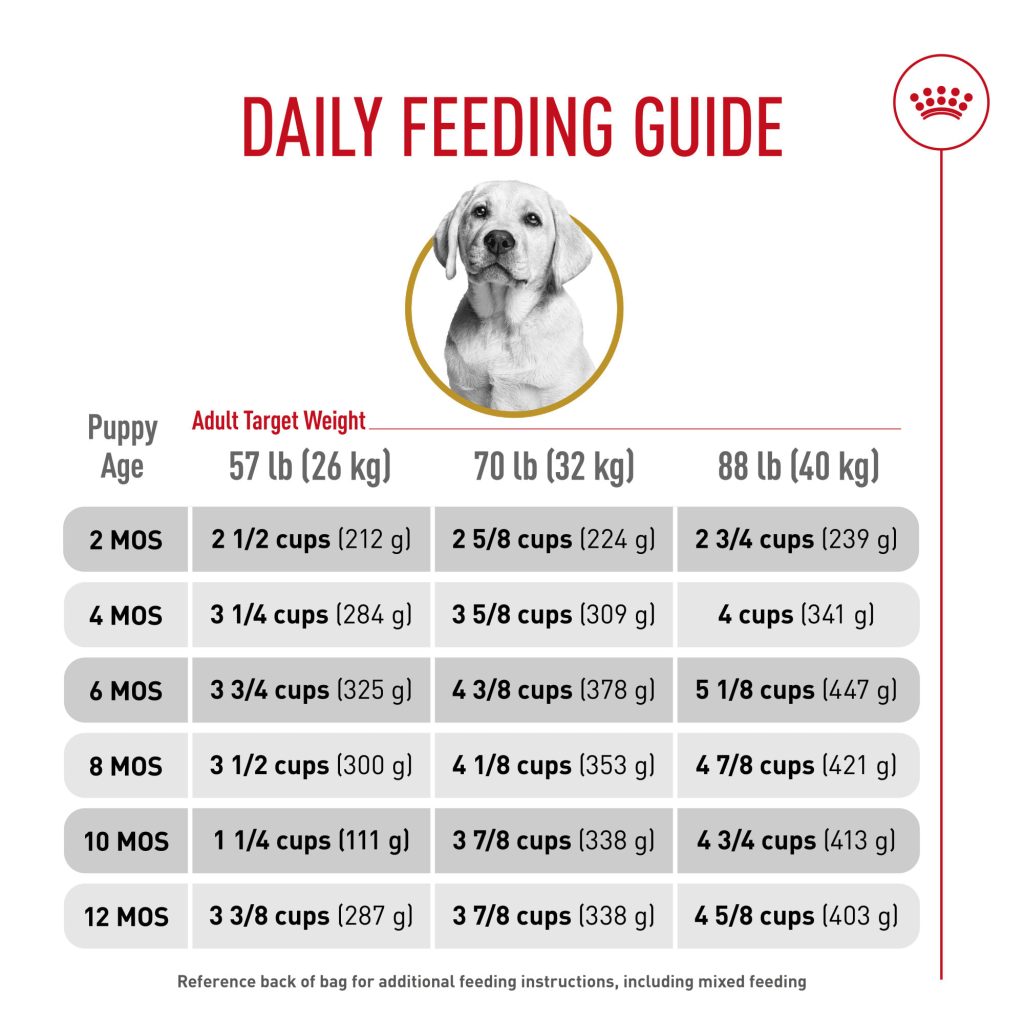
Use the feeding guidelines on the adult food packaging as a starting point, but tailor portions based on your dog’s weight and activity level. Overfeeding can lead to weight gain, while underfeeding may cause nutrient deficiencies.
Have you measured your puppy’s weight recently? Regular weigh-ins help keep portions on track for healthy growth.
Common Mistakes To Avoid
Switching your Labrador puppy to adult dog food is a crucial step that requires careful timing and attention. Many pet owners make avoidable errors that can affect their puppy’s growth and health. Recognizing these common mistakes helps you make better choices and ensures your dog thrives during this transition.
Switching Too Early Or Late
Changing your Lab’s diet too early can mean missing out on essential nutrients designed specifically for growing puppies. Adult dog food lacks the right balance of calories, vitamins, and minerals needed for healthy development.
On the other hand, waiting too long to switch can lead to overeating and obesity, since puppy food is richer and more calorie-dense. Have you checked your puppy’s breed-specific growth milestones recently? These can guide you on the best timing.
Try to observe your dog’s age and weight rather than relying solely on generic guidelines. Every dog is different, and Labradors, being larger breeds, often need a bit more attention to this timing.
Ignoring Puppy’s Health Signals
Your puppy will give you clear signs if the food isn’t right—don’t ignore them. Digestive issues like vomiting, diarrhea, or constipation often point to dietary problems during the switch.
Changes in energy levels or coat quality are subtle yet important hints. If your Lab seems lethargic or if its fur looks dull, it might be time to reconsider the food or consult your vet.
Think about how your puppy reacts after meals. Are they eager for the food or hesitant? Paying attention to these clues can save you from long-term health issues.
Special Considerations For Lab Retrievers
Lab Retrievers have unique needs that affect their diet transition from puppy to adult food. Their size and activity influence the right time to switch. Paying attention to these factors helps keep Labs healthy and strong.
Growth Rate And Size Factors
Labs grow fast during their first year. Their bones and muscles develop rapidly. Switching to adult food too early can cause nutrient imbalances. Wait until their growth slows, usually around 12 months. Large breeds like Labs need diets supporting joint health. Puppy food has extra calcium and protein for growth. Adult formulas focus more on maintaining health than building it.
Activity Level And Energy Needs
Labs are active dogs with high energy. They burn more calories than less active breeds. Puppy food provides higher calories to fuel their play and learning. Adult food has fewer calories to prevent weight gain. Adjust feeding based on your Lab’s daily activity. Active Labs may need adult food later than less active ones. Monitoring weight and energy helps decide the best time to switch.
Frequently Asked Questions
When Should A Lab Puppy Start Eating Adult Dog Food?
Lab puppies should start adult dog food around 12 months old. Transition gradually over 7-10 days to avoid digestive issues. Consult your vet for specific timing based on growth and health.
Why Transition Lab Puppies To Adult Dog Food?
Adult dog food supports mature Labs’ energy and nutrient needs. Puppy food is richer to support growth, but adult food helps maintain healthy weight and muscle in adult dogs.
How To Switch A Lab Puppy To Adult Food Safely?
Mix increasing amounts of adult food with puppy food over 7-10 days. Monitor for digestive upset and adjust pace if needed. Always provide fresh water during the transition.
Can Feeding Adult Food Too Early Harm A Lab Puppy?
Yes, feeding adult food too early can cause nutrient deficiencies. Puppy food has higher protein and fat crucial for growth. Premature switch may stunt development or cause health issues.
Conclusion
Switching your Lab puppy to adult dog food takes time and care. Start around one year old, when growth slows. Watch your puppy’s weight and energy to guide the change. Mix adult food gradually with puppy food to help digestion.
This keeps your Lab healthy and strong. Proper nutrition supports a happy, active dog life. Remember, every puppy is unique. Adjust feeding based on your Lab’s needs and vet advice. Feeding right today means a healthier dog tomorrow. Simple steps lead to lifelong health for your Lab.