
Are you wondering when the right time is to switch your Cavalier to adult dog food? Feeding your furry friend the right diet at the right age is crucial for their health and happiness.
If you switch too early or too late, it can affect their growth, energy, and overall well-being. You’ll discover clear signs and simple tips to know exactly when your Cavalier should make the move to adult food. Keep reading to make the best choice for your loyal companion’s health and vitality.
Cavalier Growth Stages
The growth stages of a Cavalier King Charles Spaniel are important to understand for proper feeding. Each stage has unique nutritional needs. Feeding the right food at the right time supports healthy development and overall well-being.
Knowing when to switch from puppy food to adult food depends on the dog’s growth progress. Monitoring physical milestones helps decide the best time for this change. This ensures your Cavalier gets balanced nutrition at every stage.
Puppy Phase Duration
The puppy phase usually lasts until 12 months of age for Cavaliers. Some small dogs may mature a bit faster, around 9 months. During this time, puppies need food rich in protein and fat. This supports their rapid growth and energy levels.
Switching to adult food too early can slow growth. Too late can cause excess weight gain. Watch your dog’s behavior and size to find the right moment.
Physical Development Milestones
- By 8 weeks: Puppies begin teething and eating solid food.
- At 3 months: Stronger muscles and improved coordination develop.
- 6 months: Puppy looks more like an adult but still growing.
- 9 to 12 months: Growth slows; bones and joints strengthen.
These milestones show when a Cavalier is ready for adult food. Proper nutrition supports healthy bones and a shiny coat. Adjust feeding as your dog grows to keep them healthy and active.
Nutritional Needs By Age
Understanding your Cavalier’s nutritional needs at different stages of life is key to keeping them healthy and happy. Their diet should change as they grow, reflecting shifts in energy levels, growth rate, and overall health. Knowing when to switch from puppy food to adult food ensures they get the right nutrients without overfeeding or undernourishing.
Puppy Diet Essentials
Puppy food is specially designed to support rapid growth and development. It contains higher protein and fat levels to fuel energy and build strong muscles and bones.
Look for foods rich in DHA, an omega-3 fatty acid that supports brain and eye development. Puppies also need balanced calcium and phosphorus for healthy bone growth.
Feeding your Cavalier puppy the right diet helps prevent future health problems. Have you noticed how energetic your puppy is after meals? That’s a sign their food is doing its job.
Adult Dog Nutritional Requirements
Once your Cavalier reaches about 12 months old, it’s time to switch to adult dog food. Adult diets have fewer calories and fat to prevent weight gain as their growth rate slows.
Protein remains important but in moderate amounts to maintain muscle without stressing organs. Look for food with antioxidants to support immune health and joint supplements like glucosamine.
Does your dog stay active or prefer lounging? Adjust portion sizes and feeding frequency based on activity to keep their weight in check. Feeding adult food at the right time helps your Cavalier thrive through each stage of life.
Signs Your Cavalier Is Ready
Knowing when to switch your Cavalier King Charles Spaniel to adult dog food is crucial for their health. Puppies and adults have different nutritional needs, so feeding the right food at the right time supports their growth and energy. Watch for clear signs that your Cavalier is ready to make this change.
Weight And Size Indicators
One of the easiest ways to know if your Cavalier is ready for adult food is by checking their weight and size. Typically, Cavaliers reach their adult size between 9 and 12 months. If your dog has stopped growing taller and is maintaining a steady weight, it’s a good sign they’re ready.
Feel their ribs gently; you should be able to feel them without pressing hard, but they shouldn’t be visible. Overweight or underweight dogs might need a tailored feeding plan, so consult your vet if you’re unsure. Tracking their growth on a weekly basis can help you spot the right moment to switch.
Behavioral Changes
Behavior can tell you a lot about your Cavalier’s readiness for adult food. As puppies, they tend to be more energetic and sometimes picky eaters. When they start showing more settled behavior and a consistent appetite, it may indicate they are ready for adult food.
Have you noticed your Cavalier eating less frequently or being less hyperactive? These changes can signal their metabolism is adjusting from rapid growth to maintenance. Make sure to observe their energy levels closely—if they seem lethargic after switching, you might need to tweak their diet.
Credit: cavalierhealth.org
Ideal Timing For Food Transition
Knowing the right time to switch your Cavalier King Charles Spaniel from puppy food to adult dog food is crucial for their health. Transitioning too early or too late can affect their growth and energy levels. Understanding the ideal timing helps you support your dog’s development and maintain their wellbeing.
Age Benchmarks
Cavalier puppies typically reach adulthood around 12 months of age. This is when their rapid growth phase slows down, and nutritional needs begin to change.
Smaller breeds like Cavaliers mature faster than large breeds, so waiting beyond one year might lead to unnecessary calorie intake. However, some vets suggest a window between 10 and 12 months to start considering adult food.
Ask yourself: Is your dog showing signs of slowing growth and reduced activity? These are good indicators that they may be ready for adult food.
Gradual Switching Process
Switching your Cavalier’s diet abruptly can upset their stomach or cause refusal to eat. Instead, mix a small amount of adult food into their puppy food at first.
Over 7 to 10 days, gradually increase the adult food portion while decreasing the puppy food. This gentle transition helps your dog adjust to new tastes and nutrients without stress.
- Start with 25% adult food and 75% puppy food
- Move to 50% adult food and 50% puppy food after 3 days
- Progress to 75% adult food and 25% puppy food by day 7
- After 10 days, feed 100% adult food
Have you noticed your dog’s eating habits changing during this switch? Adjust the pace if needed, but keep the process slow and steady to avoid digestive issues.
Choosing The Right Adult Dog Food
Cavalier dogs usually switch to adult food around one year old. This change supports their growth and energy needs. Feeding the right food helps keep them healthy and active.
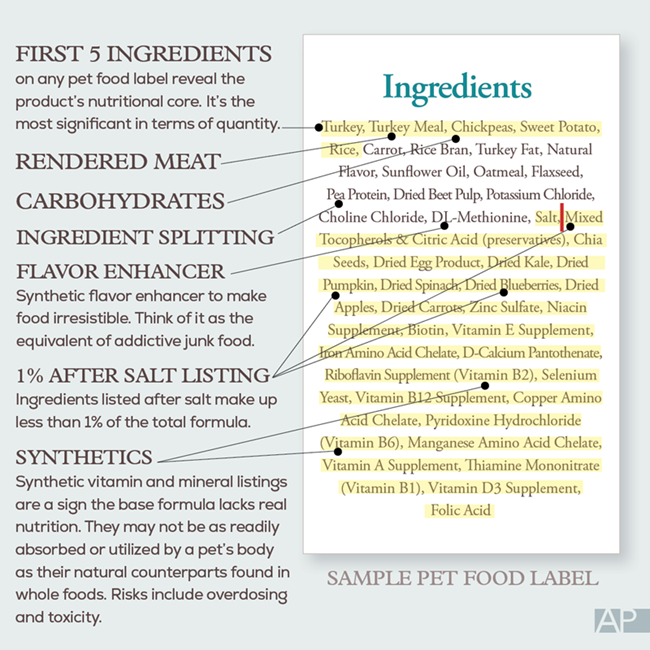
Choosing the right adult dog food for your Cavalier is vital. A well-balanced diet supports their health, energy, and happiness. Adult food needs differ from puppy food. It should meet specific nutritional needs. Consider factors like ingredients, brand reputation, and your dog’s preferences. Making an informed choice enhances your Cavalier’s wellbeing.Key Ingredients To Look For
Focus on quality proteins like chicken or fish. These support muscle health. Look for whole grains such as brown rice. They provide energy and aid digestion. Essential fatty acids, like omega-3 and omega-6, are crucial. They keep the coat shiny and support brain health. Include antioxidants for a strong immune system. Vitamins E and C are beneficial.Avoiding Common Pitfalls
Watch out for artificial preservatives. They can harm your dog’s health. Avoid fillers like corn and soy. They add calories but little nutrition. Be cautious with by-products. They might indicate lower quality. Check for excessive salt or sugar. They can lead to health issues. Ensure the food matches your dog’s age and activity level. An imbalance can affect their health.
Credit: www.petco.com
Feeding Tips For A Smooth Change
Changing your Cavalier’s diet to adult food needs care. Sudden changes can upset their stomach and cause discomfort. A smooth transition helps your dog adjust easily and stay healthy. Follow some key feeding tips to make this change safe and comfortable.
Monitoring Digestive Health
Watch your dog’s stool and bathroom habits closely. Soft stools or diarrhea can signal digestive issues. A healthy dog should have firm, regular bowel movements. Check for signs like vomiting or loss of appetite. These may mean the new food is not agreeing with them. If problems last more than a few days, contact your vet.
Adjusting Meal Portions
Start by mixing a small amount of adult food with puppy food. Gradually increase the adult food portion over 7 to 10 days. This helps the digestive system adapt to new ingredients. Avoid feeding too much at once to prevent stomach upset. Keep portions balanced to maintain your dog’s ideal weight and energy.
Veterinarian Recommendations
Deciding the right time to switch your Cavalier King Charles Spaniel to adult dog food is a key step in supporting their health and growth. Veterinarians offer valuable guidance tailored to your dog’s unique needs, helping you make informed choices rather than guessing. Their advice often goes beyond just age milestones, focusing on your dog’s overall well-being.
Regular Health Checks
Scheduling regular health checks with your vet ensures your Cavalier’s development is on track. These visits allow your vet to monitor weight, dental health, and energy levels—important clues to whether your dog is ready for adult food. You might notice your pup’s appetite changes or energy stabilizes, signaling a shift in nutritional needs.
During these checkups, vets can catch early signs of health issues that might require a special diet. Have you noticed your dog gaining or losing weight unexpectedly? Bringing these concerns up during visits helps your vet adjust feeding recommendations promptly.
Personalized Feeding Advice
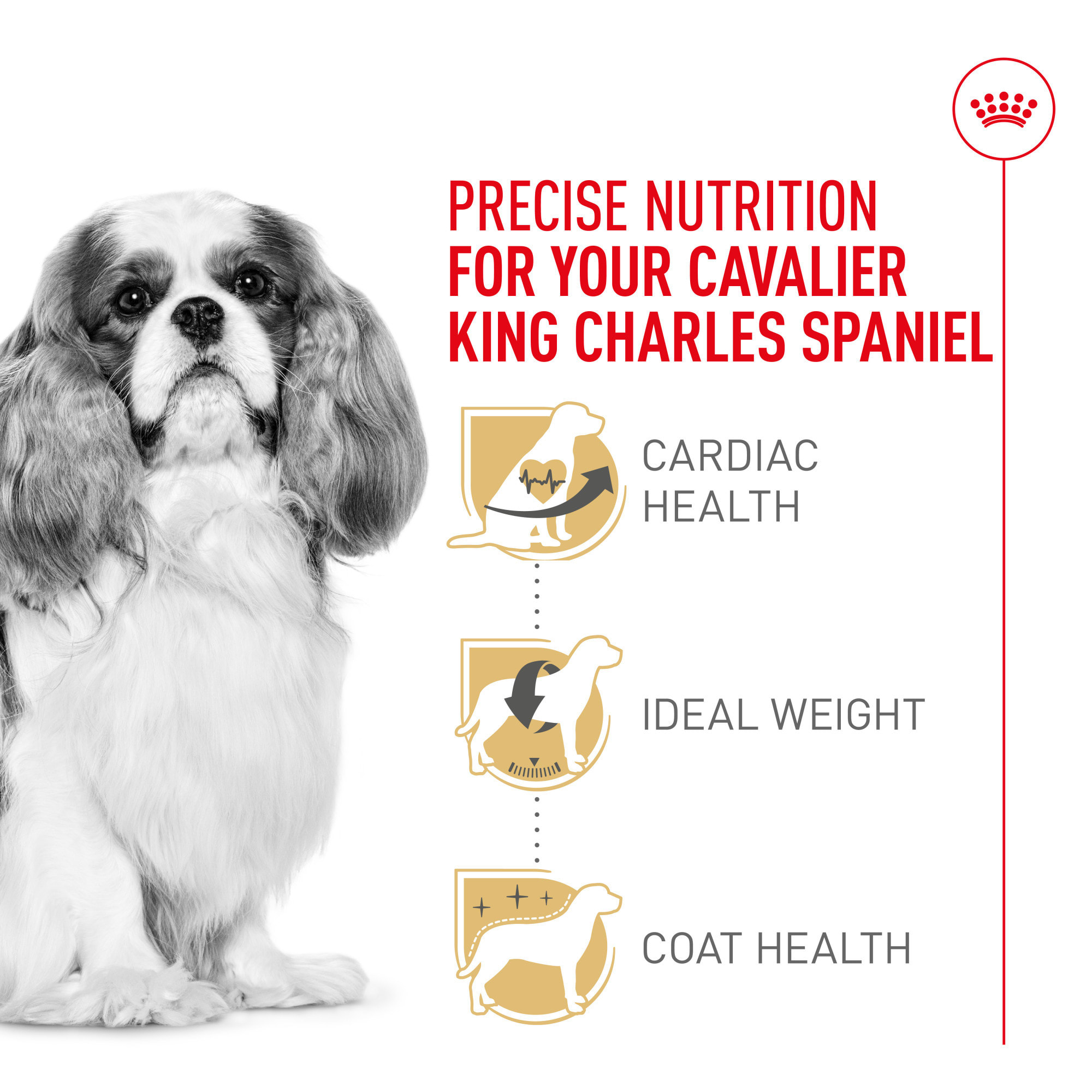
Every Cavalier is different, so vets often provide feeding advice tailored to your dog’s size, activity, and health status. Your vet might suggest starting adult food anywhere from 9 months to 1 year, depending on growth patterns and breed specifics. They’ll also recommend the best types of adult food, emphasizing balanced nutrients to support heart health, a common concern in Cavaliers.
Think about your dog’s unique needs—do they need a formula for sensitive digestion or joint support? Your vet’s personalized advice can help you select food that fits those needs perfectly. This approach prevents common feeding mistakes, like switching too early or too late, which can affect your dog’s health long-term.
Credit: www.petco.com
Frequently Asked Questions
When Should I Switch My Cavalier To Adult Dog Food?
Switch your Cavalier to adult dog food at about 12 months old. This timing supports their growth and energy needs. Puppy food is rich in calories for development, while adult food maintains health without excess calories.
How To Choose The Best Adult Dog Food For Cavaliers?
Select adult dog food with balanced protein, fats, and essential nutrients. Look for high-quality ingredients like real meat. Avoid fillers and artificial additives. Choose formulas designed for small to medium breeds to support your Cavalier’s size and metabolism.
Can Feeding Adult Food Too Early Harm My Cavalier?
Yes, feeding adult food too early can lead to nutrient deficiencies. Puppies need higher calories and nutrients for growth. Switching too soon might stunt development or cause digestive issues. Always follow your vet’s advice for the right feeding time.
What Signs Indicate My Cavalier Is Ready For Adult Food?
Your Cavalier is ready when they reach one year old and show slower growth. They may also have fewer energy bursts compared to puppyhood. Healthy weight and stable appetite are good indicators to transition to adult food.
Conclusion
Feeding your Cavalier adult food at the right time helps keep them healthy. Watch for signs like age and weight changes. Puppies grow fast and need puppy food first. Switch to adult food around one year old. This change supports their energy and body needs.
Always choose good quality food for your dog. Regular vet visits also guide feeding choices. Feeding well means a happy, active Cavalier. Simple steps make a big difference in your dog’s life.