
Knowing exactly when to switch your dog to adult food can make a big difference in their health and happiness. You want to give your furry friend the right nutrients at the right time, but it’s not always clear when that moment arrives.
Are you wondering if your pup is ready for adult dog food or if you should wait a little longer? Keep reading, because understanding the perfect timing will help you support your dog’s growth, energy, and overall well-being. This guide will give you simple, clear answers so you can make the best choice for your loyal companion.
Credit: www.purina.com
Signs Your Dog Is Ready
Recognizing the right moment to switch your dog to adult food can make a big difference in their health and happiness. Dogs don’t all grow at the same pace, so you’ll need to look for clear signs that your furry friend is ready. Paying attention to their age, behavior, and physical growth will help you make the best decision for their diet.
Age Milestones
Most dogs are ready to start adult food between 9 and 12 months old, but this varies by breed size.
- Small breedsoften mature faster and may be ready closer to 9 months.
- Large breedsmay need puppy food longer, sometimes up to 18 months.
Have you checked your dog’s breed-specific growth chart? This can give you a clearer timeline tailored to their needs.
Behavioral Changes
Changes in your dog’s behavior can signal they’re ready for adult food.
- Less hyperactivity and more calmness often indicate maturity.
- Shifts in appetite or food preferences might mean their nutritional needs are changing.
Notice if your dog is finishing meals faster or showing disinterest in puppy food—that’s a clue to consider switching.
Physical Development
Your dog’s body changes can tell you if it’s time to transition.
- Look for signs like a full adult coat and stable weight.
- Teeth should be fully developed and strong, ready for adult kibble texture.
When your dog stops growing taller or gaining significant weight, it’s a strong indicator their diet should shift.
Credit: www.petsmart.com
Differences Between Puppy And Adult Food
Puppy food and adult dog food have clear differences. These differences match the changing needs of growing dogs. Puppies need more energy and nutrients to support their fast growth. Adult dogs require balanced nutrition for maintenance and health. Understanding these differences helps decide the right time to switch foods.
Nutritional Needs
Puppies need more protein and fat than adult dogs. Protein helps build strong muscles and tissues. Fat provides energy for their active lifestyle and growth. Adult dogs need fewer calories but still require quality protein. Their food focuses on maintaining weight and supporting overall health.
Caloric Content
Puppy food contains higher calories per serving. This extra energy supports rapid growth and play. Adult dog food has fewer calories to prevent weight gain. Feeding adult food to puppies can slow their growth. Feeding puppy food to adults can cause obesity.
Ingredient Variations
- Puppy food often contains added DHA for brain development.
- More vitamins and minerals support bone and immune health.
- Adult food focuses on balanced nutrients for long-term health.
- Some adult formulas include ingredients for joint support.
Ideal Transition Process
Switch your dog to adult food around their first birthday or when growth slows. Gradually mix adult food with puppy food over two weeks for a smooth change. This helps your dog adjust and avoid stomach upset.
Transitioning your dog from puppy food to adult dog food is a critical step in their development. The ideal transition process ensures a smooth change that minimizes the risk of digestive issues. It’s not just about swapping out the food; it’s about making sure your dog adapts seamlessly to their new diet.Gradual Food Mixing
Begin by mixing a small amount of adult dog food with your dog’s current puppy food. Gradually increase the proportion of adult food over a period of 7 to 10 days. This slow transition helps your dog’s digestive system adjust without causing an upset stomach.Monitoring Digestive Health
Keep a close eye on your dog’s digestive health during the transition. Look for signs like changes in stool consistency or frequency. If you notice anything unusual, consider slowing down the transition or consulting your vet for advice.Adjusting Portion Sizes
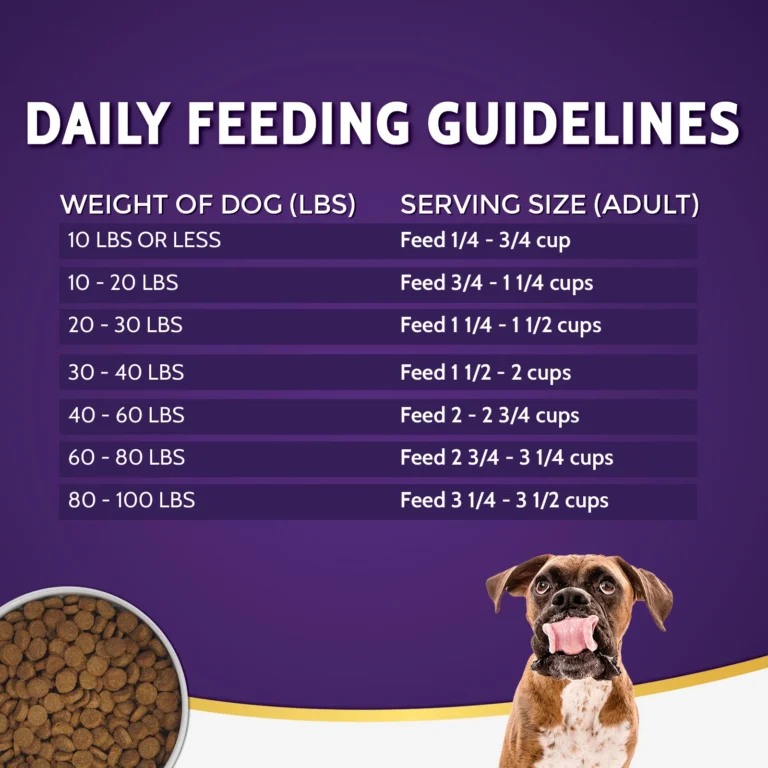
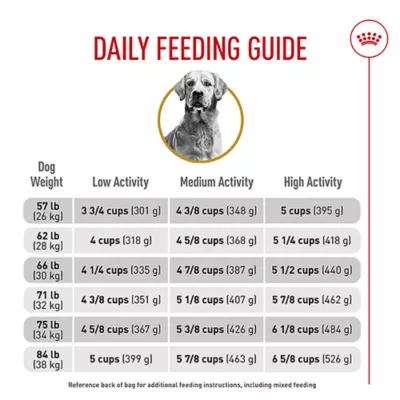
Adult dogs have different nutritional needs compared to puppies. Adjusting portion sizes to match your dog’s new dietary requirements is crucial. Use feeding guidelines on the packaging as a starting point, but remember that individual needs can vary. How do you ensure you’re meeting your dog’s specific needs? Regularly check their weight and energy levels, and adjust their food intake accordingly. This transition period is an excellent time to reassess your dog’s overall health and dietary needs, setting the foundation for a healthy adult life.Common Mistakes To Avoid
Feeding your dog adult food at the right time is important for their health. Many pet owners make common mistakes that can cause digestive upset or nutritional problems. Avoiding these errors helps your dog adjust smoothly to new food and stay healthy. Here are key mistakes to watch out for when switching your dog to adult food.
Switching Too Early
Switching your dog to adult food too soon can cause problems. Puppies need special nutrients for growth that adult food may lack. Feeding adult food before your dog is fully grown can lead to poor development. Wait until your dog reaches the recommended age or size for adult food. This timing varies by breed and size, so check guidelines carefully.
Sudden Food Changes
Changing your dog’s food suddenly can upset their stomach. Dogs need time to adjust to new ingredients and nutrients. A quick switch may cause diarrhea, vomiting, or loss of appetite. Instead, mix small amounts of adult food with puppy food over 7 to 10 days. Gradually increase the adult food portion to help your dog adapt.
Ignoring Veterinary Advice
Veterinarians know the best time to change your dog’s diet. Ignoring their advice can harm your dog’s health. Some dogs have special needs or medical conditions that require specific diets. Always consult your vet before switching to adult food. Follow their recommendations to ensure your dog’s nutritional needs are met.
Special Considerations
Choosing the right time to switch a dog to adult food involves more than age alone. Special factors affect this decision. These factors ensure the dog stays healthy and active. Consider the dog’s breed, health, and activity level. Each plays a unique role in timing the change.
Breed-specific Timing
Large breeds mature slower than small breeds. Small dogs may need adult food by 9 to 12 months. Large breeds might require puppy food longer, sometimes up to 18 months. This helps support their growth and bone health. Breed size guides the best feeding time.
Health Conditions
Dogs with health issues need careful diet changes. Conditions like allergies or digestive problems require special adult formulas. Consult a vet before switching foods. A gradual change can avoid upset stomach or nutrient loss. Health needs shape the feeding schedule.
Activity Levels
Active dogs burn more calories and need more nutrients. Working or highly active dogs may benefit from adult food earlier. Less active dogs might stay on puppy food longer for growth support. Adjust feeding times based on how much your dog moves daily.
Consulting Your Veterinarian
Knowing when to switch your dog to adult food is not always straightforward. Your veterinarian can provide guidance tailored to your dog’s unique needs. Consulting your vet ensures that your pet transitions smoothly and stays healthy throughout the change.
Personalized Feeding Plans
Each dog grows at a different pace. Your vet can assess your dog’s breed, size, and health to recommend the perfect time to start adult food. They may suggest a gradual transition or a specific diet to match your dog’s energy and nutritional requirements.
Think about your dog’s activity level and weight. Your vet’s advice can help avoid issues like obesity or nutrient deficiencies. Have you noticed changes in your dog’s appetite or behavior? These details help the vet create a feeding plan that fits your dog’s lifestyle.
Regular Health Checkups
Scheduling regular visits with your vet helps monitor your dog’s growth and health. During these checkups, your vet can spot early signs that your dog is ready for adult food. They can also adjust feeding recommendations as your dog ages or if health concerns arise.
These visits are a great opportunity to discuss any questions or observations you have. How does your dog respond to their current diet? Sharing this helps your vet make informed suggestions tailored to your dog’s needs.
Addressing Concerns
If you notice any digestive issues, allergies, or changes in your dog’s weight, consult your vet promptly. They can pinpoint whether these problems relate to diet and advise on better options. Ignoring signs like vomiting or diarrhea might delay necessary adjustments in feeding.
Your vet can also help if you’re unsure about commercial dog foods or considering homemade meals. They provide trustworthy advice that supports your dog’s health instead of guesswork. Have you ever faced confusion about pet food labels? Your vet can clarify what ingredients are beneficial or harmful.

Credit: jiminys.com
Frequently Asked Questions
When Should I Switch My Puppy To Adult Dog Food?
Most dogs transition to adult food between 12 to 18 months old. Large breeds may start later, around 18 to 24 months. Consult your vet to choose the right time based on your dog’s size and health.
How Do I Know My Dog Is Ready For Adult Food?
Signs include reaching full size, stable weight, and maturity. Puppies become less active and need fewer calories. Observe your dog’s growth and energy, then gradually switch to adult dog food.
Can I Feed Adult Dog Food To A Puppy?
No, adult dog food lacks essential nutrients for puppies. Puppies need higher protein, fat, and calories for growth. Feeding adult food too early can hinder development and health.
What Are The Risks Of Switching Dog Food Too Early?
Switching too early may cause nutritional deficiencies and digestive issues. Puppies might not get enough calories or vitamins for proper growth. Always transition gradually and consult your veterinarian.
Conclusion
Feeding your dog adult food at the right time helps keep them healthy. Usually, dogs switch to adult food around one year old. Watch your dog’s size, energy, and health for signs. Consult your vet if unsure about the change.
A smooth transition avoids stomach problems. Remember, adult dog food meets grown dogs’ needs better. Pay attention to your dog’s behavior during the switch. Keep them happy and strong with the right diet. Choosing the correct time shows you care about your pet’s health.
Simple steps make feeding easier for both you and your dog.