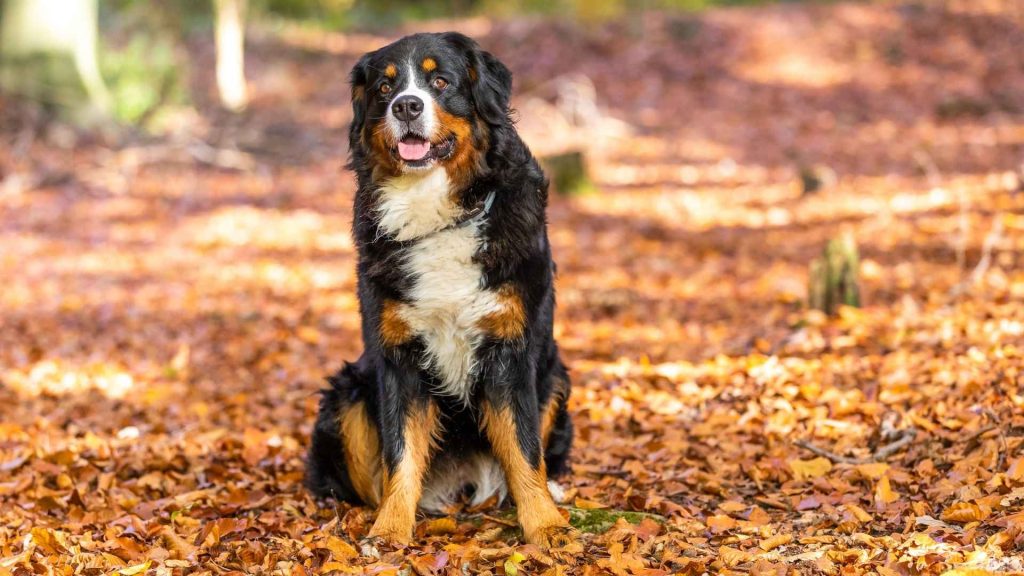

Are you ready to find the perfect furry friend who listens and learns quickly? Training a dog can be a rewarding experience, but some breeds pick up commands faster than others.
Knowing which dogs are easy to train can save you time, frustration, and help build a strong bond with your pet. Whether you’re a first-time dog owner or looking to add another pup to your family, this guide will help you discover the best dogs that respond well to training.
Keep reading to find out which breeds make training simple and enjoyable for you!
Credit: worldanimalfoundation.org
Traits Of Easily Trainable Dogs
Understanding the traits that make certain dogs easier to train can save you time and frustration. These traits directly influence how quickly your dog picks up commands and adapts to new behaviors. Let’s break down some key qualities that often appear in dogs who excel in training.
Intelligence And Problem Solving
Dogs with high intelligence tend to learn commands faster because they can understand what you want. They often figure out puzzles or new tricks with less repetition. Think about Border Collies or Poodles—these breeds quickly catch on because they process information like little problem solvers.
But intelligence isn’t just about quick learning; it’s also about how your dog thinks through challenges. If your dog can solve problems, they’ll be more adaptable during training sessions. Have you noticed your dog figuring out how to open a gate or find hidden treats? That’s a sign of strong problem-solving skills.
Eagerness To Please
Dogs that want to make you happy respond better to training. This eagerness creates a positive feedback loop: the more they please you, the more motivated they are to keep trying. Breeds like Golden Retrievers and Labrador Retrievers are classic examples—they thrive on your approval.
Does your dog look at you when you speak or seem excited when you bring out the leash? That’s a good sign they want to cooperate. When your dog’s goal aligns with yours, training feels less like a chore and more like teamwork.
Focus And Attention Span
Training requires your dog to pay attention, sometimes amidst distractions. Dogs with longer attention spans can stay engaged during longer sessions and in busy environments. This quality helps you teach complicated commands or behaviors without constant interruption.
If your dog can focus while you’re talking or giving instructions, you’re already halfway there. Notice how some dogs tune out background noise and look right at you? That’s the type of focus you want to nurture during training.
Credit: www.rd.com
Top Dog Breeds For Quick Learning
Training your dog can be a rewarding experience, but some breeds make the process smoother due to their quick learning abilities. Whether you’re a seasoned dog owner or a first-time pet parent, choosing a breed known for its intelligence and eagerness to learn can make all the difference. Let’s explore some of the top dog breeds that are reputed for their quick learning skills.
Border Collie
Border Collies are often at the top of the list for intelligent dogs. Their keen ability to understand commands and desire to work make them highly trainable. It’s no surprise they excel in agility and obedience competitions.
Poodle
Poodles are not only known for their elegance but also their smarts. Available in standard, miniature, and toy sizes, they are quick learners. Their intelligence and eagerness to please make them great companions for training.
German Shepherd
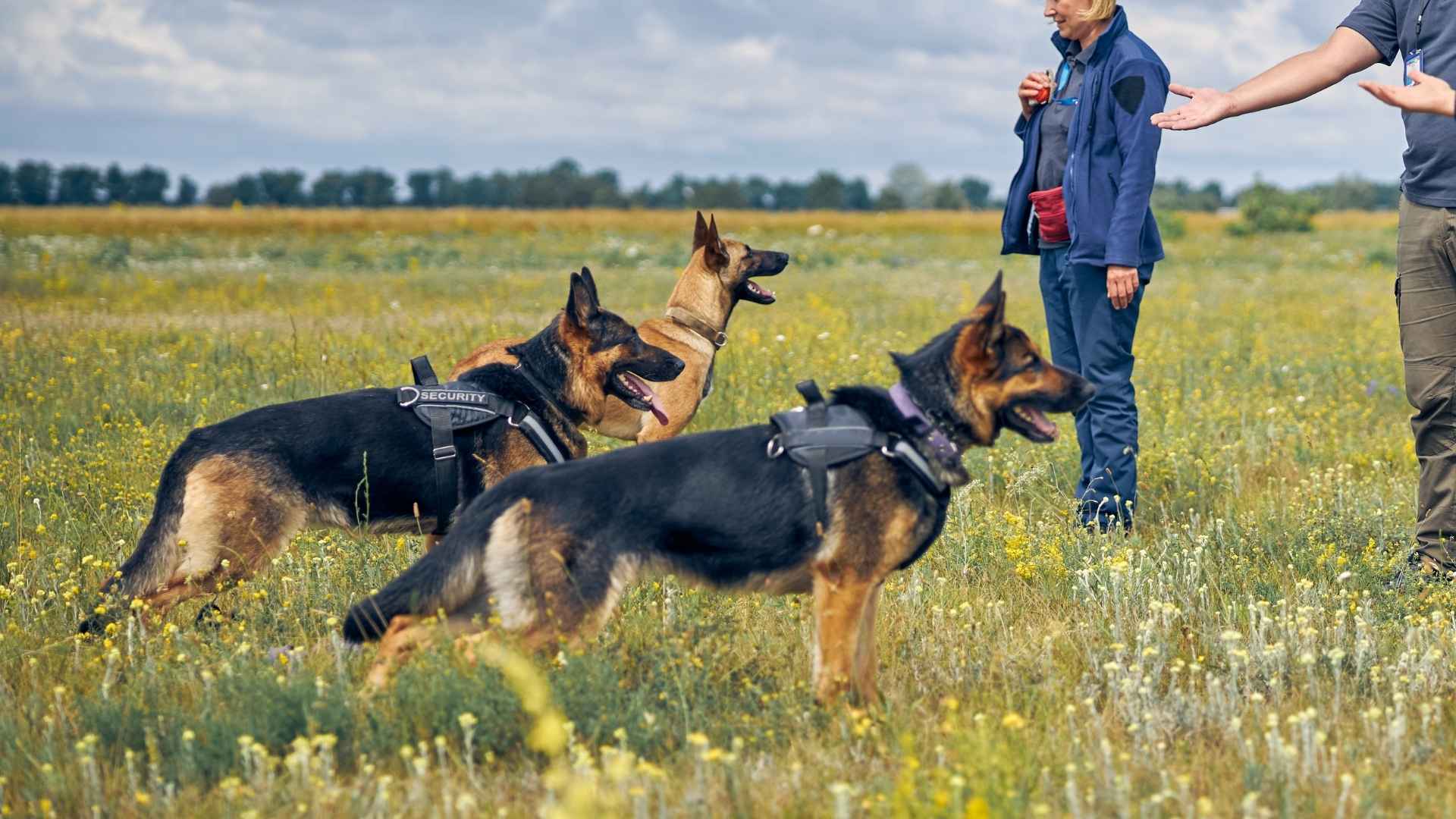
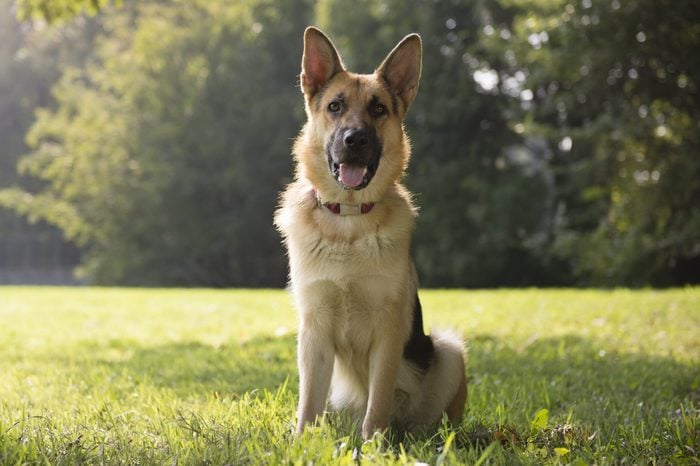
German Shepherds are renowned for their versatility. They’re often used in police and military roles due to their trainability. Their strong desire to work and protect makes them highly responsive to training.
Golden Retriever
Golden Retrievers are known for their friendly nature and intelligence. They thrive on positive reinforcement and are eager to please. This makes them not only easy to train but also wonderful family pets.
Labrador Retriever
Labradors are America’s favorite dogs for a reason. Their even temperament and love for learning make them perfect candidates for training. They excel in various roles, from therapy dogs to hunting companions.
Papillon
Don’t let their small size fool you—Papillons are clever and agile. Their eagerness to learn and perform tricks makes them a favorite in agility sports. They are perfect for owners looking for a small, trainable dog.
Shetland Sheepdog
Shetland Sheepdogs, or Shelties, are known for their quick wit. Their herding background gives them a natural ability to learn commands rapidly. They are excellent for those looking for an intelligent companion.
Doberman Pinscher
Dobermans are intelligent and obedient, making them highly trainable. They are often used in protection roles due to their loyalty and quick learning abilities. Their strong bond with owners facilitates effective training.
Training Tips For Fast Learners
Training dogs that learn quickly can be fun and rewarding. These dogs pick up new commands faster and enjoy challenges. To get the best results, use clear and simple training methods. Focus on building good habits early. Keep training sessions positive and brief to hold their attention.
Consistent Commands
Use the same words for each command every time. Consistency helps dogs understand what you want. Avoid changing commands or using different phrases for the same task. Clear, simple commands make learning easier and faster.
Positive Reinforcement
Praise your dog when it follows a command correctly. Use treats, toys, or kind words as rewards. Positive reinforcement encourages dogs to repeat good behavior. Avoid punishment, as it can confuse and frighten them.
Short Training Sessions
Keep training sessions brief, around 5 to 10 minutes. Short sessions help dogs stay focused and interested. Multiple short sessions each day work better than one long session. End each session on a happy note.
Socialization Importance
Expose your dog to different people and places early. Socialization helps dogs feel comfortable in new situations. It reduces fear and improves their learning ability. Friendly, calm social experiences support fast training progress.
Challenges With Training Certain Breeds
Training dogs can vary greatly depending on their breed. Some breeds learn commands quickly, while others may resist training. Challenges arise from natural traits and instincts. Understanding these helps set realistic expectations and improves training success.
Independent Dogs
Independent dogs often think for themselves. They may ignore commands or choose to do their own thing. This trait makes them less responsive to training. Patience and consistent, gentle guidance are crucial. Examples include Afghan Hounds and Basenjis.
Highly Energetic Breeds
Breeds with high energy levels can be hard to train. Their constant movement and excitement distract them. Training sessions must be short and engaging. Exercise before training helps focus their energy. Border Collies and Jack Russell Terriers fit this group.
Dogs With Strong Prey Drive
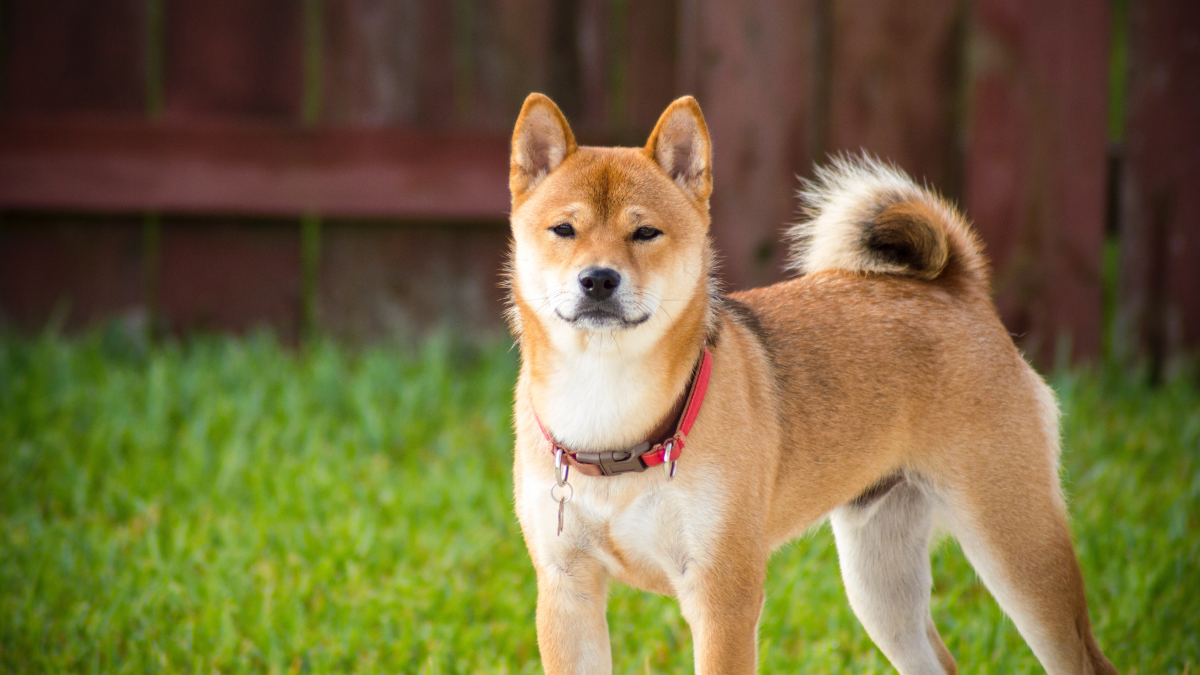
Dogs with a strong prey drive get easily distracted by small animals. Their hunting instincts can overpower training commands. They need controlled environments for effective learning. Breeds like Siberian Huskies and Beagles often show this behavior.
Choosing The Right Breed For Your Lifestyle
Choosing the right dog breed fits your lifestyle is key to success. Each breed has unique traits that affect training ease and daily care. Picking a breed that matches your habits and home creates a happier life for you and your dog.
Activity Level Matching
Dogs need exercise to stay healthy and happy. Some breeds like Border Collies or Labradors need lots of activity. Others, like Bulldogs or Basset Hounds, prefer calm walks. Match a dog’s energy with your activity level to avoid frustration. A high-energy dog in a low-activity home may act out. A low-energy dog in an active home may get bored.
Living Environment Considerations
Space matters for dog training and comfort. Big dogs or active breeds do better with yards or large areas. Small or calm breeds adapt well to apartments. Noise and neighbors can affect dog behavior. Some breeds handle busy streets well, others get anxious. Choose a dog that suits your living space to ease training.
Time Commitment For Training
Training takes time and patience. Some breeds learn commands quickly, like Poodles or German Shepherds. Others need more repetition and gentle guidance. Puppies require more time than adult dogs. Busy people should pick breeds that train faster. Consistent short sessions work best for all dogs.
Credit: pethelpful.com
Frequently Asked Questions
Which Dog Breeds Are Easiest To Train?
Border Collies, Poodles, and German Shepherds are among the easiest breeds to train. They are intelligent, eager to please, and quick learners, making training sessions more effective and enjoyable for both dogs and owners.
How Does Breed Affect Trainability In Dogs?
Breed influences a dog’s trainability due to genetics, intelligence, and temperament. Working and herding breeds typically learn commands faster. However, individual personality and consistent training also play significant roles in a dog’s ability to learn.
Are Small Dogs Harder To Train Than Large Dogs?
Not necessarily. Trainability depends more on breed and temperament than size. Some small breeds like Papillons are very trainable, while some large breeds might be stubborn. Consistent training and positive reinforcement matter most for any dog’s success.
What Training Methods Work Best For Easy-to-train Dogs?
Positive reinforcement, such as treats and praise, works best for easy-to-train dogs. Consistency, patience, and short training sessions keep dogs motivated and help them retain commands effectively over time.
Conclusion
Training a dog can be simple with the right breed. Some dogs learn commands faster and enjoy training sessions. These breeds respond well to clear, consistent instructions. Patience and practice help any dog improve skills. Choose a dog that matches your lifestyle and training goals.
Easy-to-train dogs make bonding and daily life smoother. Remember, every dog is unique and needs love. Training builds trust and good behavior over time. Start early and keep sessions short and fun. You will enjoy a happy, well-behaved dog each day.