
If you want the best for your dog, choosing the right diet is one of the most important decisions you’ll make. You might wonder why a raw food diet stands out from regular dog food options.
Imagine your dog having more energy, shinier fur, and better digestion – sounds great, right? This isn’t just wishful thinking; it’s a reality many dog owners are discovering by switching to raw food. You’ll learn why a raw food diet could be the healthiest, most natural choice for your furry friend.
Keep reading to find out how you can give your dog the nutrition they truly deserve.
Benefits Of A Raw Food Diet
Switching your dog to a raw food diet can bring noticeable changes that go beyond just what’s on their plate. These benefits impact your dog’s overall well-being and daily happiness. Let’s look at the real advantages you can expect when feeding your dog raw foods.
Improved Digestion
Raw foods contain natural enzymes that help break down food more efficiently. This means your dog’s digestive system works smoother, reducing issues like gas, bloating, and constipation.
Have you noticed your dog struggling after meals? Feeding raw can make a big difference in how comfortably they digest their food.
Enhanced Energy Levels
Many dog owners report a boost in their pet’s energy after switching to raw food. The fresh nutrients provide more fuel for playtime and exercise.
Think about how your dog behaves after a bowl of processed kibble versus a raw meal. Raw diets often lead to livelier and more active pups.
Shinier Coat And Healthier Skin
Natural fats and oils in raw meat help improve your dog’s skin health. You may see less itching, dryness, and flaky skin.
Plus, the coat tends to become glossier and softer to the touch, making your pet look and feel healthier.
Stronger Immune System
Raw foods provide essential vitamins and minerals that support your dog’s immune defenses. This can help your dog fight off illnesses more effectively.
Is your dog often catching colds or infections? A raw diet might give their immune system the boost it needs to stay strong.

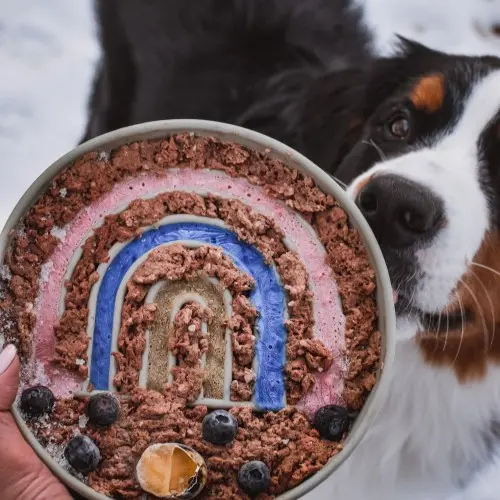
Credit: gorawpetfood.com
Key Components Of Raw Dog Food
Raw dog food contains natural ingredients that support a dog’s health. It includes a variety of fresh and whole foods. These foods provide essential nutrients dogs need for energy and well-being. Understanding the key components helps you make the best choices for your pet’s diet.
Fresh Meats And Organs
Fresh meats are the main source of protein in raw dog food. They include beef, chicken, turkey, and lamb. Organs like liver, kidney, and heart are rich in vitamins and minerals. These parts are vital for a dog’s immune system and overall health.
Raw Bones
Raw bones provide calcium and phosphorus naturally. They help keep a dog’s teeth clean and strong. Bones also support healthy joints and muscles. Only raw, uncooked bones are safe to feed dogs.
Fruits And Vegetables
Fruits and vegetables add fiber and antioxidants to the diet. They improve digestion and support a healthy coat. Common choices include carrots, spinach, blueberries, and apples. These foods provide vitamins that meat alone cannot supply.
Supplements And Additives
Supplements balance nutrients that may be missing. Fish oil adds omega-3 fatty acids for skin and brain health. Probiotics help with digestion and gut flora. Adding these ensures a complete and healthy diet for dogs.
Common Myths About Raw Diets
Many dog owners hesitate about switching to a raw food diet. Some common myths make them doubt this choice. Let’s tackle these myths and clear the air. Understanding these misconceptions can help ensure a healthier diet for your furry friend.
Safety Concerns
Some believe raw food is unsafe for dogs. Concerns about bacteria often arise. However, raw diets can be safe with proper handling. Clean surfaces and tools after preparing meals. Use fresh, high-quality ingredients. This reduces the risk of contamination. Dogs have a strong stomach acid that kills many bacteria. This offers them protection from potential harm.
Nutritional Balance
People think raw diets lack nutritional balance. They worry about missing nutrients. Yet, a well-planned raw diet provides all essential nutrients. Include a mix of meats, bones, and organs. Add fruits and vegetables for vitamins and minerals. Many resources and professionals can guide diet planning. This ensures your dog gets a balanced meal.
Cost And Convenience
Some assume raw diets are expensive and time-consuming. It’s true that preparing raw meals takes time. But it’s possible to find affordable options. Buying in bulk reduces costs. Preparing meals in advance saves time. Many pet stores offer pre-made raw meals. These are convenient and easy to serve. Raw diets can fit various budgets and lifestyles.
Transitioning To A Raw Diet
Transitioning your dog to a raw food diet requires patience and care. Sudden changes can upset their stomach or cause refusal to eat. Start slowly to help your dog adjust comfortably.
Gradual Introduction
Begin by mixing a small amount of raw food with your dog’s current diet. Increase the raw portion over two to three weeks. This gradual change helps your dog’s digestive system adapt. Watch for signs of acceptance or discomfort during this period.
Monitoring Health Changes
Observe your dog’s energy, coat, and stool quality daily. Improved digestion and shinier fur usually appear within weeks. Note any diarrhea, vomiting, or lethargy. These signs may mean the transition is too fast or the diet needs adjustment. Consult a vet if concerns arise.
Adjusting Portions
Portion sizes depend on your dog’s size, age, and activity level. Start with smaller servings to prevent overeating. Gradually increase amounts as your dog grows accustomed to the diet. Keep portions balanced to maintain healthy weight and energy.
Raw Diet Vs Commercial Kibble
Choosing between a raw food diet and commercial kibble affects your dog’s health deeply. Both have pros and cons, but understanding their differences helps in making the best choice. Raw diets focus on fresh, natural ingredients, while kibble relies on processed foods. Let’s explore how they compare in key areas.
Nutrient Quality Comparison
Raw diets provide nutrients in their natural form. Proteins, fats, and vitamins stay intact without heat processing. Commercial kibble undergoes high heat, which can reduce nutrient levels. Also, raw meals include whole foods like muscle meat, organs, and bones. These parts offer balanced nutrition for dogs.
Kibble often uses by-products and fillers to cut costs. Such ingredients may lack essential nutrients. Nutrient balance in raw diets mirrors what dogs eat in the wild. This leads to better digestion and energy.
Additives And Preservatives
Raw food diets avoid artificial additives. They contain no synthetic colors, flavors, or preservatives. Commercial kibble relies heavily on these chemicals to increase shelf life. Preservatives like BHA, BHT, and ethoxyquin are common in kibble. Some dogs may react negatively to these substances.
Raw diets use natural preservation methods such as freezing. This keeps food fresh without harmful chemicals. Feeding raw reduces your dog’s intake of unnecessary additives.
Long-term Health Effects
Raw diets support healthy skin and shiny coats. They promote strong muscles and better dental health. Dogs fed raw tend to have fewer allergies and digestive issues. Kibble-fed dogs may face obesity and chronic diseases over time. The fillers and starches in kibble can cause weight gain.
Raw food helps maintain ideal weight and energy levels. It supports a stronger immune system. The natural enzymes in raw food aid digestion. Over years, this diet can enhance your dog’s quality of life.

Credit: wefeedraw.com
Precautions And Best Practices
Switching your dog to a raw food diet can offer great benefits, but it also requires careful attention to safety and nutritional balance. Taking the right precautions helps protect your dog’s health and ensures the diet truly supports their wellbeing.
Handling And Storage
Raw meat can carry bacteria that are harmful to both dogs and humans. Always wash your hands before and after preparing your dog’s food to avoid cross-contamination.
Store raw ingredients in sealed containers and keep them in the coldest part of your fridge or freezer. Thaw frozen meat in the refrigerator, not on the countertop, to reduce bacterial growth.
Clean bowls and utensils thoroughly after each meal to maintain hygiene. Do you have a dedicated cutting board for your dog’s food? This simple step can reduce risks significantly.
Consulting Your Veterinarian
Before making the switch, talk to your vet about your dog’s health history and specific needs. They can help identify any potential risks like allergies or underlying conditions that raw food might affect.
Your vet can also guide you on supplements or vitamin adjustments to fill any nutritional gaps. Getting professional input helps you avoid common mistakes that could harm your dog in the long run.
Are you tracking your dog’s weight and energy levels regularly? These details help your vet fine-tune the diet for optimal results.
Tailoring Diet To Your Dog’s Needs
Not all dogs thrive on the same raw food plan. Age, breed, activity level, and health conditions all play a role in what your dog needs.
Start with small portions and monitor your dog’s reaction. Adjust protein, fat, and veggie ratios based on their digestion, coat condition, and energy.
Consider rotating different protein sources like chicken, beef, or fish to provide a wider range of nutrients. Have you noticed how your dog responds to certain ingredients? Paying attention to these cues helps you customize a diet that works best.
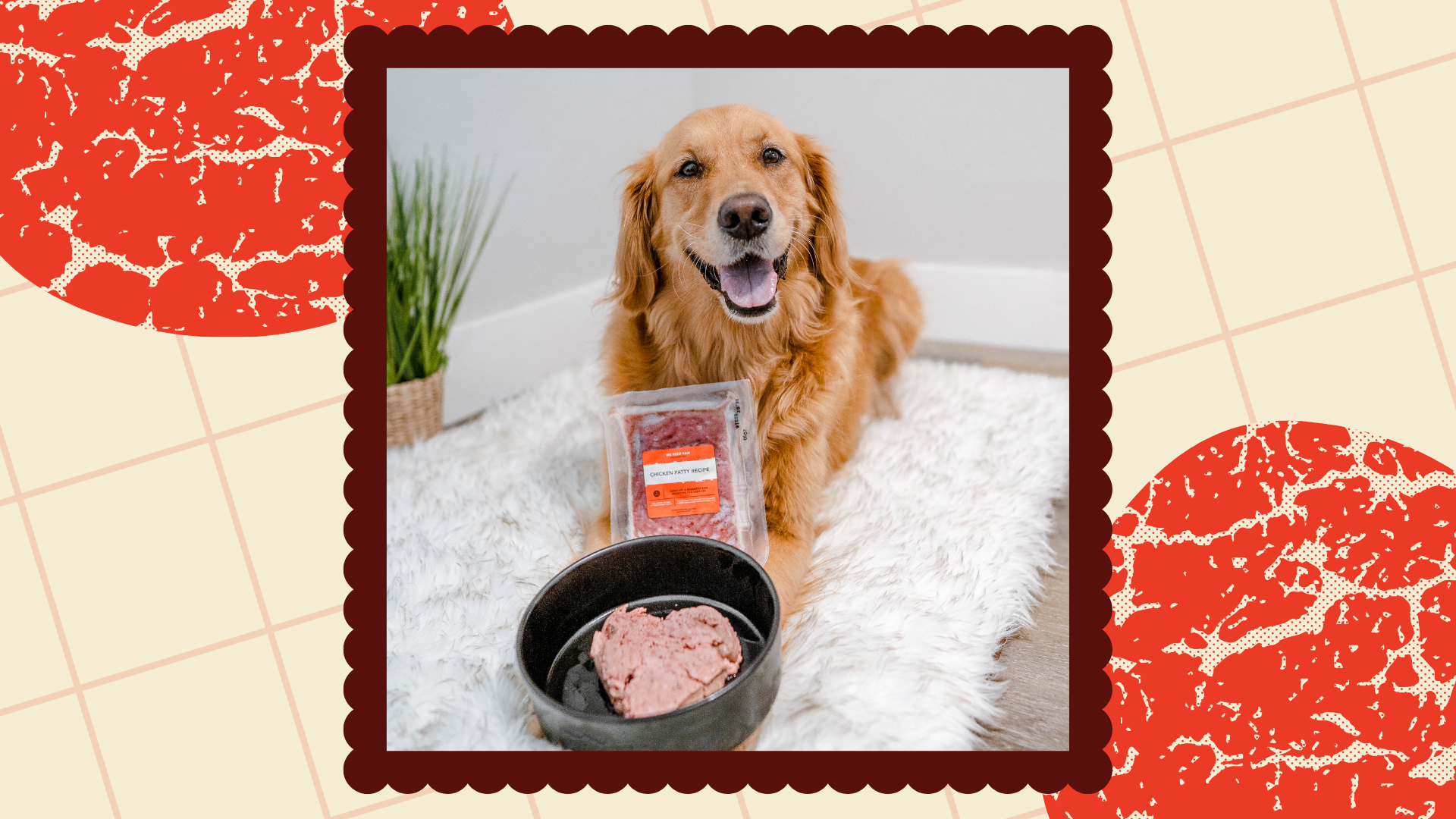
Credit: wefeedraw.com
Frequently Asked Questions
What Are The Benefits Of A Raw Food Diet For Dogs?
A raw food diet improves digestion, boosts energy, and enhances coat health. It provides natural nutrients and reduces allergies. Many dogs show better weight management and dental health on raw diets.
Is A Raw Food Diet Safe For All Dog Breeds?
Yes, most dog breeds can safely eat raw food if balanced. Consult your vet to tailor the diet to your dog’s age, size, and health needs.
How Does Raw Food Improve A Dog’s Digestion?
Raw food contains natural enzymes that aid digestion. It’s less processed, which helps dogs absorb nutrients better and reduces digestive issues like constipation or diarrhea.
Can A Raw Diet Reduce Allergies In Dogs?
Raw diets often eliminate common allergens found in processed foods. This can reduce skin irritations and improve overall immune response in sensitive dogs.
Conclusion
Feeding dogs a raw food diet supports their health and vitality. It provides natural nutrients that processed foods often lack. Dogs may feel more energetic and have shinier coats. This diet can improve digestion and strengthen the immune system. Always introduce raw food carefully and consult a vet.
Raw feeding suits many dogs but needs attention to balance. Choosing natural, fresh ingredients helps dogs thrive every day. A raw food diet can be a simple way to care for your dog’s wellbeing.