
Are you wondering why you can’t just give your puppy adult dog food? It might seem easier and even cost-effective, but feeding your puppy the wrong food can affect their growth and health in ways you don’t expect.
Your puppy needs special nutrients to grow strong and stay healthy, and adult dog food simply doesn’t have what they require. Keep reading to discover the surprising reasons why your puppy needs their own food—and how choosing the right diet now can set them up for a happy, healthy life.
Puppy Nutritional Needs
Puppies need special nutrition to grow strong and healthy. Their bodies change fast during the first year. Feeding the right food helps build bones, muscles, and a good immune system. Adult dog food does not have the right balance of nutrients for puppies. Understanding puppy nutritional needs is key to giving them the best start in life.
Growth And Development Requirements
Puppies grow quickly. Their bones lengthen and muscles build up every day. This fast growth needs extra protein and fat. These nutrients help repair tissues and provide energy. Puppy food is made to support this rapid development. Adult dog food lacks the extra nutrition puppies need to grow properly.
Key Nutrients For Puppies
- Protein:Helps build strong muscles and organs.
- Fat:Supplies energy and supports brain development.
- Calcium and Phosphorus:Important for healthy bones and teeth.
- DHA:An omega-3 fatty acid that aids brain and eye growth.
- Vitamins and Minerals:Boost the immune system and overall health.
These nutrients are balanced carefully in puppy food. Adult food does not meet these special needs.
Calorie Differences
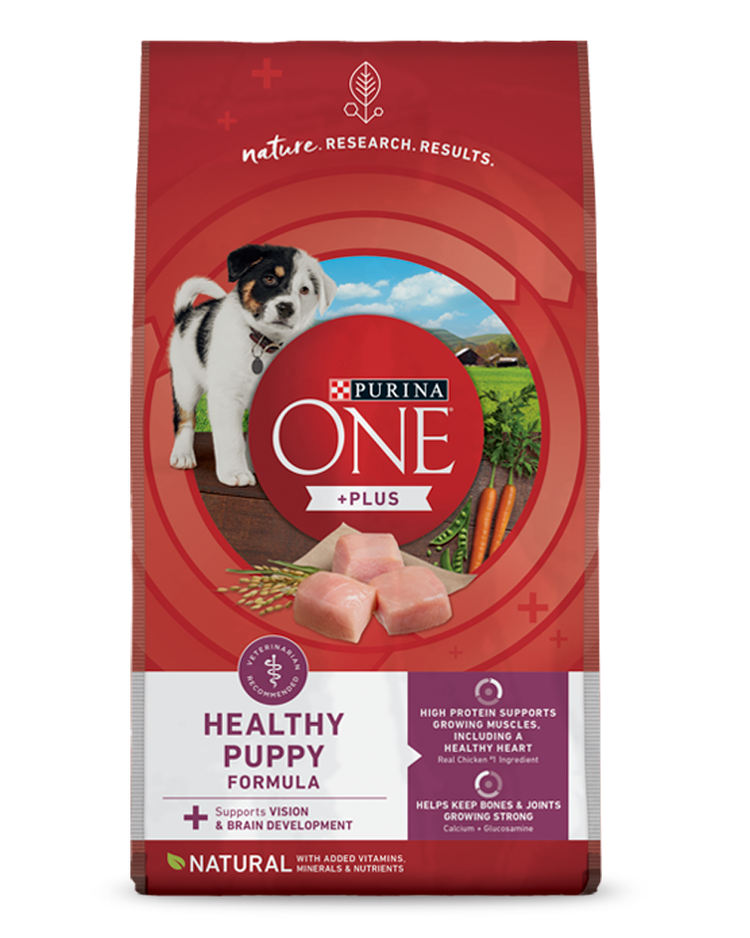
Puppies burn more calories than adult dogs. They need more energy to play and grow. Puppy food has higher calories per serving. This helps them gain weight and stay active. Adult dog food has fewer calories, which can leave puppies hungry or undernourished.
Credit: www.purina.com
Risks Of Adult Dog Food For Puppies
Puppies have different nutritional needs than adult dogs. Feeding them adult dog food can cause several risks. Their growing bodies require specific nutrients in the right amounts. Adult dog food is not designed to support rapid growth and development. This mismatch can lead to health problems.
Nutrient Imbalance Issues
Adult dog food often lacks enough protein and fat for puppies. Puppies need higher protein to build strong muscles. They also need more fat for energy and brain growth. Adult formulas may have less calcium and phosphorus than puppies require. This can affect bone development and strength. An improper balance of nutrients can stunt growth or cause weakness.
Digestive Problems
Puppies have sensitive stomachs. Adult dog food can be harder to digest for them. It may cause diarrhea, vomiting, or upset stomach. The fiber content and ingredient types differ in adult food. These differences can lead to digestive discomfort. A puppy’s digestive system is still developing and needs gentle nutrition.
Potential Long-term Health Effects
Feeding adult food too early can cause lasting damage. Poor nutrition during growth can lead to joint problems. It might increase the risk of obesity or allergies later. Puppies may develop weak bones or poor immune systems. Early nutrition shapes a dog’s health for life. Proper puppy food supports strong growth and a healthy future.
Comparing Puppy And Adult Dog Food
Puppy food has extra nutrients for growth that adult dog food lacks. Feeding adult food to puppies can cause health problems and poor development. Puppies need specific vitamins and minerals to stay strong and healthy.
Comparing Puppy and Adult Dog Food Puppies and adult dogs have different nutritional needs. This difference is crucial for their growth and health. Puppy food and adult dog food are formulated to meet these unique requirements. Feeding a puppy adult dog food can lead to nutritional imbalances.Protein And Fat Levels
Puppies need more protein and fat. These nutrients support their rapid growth and energy needs. Puppy food is typically higher in protein and fat. It helps build strong muscles and supports brain development. Adult dog food has lower levels, suitable for maintenance.Vitamin And Mineral Content
Puppy food contains more vitamins and minerals. These nutrients are essential for bone and organ development. Calcium and phosphorus are vital for strong bones. Adult dog food has balanced levels for maintaining health. It does not support rapid growth.Texture And Size Differences
Puppy food is often smaller in size. This makes it easier for puppies to chew and digest. The texture is softer, ideal for developing teeth. Adult dog food is larger and harder. It helps in maintaining dental health but can be difficult for puppies to eat.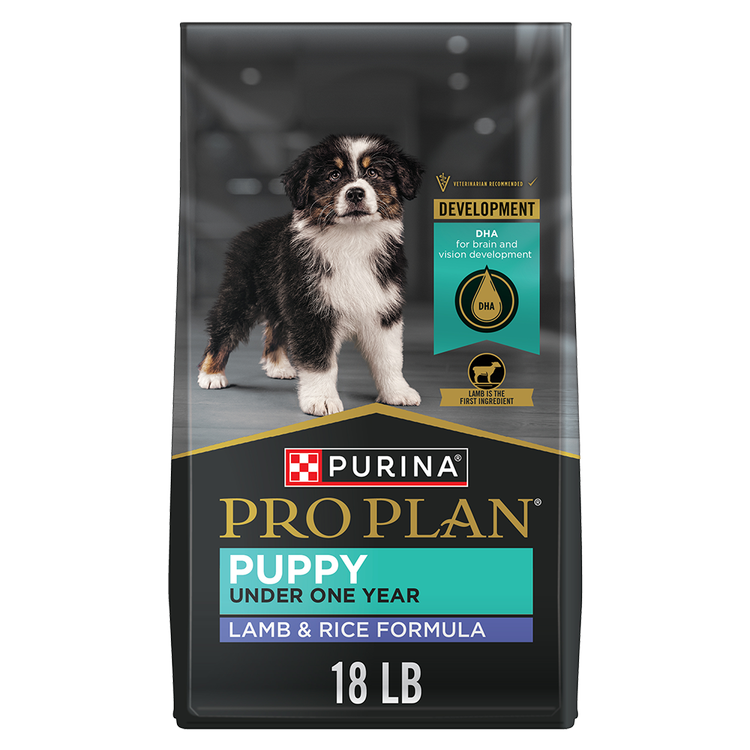
Credit: www.purina.com
Signs Your Puppy Needs Puppy Food
Recognizing the signs that your puppy needs puppy food is crucial for their healthy development. Puppies have different nutritional requirements than adult dogs, and feeding them the right food at the right time supports their growth and well-being. Paying attention to certain behaviors and physical changes can help you decide when to keep feeding puppy food and when it might be time to switch.
Energy Levels And Behavior
Puppies are naturally energetic, but a sudden drop in activity or excessive tiredness can signal that their diet isn’t meeting their needs. Puppy food is designed to provide higher calories and nutrients that support their active lifestyle. If you notice your puppy seems lethargic or less playful, it might be time to reassess their food.
On the other hand, if your puppy is overly hyper or restless, this could also indicate nutritional imbalance. Watching how your puppy behaves after meals can give clues about whether their food is working for them.
Physical Growth Indicators
Growth spurts are common in puppies, and their diet must keep up with these changes. If your puppy’s weight gain is slow or inconsistent, this could be a clear sign they need puppy food. You might also notice that their coat looks dull or their muscles aren’t developing as expected.
Check their body condition regularly—your puppy should have a visible waist and ribs you can feel but not see prominently. If you’re unsure, your vet can help you track growth milestones and recommend the right food.
Health Monitoring Tips
Keep an eye on your puppy’s digestive health. Frequent diarrhea, constipation, or vomiting can mean their diet isn’t suitable. Puppy food contains the right balance of fiber and nutrients to support a sensitive digestive system during growth.
Also, monitor their immune health. Puppies need nutrients like DHA and antioxidants found in puppy food to build strong immune defenses. If your puppy is often sick or slow to recover, it could be a sign they’re not getting the right nutrition.
Do you remember how your puppy acted when you first brought them home? Reflecting on that can help you notice subtle changes now. Feeding the right food at the right time is one of the simplest ways to support your puppy’s journey to a healthy adult dog.
When To Transition To Adult Dog Food
Knowing the right time to switch your puppy to adult dog food is important. Puppies have special nutritional needs for growth. Adult dog food has different nutrients suited for mature dogs. Changing the food too early or too late can affect your dog’s health.
Age Guidelines
Most puppies need puppy food until they reach a certain age. Small breeds usually switch at about 9 to 12 months old. Medium and large breeds may need puppy food longer, up to 12 to 18 months. Check the food package for specific age recommendations. These guidelines help provide proper nutrition during growth.
Breed-specific Timelines
Different breeds grow at different rates. Small dogs mature faster than large breeds. Large and giant breeds need more time on puppy food. Their bones and joints need extra support during growth. Consult your vet to find the best time to switch based on breed size. This ensures your dog stays healthy and strong.
Gradual Switching Process
Switching from puppy to adult food should be slow. Sudden changes can upset your dog’s stomach. Mix a small amount of adult food with puppy food at first. Increase the adult food amount over 7 to 10 days. Watch for signs of digestion problems. A gradual switch helps your dog adjust smoothly.
Choosing The Right Food For Your Puppy
Choosing the right food for your puppy is essential for healthy growth. Puppies have different nutritional needs than adult dogs. Their bodies require more protein, fat, and calories to support rapid development. Feeding adult dog food to a puppy can lead to nutrient gaps and poor health.
Finding the perfect puppy food involves careful consideration. The right food helps build strong bones, muscles, and a healthy immune system. It also supports brain development and energy levels. Understanding how to pick the best food ensures your puppy thrives during this critical stage.
Reading Labels Effectively
Check the label for ingredients and nutritional information. Look for foods with high protein from real meat sources. Avoid fillers like corn, soy, or artificial additives. Ensure the product states it meets AAFCO standards for growth. These standards guarantee the food provides all essential nutrients for puppies.
Consulting Your Veterinarian
Your vet knows your puppy’s specific health needs. Discuss diet options based on breed, size, and health conditions. Vets can recommend foods that support growth and prevent allergies. Regular check-ups help adjust the diet as your puppy grows. Professional advice ensures your puppy’s diet stays balanced and safe.
Considering Special Dietary Needs
Some puppies need special diets due to allergies or health issues. Grain-free, hypoallergenic, or limited ingredient foods might be necessary. Puppies with digestive problems need gentle, easy-to-digest formulas. Tailor your puppy’s food to their unique needs for better health. Always watch for any signs of intolerance or discomfort.
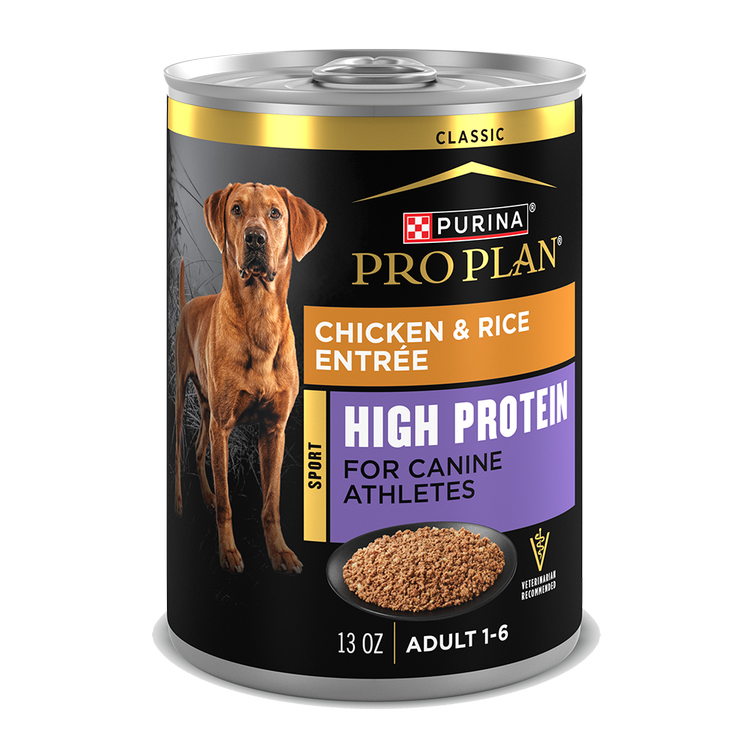
Credit: www.purina.com
Frequently Asked Questions
Why Can’t Puppies Eat Adult Dog Food?
Puppies need extra nutrients for growth that adult food lacks. Adult dog food has fewer calories and lower protein. Feeding it can slow development and affect health. Always choose puppy-specific food for balanced nutrition and optimal growth.
When Should I Switch My Puppy To Adult Food?
Switch to adult dog food at about 12 months. Large breeds may need longer, around 18-24 months. Transition gradually to avoid stomach upset. Consult your vet for the best timing based on breed and size.
What Happens If Puppies Eat Adult Dog Food Early?
Puppies may miss vital nutrients needed for growth. This can cause weak bones, poor immunity, and low energy. Early feeding of adult food can stunt development. Always provide age-appropriate food for healthy puppy growth.
Can Adult Dog Food Meet A Puppy’s Energy Needs?
No, adult dog food lacks sufficient calories and protein for puppies. Puppies require higher energy for rapid growth and play. Adult food may lead to nutrient deficiencies. Use puppy-formulated food to meet their energy demands effectively.
Conclusion
Puppies need special food to grow strong and healthy. Adult dog food lacks important nutrients for young dogs. Feeding adult food too soon can cause stomach problems. Stick to puppy food until your dog reaches the right age. This helps support their bones, teeth, and energy.
Healthy habits start with the right diet. Take care with food choices for your puppy’s future. Remember, good nutrition builds a happy and active dog. Choose wisely and watch your puppy thrive every day.