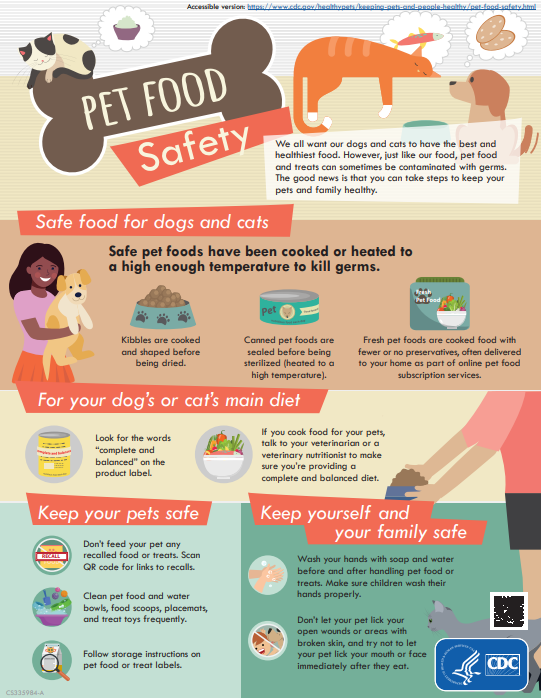

You want the best for your dog. Feeding them raw food might seem like a natural, healthy choice.
But what if this popular trend is actually putting your furry friend at risk? Before you switch your dog’s diet, it’s important to understand the hidden dangers that come with raw food. Keep reading to discover why raw food diets can be harmful and what you should do instead to keep your dog safe and healthy.
Credit: wefeedraw.com
Risks Of Bacterial Contamination
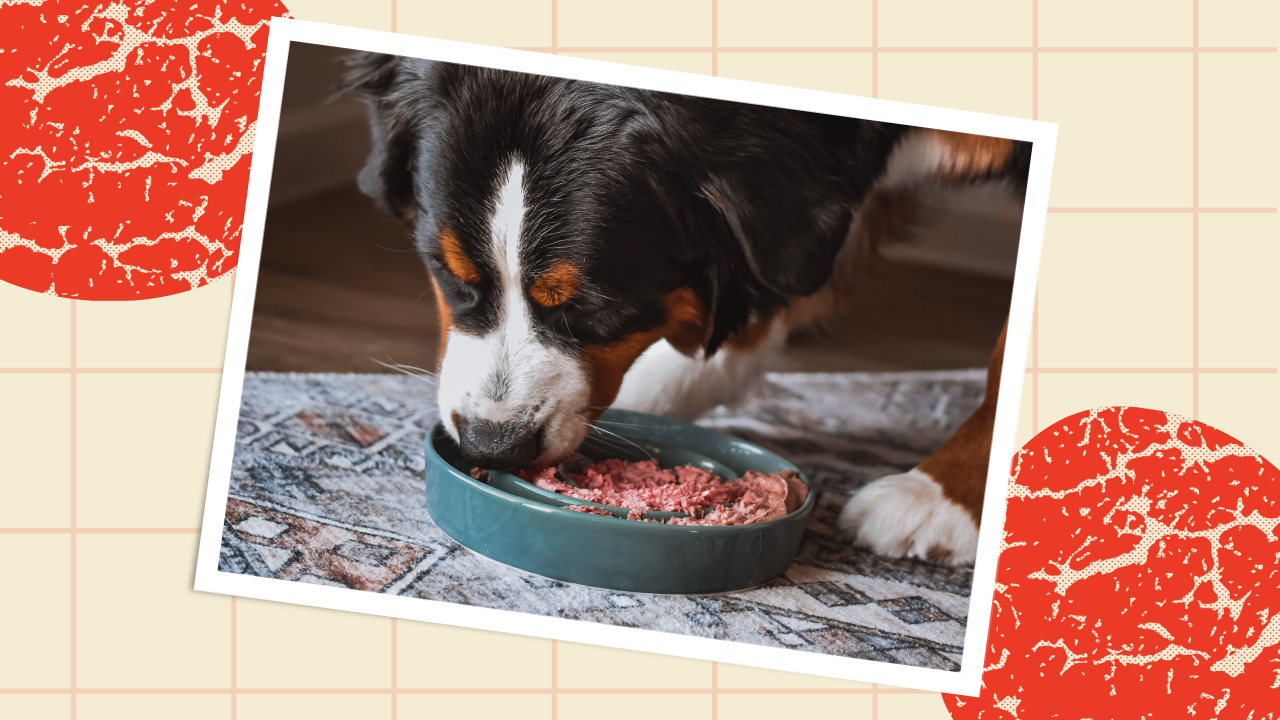
Raw food diets for dogs carry a serious risk of bacterial contamination. Raw meat can harbor dangerous bacteria that cause illness. Dogs eating raw food can get infections that affect their health. Understanding these risks helps pet owners make safer choices.
Common Harmful Bacteria In Raw Meat
Raw meat may contain bacteria harmful to dogs, such as:
- Salmonella:Causes vomiting, diarrhea, and fever.
- Escherichia coli (E. coli):Leads to severe stomach pain and dehydration.
- Clostridium:Produces toxins causing digestive upset.
- Campylobacter:Results in diarrhea and weakness.
These bacteria survive in raw food and can infect dogs quickly.
Impact On Dog’s Immune System
Dogs with weak immune systems are at high risk from bacteria. Puppies, older dogs, and sick dogs suffer the most. Bacterial infections can cause severe illness or death. Even healthy dogs may get sick after eating contaminated raw meat.
Cross-contamination Dangers At Home
Handling raw meat can spread bacteria in the home. Bacteria can contaminate surfaces, utensils, and hands. This risks infection for humans and other pets. Cleaning all tools and surfaces carefully is vital to prevent spread. Always wash hands thoroughly after touching raw food.
Nutritional Imbalances In Raw Diets
Feeding your dog a raw food diet might seem natural and healthy at first glance. However, these diets often come with significant nutritional imbalances that can harm your pet over time. Understanding these imbalances helps you make better choices for your dog’s wellbeing.
Lack Of Essential Vitamins And Minerals
Raw diets frequently miss out on key vitamins and minerals dogs need to thrive. Important nutrients like calcium, vitamin D, and certain B vitamins are hard to get in the right amounts from raw meat alone.
For example, without enough calcium, dogs can develop weak bones or joint problems. You might think that feeding raw bones solves this, but it doesn’t always provide consistent or sufficient calcium levels.
Consequences Of Unbalanced Nutrients
When your dog’s diet lacks balance, it can lead to serious health issues. Nutritional gaps might cause problems like anemia, weakened immune systems, or digestive troubles.
One dog owner I know saw their pet lose energy and experience coat dullness after switching to a raw diet without proper supplementation. These signs often go unnoticed until the damage becomes severe.
Challenges In Formulating Raw Diets
Creating a raw diet that meets all nutritional needs is complicated and time-consuming. You have to carefully measure and mix different ingredients to avoid deficiencies or excesses.
Many pet owners struggle with this balance because raw feeding demands precise knowledge of canine nutrition. Without expert guidance, you risk unintentionally harming your dog despite your best intentions.
Bone-related Injuries And Risks
Bones in raw diets can splinter and cause serious injuries to dogs’ mouths, throats, or intestines. These risks lead to choking, blockages, or painful wounds that need urgent care.
Feeding your dog a raw food diet might seem like a natural choice, but it comes with significant risks, especially when it comes to bones. Bone-related injuries are a serious concern that many pet owners overlook. Understanding these risks can help you make informed decisions for your furry friend.Choking Hazards From Raw Bones
Raw bones can easily become choking hazards. Even large bones can splinter, creating small, sharp fragments. Imagine your dog eagerly chomping down on a bone, only to suddenly struggle to breathe. It’s a terrifying thought. Always be cautious about the size and type of bones you offer. If you’re ever in doubt, it’s safer to avoid bones altogether.Dental Damage And Broken Teeth
Chewing on raw bones can lead to dental damage. Your dog might crack a tooth, leading to pain and potential infections. This isn’t just a minor inconvenience; it can require costly veterinary treatment. Is saving a few dollars on dog food worth the risk of an emergency vet visit? Consider providing safer alternatives like dental chews designed specifically for dogs.Internal Injuries From Bone Fragments
Bone fragments pose a risk of internal injuries. Once swallowed, sharp pieces can cause tears in the stomach or intestines. This can lead to severe complications, sometimes requiring surgery. Are you willing to gamble with your dog’s health? Opt for a diet that keeps their digestive tract safe and sound. Choosing what’s best for your dog involves weighing the risks and benefits. Always prioritize their well-being over trends or popular advice. Your dog’s health is in your hands.
Credit: wefeedraw.com
Parasite Exposure And Infection
Feeding your dog a raw food diet might seem natural and healthy, but it can expose them to dangerous parasites. These microscopic invaders often hide in uncooked meat and can cause serious health issues. Understanding the risks of parasite exposure and infection is crucial for every dog owner considering raw feeding.
Common Parasites In Raw Foods
Raw meat can carry several parasites harmful to dogs, including:
- Giardia:A protozoan parasite causing diarrhea and dehydration.
- Toxoplasma gondii:Often found in raw pork or lamb, it can lead to fever and muscle pain.
- Roundworms and Tapeworms:These worms can cause weight loss and digestive problems.
- Salmonella and E. coli:Though bacteria, they often accompany parasites in raw food, causing severe infections.
Have you ever thought about what unseen risks your dog might face from that raw steak?
Symptoms And Health Impact
Parasite infections can show up in many ways. Watch for:
- Vomiting and diarrhea that won’t go away.
- Lethargy and loss of appetite.
- Weight loss and poor coat condition.
- In severe cases, difficulty breathing or neurological signs.
Ignoring these signs can worsen your dog’s health quickly. Early detection can save your dog from long-term damage or even life-threatening conditions.
Prevention And Detection
Preventing parasite exposure starts with knowing what you feed your dog. Here’s what you can do:
- Choose commercially prepared raw diets that are tested and treated for parasites.
- Freeze raw meat for at least three days to kill some parasites.
- Practice strict hygiene—clean bowls, surfaces, and wash your hands after handling raw food.
- Schedule regular vet check-ups and stool tests for your dog.
Could a simple change in your dog’s diet prevent unnecessary suffering? Your dog’s health depends on the choices you make every day.
Veterinary Warnings Against Raw Feeding
Many veterinarians advise against feeding dogs raw diets. They point out the risks linked to bacteria, parasites, and nutritional imbalances. Raw food can cause serious health problems in dogs and their owners. Understanding these warnings helps pet owners make safer choices.
Professional Opinions And Studies
Veterinary experts widely discourage raw feeding. Research shows raw meat often contains harmful bacteria like Salmonella and E. coli. These bacteria can make dogs very sick and spread to humans. Studies also reveal that raw diets often lack essential nutrients. This can lead to long-term health issues for dogs.
Case Reports Of Raw Diet Complications
There are many reported cases of dogs suffering from raw diet problems. These include infections, digestive upset, and choking hazards from bones. Some dogs develop serious illnesses that need costly treatment. In some cases, owners have reported their dogs needing emergency care after eating raw food.
Safer Alternatives For Dog Nutrition
Balanced commercial dog foods offer complete nutrition and safety. These diets are carefully tested to meet dogs’ needs. Cooked homemade meals can be a healthy choice too, with proper guidance. Regular veterinary check-ups help ensure dogs stay healthy on any diet.
Risks To Human Health From Raw Diets
Feeding your dog a raw food diet might seem like a healthy choice, but it carries hidden dangers that affect not only your pet but also your family’s health. Raw meats can harbor bacteria and parasites that transfer from your dog’s food to your household. Understanding these risks helps you protect everyone living under your roof.
Transmission Of Zoonotic Diseases
Zoonotic diseases are infections that can pass between animals and humans. Raw dog food often contains harmful bacteria such as Salmonella, E. coli, and Listeria. These bacteria don’t just stay in the dog’s bowl—they can spread to your hands, countertops, and even the floors where your kids play.
Think about this: if your dog licks your face after eating raw meat, or if you touch their food and then prepare your own meals without washing hands thoroughly, you increase the risk of illness. People with weakened immune systems are especially vulnerable to these infections.
Safe Handling Practices
If you decide to feed raw despite the risks, strict hygiene is a must. Always wash your hands with soap and hot water immediately after handling raw pet food. Clean all surfaces and utensils that come into contact with the raw diet thoroughly.
Keep raw dog food separate from your own food storage to avoid cross-contamination. Consider using designated cutting boards and containers exclusively for pet meals. These small steps drastically reduce the chance of harmful bacteria spreading in your home.
Protecting Vulnerable Household Members
Young children, elderly family members, pregnant women, and those with compromised immune systems face greater danger from raw diet bacteria. Their bodies may not fight off infections as easily, leading to serious health complications.
Ask yourself if risking these serious infections is worth it for your dog’s diet. If raw feeding is non-negotiable for you, create strict boundaries: feed your dog in isolated areas and avoid close contact during and after meals. Protecting vulnerable loved ones means prioritizing safety over trendiness.
Credit: wefeedraw.com
Frequently Asked Questions
Why Is A Raw Food Diet Risky For Dogs?
Raw diets may contain harmful bacteria like Salmonella. These can cause serious infections in dogs and humans. Nutritional imbalances are common, leading to health problems. Cooking food kills bacteria and ensures balanced nutrients for dogs.
Can Raw Food Cause Nutritional Deficiencies In Dogs?
Yes, raw diets often lack essential vitamins and minerals. Dogs may miss calcium, vitamin D, or balanced protein levels. These deficiencies can harm bone health, immune function, and overall vitality. Properly formulated diets prevent such risks.
How Does Raw Food Affect Dog’s Digestive Health?
Raw food can upset a dog’s digestive system. It may cause diarrhea, vomiting, or constipation due to bacteria or improper nutrient ratios. Cooked diets are easier to digest and help maintain gut health and nutrient absorption.
Is Raw Feeding Linked To Bacterial Infections In Dogs?
Yes, raw meat can harbor dangerous bacteria like E. coli and Salmonella. These bacteria pose health risks to dogs and their owners. Proper cooking destroys these pathogens, making food safer to consume.
Conclusion
Raw food diets can harm your dog’s health and safety. They may cause infections and nutrient shortages. Dogs need balanced meals for strong bodies and good energy. Cooked food helps kill harmful germs and keeps dogs safe. Trust vets and experts for the best feeding advice.
Protect your furry friend with healthy, tested food choices. Your dog deserves a long, happy life. Choose wisely for their well-being.