
Have you ever wondered if feeding your dog raw food could make a real difference in their health? What if the key to a shinier coat, more energy, and better digestion is hiding in a simple change to their diet?
You want the best for your furry friend, and understanding why raw food is good for dogs might just be the answer you’ve been searching for. Keep reading to discover how this natural approach can transform your dog’s well-being and why it’s worth considering today.
Benefits Of Raw Food
Raw food diets offer many benefits for dogs that support overall health. Feeding raw helps dogs digest food naturally. It also improves how dogs absorb vitamins and minerals. Dogs often have shinier coats and healthier skin on a raw diet. These benefits come from a diet closer to what dogs ate in the wild.
Improved Digestion
Raw food contains natural enzymes that aid digestion. These enzymes help break down proteins and fats more efficiently. Dogs on raw diets often have smaller, firmer stools. This shows their digestive system works better. Raw food is free from fillers and artificial ingredients. This reduces digestive upset and gas.
Enhanced Nutrient Absorption
Raw diets preserve vitamins and minerals that cooking can destroy. This means dogs get more nutrients from their food. Nutrients in raw food support energy, growth, and immune health. Dogs absorb essential fatty acids better on raw diets. This helps keep their bodies strong and healthy.
Healthier Skin And Coat
Raw food provides essential fats like omega-3 and omega-6. These fats improve skin moisture and reduce itching. Dogs often have softer, shinier coats on raw diets. Healthy skin lowers the risk of allergies and infections. A balanced raw diet helps maintain natural oils in the skin.

Credit: wefeedraw.com
Key Nutrients In Raw Diets
Raw diets offer dogs essential nutrients in their most natural form. These nutrients support strong muscles, healthy skin, and a robust immune system. Understanding these key nutrients helps explain why raw food benefits dogs.
Proteins And Amino Acids
Proteins are the building blocks of a dog’s body. Raw food provides high-quality proteins from fresh meat, organs, and bones. These proteins contain amino acids, which repair tissues and support growth. Amino acids also help keep muscles strong and energy levels high.
Essential Fatty Acids
Fatty acids like Omega-3 and Omega-6 are vital for dogs. They improve skin health, reduce inflammation, and promote a shiny coat. Raw diets include natural fats from fish oil, meat, and organs. These fats also support brain function and joint health.
Vitamins And Minerals
Raw food is rich in natural vitamins and minerals. Vitamin A supports vision and immune health. B vitamins aid metabolism and energy production. Minerals like calcium and phosphorus strengthen bones and teeth. Raw diets provide these nutrients in balanced amounts for overall wellness.
Raw Food Vs. Commercial Kibble
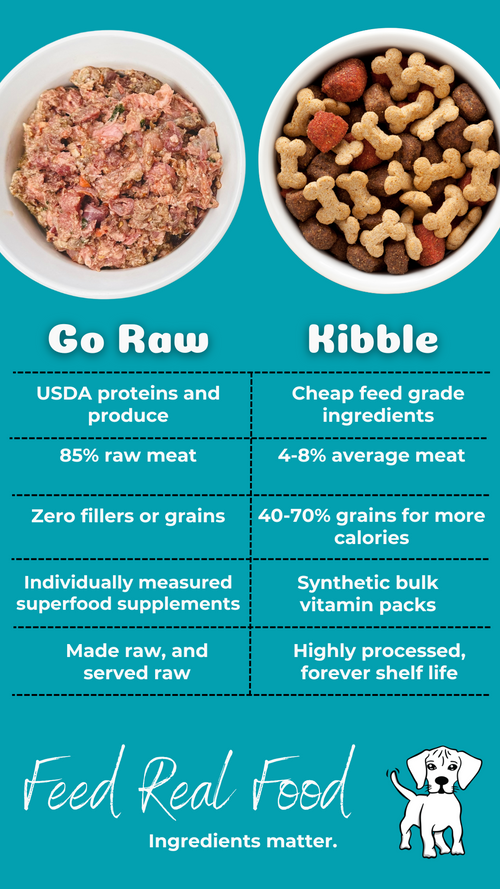
Choosing between raw food and commercial kibble for dogs involves understanding key differences. Raw food offers a natural diet closer to what dogs ate before domestication. Commercial kibble is processed and designed for convenience and shelf life. Both types affect dogs’ health in distinct ways.
Quality Of Ingredients
Raw food uses fresh meat, bones, and organs. These ingredients contain natural nutrients and enzymes. Commercial kibble often contains fillers like corn and wheat. It may also have artificial additives and preservatives. Raw food ingredients tend to be more nutrient-dense and less processed.
Processing Impact
Raw food is minimally processed to keep nutrients intact. Commercial kibble undergoes high heat and extrusion. This process can destroy some vitamins and enzymes. It also changes the structure of proteins and fats. Raw diets maintain natural nutrient profiles better than kibble.
Long-term Health Effects
Dogs on raw diets often show healthier skin and coats. They may have better digestion and smaller stools. Some studies suggest improved immune function with raw feeding. Kibble-fed dogs sometimes face allergies and obesity issues. Raw food can support long-term vitality and wellness.
Credit: wefeedraw.com
Common Myths About Raw Feeding
Raw feeding for dogs is often surrounded by a cloud of myths that can deter pet owners from considering it as a viable option. These myths can be misleading and prevent your dog from enjoying a diet that may be more aligned with their natural needs. By debunking these myths, you can make a more informed decision about what’s best for your furry friend.
Safety Concerns
One of the most common myths about raw feeding is that it’s inherently unsafe due to the risk of bacteria like salmonella. However, many raw feeders argue that handling raw dog food is no different from preparing raw meat for your own meals. By maintaining good hygiene practices, such as washing hands and disinfecting surfaces, you can significantly reduce these risks.
Some worry that bones in raw diets can splinter and harm your dog’s digestive tract. It’s essential to know that cooked bones are the real danger, as they become brittle. Raw bones, on the other hand, are generally softer and more digestible for dogs.
Nutritional Balance
Another myth is that raw diets lack the nutritional balance that commercial dog food provides. This assumption overlooks the fact that a well-planned raw diet can be tailored to meet a dog’s specific nutritional needs. By including a variety of meats, organs, and vegetables, you can create a balanced diet that supports your dog’s health.
Some pet owners worry that they won’t know how to achieve this balance. Many resources and communities offer guidance and recipes to ensure your dog receives all the necessary nutrients. Wouldn’t you want to know exactly what’s going into your dog’s food bowl?
Cost And Convenience
The belief that raw feeding is expensive and inconvenient is another widespread myth. While it’s true that some premium cuts of meat can add up, many raw feeders find ways to keep costs down by buying in bulk or using less expensive cuts. Additionally, investing in your dog’s health now might save you money on vet bills later.
Convenience is often cited as a barrier to raw feeding, but many find the routine just as simple as feeding kibble once they get the hang of it. Pre-prepared raw meals are also available, which can save time and effort. Isn’t your dog’s well-being worth a little extra planning?
Transitioning To A Raw Diet
Transitioning your dog to a raw diet takes patience and care. This change can improve your dog’s health, digestion, and energy. Start slow to help their system adjust. Observe your dog closely during this time. The goal is a smooth switch without stress or discomfort.
Step-by-step Guide
- Begin by mixing a small amount of raw food with their current diet.
- Increase the raw food portion gradually over two weeks.
- Offer a variety of proteins, like chicken, beef, and fish.
- Include raw vegetables and bones suitable for dogs.
- Keep fresh water available at all times.
Monitoring Your Dog’s Response
Watch for changes in stool quality, energy levels, and coat shine. Some dogs may have loose stools initially. This is normal but should improve quickly. Check for signs of allergies or discomfort. If problems persist, consult your vet for advice.
Adjusting Portions And Ingredients
Adjust food amounts based on your dog’s weight and activity. Add or remove ingredients to find the best mix. Balance proteins, fats, and veggies for complete nutrition. Keep an eye on weight and energy to guide portion sizes. Every dog’s needs differ, so customize the diet carefully.
Safety Tips For Raw Feeding
Feeding dogs raw food can offer many benefits, but safety is key. Proper care reduces health risks for both dogs and humans. Understanding safe practices helps ensure raw feeding is a good choice.
Handling And Storage
Always wash hands before and after handling raw meat. Use separate utensils and cutting boards for raw food. Store raw meat in sealed containers to avoid leaks. Keep raw food in the coldest part of the fridge. Freeze any extra portions to maintain freshness.
Avoiding Contamination
Clean all surfaces with hot, soapy water after food preparation. Avoid cross-contamination by keeping raw food away from other foods. Dispose of packaging immediately and safely. Do not let your dog eat directly from packaging or floor. Regularly clean your dog’s bowls and feeding area.
Choosing Quality Sources
Select meat from trusted suppliers with high safety standards. Choose fresh, human-grade meat whenever possible. Avoid meat from unknown or low-quality sources. Consider organic or grass-fed options for better nutrition. Check expiration dates and look for any signs of spoilage.
Signs Of Improved Health
Switching your dog to a raw food diet often brings noticeable changes in their overall health. These signs help you see the real impact of the diet beyond just what’s on their plate. Paying attention to these improvements can guide you in making the best choices for your pet’s wellbeing.
Increased Energy Levels
Have you noticed your dog getting tired quickly during playtime? After switching to raw food, many dogs show a clear boost in energy. This happens because raw diets provide natural nutrients that are easy to absorb and use for fuel.
Your dog might start running longer, playing harder, and showing more enthusiasm for walks. This extra energy isn’t just about being more active; it often reflects better overall health and vitality.
Better Digestion And Stool Quality
Digestive issues can be frustrating for both you and your dog. Raw food diets often improve digestion, resulting in smaller, firmer, and less smelly stools. This is a strong sign that your dog’s gut is working well.
Improved digestion also means less gas, bloating, and discomfort. When your dog feels comfortable inside, it shows in their mood and behavior. Have you seen a change in your dog’s bathroom habits after the diet change?
Stronger Immune System
Raw foods are rich in vitamins, minerals, and enzymes that support your dog’s immune defenses. A stronger immune system means your dog can fight off infections and illnesses more effectively.
Look for fewer vet visits, quicker recoveries, and shinier coats. These subtle signs reflect a dog whose body is better equipped to handle daily challenges.

Credit: wefeedraw.com
Frequently Asked Questions
What Are The Benefits Of Raw Food For Dogs?
Raw food provides dogs with natural nutrients, improved digestion, healthier skin, and shinier coats. It also boosts energy levels and supports dental health by reducing plaque buildup.
Is Raw Food Safe For All Dog Breeds?
Raw food can be safe for most dog breeds when properly balanced. However, puppies, senior dogs, and those with health issues should consult a vet first to ensure safety and nutritional adequacy.
How Does Raw Food Improve A Dog’s Digestion?
Raw food contains natural enzymes and fewer preservatives, which aid digestion. It promotes better nutrient absorption and reduces common digestive problems like bloating and constipation in dogs.
Can Raw Food Help With A Dog’s Allergies?
Raw diets often reduce exposure to artificial additives and fillers, which can trigger allergies. Many dogs show improved skin health and fewer allergic reactions when fed raw food.
Conclusion
Raw food offers many benefits for dogs’ health and happiness. It supports better digestion and stronger immunity. Dogs often enjoy the natural taste and texture. Feeding raw can improve their energy and coat shine. Always introduce new foods slowly and safely.
Consult your vet before changing diets. A raw diet can be a healthy choice. It helps dogs feel their best every day. Give your dog the nutrition nature intended. Simple, fresh ingredients make a big difference.