Are you wondering if feeding your puppy adult dog food could cause constipation? It’s a common concern for many dog owners like you.
Puppies have delicate digestive systems that need the right balance of nutrients and fiber. Giving them the wrong food might upset their tummy and lead to uncomfortable constipation. You’ll discover why adult dog food may not be the best choice for your puppy and what you can do to keep their digestion healthy and smooth.
Keep reading to protect your furry friend’s comfort and well-being.
Differences Between Puppy And Adult Dog Food
Puppies and adult dogs need different kinds of food. Their bodies grow and change fast. Food for puppies helps them grow strong. Adult dog food keeps dogs healthy but does not support growth. Feeding a puppy adult dog food can cause problems.
Understanding the differences helps keep your puppy healthy. It also avoids issues like constipation. Food designed for puppies is softer on their stomachs. Adult dog food has more fiber and different nutrients. These changes affect digestion and overall health.
Nutritional Needs Of Puppies
Puppies need more protein for muscle and bone growth. They require extra fat for energy and brain development. Vitamins and minerals support their immune system. Their food is rich in calcium for strong teeth and bones. Small, frequent meals help their small stomachs. Puppies need food that is easy to digest.
Ingredients In Adult Dog Food
Adult dog food has more fiber to support digestion. It contains fewer calories to prevent weight gain. The protein level is lower than in puppy food. Fat content is also reduced to maintain weight. Ingredients focus on maintaining health, not growth. Some adult foods use more plant-based fibers.
Impact On Digestion
Puppies digest food differently than adult dogs. Adult dog food can be harder for a puppy to digest. The high fiber in adult food may slow digestion. This can cause constipation or stomach upset. Puppies need food with balanced nutrients to avoid digestive issues. Feeding the right food keeps their digestion smooth and healthy.
Causes Of Constipation In Puppies
Constipation in puppies can be uncomfortable and worrying for both the little ones and their owners. Understanding what causes this issue helps you take quick action and avoid future problems. Let’s look into common causes that might be affecting your puppy’s digestion.
Dietary Factors
Your puppy’s diet plays a huge role in their digestive health. Adult dog food often contains different fiber levels that may not suit a puppy’s sensitive system. Too little fiber can slow down bowel movements, while too much can cause hard stools.
Switching abruptly from puppy food to adult dog food can disrupt digestion. Have you noticed changes in your puppy’s bathroom habits after a diet change? Gradual transitions and balanced nutrition are key to preventing constipation.
Hydration Levels
Water is essential for keeping your puppy’s stools soft and easy to pass. Puppies are active and can quickly become dehydrated, especially during play or in warm weather. If your puppy isn’t drinking enough water, constipation can occur.
Sometimes, puppies don’t drink enough because their water bowls are dirty or placed inconveniently. Try offering fresh water multiple times a day and watch if your puppy’s hydration improves. Could a simple change in water availability solve your puppy’s constipation?
Health Conditions
Some medical issues can cause constipation in puppies. Conditions like intestinal blockages, parasites, or neurological problems may interfere with normal bowel movements. If constipation lasts more than a few days or is accompanied by vomiting or lethargy, a vet visit is necessary.
Have you ever seen your puppy strain without success or show signs of pain? These could indicate underlying health problems needing professional care. Don’t wait too long to seek help, as untreated conditions can worsen quickly.
Effects Of Adult Dog Food On Puppy Digestion
Feeding adult dog food to puppies can upset their digestion and cause constipation. Puppy digestive systems need specific nutrients and fiber levels to stay healthy. Using adult food may lead to harder stools and slower digestion.
Understanding the effects of adult dog food on a puppy’s digestion is crucial for any new pet owner. Puppies have unique nutritional needs, and feeding them the wrong type of food can lead to digestive issues. Let’s explore how adult dog food impacts your puppy’s digestion and what you need to watch out for.Fiber Content And Digestive Health
Adult dog food often contains higher fiber content than puppy food. While fiber is good for digestion, too much can overwhelm a puppy’s developing system. Puppies need a balanced diet to ensure their digestive tract functions smoothly. Keep an eye on your puppy’s stools. Are they firm and regular? If not, the fiber in adult dog food might be the culprit.Potential For Constipation
Puppies have more delicate digestive systems, making them susceptible to constipation if given the wrong food. Adult dog food can cause this because of its different nutritional profile. A constipated puppy might strain during bowel movements or not go as often. Watch for these signs to prevent discomfort and health issues.Other Digestive Issues
Besides constipation, adult dog food can lead to other digestive problems in puppies. Diarrhea, bloating, and gas are common symptoms. These can be distressing for your puppy and concerning for you. It’s essential to monitor your puppy’s reaction to any new food. If you notice unusual behavior or symptoms, consult your vet to ensure your puppy stays healthy and happy. Feeding your puppy the right food is key to their growth and wellbeing. Have you experienced any digestive issues with your puppy? Share your thoughts and connect with others who might be facing similar challenges.
Credit: www.k9sovercoffee.com
Signs Of Constipation In Puppies
Noticing the signs of constipation in your puppy early can make a huge difference in their comfort and health. Puppies can’t tell us when they’re uncomfortable, so you need to watch closely for clues in their behavior and body. Recognizing these signals quickly helps you take action before the issue worsens.
Behavioral Changes
Your puppy may act differently if they’re constipated. They might seem restless or uncomfortable, pacing around or repeatedly trying to poop without success.
Watch for signs like straining, whining, or even refusing to eat. These changes often indicate that your puppy is experiencing discomfort in their digestive system.
Physical Symptoms
Physical signs can be clearer than behavioral ones. Your puppy might have a hard, swollen belly or show signs of pain when you gently press their abdomen.
Look for dry, hard stools or a lack of bowel movements for more than two days. These symptoms tell you that constipation is likely affecting your puppy’s digestive health.
When To Seek Veterinary Help
If your puppy shows persistent signs of constipation, it’s time to visit the vet. Especially if they are vomiting, lethargic, or seem in severe pain, professional care is necessary.
Don’t wait if your puppy’s condition worsens or if home remedies don’t help within 24 hours. Getting expert advice early can prevent serious complications and keep your puppy happy and healthy.
Preventing Constipation In Puppies
Constipation can cause discomfort and health issues in puppies. Preventing it ensures they stay happy and active. Simple care steps keep their digestion smooth and regular. Focus on food, water, and exercise to avoid problems.
Choosing The Right Food
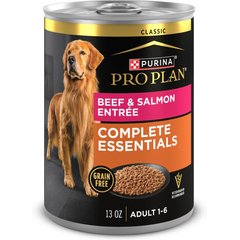
Select food designed for puppies, rich in fiber and nutrients. Puppy formulas support healthy digestion and bowel movements. Avoid feeding adult dog food, as it may lack needed fiber. High-quality puppy food keeps stools soft and easy to pass.
Maintaining Proper Hydration
Water helps soften stool and supports digestion. Always offer fresh, clean water throughout the day. Encourage your puppy to drink by placing bowls in easy spots. Proper hydration reduces chances of constipation.
Regular Exercise
Movement stimulates the digestive system and promotes healthy bowels. Playtime and walks help your puppy stay active and regular. Gentle exercise prevents sluggish digestion and constipation. Aim for daily activity suited to your puppy’s age and breed.
Credit: www.petmd.com
Alternatives To Adult Dog Food For Puppies
Choosing the right food for your puppy is crucial to avoid digestive issues like constipation. Adult dog food often lacks the specific nutrients and fiber balance puppies need to support their growing digestive systems. Luckily, there are effective alternatives that can keep your puppy healthy and happy without risking discomfort.
Puppy-specific Formulas
Puppy-specific formulas are designed with balanced nutrients tailored to a puppy’s digestive needs. These foods usually contain higher levels of fiber and essential nutrients that promote healthy digestion and regular bowel movements.
Brands like Royal Canin and Hill’s Science Diet offer puppy formulas that many pet owners trust. Have you noticed your puppy’s stool becoming firmer or more regular after switching to a puppy-specific food? That’s a sign these formulas work well.
Homemade Diet Options
If you prefer preparing meals yourself, homemade diets can be a good alternative. You can add easily digestible ingredients like boiled chicken, pumpkin, and rice, which are gentle on your puppy’s stomach and help prevent constipation.
Be cautious with portion sizes and nutrient balance, though. Consulting with a vet or canine nutritionist can help you create a meal plan that supports your puppy’s growth without digestive issues.
Supplements To Aid Digestion
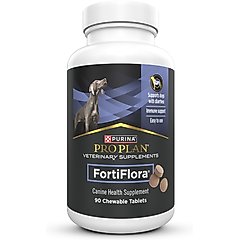
Sometimes, even the best diet needs a little help. Digestive supplements, such as probiotics or fiber powders, can improve gut health and promote regular bowel movements.
Adding a small amount of pumpkin puree or a vet-recommended probiotic to your puppy’s meals might make a noticeable difference. Have you tried supplements to ease your puppy’s digestion? Sharing your experience could help others facing similar challenges.
Credit: www.petmd.com
Frequently Asked Questions
Can Adult Dog Food Cause Constipation In Puppies?
Yes, adult dog food can cause constipation in puppies due to its higher fiber and protein levels. Puppies need specially formulated food for proper digestion and nutrient absorption.
How Does Adult Dog Food Affect Puppy Digestion?
Adult dog food is denser and harder to digest for puppies. It may lead to digestive issues like constipation, diarrhea, or upset stomach.
When Should I Switch My Puppy To Adult Dog Food?
Switch to adult dog food when your puppy reaches about one year old or as advised by your vet. Gradually transition to avoid digestive upset.
What Are Signs Of Constipation In Puppies?
Signs include hard stools, straining during bowel movements, infrequent pooping, and discomfort. If you notice these, consult your vet promptly.
Conclusion
Feeding adult dog food to a puppy can cause constipation. Puppies need food made just for them. Their bodies handle nutrients differently than adult dogs. Always choose puppy-specific food for healthy digestion. Watch your puppy’s bathroom habits closely. If constipation happens, switch back to puppy food.
Good nutrition helps puppies grow strong and happy. Simple care keeps their tummy comfortable and healthy. Trust the right food for your puppy’s needs.