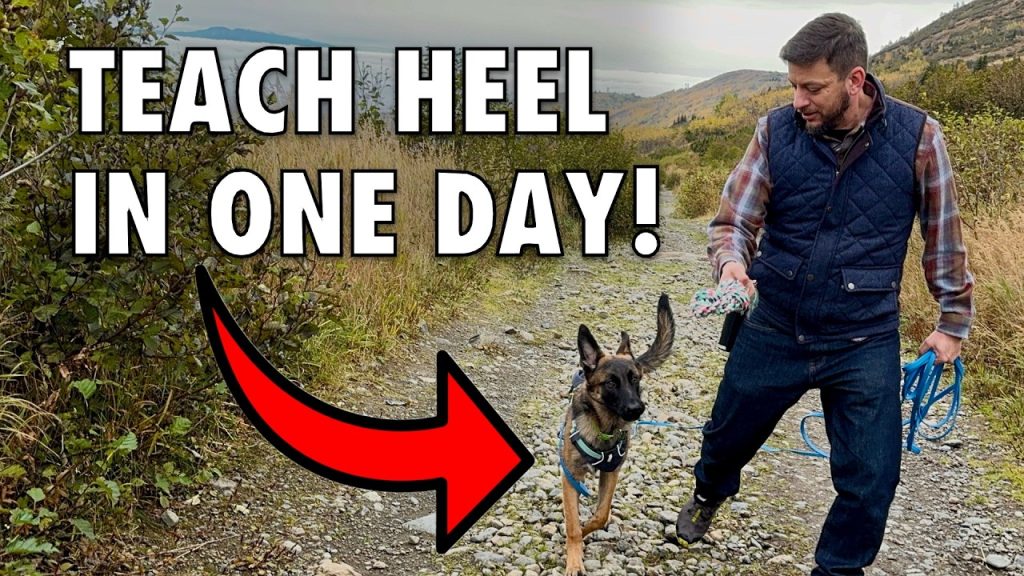

Do you want your dog to walk calmly right beside you, without pulling or wandering off? Training your dog to stay by your side can make every walk more enjoyable and safer for both of you.
Imagine having a furry friend who listens closely and sticks with you, no matter where you go. In this guide, you’ll discover simple, effective steps to teach your dog this valuable skill. Keep reading, and soon your walks will be peaceful, fun, and full of connection.
Benefits Of Side Stay
Teaching your dog to stay by your side has many benefits. It helps keep your dog safe and makes walks more enjoyable. This simple command also strengthens the bond between you and your pet. Here are some key advantages of training your dog to stay close to you.
Safety And Control
Having your dog stay by your side keeps them safe from traffic and other hazards. You can quickly control your dog in busy or crowded places. This reduces the risk of your dog running away or getting lost. It also helps prevent conflicts with other dogs or people.
Improved Walk Experience
Walking with your dog by your side makes the walk smoother and more relaxed. Your dog is less likely to pull or tug on the leash. This creates a calm and enjoyable walk for both of you. You can focus on the environment instead of managing your dog.
Building Stronger Bond
Training your dog to stay close creates trust and respect between you. Your dog learns to listen and follow your commands. This training time is a chance to spend quality moments together. It makes your relationship stronger and happier.

Credit: pupford.com
Essential Tools For Training
Training your dog to stay by your side needs the right tools. These tools help your dog learn faster and stay focused. Having the best equipment makes training easier and safer. Choose tools that fit your dog’s size and personality. This section covers the key items for effective training.
Leash And Collar Selection
Pick a leash that is strong but light. A 4 to 6-foot leash works well for control. Choose a collar that fits comfortably, not too tight or loose. Flat collars or harnesses are good choices for training. Avoid retractable leashes as they reduce control. Check your dog’s comfort often during training sessions.
Treats And Rewards
Use small, soft treats that your dog loves. Treats should be easy to chew and swallow quickly. Reward your dog immediately after the correct behavior. Praise with a happy voice along with treats. Keep treats handy but limit the amount to avoid overfeeding. Variety in treats keeps your dog interested and motivated.
Clicker Or Marker Options
A clicker helps mark the exact moment of good behavior. It creates a clear signal your dog can understand. Use a consistent sound or word like “yes” as a marker. Click and treat right after your dog stays by your side. Marker tools improve communication and speed up learning. Practice using the clicker before starting formal training.
Preparing Your Dog
Begin by choosing a quiet space with few distractions to help your dog focus. Use treats and praise to encourage staying close and reward good behavior consistently. Practice short sessions daily, gradually increasing duration as your dog improves.
Training your dog to stay by your side requires preparation. A well-prepared environment helps your dog focus. Here’s how to create the ideal setting.Choosing A Quiet Space
Pick a calm area free from distractions. This helps your dog concentrate better. A quiet backyard or a spacious room works well. Ensure there are no toys or other pets around. This keeps your dog’s attention on you.Setting Short Training Sessions
Keep training sessions brief. Aim for about 5 to 10 minutes per session. Short sessions prevent your dog from losing interest. Consistent, short training periods are more effective. Over time, gradually increase the session length.Establishing Clear Commands
Use simple commands like “stay” or “heel.” Be consistent with the words you choose. Consistency helps your dog understand better. Combine commands with hand signals for clarity. Reward your dog each time they follow a command. Positive reinforcement encourages good behavior.
Credit: www.reddit.com
Teaching The Side Stay Command
Teaching the side stay command helps your dog walk closely by your side. This command keeps your dog calm and focused during walks. It builds good behavior and strengthens your bond. Training takes patience and clear communication.
Getting Your Dog’s Attention
Start by standing with your dog next to you. Use a calm voice to call your dog’s name. Make eye contact to keep your dog focused. Use a treat or toy to hold your dog’s attention. Avoid distractions to help your dog listen better.
Using Lure And Reward Techniques
Hold a treat near your dog’s nose. Slowly move the treat to your side to guide your dog. When your dog moves close to your side, give the treat immediately. Praise your dog with a happy voice. Repeat this several times to create a positive link.
Practicing Step-by-step
- Start indoors with few distractions.
- Ask your dog to come to your side using the lure.
- Reward every small success quickly.
- Gradually increase the time your dog stays by your side.
- Practice in different rooms and outside.
- Use a clear command like “stay close” each time.
- Keep sessions short and fun for your dog.
Increasing Duration And Distance
Increasing the duration and distance your dog stays by your side is key to solidifying this important behavior. It takes patience and consistency, but small, steady improvements will yield lasting results. Think about how long your dog can comfortably stay focused now, and challenge yourself to push that boundary just a little further each time.
Gradual Extension Of Stay Time
Start by asking your dog to stay by your side for a few seconds, then reward immediately. Gradually add a few seconds each session—this keeps your dog engaged without feeling overwhelmed.
For example, if your dog holds the stay for 5 seconds, try 7 seconds next. If you rush this, your dog might lose interest or get frustrated.
Keep sessions short but frequent to build endurance. Have you noticed how your dog reacts to longer waits? Adjust based on their comfort and attention span.
Walking With Controlled Distance
Once your dog masters staying still, introduce slow walking while maintaining the stay. Start with just a few steps and reward your dog for keeping pace.
Slowly increase the number of steps before rewarding. This teaches your dog to stay close even when in motion.
Use a short leash at first to guide your dog gently. How does your dog respond when you change speed or direction? Use those moments to reinforce the stay.
Maintaining Focus Amid Distractions
Dogs naturally get distracted, so practice in environments with mild distractions first, like your backyard or a quiet park.
Reward your dog for staying by your side despite noises or sights. Gradually increase distractions as your dog improves.
Try adding commands like “look at me” to regain your dog’s attention quickly. What distractions challenge your dog the most? Target those specifically to strengthen control.
Troubleshooting Common Issues
Training your dog to stay by your side can be challenging, especially when unexpected behaviors pop up. Troubleshooting common issues helps keep your training on track and your walks enjoyable. Understanding why your dog pulls, gets distracted, or wanders off can transform how you respond and improve your bond.
Dealing With Pulling
Pulling on the leash is one of the most common frustrations. It often means your dog is eager to explore or doesn’t understand the pace you want. Instead of yanking back, try stopping immediately when the leash tightens. Wait until your dog loosens the leash before moving forward again.
You can also reward your dog with treats or praise when they walk calmly beside you. This positive reinforcement teaches your dog that staying close brings rewards, not tension on the leash.
Handling Distractions
Distractions like squirrels, other dogs, or noises can make your dog lose focus quickly. The key is to anticipate these distractions and keep your dog engaged with you before they get pulled away. Use a cheerful voice and a favorite treat or toy to regain their attention.
Practice in low-distraction areas first. Gradually increase distractions as your dog improves. Have you noticed your dog responds better when you change your tone or body language? Use that to your advantage.
Correcting Wandering Behavior
When your dog starts drifting away from your side, it can feel like your control is slipping. Gently guide them back using a leash or a cue word like “close” or “heel.” Consistency is key here—always reward your dog when they return to your side promptly.
If your dog tends to wander during walks, shorten the leash length temporarily to keep them closer. Over time, as they learn the behavior, you can give more freedom. Have you tried mixing short walks with focused training sessions to improve this habit?
Advanced Tips For Consistency
Advanced tips for consistency help keep your dog focused and obedient. Training your dog to stay by your side takes practice beyond basic commands. Consistent routines build trust and clear communication between you and your dog.
These tips make training more effective and fun. They help your dog understand expectations in different situations. Consistency is key for lasting behavior, especially in busy or distracting places.
Incorporating Commands In Daily Walks
Use daily walks to practice the “stay by my side” command naturally. Keep your dog close and reward calm behavior often. Change your pace and direction to keep your dog alert.
Stop frequently and ask your dog to stay beside you. Praise or treat your dog when it follows well. These small moments reinforce the habit without extra training time.
Using Variable Rewards
Give rewards at different times, not always after every command. This keeps your dog guessing and more eager to obey. Use treats, praise, or play as rewards.
Sometimes reward with a small treat, other times with a quick pet or kind word. This unpredictability encourages your dog to stay focused longer.
Practicing In Different Environments
Train your dog in various places to build strong habits. Start in quiet areas, then try parks or busy streets. Each new environment offers new distractions to overcome.
Keep training sessions short and positive to avoid stress. Consistent practice in many settings helps your dog stay calm and close, no matter the place.
Credit: theonlinedogtrainer.com
Frequently Asked Questions
How Long Does It Take To Train A Dog To Stay By Your Side?
Training duration varies, but consistent daily sessions of 10-15 minutes usually show results in 2-4 weeks. Patience and positive reinforcement speed up learning.
What Commands Help Teach A Dog To Stay Close?
Common commands include “heel,” “stay,” and “come. ” Use clear, consistent words combined with hand signals for effective training.
Can All Dog Breeds Learn To Stay By Your Side?
Yes, all breeds can learn this behavior. Training methods may vary based on breed temperament and energy levels.
How Can I Prevent My Dog From Wandering During Walks?
Use a short leash initially and reward your dog for staying close. Gradually increase freedom as they respond reliably.
Conclusion
Training your dog to stay by your side builds trust and safety. Practice often and stay patient with your pet. Use rewards to encourage good behavior each time. Keep sessions short to hold your dog’s attention. Consistency helps your dog learn faster and better.
Enjoy the time spent growing your bond together. Small steps lead to big progress over time. Your dog will feel happy and secure close to you. Keep training fun and positive to see great results.