
Have you ever wondered if raw dog food is safe for humans? Maybe you’ve seen those raw meat blends for dogs and thought, “Could I eat this too?” It’s a question that’s more common than you might think.
Understanding the risks and benefits is crucial before you take a bite or even handle it. You’ll discover what raw dog food really contains, the potential dangers it poses to your health, and important tips to keep you and your family safe.
Keep reading—you might be surprised by what you learn.
Raw Dog Food Basics
Understanding the basics of raw dog food is essential, especially if you’re curious about its safety for humans. Raw dog food often consists of fresh ingredients that are meant to provide pets with nutrients close to their natural diet. But what exactly goes into these meals, and how do their nutritional values compare to what humans need?
Common Ingredients
Raw dog food usually contains a mix of:
- Raw meat such as beef, chicken, or lamb
- Organ meats like liver and kidneys
- Vegetables and fruits in small amounts
- Bone fragments for calcium
- Supplements like fish oil or probiotics
These ingredients are chosen to mimic a dog’s ancestral diet. However, some of these components, especially raw meat and bones, can carry bacteria harmful to humans. Have you ever thought about how handling raw pet food compares to preparing your own meals?
Nutritional Value
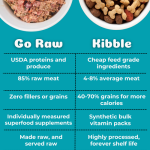
Raw dog food is designed to meet the nutritional needs of dogs, focusing on protein, fat, and essential vitamins. It often has a higher protein content than typical human diets. For example, organ meats provide concentrated nutrients like vitamin A and iron.
But what does this mean for humans? While these nutrients are beneficial, the balance and preparation methods may not be safe or suitable for you. It’s important to remember that your digestive system and immune defenses differ from your dog’s.

Credit: www.meetmaev.com
Health Risks For Humans
Handling raw dog food can expose humans to several health risks. These risks arise from harmful bacteria, parasites, and poor hygiene during preparation. Understanding these dangers helps protect you and your family from illnesses.
Bacterial Contamination
Raw dog food often contains bacteria like Salmonella and E. coli. These bacteria can cause severe stomach pain, diarrhea, and fever in humans. Pets may carry these bacteria without showing signs, spreading them to people. Proper handwashing and cleaning surfaces is crucial after handling raw food.
Parasites And Pathogens
Raw meat may harbor parasites such as Toxoplasma gondii or tapeworms. These parasites can infect humans, causing flu-like symptoms or more serious health problems. Cooking meat kills parasites, but raw dog food lacks this safety step. Avoid touching your face or mouth while preparing raw food.
Cross-contamination Concerns
Cross-contamination happens when bacteria spread from raw food to other items. Using the same cutting board or utensils for raw food and human food risks infection. Clean all tools and surfaces thoroughly after contact with raw dog food. Store raw food separately from human food in the fridge.
Safe Handling Practices
Raw dog food can carry harmful bacteria that affect humans. Always wash hands and surfaces after handling to avoid illness. Use separate utensils and store food properly to stay safe.
Handling raw dog food with care is crucial to ensure safety, especially if there are curious little hands or pets around. While raw dog food can be beneficial for your furry friend, it poses certain risks to humans if not managed properly. By adopting safe handling practices, you can protect both yourself and your family from potential health issues.Storage Tips
Storing raw dog food correctly is your first line of defense against harmful bacteria. Always keep raw dog food in a dedicated section of your freezer or refrigerator. Ensure it’s tightly sealed in airtight containers to prevent cross-contamination with human food. Label containers with dates to track how long the food has been stored. This prevents you from inadvertently using spoiled food. Remember, freezing doesn’t kill bacteria—it just keeps them dormant.Proper Hygiene
Maintaining personal hygiene is essential when dealing with raw dog food. Wash your hands thoroughly with soap and water before and after handling the food. Even a brief contact can transfer bacteria onto surfaces or your skin. Use disposable gloves if possible, particularly if you have cuts or abrasions on your hands. This small step can significantly reduce the risk of infection. Encourage family members to adopt the same habits to ensure everyone’s safety.Cleaning Surfaces And Utensils
Surfaces and utensils need immediate cleaning after contact with raw dog food. Use hot, soapy water to wash knives, cutting boards, and bowls. Better yet, have a set of utensils dedicated exclusively to pet food. Disinfect countertops with a solution of one tablespoon of bleach per gallon of water. This helps eliminate any lingering bacteria. Consider this: how often do you sanitize areas your dog frequents? Regular cleaning can make a huge difference in maintaining a healthy environment.
Credit: gorawpetfood.com
Comparing Raw And Cooked Foods
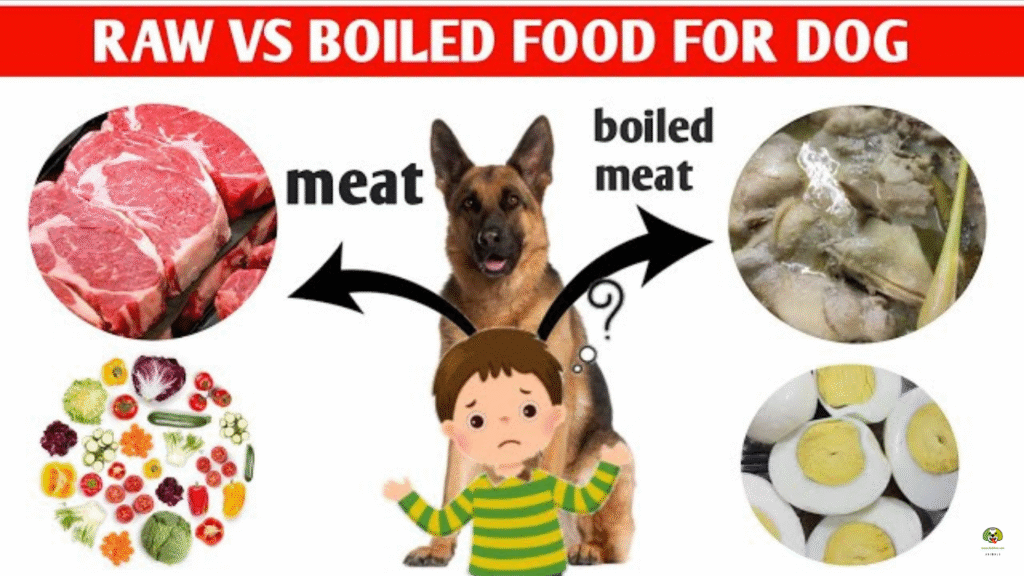
Raw and cooked foods offer different benefits and risks. Understanding these differences helps decide if raw dog food is safe for humans. Both types affect nutrient content and safety. This section compares raw and cooked foods for better insight.
Nutrient Differences
Raw foods keep more vitamins and enzymes intact. Cooking can destroy heat-sensitive nutrients like vitamin C and some B vitamins. Protein structures change during cooking, which may make them easier to digest. Minerals usually stay stable in both raw and cooked foods.
Here is a simple comparison:
| Nutrient | Raw Food | Cooked Food |
|---|---|---|
| Vitamins | Higher in heat-sensitive vitamins | Reduced heat-sensitive vitamins |
| Proteins | More natural form | Easier to digest |
| Minerals | Stable | Stable |
Safety Levels
Raw foods carry a higher risk of bacteria and parasites. Pathogens like Salmonella and E. coli can be present. Cooking kills most harmful germs, making food safer. Humans are more vulnerable to foodborne illnesses than dogs.
Risks from raw dog food include:
- Bacterial infections
- Parasite exposure
- Cross-contamination during handling
Proper hygiene and sourcing reduce risks but do not eliminate them. Cooked foods offer a safer choice for human consumption. Caution is essential when handling any raw meat product.
Expert Opinions And Guidelines
Experts provide clear guidance on the safety of raw dog food for humans. They focus on risks like bacteria and parasites that can cause illness. Understanding their views helps make safer choices.
Veterinary Advice
Veterinarians often warn against sharing raw dog food with humans. Raw meat can carry harmful bacteria such as Salmonella and E. coli. These can cause serious infections, especially in children, elderly, or those with weak immune systems.
Vets recommend thorough hand washing after handling raw dog food. They advise against tasting or eating it. Pets may handle the food without problems, but human digestion and immunity differ.
Some vets suggest cooking pet food to reduce health risks. Cooking kills bacteria and parasites. This approach is safer for both pets and owners.
Health Organization Recommendations
Health groups like the CDC and FDA warn about raw pet food risks. They list common dangers including bacterial contamination and cross-contamination in kitchens. These risks can lead to food poisoning.
These organizations advise against humans eating raw dog food. They stress proper hygiene when preparing pet meals. Recommendations include:
- Washing hands thoroughly with soap and water
- Cleaning surfaces and utensils after contact
- Storing raw pet food separately from human food
- Using gloves when handling raw pet food
Following these guidelines helps reduce the chance of illness from raw dog food. Health experts agree that raw dog food is not safe for human consumption.
Alternatives To Raw Dog Food
Choosing the right food for dogs is important for their health. Some pet owners prefer raw dog food, but safety can be a concern. Many alternatives provide balanced nutrition without the risks linked to raw diets. These options suit various lifestyles and budgets.
Commercial Kibble And Cans
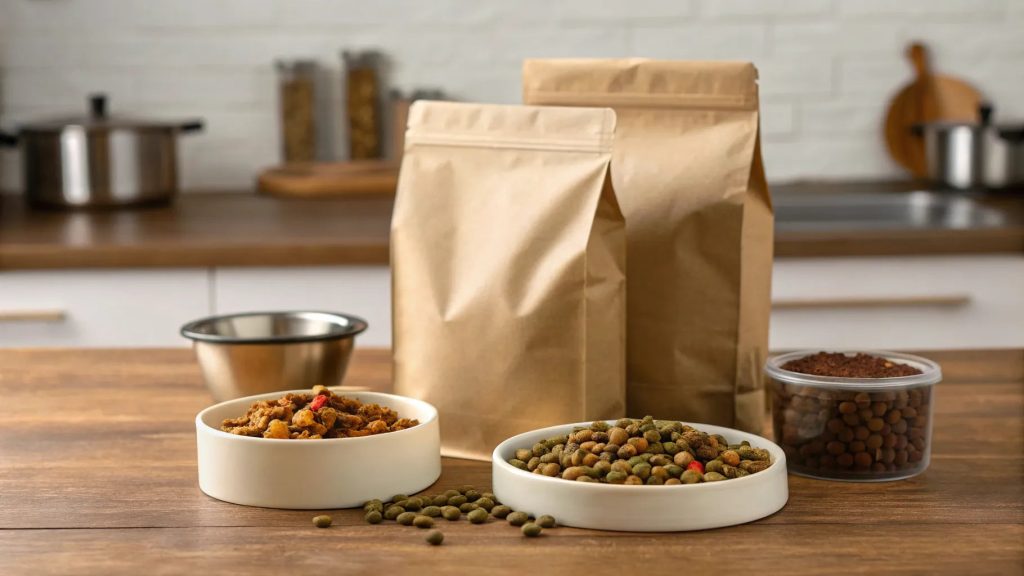
Commercial dog food comes in dry kibble and canned varieties. They undergo strict safety checks before sale. These foods have vitamins, minerals, and proteins in balanced amounts. Easy to store and serve, they save time and effort.
Look for brands with clear ingredient lists and good reviews. Many formulas cater to specific needs like age or health issues. This option offers convenience without compromising nutrition.
Homemade Cooked Meals
Homemade cooked meals give full control over ingredients. Cooking kills harmful bacteria that raw food might carry. You can include lean meats, vegetables, and grains.
Consult a vet or pet nutritionist to ensure meals are complete. Balanced recipes prevent nutrient gaps and promote good health. This choice suits those who enjoy preparing fresh food daily.
Final Safety Tips
Handling raw dog food requires careful attention to safety. It’s not just about protecting your pet but also about keeping yourself and your family safe. These final safety tips will help you manage raw dog food with confidence and caution.
Who Should Avoid Contact
Certain groups of people should be extra cautious around raw dog food. This includes young children, pregnant women, elderly individuals, and anyone with a weakened immune system.
Your immune system plays a big role in fighting off bacteria that can be present in raw meat. If you fall into any of these groups, it’s best to avoid handling raw dog food altogether or use gloves and wash hands thoroughly afterward.
Think about the last time you handled raw meat—did you wash your hands properly before touching your face or other surfaces? Avoiding contact or practicing strict hygiene can prevent serious health risks.
When To Seek Medical Help
Sometimes, despite precautions, exposure to harmful bacteria can happen. If you experience symptoms like nausea, vomiting, diarrhea, or fever after handling raw dog food, don’t ignore them.
These symptoms could indicate food poisoning or an infection. Visit your healthcare provider promptly to get the right treatment.
Don’t hesitate to seek help if you notice unusual symptoms, especially if they worsen or last more than a day. Early medical care can prevent complications and speed up your recovery.
Credit: thekirna.com
Frequently Asked Questions
Is Raw Dog Food Safe For Human Consumption?
Raw dog food is not safe for humans due to potential harmful bacteria. It may contain pathogens like Salmonella and E. coli. Humans require food prepared under strict hygiene standards to avoid illness. Always consume food meant and processed for human consumption only.
What Are The Health Risks Of Eating Raw Dog Food?
Eating raw dog food can cause food poisoning and infections. It may contain harmful bacteria that lead to diarrhea, vomiting, and fever. Immune-compromised individuals face higher risks. Avoid consuming raw pet food to prevent serious health issues.
Can Raw Dog Food Transmit Diseases To Humans?
Yes, raw dog food can transmit zoonotic diseases to humans. Pathogens in raw meat can spread via cross-contamination. Proper hygiene and avoiding direct contact with raw pet food reduce infection risks. Always wash hands after handling pet food.
Why Is Raw Dog Food Not Recommended For People?
Raw dog food lacks safety controls for human consumption. It may harbor harmful microbes and parasites. Human digestive systems differ from dogs, increasing infection chances. Stick to human-grade foods prepared with strict safety measures.
Conclusion
Raw dog food is not safe for humans to eat. It can carry harmful bacteria and parasites. These can cause serious illness in people. Always handle raw dog food with care. Wash your hands and surfaces well after contact. Stick to foods made for human consumption.
Your health matters most. Stay safe by avoiding raw dog food as a meal. Remember, what is good for dogs isn’t always good for you. Choose your food wisely and stay healthy.