
If your dog has been diagnosed with cancer, you’re likely searching for every way to help them feel better. One question you might be asking is: Is raw food good for dogs with cancer?
You want to give your furry friend the best care possible, and diet plays a big role in their health. But with so much conflicting information out there, it’s hard to know what’s truly right. You’ll discover how raw food can affect your dog’s body, the potential benefits and risks, and what experts say.
Keep reading to find out if switching to a raw diet could be a game-changer for your dog’s fight against cancer.
Cancer And Canine Nutrition
Cancer impacts a dog’s body in many ways, changing its nutritional needs. Proper nutrition supports strength and healing during this tough time. Understanding how cancer alters diet helps owners make better food choices for their pets.
How Cancer Affects Dogs’ Diet
Cancer can lower a dog’s appetite and cause weight loss. Tumors may affect digestion and nutrient absorption. Dogs might feel tired or sick, leading to less food intake. Cancer treatments like chemotherapy also bring side effects that change eating habits. These changes make nutrition a key part of care.
Nutritional Needs During Treatment
Dogs with cancer need a diet rich in protein to maintain muscle mass. Healthy fats provide energy and support the immune system. Carbohydrates should be easy to digest and low in sugar. Vitamins and minerals help the body fight illness and heal faster. Food must be tasty and gentle to encourage eating.
Raw Food Diet Basics
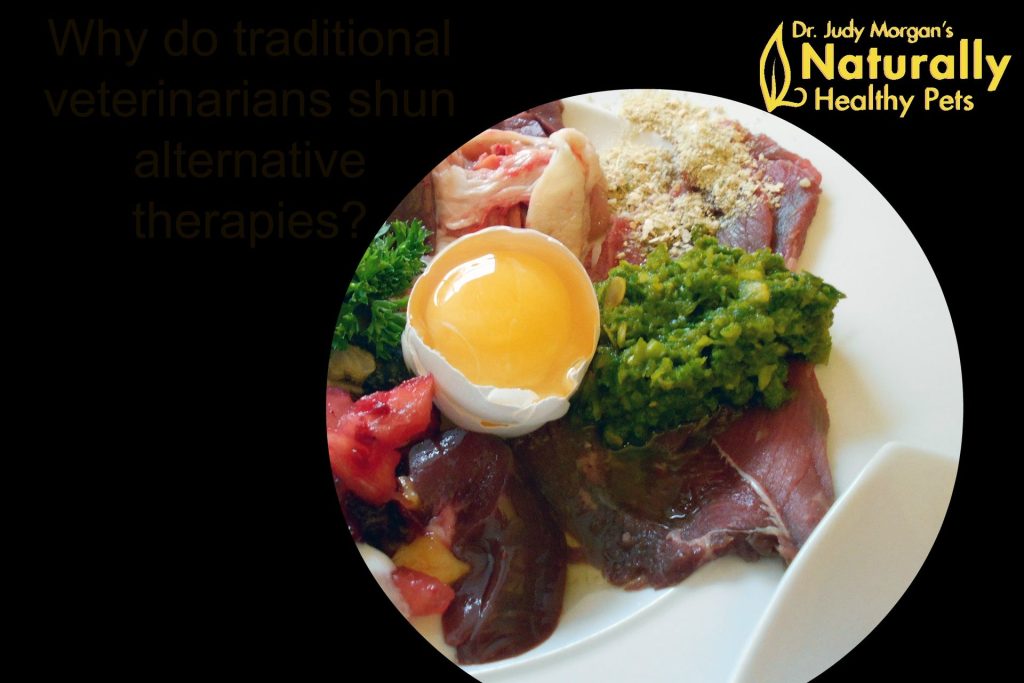
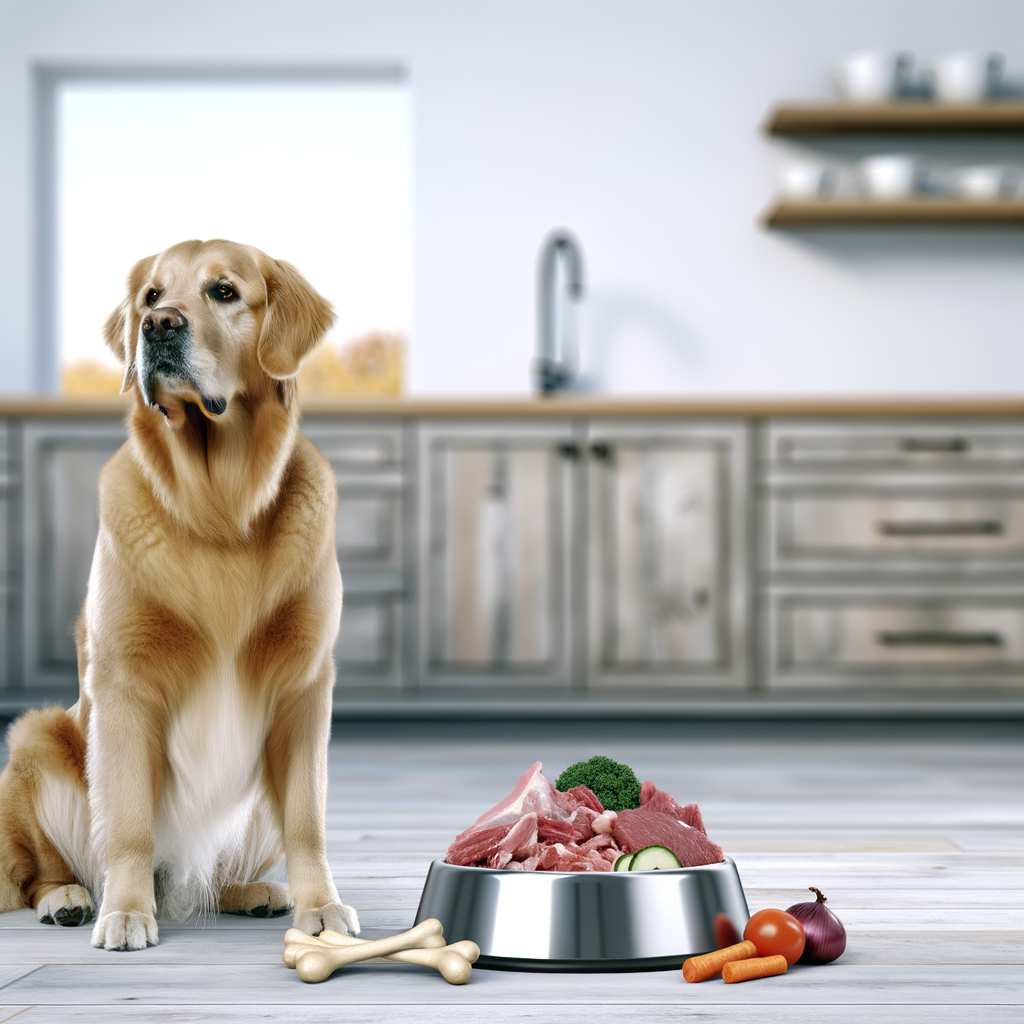
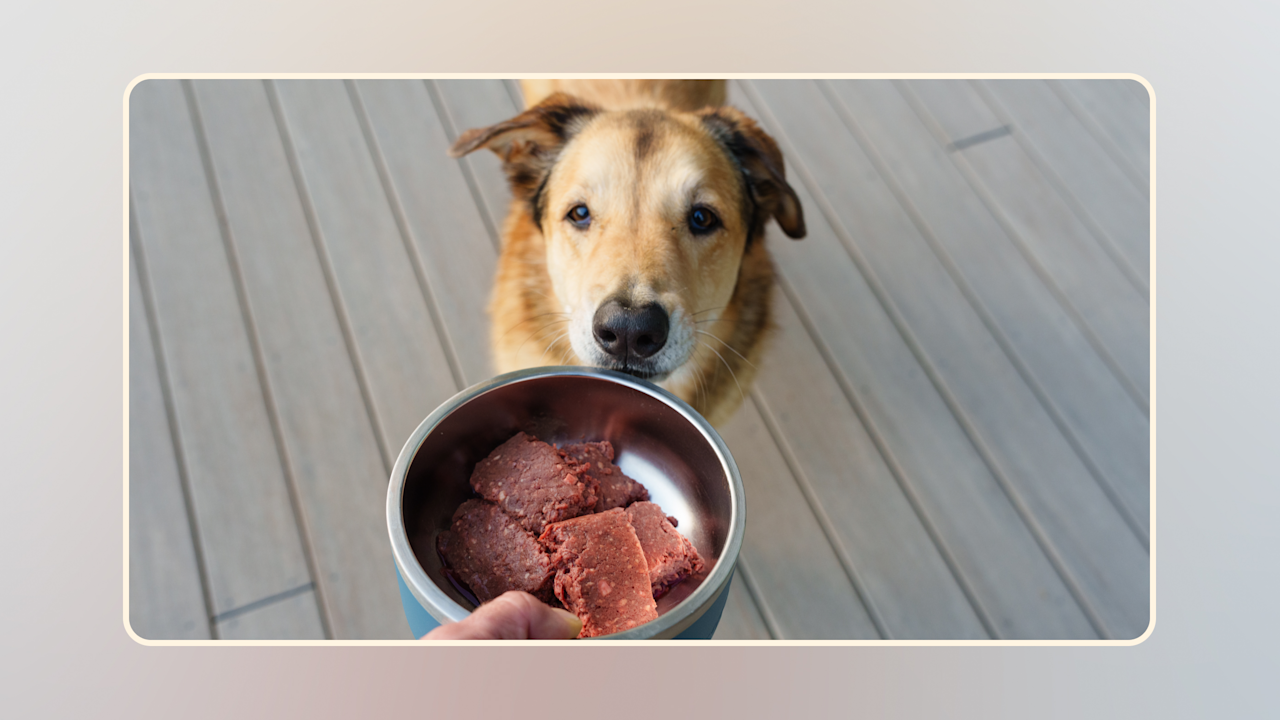
Raw food diets for dogs focus on feeding them uncooked ingredients. This approach aims to mimic what wild dogs eat. It includes fresh meats, bones, and some vegetables. Many pet owners believe this diet supports health and well-being. Understanding the basics helps decide if it suits a dog with cancer.
Components Of A Raw Diet
- Raw muscle meat, often with some fat
- Raw bones, either whole or ground
- Organ meats such as liver and kidneys
- Fresh vegetables like carrots, spinach, or broccoli
- Some fruits in small amounts
- Supplements such as fish oil or vitamins, if needed
These ingredients combine to provide protein, fat, vitamins, and minerals. The balance depends on the dog’s specific needs and health condition.
Benefits Claimed By Advocates
- Improved digestion and nutrient absorption
- Healthier skin and shinier coat
- Increased energy and vitality
- Stronger immune system support
- Reduced allergies and food sensitivities
- Better dental health due to chewing raw bones
Advocates suggest these benefits may help dogs fight illness. Yet, it is essential to consult a vet before starting any new diet.
Experts Weigh In On Raw Food For Cancer
Many dog owners explore raw food diets for their pets. This interest grows when facing a cancer diagnosis. Understanding raw food’s role requires expert insights. Let’s delve into what the experts say.
Veterinary Perspectives
Veterinarians often approach raw diets with caution. They highlight potential risks. Raw food can contain harmful bacteria. This poses a threat to dogs with weakened immune systems. Yet, some vets acknowledge the diet’s benefits. It may improve coat health and energy levels. Consultation with a vet ensures a safe diet plan.
Oncologist Opinions
Oncologists focus on cancer treatment. They stress balanced nutrition. Raw diets lack clear evidence in cancer treatment. Some oncologists support raw diets for certain cases. This depends on the dog’s condition and cancer type. Individualized plans are crucial.
Nutritionist Insights
Nutritionists emphasize nutrients in a dog’s diet. They recognize raw food’s potential benefits. Raw diets are rich in protein and vitamins. Yet, balance is key. Nutritionists recommend a well-rounded diet. This includes all essential nutrients. They advise working closely with a professional.
Potential Risks Of Raw Feeding
Feeding raw food to dogs with cancer might seem like a natural choice, but it comes with its own set of risks that you need to understand. Before you make any changes to your dog’s diet, it’s important to weigh these potential dangers carefully. Let’s look closely at what raw feeding might mean for your dog’s health and safety.
Bacterial Contamination Concerns
Raw meat can harbor harmful bacteria such as Salmonella and E. coli. These bacteria pose a serious threat not only to your dog but also to your family through cross-contamination. Dogs with cancer often have weaker immune systems, making them more vulnerable to infections that could worsen their condition.
Have you thought about how you handle raw food? Even a small mistake in hygiene can lead to dangerous bacterial growth. You might want to ask yourself: is the risk of infection worth the potential benefits?
Nutritional Imbalances
Raw diets can easily lack essential nutrients or contain too much of some elements like calcium or phosphorus. These imbalances can affect your dog’s overall health and recovery process. Without proper guidance, you might unintentionally harm your dog by missing vital vitamins or minerals.
It’s not just about feeding raw but feeding right. Have you checked if your dog’s raw diet meets all nutritional needs? Consulting a veterinary nutritionist could save you from costly mistakes.
Impact On Immunocompromised Dogs
Cancer and its treatments often weaken your dog’s immune system. This makes them less capable of fighting off infections from bacteria commonly found in raw foods. Feeding raw to an immunocompromised dog might increase the risk of severe illness or complications.
Would you risk exposing your dog to extra health threats during such a vulnerable time? Sometimes, safer, cooked or specially formulated diets provide better protection without compromising nutrition.
Scientific Evidence And Studies
Scientific evidence plays a key role in deciding the best diet for dogs with cancer. Studies help us understand how raw food affects a dog’s health during cancer treatment. Research provides facts on nutrition, immune support, and overall wellbeing.
It is important to look at real data from studies rather than opinions. This section reviews the science behind raw diets and compares them to traditional dog foods used in cancer care.
Research On Raw Diets In Cancer Care
Some studies explore how raw diets influence cancer progression in dogs. Researchers examine nutrient levels, antioxidants, and immune system effects. Raw food often contains more natural enzymes and vitamins than cooked food. These nutrients may help support the immune system during cancer.
Research has found that raw diets may reduce inflammation in some dogs. Inflammation can worsen cancer symptoms. A diet rich in fresh, unprocessed ingredients might improve energy and appetite. Yet, not all studies agree on the benefits. More research is needed to confirm long-term effects.
Comparisons With Traditional Diets
Traditional dog diets usually include cooked or processed ingredients. These foods often have preservatives and lower nutrient levels. Studies comparing raw and traditional diets show mixed results. Some dogs on raw diets have better digestion and nutrient absorption.
Other research highlights safety concerns with raw diets, such as bacteria risks. Traditional diets are generally considered safer and more consistent. Nutritional balance in commercial diets is strictly controlled. Cancer care diets may include special formulations to support treatment.
Choosing the right diet depends on the dog’s health, cancer stage, and veterinarian advice. Both raw and traditional diets have pros and cons backed by research.
Credit: greatergood.com
Practical Tips For Feeding Dogs With Cancer
Feeding a dog with cancer requires special care and attention. Raw food can offer nutrients, but preparation is key. Careful planning helps support your dog’s health and comfort during treatment.
Safe Raw Food Preparation
Cleanliness is crucial to avoid infections. Always wash your hands before and after handling raw meat. Use separate cutting boards for raw food and other ingredients. Keep raw food refrigerated and use fresh ingredients only.
- Choose high-quality, fresh meat from trusted sources.
- Freeze meat for a few days to kill parasites.
- Include a variety of meats to provide balanced nutrition.
- Remove bones that can splinter and cause harm.
- Wash all utensils and surfaces thoroughly after use.
Monitoring Dog’s Response
Watch your dog closely after changing their diet. Look for signs like energy levels, appetite, and stool quality. Note any vomiting, diarrhea, or unusual behavior. Keep a daily journal to track changes. Adjust portions and ingredients based on your dog’s tolerance and preferences.
When To Seek Professional Advice
Consult your veterinarian before starting a raw food diet. Ask for guidance tailored to your dog’s cancer type and stage. Seek help if your dog loses weight or shows signs of discomfort. A vet can recommend supplements or alternative diets if needed. Regular check-ups ensure your dog stays healthy during treatment.
Alternative Dietary Approaches
Alternative dietary approaches can play a crucial role in supporting dogs with cancer. These options often complement traditional treatments and aim to improve your dog’s quality of life. Understanding these approaches helps you make informed decisions tailored to your pet’s unique needs.
Cooked And Prescription Diets
Cooked diets give you full control over what your dog eats. You can select fresh ingredients that avoid preservatives and fillers found in some commercial foods. Many pet owners find that home-cooked meals help their dogs feel more energetic and comfortable during treatment.
Prescription diets are specially formulated by veterinarians to support dogs with cancer. These diets often focus on reducing inflammation and boosting the immune system. Have you discussed with your vet whether a prescription diet might benefit your dog’s specific condition?
Supplements And Nutraceuticals
Supplements like omega-3 fatty acids, antioxidants, and probiotics can support your dog’s overall health during cancer treatment. These nutrients may help reduce inflammation and improve digestion. Before adding supplements, consult your vet to avoid harmful interactions with medications.
Nutraceuticals, such as medicinal mushrooms and green tea extracts, are gaining attention for their potential cancer-fighting properties. Some pet owners report noticeable improvements in energy and appetite when using these products. Would you consider trying nutraceuticals as part of your dog’s care plan?
Credit: wefeedraw.com

Credit: gorawpetfood.com
Frequently Asked Questions
Is Raw Food Safe For Dogs With Cancer?
Raw food can be safe if properly balanced and hygienic. Consult your vet before switching to raw diets. Nutritional adequacy and food safety are critical for dogs with cancer.
Can Raw Food Improve A Dog’s Cancer Symptoms?
Some believe raw food boosts immunity and digestion. However, scientific evidence is limited. Monitor your dog’s response and consult a vet regularly.
What Nutrients Are Essential In A Raw Cancer Diet?
Proteins, antioxidants, vitamins, and minerals are vital. Raw diets should include lean meats, vegetables, and supplements. Proper nutrient balance supports overall health and cancer care.
Are There Risks Feeding Raw Food To Cancer Dogs?
Yes, risks include bacterial infections and nutritional imbalances. Immunocompromised dogs are more vulnerable. Always practice safe food handling and vet guidance.
Conclusion
Raw food can offer benefits for dogs with cancer but needs care. Consult your vet before changing your dog’s diet. Each dog reacts differently to raw food. Nutrients in raw food might support health and energy. Always watch your dog’s condition and adjust feeding as needed.
Balanced nutrition helps dogs fight illness better. Keep your dog’s comfort and safety as top priority. Your vet’s advice is key to making the best choice.