
Are you curious about what raw dog food really is and whether it’s the right choice for your furry friend? Feeding your dog isn’t just about filling a bowl—it’s about giving them the best fuel to stay healthy, happy, and full of energy.
Raw dog food has been gaining attention, but it can feel confusing or even overwhelming at first. You’ll discover what raw dog food means, why some pet owners swear by it, and what you need to know before making a change.
Keep reading to find out how this feeding style could transform your dog’s health in surprising ways.
Raw Dog Food Basics
Raw dog food is a diet made from uncooked ingredients. It aims to mimic what wild dogs eat. Many pet owners choose raw food to support their dog’s health naturally. This section explains the basics of raw dog food and its key points.
What Raw Dog Food Includes
Raw dog food usually contains:
- Raw meat such as beef, chicken, or lamb
- Raw bones for calcium and minerals
- Organs like liver and kidneys
- Vegetables and fruits for vitamins and fiber
- Supplements to balance nutrients
These ingredients provide protein, fats, and essential nutrients. The food is fresh and free from cooking additives.
Types Of Raw Diets
There are several types of raw diets for dogs:
- BARF (Biologically Appropriate Raw Food)– Combines raw meat, bones, vegetables, and supplements.
- Prey Model Diet– Focuses on whole prey items like muscle, organs, and bones.
- Raw Meaty Bones (RMB)– Mainly raw bones with meat attached.
- Commercial Raw– Ready-made raw food from stores, often frozen or freeze-dried.
Each type suits different feeding styles and dog needs.
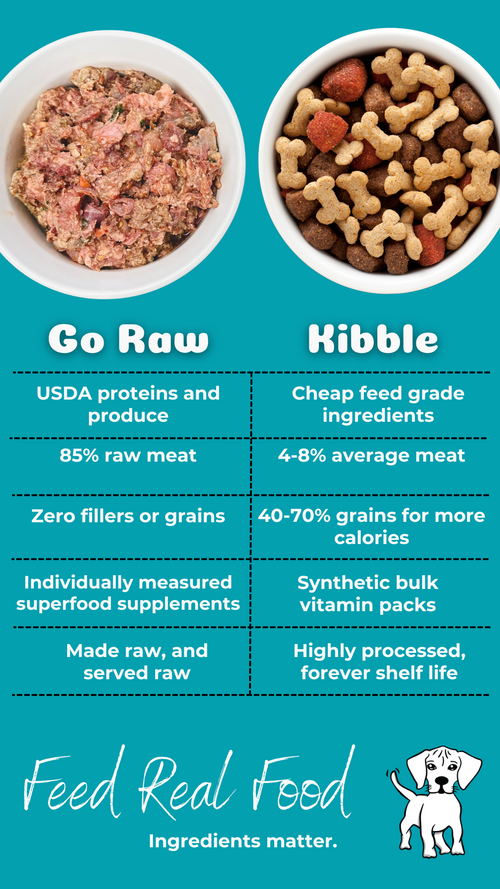
How Raw Food Differs From Kibble
| Aspect | Raw Food | Kibble |
|---|---|---|
| Preparation | Uncooked, fresh ingredients | Cooked and processed |
| Nutrition | Rich in natural enzymes and moisture | Lower moisture, fewer enzymes |
| Texture | Varied textures from soft to crunchy | Dry and crunchy pellets |
| Preservatives | No artificial preservatives | Contains preservatives for shelf life |
| Feeding Experience | Closer to natural eating habits | Less natural, more convenient |
Benefits Of Raw Feeding
Raw dog food offers natural nutrients that support healthy skin and a shiny coat. It can improve digestion and boost energy levels in dogs. Feeding raw helps maintain strong teeth and better overall health.
Raw feeding has gained popularity among dog owners. It offers numerous benefits for canine health. Switching to raw food can improve your dog’s overall well-being.Improved Digestion And Nutrient Absorption
Raw food is easy to digest. It contains natural enzymes. These enzymes help break down food efficiently. Dogs absorb nutrients better from raw meals. This can reduce digestive issues. It also supports a healthy gut.Healthier Skin And Coat
Raw diets can lead to a shiny coat. They are rich in essential fatty acids. These acids nourish the skin. Dry, itchy skin often improves. A glossy coat is a sign of good health.Increased Energy And Vitality
Dogs on raw diets often have more energy. They enjoy a more active lifestyle. Raw food provides natural proteins. These proteins boost strength. Your dog will feel more vibrant.Better Dental Health
Chewing raw bones helps clean teeth. It reduces tartar and plaque buildup. Fresh breath is a bonus. Good dental health is vital. It prevents serious issues later on.Risks And Concerns
Feeding your dog raw food might seem natural and healthy, but it comes with risks and concerns you should not ignore. Understanding these dangers helps you make informed decisions about your dog’s diet and health. Let’s look closely at some key issues you might face with raw dog food.
Bacterial Contamination
Raw meat can carry harmful bacteria like Salmonella and E. coli. These bacteria might not only make your dog sick but can also spread to your family through handling or contact.
Cleaning surfaces and washing hands after preparing raw food is crucial. Still, are you ready to manage the constant risk of contamination in your kitchen?
Nutritional Imbalances
Raw diets often lack the right balance of vitamins, minerals, and nutrients your dog needs. Missing essential nutrients can lead to health problems like weak bones or poor coat condition.
Supplementing raw meals requires careful planning or veterinary guidance. Have you considered how you’ll ensure your dog’s diet stays balanced over time?
Choking And Bone Hazards
Raw bones may seem safe but can splinter and cause choking or internal injuries. Your dog might also suffer from broken teeth or blockages if they swallow large bone pieces.
Choosing the right size and type of bones is important, but accidents can still happen. Would you feel confident monitoring your dog closely during every meal?
Cost And Preparation Time
Raw feeding can be expensive compared to commercial dog food. Buying quality meat and supplements adds up quickly.
Preparation takes time too—thawing, portioning, and cleaning require daily effort. Can you commit to the extra time and money needed to keep your dog on a raw diet?
Credit: wefeedraw.com
Choosing The Right Raw Diet
Choosing the right raw diet for your dog requires careful thought and planning. Dogs need balanced meals that support their health and energy. Raw feeding offers natural nutrition but varies by source and preparation. Understanding these differences helps pick the best option for your pet’s needs.
Commercial Vs. Homemade Raw Food
Commercial raw foods come pre-made and ready to serve. They often include a mix of meats, bones, and organs. These products usually follow strict safety and nutrition standards. Homemade raw diets allow full control over ingredients. You can customize meals based on your dog’s preferences and health. Homemade diets need careful planning to avoid missing nutrients. Choose commercial foods for convenience and consistency. Opt for homemade if you want personalized meals and have time to prepare them.
Key Nutrients To Include
A healthy raw diet must contain protein, fat, and essential vitamins. Muscle meat supplies protein and fat for energy. Organ meats provide vitamins A, D, and E. Bones help with calcium and phosphorus balance. Vegetables and fruits can add fiber and antioxidants. Avoid feeding too much of any single ingredient. Balance is vital to prevent deficiencies or excesses. Consult a vet or pet nutritionist for precise nutrient needs.
Safe Handling Practices
Raw food can carry bacteria harmful to dogs and humans. Always wash your hands before and after handling raw ingredients. Use separate cutting boards and utensils for raw meat. Store raw food in sealed containers in the refrigerator or freezer. Thaw frozen raw food in the fridge, not on the counter. Clean all surfaces and bowls thoroughly after feeding. Regularly check expiration dates and discard spoiled food. Safety protects your dog and your household from illness.
Transitioning To Raw Food
Switching your dog to a raw food diet takes time and care. A sudden change can upset their stomach. A smooth transition helps your dog adjust easily and enjoy their new meals. Patience and attention make this process successful.
Gradual Change Strategies
Start by mixing a small amount of raw food with your dog’s current food. Slowly increase the raw portion over 7 to 14 days. Watch for any signs of discomfort or refusal to eat. This slow change helps your dog’s digestive system adapt.
- Begin with 10% raw food and 90% old food.
- Increase raw food by 10% every few days.
- Maintain fresh water availability at all times.
Monitoring Your Dog’s Response
Check your dog’s energy levels and stool quality daily. Soft or runny stools may mean the transition is too fast. Loss of appetite or vomiting are signs to slow down. Healthy skin and shiny coat show good nutrition.
When To Consult A Veterinarian
Contact a vet if your dog shows ongoing digestive issues. Sudden weight loss or lethargy needs immediate attention. A vet can offer advice tailored to your dog’s health. Regular check-ups ensure your dog stays healthy on raw food.

Credit: www.petfoodprocessing.net
Common Myths About Raw Feeding
Raw feeding often sparks many questions and doubts among dog owners. Myths about raw diets spread quickly, making it hard to know the truth. Understanding these myths can help you decide what is best for your dog’s health and happiness.
Raw Diets Are Always Dangerous
Many people believe raw diets carry too many health risks. They worry about bacteria like Salmonella or E. coli. These risks exist but can be managed with safe handling and sourcing. Proper hygiene and fresh ingredients reduce dangers significantly. Many dogs thrive on raw food without issues.
Dogs Don’t Need Cooked Food
Some say dogs only need raw food, not cooked meals. Dogs are adaptable and can digest both raw and cooked food. Cooking can help break down some nutrients and kill harmful bacteria. The best diet depends on the dog’s health, age, and preferences. Balance matters more than just raw versus cooked.
Raw Food Solves All Health Issues
Raw food is not a cure-all for health problems. It can improve coat, energy, and digestion in some dogs. But it does not fix every illness or allergy. Veterinary care and proper nutrition remain essential. Raw feeding is one option, not a guaranteed solution.
Tools And Supplies For Raw Feeding
Raw feeding your dog requires more than just fresh ingredients. Having the right tools and supplies makes the process smooth and safe for both you and your pet. The right setup helps keep food fresh, portions accurate, and your kitchen clean.
Storage And Freezing Tips
Proper storage is key to preserving the nutrients in raw dog food. Use airtight containers or vacuum-sealed bags to prevent freezer burn and contamination.
Label each package with the date and type of meat so you can rotate stocks easily. Keeping a dedicated freezer drawer or bin just for dog food helps avoid mix-ups and cross-contamination with your own meals.
Do you check your freezer regularly to avoid forgotten food that might go bad? Regularly cleaning and organizing your storage space saves you from last-minute meal scrambles.
Essential Feeding Equipment
Accurate portioning tools make feeding easier and prevent overfeeding. Invest in a digital kitchen scale to measure each meal precisely based on your dog’s needs.
Separate bowls for food and water ensure your dog always has fresh hydration. Stainless steel bowls are durable and easy to clean, making them a popular choice among pet owners.
Consider having a silicone mat under feeding areas to catch spills and make cleanup faster. Have you noticed how little extras like this reduce daily mess and stress?
Cleaning And Sanitation
Raw feeding means handling raw meat, so cleaning is non-negotiable. Use hot soapy water or a pet-safe disinfectant to clean bowls and prep surfaces immediately after use.
Keep separate cutting boards and knives for your dog’s food to avoid cross-contamination with your own cooking utensils. This small step protects everyone’s health in your household.
Regularly wash your hands thoroughly before and after preparing raw meals. It’s a simple habit that dramatically reduces bacteria spread. How often do you pause to think about your food prep hygiene?

Credit: wefeedraw.com
Frequently Asked Questions
What Is Raw Dog Food Made Of?
Raw dog food mainly consists of uncooked meat, bones, organs, and sometimes fruits and vegetables. It mimics a natural diet for dogs, providing essential nutrients in their natural state.
Is Raw Dog Food Safe For My Pet?
When handled properly, raw dog food can be safe. It’s crucial to source quality ingredients and maintain hygiene to avoid bacterial contamination.
What Are The Benefits Of Raw Dog Food?
Raw dog food may improve coat shine, dental health, and energy levels. It offers natural nutrients that can enhance digestion and overall well-being.
Can All Dogs Eat Raw Dog Food?
Most dogs can eat raw food, but consult your vet first. Puppies, seniors, or dogs with health issues may need special diets.
Conclusion
Raw dog food can offer natural nutrition for your pet. It includes fresh meat, bones, and vegetables. Many dogs enjoy the taste and feel more energetic. Always check with your vet before changing diets. Safe handling and proper storage matter a lot.
Feeding raw food is a choice that needs care. Watch your dog’s health and adjust if needed. This diet suits some dogs better than others. Every pet is unique. Choose what works best for your furry friend.