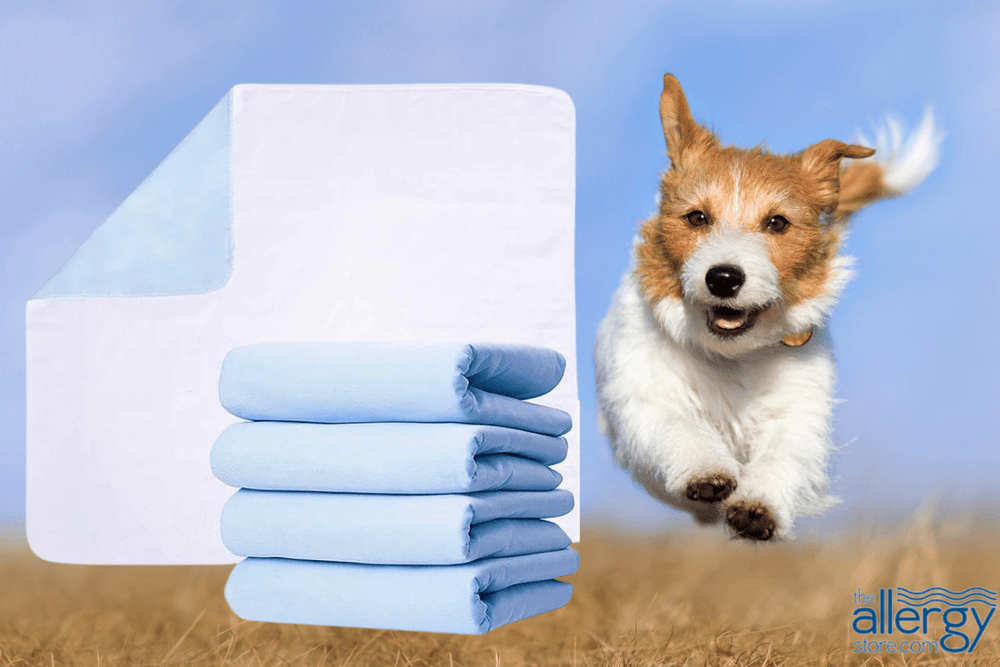

Training an older dog to use pee pads might seem challenging, but it’s completely possible—and can make your life much easier. If your dog is struggling with outdoor bathroom breaks or health issues, pee pads offer a simple, stress-free solution.
You might wonder where to start or worry that your dog won’t understand. Don’t worry—you’re not alone, and with the right approach, your furry friend can learn this new habit quickly. Keep reading, and you’ll discover easy steps to help your dog feel comfortable and confident using pee pads every time.
Choosing The Right Pee Pads
Choosing the right pee pads is key to training an older dog successfully. The right pad makes cleaning easier and helps your dog learn faster. It also keeps your home fresh and dry. Focus on quality, size, and placement to find the best fit for your dog’s needs.
Types Of Pee Pads
Pee pads come in different styles. Some have a plastic backing to stop leaks. Others have odor control to keep smells away. There are also eco-friendly pads made from natural materials. Picking the right type depends on your dog’s habits and your cleaning preference.
Size And Absorbency
Choose pads large enough for your dog’s size. Bigger dogs need bigger pads to avoid accidents. Look for high absorbency to soak up more liquid. This keeps the surface dry and comfortable for your dog. Pads with multiple layers absorb better and reduce leaks.
Placement Tips
Place pads in quiet, accessible spots. Avoid busy or noisy areas to help your dog feel safe. Keep pads away from food and water bowls. Change pads often to maintain cleanliness. Consistent placement helps your dog remember where to go.
Credit: www.chewy.com
Preparing Your Older Dog
Preparing your older dog to use pee pads requires patience and careful attention to their unique needs. Older dogs may face challenges like mobility issues or health conditions, so understanding their situation is essential. Creating a supportive environment will make the training smoother and less stressful for both of you.
Assessing Health Conditions
Before starting training, check your dog’s health thoroughly. Older dogs might have urinary tract infections, arthritis, or cognitive decline that affect their bathroom habits.
Visit your vet to rule out any medical issues that could cause accidents. Knowing your dog’s health status helps you set realistic expectations and choose the right training approach.
Establishing A Routine
Older dogs thrive on consistent schedules. Set regular times for bathroom breaks and pad use, aligning with their natural habits.
Keep the pee pads in the same spot to avoid confusion. A routine reduces anxiety and helps your dog understand when and where to go.
Have you noticed that your dog seems more comfortable with a steady daily rhythm? This consistency builds trust and improves training success.
Using Positive Reinforcement
Reward your dog immediately after they use the pee pad correctly. Praise, treats, or gentle petting motivates them to repeat the behavior.
Avoid punishment for accidents, as it can cause fear and slow progress. Instead, celebrate small victories to encourage your dog’s confidence.
Think about a time your dog learned something new faster because you cheered them on. That same energy can transform their pee pad training experience.
Training Steps
Begin by placing pee pads in a quiet, easy-to-find spot. Encourage your dog to use them by gently guiding and praising each success. Keep a consistent schedule to help your older dog adjust quickly.
Training an older dog to use pee pads can be a rewarding experience, fostering a better relationship between you and your furry friend. The key is patience and consistency, as older dogs may need more time to adjust compared to puppies. Let’s dive into the essential training steps to ensure your dog comfortably transitions to using pee pads.Introducing The Pee Pad
Place the pee pad in a specific area of your home where you want your dog to go. Dogs thrive on routine, so choose a quiet spot that’s easy for your pet to access. Allow your dog to sniff and explore the pad, rewarding them with a treat or praise for showing interest. This positive association helps ease any initial hesitation they might have.Encouraging Use
Observe your dog’s behavior for signs they need to go, like sniffing or circling. Gently guide them to the pad when you notice these cues. When your dog successfully uses the pad, shower them with praise and a treat. This reinforces the behavior and encourages them to repeat it.Managing Accidents
Accidents are part of the learning process, so don’t be disheartened. If your dog has an accident, calmly clean the area without scolding them. Consider using enzymatic cleaners to remove odors, ensuring your dog isn’t drawn back to the same spot. Reflect on any patterns and adjust the training as needed. Consistency and patience are your best allies. Have you noticed any particular behaviors your dog exhibits before needing to go? Observing these cues can make the training process smoother and more effective.
Credit: www.gntos.org
Common Challenges
Training an older dog to use pee pads can bring unique challenges. These challenges stem from habits, health, and routine changes. Understanding these common issues helps in creating a smoother training process. Patience and consistency play key roles in overcoming obstacles.
Resistance To Change
Older dogs often resist new habits due to years of routine. They may prefer going outside instead of using pee pads. This resistance can cause accidents and frustration. Gentle encouragement and positive rewards help ease this transition. Avoid punishment to keep your dog comfortable and willing to learn.
Incontinence Issues
Incontinence is common in senior dogs and complicates training. It can cause unexpected leaks on floors or furniture. Using extra absorbent pee pads can manage accidents better. Regular vet visits ensure there are no serious health problems. Patience is crucial when dealing with incontinence during training.
Maintaining Consistency
Consistency is vital for successful pee pad training. Use the same spot for placing the pads every time. Stick to a feeding and bathroom schedule to build routine. Family members should follow the same rules to avoid confusion. Regular cleaning around the pad area keeps the space inviting for your dog.
Maintaining Hygiene
Maintaining hygiene is vital when training an older dog to use pee pads. A clean environment keeps your dog healthy and comfortable. It also prevents bad smells and protects your home from damage. Regular care and attention make the training process smoother for both of you.
Cleaning And Replacement
Change pee pads often to avoid wetness and stains. Use gloves when removing used pads. Dispose of them in a sealed bag to stop odors from spreading. Clean the floor area with a pet-safe cleaner after each pad removal. This removes bacteria and keeps the space fresh. Always keep extra pads ready to replace the soiled ones quickly.
Odor Control
Bad smells can make your dog avoid the pee pad. Use pads with built-in odor control for better results. Sprinkle baking soda around the pad area to absorb odors naturally. Ventilate the room well to allow fresh air inside. Clean the dog’s paws if they step outside the pad to prevent scent spreading.
Protecting Your Home
Place pee pads on waterproof mats to catch leaks. Use barriers or furniture to keep pads in place. Train your dog to use the same spot for consistency. Check floors and carpets near the pad area regularly for signs of damage. Use sealants or protectors on wooden floors to prevent staining or warping.
When To Seek Professional Help
Training an older dog to use pee pads can be challenging. Sometimes, professional help becomes necessary. Recognizing the right moment to seek help ensures your dog’s comfort and success. It prevents frustration and keeps training positive.
Veterinary Advice
Health issues can affect your dog’s potty habits. A vet can check for urinary tract infections or other problems. They can offer medication or treatment if needed. Consulting a vet rules out medical causes behind accidents.
Behavioral Specialists
Behavioral problems may make training harder. A dog trainer or animal behaviorist understands these challenges. They provide tailored techniques for older dogs. Specialists help with anxiety, confusion, or past habits that block training progress.
Alternative Solutions
Sometimes pee pads may not suit your dog’s needs. Professionals can suggest alternatives like outdoor training or special litter boxes. They evaluate your dog’s lifestyle and recommend the best option. This ensures comfort and easier potty success.

Credit: prwe.com
Frequently Asked Questions
How Can I Start Training My Older Dog To Use Pee Pads?
Begin by placing the pee pad in a consistent, quiet spot. Encourage your dog to use it after meals and naps. Reward them with praise or treats immediately after they go on the pad to reinforce positive behavior.
How Long Does It Take To Train An Older Dog With Pee Pads?
Training duration varies but typically takes 2 to 4 weeks. Consistency, patience, and positive reinforcement speed up the process. Older dogs may need extra time to adjust to new habits.
What Are The Best Pee Pads For Older Dogs?
Choose absorbent, leak-proof pee pads with odor control. Larger sizes work better for older dogs. Look for pads with non-slip bottoms to prevent accidents and easy disposal features for convenience.
How Do I Handle Accidents During Pee Pad Training?
Stay calm and avoid punishment. Clean accidents thoroughly with an enzymatic cleaner to remove odors. Redirect your dog to the pee pad and reward successful attempts to build good habits.
Conclusion
Training an older dog to use pee pads takes time and patience. Stay calm and consistent with your approach. Praise your dog for good behavior to encourage learning. Keep the pads clean and in the same spot. Watch your dog’s signals and guide them gently.
Small steps lead to big progress. Remember, every dog learns at their own pace. Your care and kindness make all the difference.