
Are you wondering if it’s okay to feed your adult dog puppy food? You might think it’s harmless or even beneficial, but the truth is more complicated.
What your dog eats affects their health, energy, and happiness every day. Feeding the wrong food could cause problems you don’t want to face. Keep reading to find out why choosing the right food matters and what you should really be giving your furry friend.
Your dog’s well-being depends on it.
Nutritional Needs Of Adult Dogs
Understanding the nutritional needs of your adult dog is key to deciding whether feeding puppy food is a good idea. Adult dogs require a balanced diet tailored to their specific life stage to maintain health, energy, and longevity. Let’s break down what your dog really needs in their meals.
Calorie Requirements
Adult dogs generally need fewer calories than puppies because they are less active and have slower growth rates. Overfeeding calories can lead to weight gain and related health issues like joint problems and diabetes.
Think about your own dog’s lifestyle—are they a couch potato or an active companion? Adjusting calorie intake to match their activity level helps keep their weight in check.
Protein And Fat Levels
Puppies need higher protein and fat levels to support rapid growth and development. Adult dogs, however, require moderate amounts to maintain muscle and energy without overloading their system.
Feeding an adult dog food with puppy-level protein and fat can cause unnecessary strain on kidneys and might lead to weight gain. Have you noticed your dog gaining weight or having digestive issues after switching foods?
Essential Vitamins And Minerals
Vitamins and minerals play a crucial role in your dog’s overall health, affecting everything from bone strength to immune function. Adult dog formulas are carefully balanced to provide these nutrients in appropriate amounts for maintenance rather than growth.
Too much calcium, common in puppy foods, can cause bone problems in adult dogs. You want to make sure your dog’s diet supports their current health needs, not just what they needed as a puppy.
Ingredients In Puppy Food
Understanding the ingredients in puppy food helps you see why feeding it to an adult dog might not be the best choice. Puppy food is designed with specific nutrients to support rapid growth and development. These ingredients differ from adult dog food, which focuses on maintaining health and energy without promoting growth.
Higher Fat Content
Puppy food usually contains more fat than adult dog food. Fat provides a concentrated energy source, which puppies need for their active growth stages. But for an adult dog, too much fat can lead to weight gain and digestive issues.
Think about your dog’s daily energy needs. Would extra fat help or hurt their current lifestyle? Adjusting their diet to match their activity level is key to keeping them fit.
Increased Protein
Protein levels in puppy food are higher to support muscle development and tissue repair. Puppies use this protein to build strong bodies quickly. Adult dogs require protein too, but in amounts suited to maintaining their existing muscle mass.
Feeding your adult dog excessive protein might strain their kidneys over time. Are you giving your dog the right balance for their age and health? Always check the protein content on the label before switching foods.
Added Nutrients For Growth
Puppy formulas are enriched with extra vitamins and minerals like calcium, phosphorus, and DHA. These nutrients support bone growth, brain development, and immune function in young dogs. Adult dogs don’t need these extra boosts and too much calcium can actually cause joint problems.
Have you noticed any changes in your dog’s energy or behavior after feeding puppy food? Monitoring how your dog responds can help you decide if the diet suits their needs.
Potential Effects On Adult Dogs
Feeding adult dogs puppy food may cause weight gain and digestive upset. Excess nutrients can stress their organs and lead to health issues. Adult dogs need a balanced diet made for their age and activity level.
Feeding your adult dog puppy food might seem harmless, but it can have unintended consequences. Puppy food is formulated for growth and development, which means it contains higher levels of calories and nutrients. While this is perfect for puppies, adult dogs have different dietary needs. Let’s explore the potential effects on adult dogs when they consume puppy food.Weight Gain Risks
Puppy food is calorie-rich to support rapid growth. An adult dog consuming these extra calories can quickly gain weight. Imagine your dog suddenly needing a new collar size because of unexpected weight gain. This can lead to joint stress and reduced mobility. Keeping an eye on your dog’s weight is crucial for their overall health.Digestive Issues
Adult dogs may experience digestive discomfort with puppy food. High-fat content and different nutrient ratios can upset their stomachs. You might notice increased gas or diarrhea, which can be distressing for both you and your pet. A consistent diet suited to their age helps maintain a healthy digestive system.Long-term Health Concerns
Prolonged consumption of puppy food by adult dogs can cause long-term health problems. Excessive nutrients like calcium and phosphorus may lead to kidney issues. Consider the long-term impact on your dog’s health. Is it worth the potential risks? Ensuring your dog gets the right nutrients for their age is vital for their longevity and well-being. Feeding your adult dog the appropriate diet supports their health and happiness. Always consult with your vet if you’re unsure about your dog’s nutritional needs. Are you providing the best for your furry friend?
Credit: www.becopets.com
When Puppy Food Might Be Suitable
Feeding your adult dog puppy food might seem like a harmless choice, but it’s not always the best option. However, there are specific situations where puppy food can actually benefit adult dogs. Understanding these cases helps you make informed decisions about your dog’s diet and health.
Underweight Adult Dogs
If your adult dog is underweight or struggling to maintain a healthy body condition, puppy food can be a useful tool. Puppy formulas are richer in calories and nutrients designed to support growth, which can help your dog gain weight safely.
However, it’s important to monitor your dog’s progress closely. Feeding puppy food for a short period, paired with veterinary advice, can restore your dog’s weight without causing other health issues.
Dogs With High Energy Needs
Some adult dogs, especially working breeds or very active pets, burn more calories than typical dogs. Puppy food’s higher fat and protein content can provide the extra energy they need to stay healthy and active.
Think about your dog’s daily activities: does your dog run, hike, or play intensely every day? If yes, puppy food might support their lifestyle better than standard adult dog food.
During Recovery Or Illness
When your dog is recovering from illness or surgery, their body requires more nutrients for healing. Puppy food can deliver these essential nutrients in a concentrated form, helping speed up recovery.
Always consult your vet before making this switch. They can guide you on the right duration and quantity, ensuring the diet supports healing without overwhelming your dog’s system.
Alternatives To Puppy Food For Adults
Finding the right food for your adult dog matters for their health. Puppy food has more calories and nutrients meant for growth. Adult dogs need balanced meals that support their energy and body maintenance. Many options suit adult dogs better than puppy food.
Adult Dog Food Options
Adult dog foods have formulas for steady energy and healthy weight. These foods contain fewer calories and less fat than puppy food. Look for products labeled for adult dogs by age or size. Dry kibble, wet food, and raw diets all work well. Choose foods rich in protein, fiber, and essential vitamins.
Specialized Diets
Some dogs need special diets due to allergies or health issues. Grain-free, limited ingredient, or hypoallergenic foods help sensitive dogs. Older dogs may need senior formulas with joint support and fewer calories. Weight management diets assist dogs prone to obesity. These specialized diets meet unique needs without the excess nutrients in puppy food.
Consulting A Veterinarian
A vet can guide the best diet for your dog’s health and lifestyle. They assess weight, activity level, and any medical conditions. Vets suggest the right food type and portion sizes. Regular checkups help adjust diets as dogs age. Trusting a veterinarian ensures your dog gets proper nutrition.
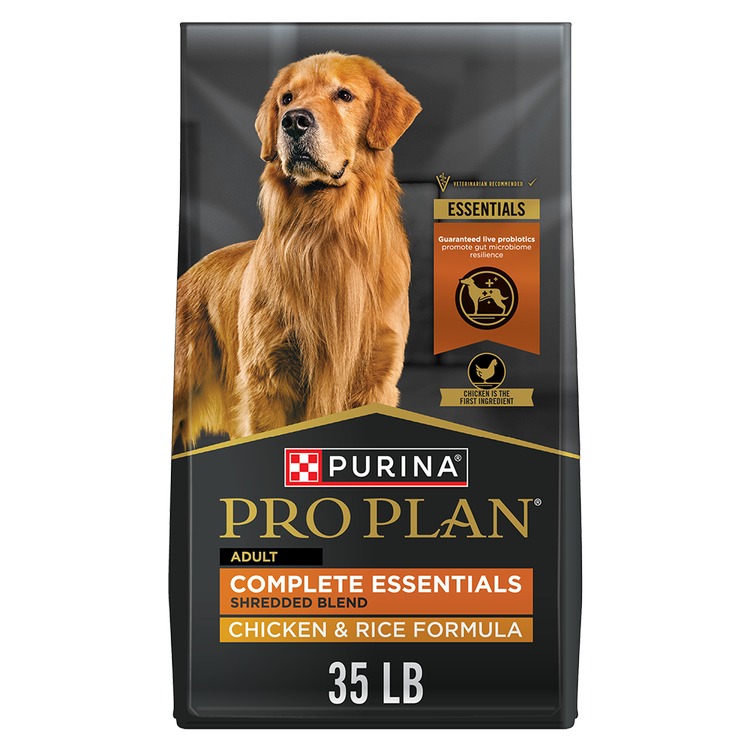
Credit: www.purina.com
Tips For Transitioning Dog Food
Switching your dog’s food requires patience and attention. A sudden change can upset your dog’s stomach or cause them to reject the new food. Taking the right steps can make the transition smooth and keep your dog happy and healthy.
Gradual Change Process
Start by mixing a small amount of the new food with your dog’s current food. Increase the new food portion little by little over 7 to 10 days. This slow change helps your dog’s digestive system adjust without discomfort.
Observe how your dog reacts during this period. If you notice vomiting, diarrhea, or a loss of appetite, slow down the transition even more. Your dog’s comfort is key to a successful change.
Monitoring Health And Behavior
Keep an eye on your dog’s energy levels and stool quality throughout the switch. Changes in behavior or digestion can signal that the food isn’t agreeing with them. Have you noticed any new itching or skin issues after switching?
Check if your dog remains enthusiastic about mealtime. A drop in interest might mean the new food’s flavor or texture isn’t appealing. If problems persist, consult your vet for advice tailored to your dog’s needs.
Adjusting Portion Sizes
Puppy food often has more calories and nutrients, so your adult dog might need less volume than before. Follow the feeding guidelines on the package but adjust based on your dog’s weight and activity level. Are you measuring portions or just eyeballing them?
Watch your dog’s weight closely during the transition. If they start gaining too much or losing weight, tweak the portion size accordingly. Maintaining a healthy weight supports your dog’s overall well-being.
Credit: www.petsradar.com
Frequently Asked Questions
Is It Harmful To Feed Adult Dogs Puppy Food?
Feeding adult dogs puppy food occasionally is not harmful. However, long-term feeding may cause weight gain and nutrient imbalance. Puppy food has more calories and nutrients designed for growing dogs, which adults don’t need in excess.
Can Adult Dogs Digest Puppy Food Properly?
Adult dogs can digest puppy food, but it may be richer than needed. This can lead to digestive upset or obesity if fed regularly. Always monitor your dog’s health and consult a vet for diet advice.
What Are The Risks Of Feeding Adult Dogs Puppy Food?
Risks include obesity, nutrient excess, and digestive issues. Puppy food has high protein and fat levels, which can strain adult dogs’ metabolism. Over time, this may lead to health problems like pancreatitis or joint stress.
When Is Puppy Food Appropriate For Adult Dogs?
Puppy food might be used for adult dogs with specific health needs or during recovery. Always consult a veterinarian before making such dietary changes. Most adult dogs thrive on food formulated for their age.
Conclusion
Feeding adult dogs puppy food is not ideal for their health. Puppy food has extra nutrients that adults do not need. This can cause weight gain and stomach problems. Adult dogs need balanced food for their age and size. Always choose food that fits your dog’s life stage.
Talk to your vet before changing your dog’s diet. Your dog’s health depends on the right nutrition. Keep your dog happy and healthy with proper feeding. Simple choices make a big difference in the long run.