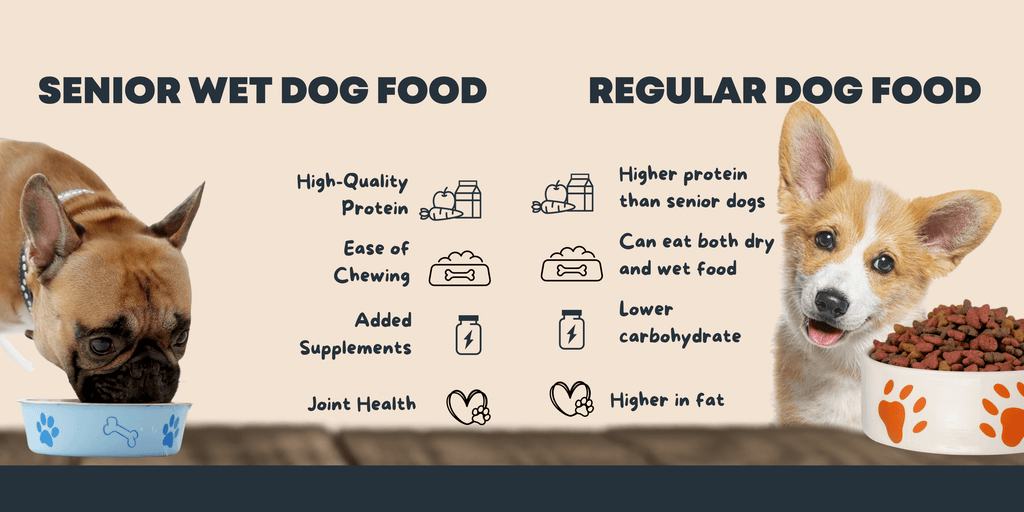

Are you confused about whether to feed your dog adult food or senior food? Choosing the right diet is one of the most important things you can do for your furry friend’s health and happiness.
Your dog’s needs change as they grow older, and what worked before might not be the best choice now. Understanding the key differences between adult dog food and senior dog food can help you make smarter decisions that keep your pet active and comfortable.
Keep reading to find out what sets these two types of food apart and how you can give your dog the nutrition they truly need at every stage of life.
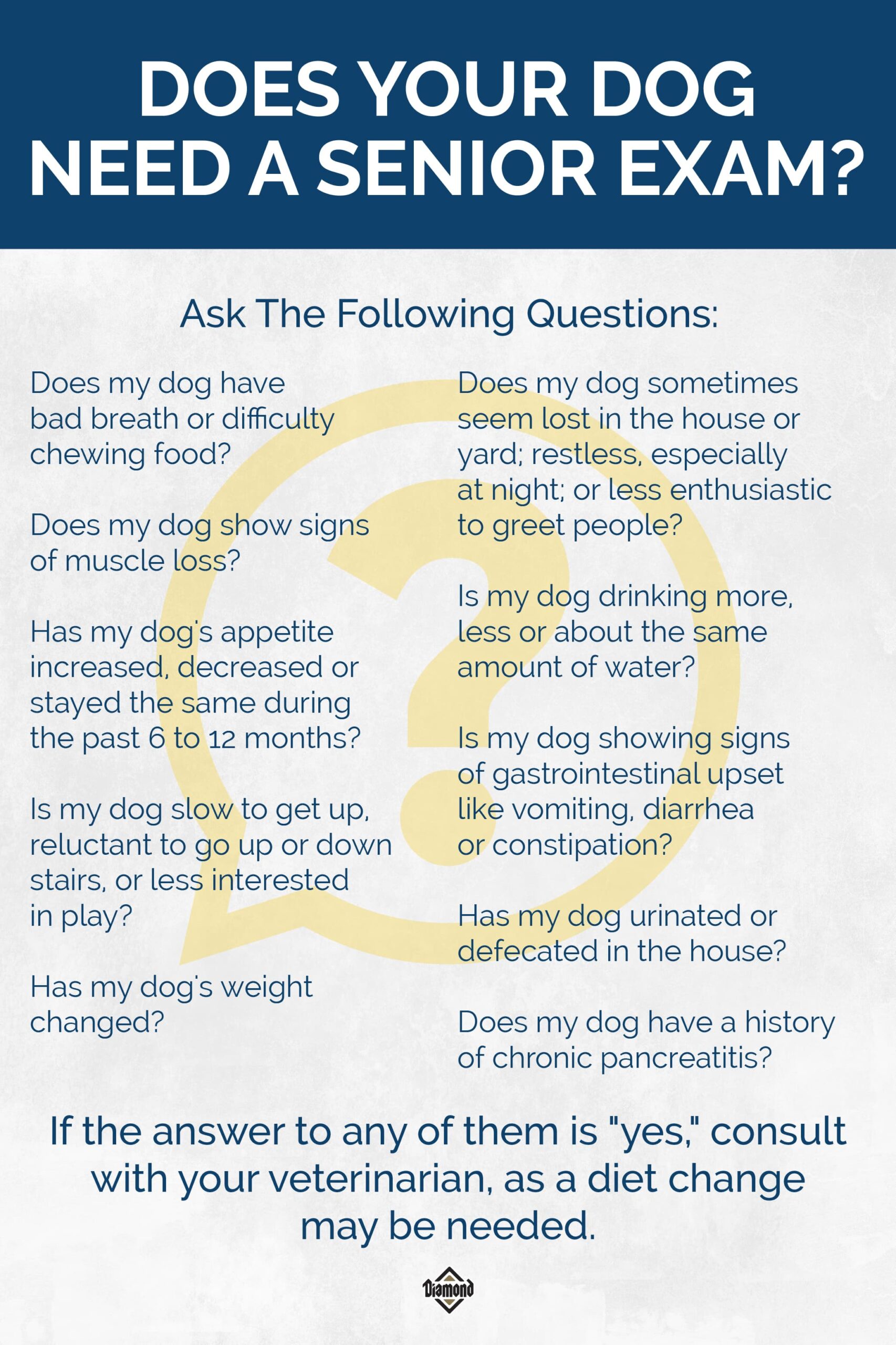
Credit: www.diamondpet.com
Nutritional Needs Of Adult Dogs
Understanding the nutritional needs of adult dogs is key to keeping your furry friend healthy and happy. Adult dogs require a balanced diet that supports their energy levels, maintains their muscle mass, and keeps their immune system strong. Paying attention to what goes into their food can make a noticeable difference in their overall well-being.
Protein And Fat Levels
Protein is essential for adult dogs as it helps build and repair tissues. The right amount keeps their muscles strong and supports their metabolism. Fat provides energy and aids in the absorption of vitamins, but too much can lead to weight gain.
You might wonder how much protein and fat your adult dog really needs. Generally, adult dog food contains about 18-25% protein and 8-15% fat. These levels support an active lifestyle without overloading their system.
Essential Vitamins And Minerals
Vitamins and minerals keep your dog’s body running smoothly. Important nutrients like calcium, phosphorus, and vitamin E support bone strength, teeth health, and immune function. Missing out on these can cause health problems down the road.
Think about your dog’s daily routine and health status when choosing their food. Are they very active or more laid-back? Their vitamin and mineral needs can change based on their lifestyle and environment. Paying attention to these details helps you pick the best food for your dog’s unique needs.
Nutritional Changes In Senior Dogs
As dogs age, their bodies go through changes that affect how they use nutrients. Senior dogs don’t need the same diet as adult dogs because their metabolism, activity level, and health needs shift. Paying attention to these nutritional changes helps you support your dog’s health and quality of life as they grow older.
Lower Calorie Requirements
Senior dogs tend to be less active, which means they burn fewer calories. Continuing to feed them an adult dog food with higher calories can lead to unwanted weight gain. Adjusting their diet to include fewer calories helps maintain a healthy weight and reduces the risk of obesity-related issues.
Joint Support Nutrients
As your dog ages, their joints may become stiff or painful. Adding nutrients like glucosamine and chondroitin supports joint health and mobility. You might notice your senior dog moving more comfortably with these supplements included in their food.
Digestive Health Ingredients
Older dogs often have more sensitive stomachs and slower digestion. Ingredients such as fiber and probiotics improve digestion and nutrient absorption. Have you seen changes in your dog’s digestion? Adjusting their diet can make a big difference in their comfort and health.
Benefits Of Adult Dog Food
Adult dog food supports active dogs with balanced nutrients for energy and muscle health. Senior dog food often has fewer calories and added joint support to fit aging pets’ needs. Choosing the right food helps maintain your dog’s health at each life stage.
Adult dog food plays a crucial role in maintaining the health and vitality of your furry friend. It is specially formulated to meet the nutritional needs of dogs in their prime years. These formulas offer a balanced mix of proteins, fats, vitamins, and minerals that support various bodily functions.Energy Maintenance
Dogs need consistent energy levels to stay active and playful. Adult dog food provides the right amount of calories to sustain their daily energy requirements without excess weight gain. Have you noticed your dog being more energetic during walks? The balanced nutrition in adult dog food fuels this zest for life, ensuring they have the stamina to explore and engage with their surroundings.Muscle Development
Healthy muscles are essential for your dog’s mobility and overall health. Adult dog food is rich in quality proteins that aid in muscle repair and growth. I remember switching my dog to adult dog food and noticing her muscles becoming more defined and firm. This is because the amino acids in adult dog food are vital for maintaining and building muscle mass. Is your dog getting the right nutrients for strong muscles? Consider the protein content in their diet to ensure they are.
Credit: www.businessinsider.com
Benefits Of Senior Dog Food
Senior dog food offers specific benefits that support aging pets. It helps maintain health and comfort in later years. These foods contain nutrients tailored to older dogs’ needs. This can improve quality of life and vitality.
Weight Management
Older dogs often become less active and gain weight. Senior dog food has fewer calories to prevent obesity. It includes fiber to help dogs feel full longer. Maintaining a healthy weight reduces stress on joints and organs.
Cognitive Support
Brain function can decline as dogs age. Senior dog food contains ingredients like antioxidants and omega-3 fatty acids. These nutrients support memory and mental sharpness. Feeding these foods helps keep dogs alert and responsive.
Enhanced Immune Function
The immune system weakens with age. Senior dog food includes vitamins and minerals that boost immunity. Strong immunity helps fight infections and diseases better. This keeps older dogs healthier and more active.
Common Ingredients In Both Formulas
Both adult and senior dog foods share some key ingredients that support your dog’s overall health and energy. These common components ensure your dog gets the nutrients they need, no matter their age. Understanding these shared ingredients helps you see what stays important as your dog grows older.
High-quality Proteins
Protein is the cornerstone of any dog food formula. Both adult and senior dog foods use high-quality proteins like chicken, beef, or fish to maintain muscle strength and support bodily functions.
Even as your dog ages, protein remains essential. The difference lies in the amount and digestibility, but the source stays consistent to keep your dog strong and healthy.
Think about your own diet—would you skip protein just because you’re older? Probably not. Your dog needs the same thoughtful nutrition.
Balanced Carbohydrates
Carbohydrates provide energy and fiber in both formulas. Ingredients such as brown rice, sweet potatoes, and barley are common in adult and senior dog foods.
These carbs help maintain steady energy levels and support digestive health, which is important at any stage of life. You might notice senior formulas adjust the carb content slightly to suit slower metabolisms, but the quality remains high.
Have you ever felt sluggish after eating too many simple carbs? Your dog feels that too. That’s why both types of dog food avoid fillers like corn or wheat in favor of more digestible, nutrient-rich options.

Credit: www.miamiherald.com
When To Switch To Senior Dog Food
Knowing the right time to switch your dog to senior food is important. Dogs’ needs change as they age. Senior dog food supports their health and energy levels better.
Observing your dog’s behavior and health helps decide the switch. Senior dog food is designed for older dogs’ specific needs.
Signs Of Aging
- Less energy and more tiredness during the day
- Stiffness or difficulty moving, especially after rest
- Changes in appetite or weight loss
- Dental issues like bad breath or difficulty chewing
- Increased thirst or urination
- Gray hair around the muzzle or face
These signs suggest your dog may benefit from senior food. It helps manage weight and supports joints and digestion.
Veterinarian Recommendations
Your vet can provide the best advice about diet changes. They consider your dog’s breed, size, and health history.
Vets may suggest switching around age seven or eight. Some breeds age faster and need senior food sooner.
Regular check-ups help track your dog’s health and nutrition needs. Always follow your vet’s guidance for feeding your senior dog.
Potential Risks Of Using The Wrong Food
Choosing the wrong food for your dog can lead to serious health issues. Dogs have different nutritional needs depending on their age. Feeding adult dog food to a senior, or vice versa, might seem harmless but it can cause hidden problems that affect their well-being over time.
Overfeeding Adult Dogs
Adult dog food usually contains more calories to support their active lifestyle. If you continue feeding this to a senior dog who is less active, it can quickly lead to weight gain. Excess weight puts extra strain on joints and organs, increasing the risk of arthritis and heart disease.
I once noticed my older dog gaining weight rapidly after I didn’t switch her to senior food. Her energy dropped, and she struggled to climb stairs. This experience showed me how crucial it is to adjust their diet to match their changing activity levels.
Nutritional Deficiencies In Seniors
Senior dog food is specially formulated with nutrients that support aging bodies, like joint supplements and antioxidants. Feeding seniors adult dog food can mean missing out on these important nutrients. Over time, this can lead to weakened immunity, joint problems, and even cognitive decline.
Have you thought about what happens if your senior dog doesn’t get enough glucosamine or omega-3 fatty acids? These nutrients help maintain mobility and brain health. Without them, your dog might face avoidable health setbacks.
Tips For Choosing The Right Dog Food
Choosing the right dog food can feel overwhelming with so many options available. The key is to focus on what fits your dog’s unique needs rather than just picking the most popular brand. Understanding a few simple tips can help you make a decision that supports your dog’s health and happiness at every life stage.
Reading Labels
Labels hold important clues about what’s really in your dog’s food. Look beyond marketing words like “natural” or “premium.” Check the ingredient list for quality protein sources such as chicken, beef, or fish listed at the top.
Notice the guaranteed analysis section too. It tells you the percentages of protein, fat, fiber, and moisture. For example, senior dog food usually has higher fiber and lower fat to support digestion and weight control. Do you know exactly what your dog is eating every day?
Considering Dog’s Lifestyle
Your dog’s activity level and health status should guide your choice of food. An active adult dog may need more calories and protein to maintain muscle, while a senior dog benefits from ingredients that support joint health and easy digestion.
Think about your dog’s daily routine. Does your dog enjoy long walks or mostly lounges around the house? Adjusting food to match energy needs prevents unwanted weight gain or nutrient deficiencies.
Frequently Asked Questions
What Are The Main Differences Between Adult And Senior Dog Food?
Adult dog food supports general health, while senior food targets aging needs. Senior formulas have fewer calories, more fiber, and added joint supplements. They help maintain weight, support digestion, and promote mobility in older dogs.
When Should I Switch My Dog To Senior Food?
Most dogs switch to senior food around 7 years old. However, breed size and health affect timing. Consult your vet for the best time to change your dog’s diet for optimal health.
Why Does Senior Dog Food Have Fewer Calories?
Senior dogs are less active and burn fewer calories. Lower calorie senior food helps prevent obesity and related health problems. It supports healthy aging by maintaining an ideal weight.
Are Senior Dog Foods Better For Joint Health?
Yes, senior dog foods often include glucosamine and chondroitin. These supplements support joint health and reduce arthritis symptoms. This helps older dogs stay mobile and comfortable.
Conclusion
Choosing the right food helps your dog stay healthy. Adult dog food suits young, active dogs well. Senior dog food supports older dogs’ changing needs. It has nutrients for joint health and digestion. Feeding the correct food improves your dog’s life quality.
Watch your dog’s behavior and energy for clues. Adjust food as they grow older and slower. Good nutrition keeps your dog happy and strong. Trust your care to give them the best. Simple steps make a big difference in their health.