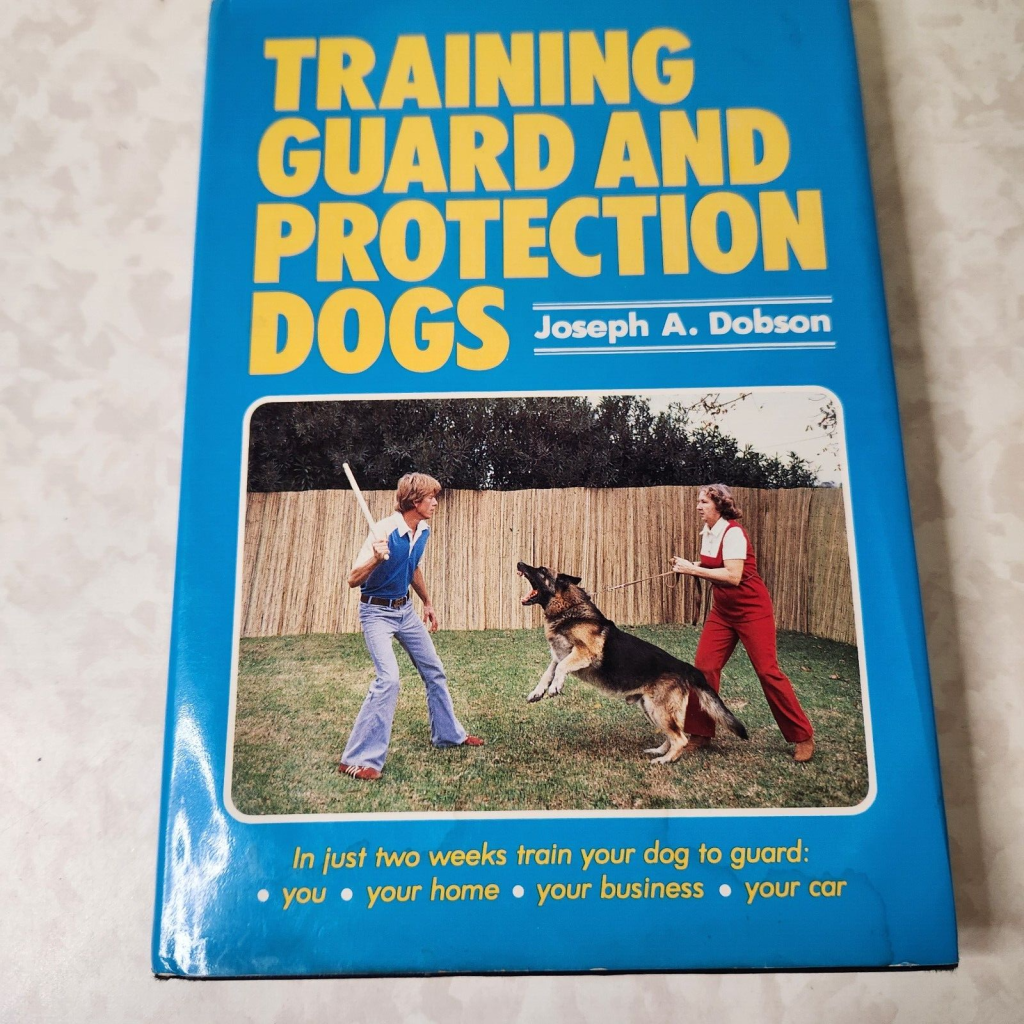

Are you looking for a way to feel safer and more confident at home? Training your dog to guard you can be a powerful step toward protecting yourself and your loved ones.
Imagine having a loyal companion who not only loves you but also watches your back when it matters most. In this guide, you’ll discover simple, effective steps to teach your dog how to guard you without turning aggressive or uncontrollable.
Keep reading to unlock the secrets of building a strong bond that turns your dog into a trusted protector.
Choosing The Right Breed
Choosing the right breed is a crucial step when training your dog to guard you. Not all dogs have the natural instincts or temperament suited for protection work. Picking a breed that aligns with your lifestyle and security needs will make training smoother and more effective.
Understanding Breed Temperament
Some breeds naturally exhibit protective behaviors and alertness, which are essential for guarding. Breeds like German Shepherds, Rottweilers, and Doberman Pinschers often stand out because of their loyalty and courage. But temperament varies even within a breed, so observing individual personality is important.
Have you spent time with the dog before deciding? This helps you gauge how they react to strangers and new environments.
Physical Strength And Stamina
A dog trained to guard needs physical endurance and strength to respond effectively in potential threats. Larger breeds generally have an advantage, but agility also matters. For example, Belgian Malinois are smaller than some guard dogs but are incredibly fast and agile.
Think about your daily routine—can you provide enough exercise to keep your chosen breed healthy and balanced?
Trainability And Intelligence
Guard training requires a dog that learns commands quickly and can think independently when necessary. Breeds like the German Shepherd are prized for their intelligence and eagerness to please. However, intelligence alone doesn’t guarantee success; the dog must also have a strong bond with you.
Have you considered how much time you can dedicate to training? Consistency is key.
Compatibility With Your Environment
Your living situation should influence your breed choice. Larger guard dogs may not adapt well to small apartments, while some breeds tolerate urban noise better than others. For example, a Cane Corso might thrive in a house with a yard but feel stressed in cramped spaces.
Are you prepared to adjust your environment or lifestyle to meet your dog’s needs?
Common Guard Dog Breeds And Their Traits
| Breed | Temperament | Physical Traits | Training Ease |
|---|---|---|---|
| German Shepherd | Loyal, Alert, Protective | Strong, Agile, Medium-Large | High |
| Rottweiler | Confident, Fearless, Calm | Robust, Powerful, Large | Moderate |
| Doberman Pinscher | Energetic, Intelligent, Alert | Lean, Athletic, Medium-Large | High |
| Belgian Malinois | Intense, Protective, Agile | Medium, Agile, Strong | High |
Which breed fits your personal security needs and daily lifestyle best? Remember, the right breed sets the foundation for successful guard training.
Building A Strong Bond
Building a strong bond with your dog is the foundation for effective guarding training. A dog that trusts and respects you will follow your commands better. This bond creates a partnership where your dog feels safe and motivated to protect you.
Spending quality time together helps build this connection. Simple activities like walks, playtime, and gentle petting increase your dog’s affection. Positive interactions also reduce fear and anxiety, making your dog more confident in guarding roles.
Consistent Communication
Use clear and simple commands your dog can easily understand. Consistency helps your dog know what you expect. Avoid changing words or tones often. Your dog learns faster with steady and calm communication.
Positive Reinforcement
Reward your dog for good behavior with treats, praise, or pets. This motivates your dog to repeat the behavior. Avoid punishment, as it can harm trust and cause fear. Rewards build a happy and eager learner.
Regular Socialization
Expose your dog to different people and places safely. This helps your dog know when to guard and when to relax. Socialization prevents unnecessary aggression and fear. A well-socialized dog can better judge real threats.
Shared Activities
Engage in activities like obedience training, fetch, or agility. These strengthen your relationship and improve your dog’s focus. Active involvement makes your dog more responsive and loyal. A busy dog is a happy dog.
Basic Obedience Training
Basic obedience training is essential for teaching your dog to guard you. It forms the foundation of more advanced commands. This training helps your dog understand and follow your instructions. A well-trained dog listens and responds quickly, which is crucial in guarding situations. Let’s explore some fundamental commands.
Sit And Stay Commands
The sit command is a basic yet crucial instruction. It teaches your dog discipline and patience. Start by holding a treat close to your dog’s nose. Slowly move your hand up, allowing their head to follow the treat. This motion causes the bottom to lower. Once sitting, say “sit” and give the treat. Practice this several times a day.
After mastering sit, progress to the stay command. Ask your dog to sit first. Open your palm in front of their face and say “stay.” Take a few steps back. If they stay, reward with a treat. Increase the distance gradually. Consistent practice strengthens their stay command.
Recall Training
Recall training ensures your dog returns to you when called. Use a distinct word like “come” during practice. Start in a distraction-free environment. Call your dog’s name followed by the command. Offer a treat when they reach you. Repeat this exercise regularly.
Vary the distance and environment as your dog improves. Practice in a backyard or a quiet park. This helps your dog respond in different situations. Consistent recall training enhances their responsiveness.
Leash Control
Leash control is vital for maintaining your dog’s focus. It prevents them from pulling or lunging. Use a short leash during walks. This keeps your dog close and attentive. If they start to pull, stop walking. Wait until they relax, then continue.
Practice leash control in various settings. This includes crowded places and open fields. It helps your dog adapt and behave consistently. Leash control is key to ensuring their obedience in public.
Credit: pethelpful.com
Introducing Guarding Commands
Introducing guarding commands is essential to turn your dog into a reliable protector. These commands help your dog understand when to alert you, watch for threats, or take action. Clear communication through training builds trust and ensures your dog responds appropriately in different situations.
Teaching Alert Bark
The alert bark signals that something unusual is happening. Start by rewarding your dog when they bark at a stranger or a new sound. Use a command like “Speak” and praise your dog immediately to link the sound with the command.
Practice this in different environments to make sure your dog barks only when necessary. This keeps the alert bark purposeful, not a nuisance. Have you noticed how your dog naturally barks at the doorbell? Use that moment to teach the alert bark command effectively.
Command For Watch
The watch command trains your dog to focus and observe a potential threat calmly. Hold a treat at eye level and say “Watch” to get your dog’s attention. Reward them when they maintain eye contact without barking or moving aggressively.
This command helps your dog differentiate between alerting and observing. It’s crucial for controlled guarding, so your dog doesn’t react impulsively. Can your dog hold their gaze long enough to assess the situation? If not, patience and repetition will improve this skill.
Command For Attack
The attack command should be used very carefully and only in controlled training sessions. Start by teaching your dog to bite on command using a tug toy or bite sleeve. Use a firm command like “Attack” or “Get him” and immediately reward the behavior with praise or a toy.
It’s vital to teach your dog to stop on command as well, using words like “Enough” or “Leave it.” This ensures your dog listens to you and doesn’t become a danger to others. Are you confident your dog will release on command every time? If not, keep practicing the stop command alongside attack training.
Socializing Your Dog
Socializing your dog is a crucial part of training them to guard you effectively. A well-socialized dog understands what is normal and what is a potential threat. This balance helps your dog react appropriately without being overly aggressive or fearful.
Exposing To Different Environments
Take your dog to various places—parks, busy streets, quiet neighborhoods. This exposure helps your dog get used to different sights, sounds, and smells. When your dog feels comfortable in new environments, they are more confident and alert rather than anxious.
Try visiting a market or a pet-friendly café. Notice how your dog reacts to new noises like traffic or children playing. If they stay calm, it shows they can focus on guarding without being distracted.
Meeting Strangers
Introduce your dog to strangers in a controlled way. Allow your dog to observe new people without forcing interaction. This helps your dog learn to judge whether a person is friendly or suspicious.
Invite friends over and let your dog approach them at their own pace. Watch for signs of comfort or caution. This practice sharpens your dog’s ability to protect you by recognizing unfamiliar faces without unnecessary aggression.
Handling Distractions
Distractions are everywhere, from loud noises to other animals. Train your dog to focus on you despite these interruptions. Start with mild distractions and gradually increase the difficulty.
For example, practice commands in a park while children play nearby or cars pass by. Reward your dog when they stay alert to your cues. This skill is essential for a guard dog to stay on task when the situation demands it.
Controlled Protection Exercises
Controlled protection exercises are essential in training your dog to guard you effectively and responsibly. These exercises help your dog understand when to be alert and act, without causing unnecessary aggression or confusion. You’ll build a strong bond based on trust, ensuring your dog only reacts to genuine threats.
Simulated Threat Scenarios
Create safe, realistic situations where your dog can practice guarding behaviors. Ask a friend to approach you slowly while you give your dog a command to watch or guard. This helps your dog learn to distinguish between normal and suspicious behavior.
Make sure the “threat” stays calm and non-threatening until your dog reacts. If your dog barks or positions itself between you and the person, reward this response immediately. Gradually increase the intensity, but always keep control to prevent overreaction.
Teaching Boundaries
Your dog must understand where its guarding duties begin and end. Use clear commands to mark the boundaries, like “stay” or “back.” Practicing these helps your dog know when to protect and when to relax.
Mark specific areas in your home or yard as “guard zones.” Walk your dog around these zones regularly, reinforcing the idea that it’s their space to watch over. This prevents your dog from guarding indiscriminately, which can cause stress or confusion.
Safety Measures
Always prioritize safety for both your dog and the people involved in training. Use a leash or harness during exercises until your dog consistently follows your commands. This keeps everyone safe, especially in unpredictable situations.
Never encourage aggressive biting or uncontrolled attacks. Instead, focus on controlled alertness and protective postures. Have emergency commands like “leave it” or “come” ready to stop any unwanted behavior instantly.
Reinforcing Positive Behavior
Reinforcing positive behavior is key when training your dog to guard you. Dogs respond best to clear signals about what you expect, especially when those signals come with rewards. Positive reinforcement helps your dog understand their role without fear or confusion, building a strong, trusting bond between you.
Using Rewards
Reward your dog immediately after they show the desired guarding behavior. Use treats, praise, or a favorite toy to make the connection clear. Timing matters—delayed rewards can confuse your dog, making training less effective.
Think about a time when your dog alertly barked at a stranger and you gave them a treat right away. That moment solidified what you want from them. Consistent rewards encourage your dog to repeat the behavior without hesitation.
Consistent Training Schedule
Set a regular routine for training sessions to build habits. Short, frequent sessions work better than long, occasional ones. Your dog learns faster and stays engaged when training fits naturally into their day.
Training at the same time each day helps your dog anticipate what’s coming. Have you noticed how your dog gets excited when you grab the leash? That’s the power of a consistent schedule reinforcing positive behavior.
Avoiding Aggression
Guarding does not mean your dog should act aggressively. Teach your dog to alert and protect calmly without biting or growling excessively. Aggressive behavior can lead to dangerous situations and legal problems.
Redirect aggressive tendencies by rewarding calm, controlled responses. If your dog growls or lunges, calmly intervene and guide them back to a quieter behavior before giving any reward. This teaches your dog that calm guarding is what earns praise.
Credit: www.preventivevet.com
When To Seek Professional Help
Training your dog to guard you can be rewarding but also challenging. Sometimes, despite your best efforts, you might hit a wall or face situations beyond your expertise. Knowing when to seek professional help can save you time, prevent frustration, and ensure your dog learns the right behavior safely.
Recognizing Signs You Need Expert Guidance
If your dog shows aggressive behavior that feels out of control, it’s a clear sign to get professional help. Aggression can quickly escalate and become dangerous if not managed properly. Also, if your dog is fearful or anxious during training, a specialist can teach you how to build confidence without causing stress.
Complex Behaviors Require Specialized Training
Guard training involves teaching your dog to protect without being overly aggressive or reactive. This balance is hard to achieve without experience. Professionals use proven techniques tailored to your dog’s personality, ensuring safety for both you and your pet.
When Your Dog’s Safety Is At Risk
Dogs can get hurt if training involves physical corrections or if they confront strangers improperly. A trainer knows how to guide your dog safely through these scenarios. Protecting your dog’s wellbeing should always be a priority during training.
Finding The Right Professional Trainer
Look for trainers with experience in protection or guard dog training, and check their certifications. Ask for references or reviews from other dog owners. Meeting the trainer first helps you see if their approach matches your goals and values.
How Professional Help Changes The Training Experience
Working with a professional can speed up progress and avoid common mistakes. They provide personalized advice and ongoing support, making the process less overwhelming. Have you considered how much easier training could be with expert guidance?

Credit: www.youtube.com
Frequently Asked Questions
How Do I Start Training My Dog To Guard Me?
Begin by teaching basic obedience commands like sit and stay. Use positive reinforcement to build trust. Gradually introduce guard-specific commands while ensuring your dog is confident and alert.
What Breeds Are Best For Guard Dog Training?
Breeds like German Shepherds, Rottweilers, and Dobermans excel in guard training. They have natural protective instincts, intelligence, and loyalty, making them ideal for guarding tasks.
How Long Does It Take To Train A Guard Dog?
Training duration varies but usually takes several months. Consistent daily sessions and patience are essential. Early socialization and obedience training speed up the process.
Can Guard Dog Training Make My Dog Aggressive?
Proper training focuses on controlled protection, not aggression. Balanced training prevents unnecessary aggression. Socialize your dog well to avoid fear-based behaviors.
Conclusion
Training your dog to guard you takes time and patience. Consistent practice helps your dog learn better. Always reward good behavior with treats or praise. Safety is important—never encourage aggression without control. A well-trained guard dog can protect and be a loyal friend.
Stay calm and clear during every training session. Your bond with your dog will grow stronger. Keep training simple and steady for best results. This approach builds trust and respect between you both. Guard training can be a positive experience for your dog.