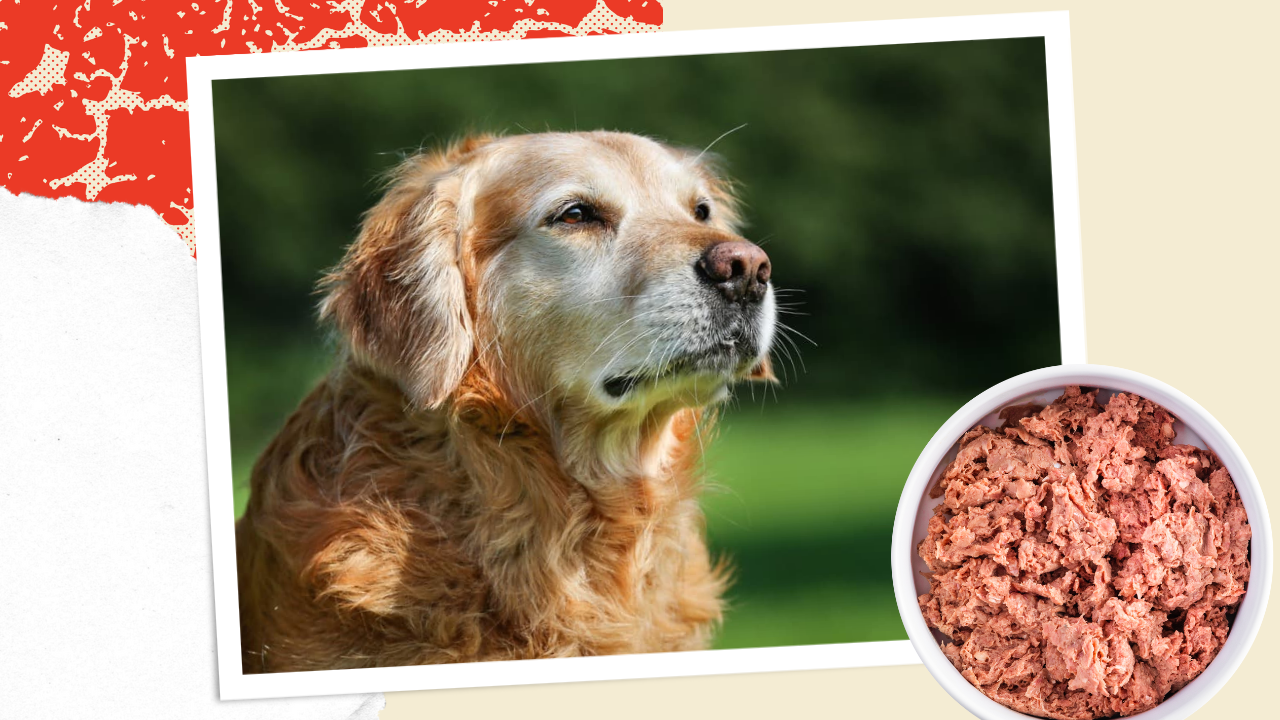
Are you wondering if it’s okay to feed your adult dog senior food? You want the best for your furry friend, and choosing the right diet is a big part of that.
But switching to senior food too soon or without knowing the facts might not be the best move. You’ll discover what makes senior dog food different, when it’s the right time to make the change, and how it can affect your dog’s health.
Keep reading to find out how to keep your dog happy and healthy at every stage of life.
Credit: wefeedraw.com
Differences Between Adult And Senior Dog Food
Understanding the differences between adult and senior dog food is key to making the best choice for your pet’s health. As dogs age, their bodies change, which means their dietary needs shift too. Feeding a senior dog adult food might seem harmless, but it could miss vital nutrients designed to support aging bodies.
Nutritional Needs By Age
Your dog’s nutritional needs evolve with age. Adult dogs generally require a balanced diet to maintain energy and muscle mass. Senior dogs, however, benefit from nutrients that support joint health, cognitive function, and a slower metabolism.
For example, older dogs need more antioxidants to fight cell damage and additional fiber to aid digestion. Have you noticed your senior dog moving slower or struggling with stiffness? Those changes often signal a need for different nutrients.
Common Ingredients In Senior Formulas
Senior dog food usually contains ingredients tailored to aging bodies. These often include glucosamine and chondroitin, which help maintain healthy joints. Omega-3 fatty acids, found in fish oils, support brain health and reduce inflammation.
You’ll also see added vitamins like E and C, which act as antioxidants. These ingredients are less common or present in smaller amounts in adult formulas. Can your adult dog benefit from these extras, or is it better to stick to their current diet?
Calorie And Protein Variations
Calorie content differs noticeably between adult and senior dog food. Senior formulas typically have fewer calories to prevent weight gain since older dogs tend to be less active. Protein levels might also be adjusted; some senior foods have slightly less protein to reduce kidney strain.
However, high-quality protein remains important to preserve muscle mass. If your senior dog is still active, they might need protein amounts closer to an adult dog’s diet. Are you paying attention to how your dog’s activity level influences their nutritional needs?

Credit: www.businessinsider.com
Benefits Of Feeding Senior Food To Adult Dogs
Feeding senior food to adult dogs offers several health benefits. These foods contain nutrients designed to support aging bodies. They help maintain strength and vitality in adult dogs. Senior diets focus on specific health needs that can start early. This helps dogs stay active and healthy longer.
Joint Support And Mobility
Senior dog foods include ingredients that support joints. Glucosamine and chondroitin reduce joint pain and stiffness. Omega-3 fatty acids help lower inflammation. These nutrients keep dogs moving comfortably. Improved mobility means a better quality of life.
Digestive Health Improvements
Senior diets often contain fiber that aids digestion. Probiotics promote a healthy gut environment. This reduces stomach upset and improves nutrient absorption. Easier digestion helps maintain a healthy weight. A balanced gut supports overall well-being.
Enhanced Immune Function
Senior dog foods boost the immune system with antioxidants. Vitamins C and E help fight free radicals. A strong immune system protects against illnesses. This keeps adult dogs healthier as they age. Better immunity means fewer vet visits and faster recovery.
Potential Risks Of Early Senior Food Introduction
Introducing senior food too early can pose several risks for adult dogs. Understanding these risks is essential for maintaining your dog’s health. Senior dog food is formulated differently from adult dog food. This difference can impact your dog’s nutrition and well-being.
Nutritional Imbalance Concerns
Senior dog food often contains reduced calories and altered nutrient levels. Adult dogs have different dietary needs than senior dogs. Feeding senior food to an adult dog may lead to nutritional imbalances. Your dog might miss out on essential nutrients needed for their age and activity level.
Weight Management Challenges
Calories in senior food are often lower to prevent weight gain in older dogs. An adult dog might need more calories due to higher energy levels. Feeding senior food can lead to unintended weight loss. Weight management becomes a challenge, affecting your dog’s overall health.
Possible Digestive Issues
Senior dog food may include added fiber for older dogs’ digestion needs. Adult dogs might not require this extra fiber. Too much fiber can lead to digestive issues like diarrhea or constipation. Monitoring your dog’s response to a new diet is crucial.
When To Transition Your Dog’s Diet
Knowing the right time to switch your adult dog to senior food can make a big difference in their health and happiness. It’s not just about age but also about how your dog’s body and energy levels are changing. Watching for the right signs and making the shift carefully ensures your dog gets the nutrients they need without upsetting their system.
Signs Your Dog Is Ready
Your dog may show subtle signs that hint it’s time to consider senior food. Look for changes in energy—are they less playful or tiring more quickly during walks? Notice if their weight fluctuates or if their coat looks duller than usual.
Behavior shifts like increased joint stiffness or slower movements can also signal aging. Digestive changes, such as more frequent or irregular bowel movements, might indicate the need for a diet that’s easier to digest.
Consulting Your Veterinarian
Your vet is the best guide for deciding when to switch your dog’s diet. They can assess your dog’s overall health and recommend the right time based on medical factors, not just age.
Don’t hesitate to ask about specific nutritional needs tailored to your dog’s breed, size, and health conditions. Your vet can also suggest brands or formulations that support joint health, weight management, or other senior concerns.
Gradual Transition Tips
Switching your dog’s food too quickly can cause stomach upset. Start by mixing a small amount of senior food with their current diet.
- Begin with 25% senior food and 75% adult food for about three days.
- Increase to 50% senior and 50% adult food for another three days.
- Move to 75% senior and 25% adult food before fully transitioning.
Watch how your dog reacts at each stage. If you notice any digestive issues, slow down the transition. This step-by-step approach helps your dog’s system adjust smoothly to the new diet.
Alternatives To Senior Dog Food For Adults
Adult dogs may not always need senior dog food. Some dogs stay active and healthy without switching diets early. Choosing the right food depends on your dog’s health and lifestyle. There are other options to support aging dogs without senior-specific food.
Supplements For Aging Support
Supplements help maintain joint health and mobility. Common supplements include glucosamine and omega-3 fatty acids. These support bones, joints, and reduce inflammation. Adding supplements can improve your dog’s comfort as they age.
Customized Diet Plans
Custom diets focus on your dog’s unique needs. A vet can design a meal plan based on weight, activity, and health. Balanced nutrition helps keep your dog fit without switching to senior food. Fresh ingredients and proper portions matter most.
Regular Health Monitoring
Frequent vet check-ups catch health issues early. Monitoring weight, dental health, and energy levels is key. Early detection helps adjust diet and care. Keeping track of changes ensures your dog stays healthy longer.
Expert Tips For Choosing The Right Dog Food
Choosing the right food for your dog can feel overwhelming, especially when deciding if adult dogs should eat senior food. Your dog’s health and happiness depend on the nutrition you provide, so making an informed choice is crucial. Here are some expert tips to help you navigate this decision with confidence.
Reading Food Labels
Start by carefully reading the food labels. Look for key ingredients like protein sources, fat content, and added vitamins or minerals. Avoid foods with vague terms like “meat by-products” or excessive fillers such as corn and soy.
Check for the Association of American Feed Control Officials (AAFCO) statement on the label. This tells you if the food meets the nutritional standards for your dog’s life stage.
Considering Breed And Size
Your dog’s breed and size influence their nutritional needs significantly. Larger breeds often require food with joint-supporting nutrients like glucosamine, while smaller breeds might benefit from smaller kibble size for easier chewing.
Think about your dog’s activity level too. A highly active medium-sized dog will have different calorie needs compared to a less active senior dog of the same breed.
Monitoring Your Dog’s Response
After switching foods, watch how your dog reacts. Are they maintaining a healthy weight? Is their coat shiny and eyes bright? Changes in energy levels or digestion can signal whether the new food suits them.
Keep a food diary for a few weeks to track these changes. If you notice any negative reactions, consult your vet and consider adjusting your dog’s diet accordingly.

Credit: jiminys.com
Frequently Asked Questions
Can Adult Dogs Eat Senior Dog Food Safely?
Yes, adult dogs can eat senior dog food, but it’s not ideal. Senior formulas have fewer calories and nutrients suited for older dogs. Feeding them long-term may cause nutritional imbalances and weight loss. Consult a vet before switching to ensure it meets your dog’s specific needs.
What Are Risks Of Feeding Adult Dogs Senior Food?
Feeding senior food to adult dogs may lead to nutrient deficiencies. Senior diets often contain less protein and fat, affecting energy levels. It can also cause unwanted weight loss or health issues. Always choose food appropriate for your dog’s age and activity level to avoid problems.
When Should I Switch My Dog To Senior Food?
Switch your dog to senior food when they reach 7-8 years old or show aging signs. Consult your vet for the right time based on breed and health. Senior food supports aging joints, digestion, and weight management, improving your dog’s quality of life.
Can Senior Dog Food Help Adult Dogs Lose Weight?
Senior dog food is lower in calories and fat, which may help adult dogs lose weight. However, it’s not designed specifically for weight loss. For effective weight control, consult a vet to find a proper diet tailored to your dog’s needs.
Conclusion
Feeding senior dog food to an adult dog is a choice to consider carefully. Senior food has different nutrients that suit older dogs better. Adult dogs may not need those nutrients yet. Too many changes can upset their digestion. Always check with your vet before changing food types.
Watch your dog’s health and energy after switching foods. The right diet helps keep your dog happy and healthy. Think about your dog’s age, activity, and health needs first. Feeding the best food means caring for your dog well every day.