
If your dog shows signs of aggression, you’re probably worried and want a solution fast. But before you start, one big question might be on your mind: how much does dog aggression training cost?
Knowing the price can help you plan and make the best choice for your furry friend. You’ll discover the real costs involved and what factors affect the price. By the end, you’ll feel confident about taking the next step to help your dog become calm and happy again.
Keep reading to find out everything you need to know about dog aggression training costs.

Credit: www.animalbehaviorcollege.com
Factors Influencing Training Costs
Understanding what affects dog aggression training costs helps you plan better. Costs vary widely based on many factors. These factors influence the type and length of training your dog needs. Knowing these details gives clarity before committing to a program.
Severity Of Aggression
More severe aggression requires longer and more intensive training. Dogs with mild issues might need fewer sessions. Serious aggression cases often need specialized approaches and careful handling. This level of care drives up the training cost.
Training Methods Used
Different training methods have different price points. Positive reinforcement methods may cost less than specialized behavior modification techniques. Some trainers use equipment or tools that add to the cost. The choice of method affects the total price you pay.
Trainer Experience And Credentials
Highly experienced trainers with certifications charge more. Credentials from recognized organizations assure quality training. New trainers may offer lower rates but less expertise. Choosing a skilled trainer often means higher upfront costs but better results.
Location And Facility
Training centers in big cities usually charge higher fees. Rural or less busy areas tend to have lower costs. Some trainers offer in-home sessions, which may cost more due to travel. The facility’s quality and location influence pricing greatly.
Duration And Frequency Of Sessions
Longer and more frequent sessions increase total cost. Some dogs improve quickly with few sessions. Others need ongoing work over months. A clear schedule helps estimate the final expense for training.
Types Of Dog Aggression Training
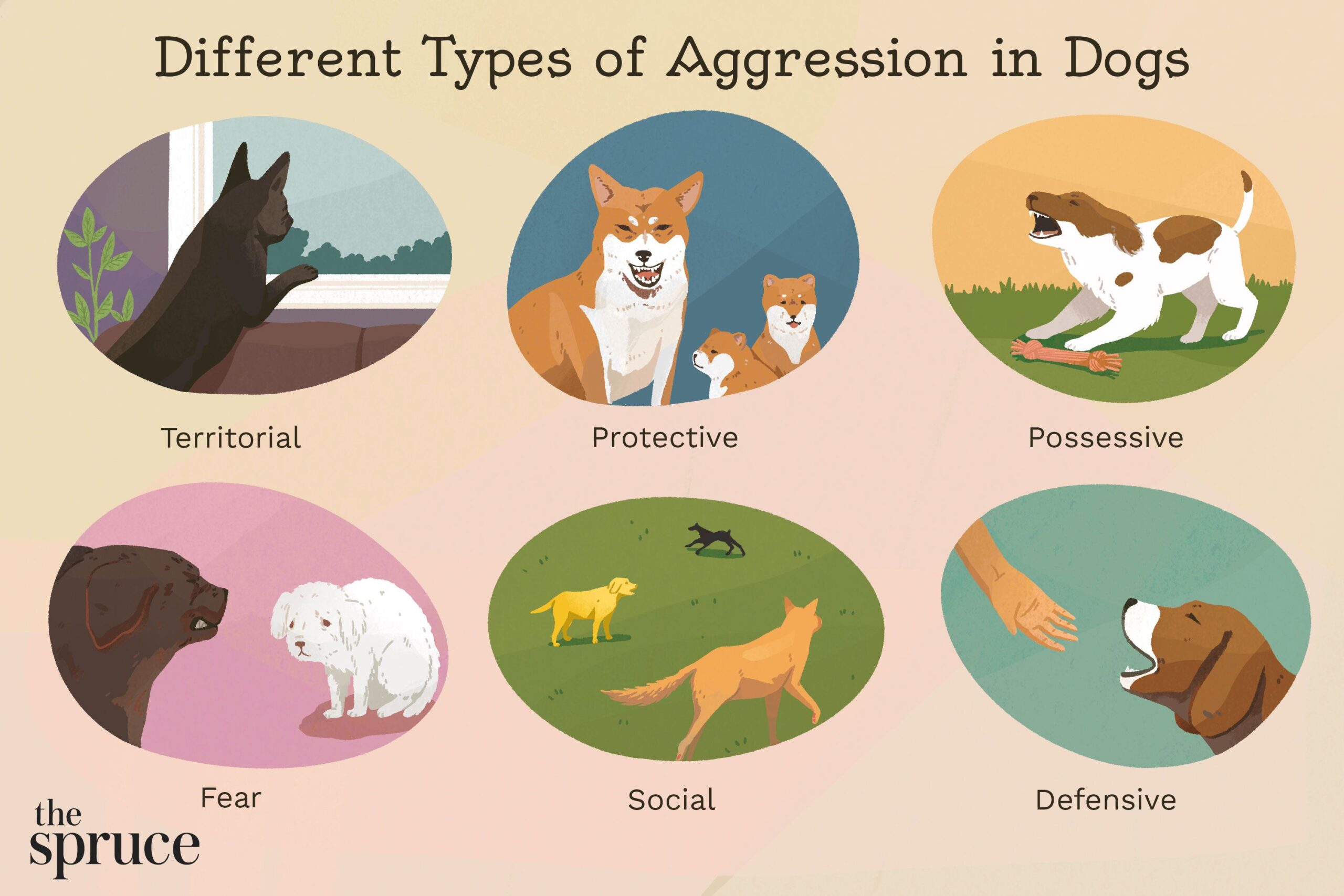
Dog aggression training comes in various forms to suit different needs. Choosing the right type depends on your dog’s behavior and your schedule. Each training style offers unique benefits and costs.
Understanding these options helps you pick the best fit for your dog’s progress and safety.
Private One-on-one Sessions
These sessions focus solely on your dog’s specific issues. Trainers work closely with you and your dog. The sessions allow customized plans and immediate feedback. They tend to be more expensive but very effective. Expect detailed attention and faster behavior changes.
Group Classes
Group classes offer socialization with other dogs and owners. Trainers guide multiple dogs at once in a controlled setting. They are usually more affordable than private sessions. Classes teach basic obedience and reduce aggression through exposure. A good option for mild aggression problems.
Board And Train Programs
In these programs, your dog stays with the trainer full-time. Intensive training happens daily in a controlled environment. Trainers handle all interactions to correct aggressive behavior. This option is often the most costly but highly effective. It suits dogs needing strong behavior change quickly.
Virtual Training Options
Virtual training uses video calls to coach owners and dogs remotely. Trainers provide advice and exercises to do at home. This option is flexible and usually lower cost. It fits owners with busy schedules or remote locations. Results depend on owner’s consistency and trainer’s guidance.
Average Cost Breakdown
Dog aggression training costs can vary. Knowing the average cost breakdown helps. Understanding these costs allows better budgeting for your pet’s needs.
Hourly Rates
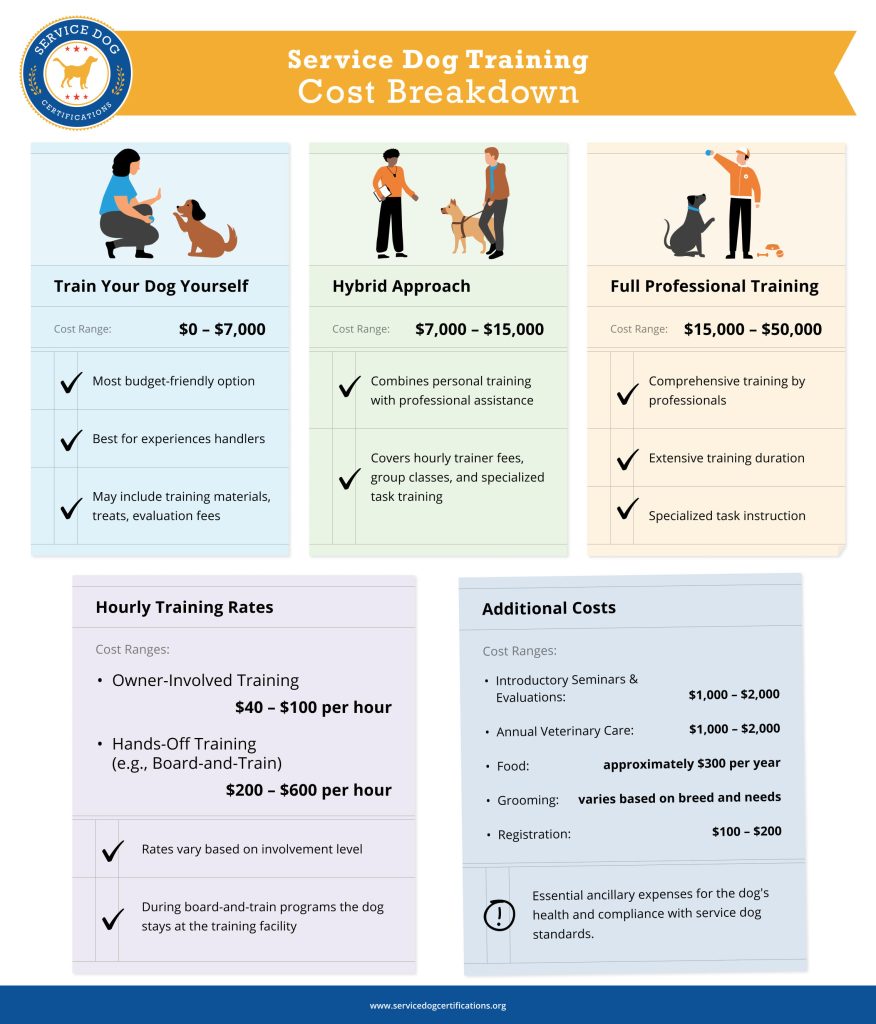
Hourly rates for dog aggression training differ. Many trainers charge between $30 and $100 per hour. The rate depends on the trainer’s experience and location. More experienced trainers often charge more. Urban areas may have higher rates compared to rural locations.
Package Deals
Package deals can offer savings. Trainers might offer sessions in bundles. A common package includes 5 to 10 sessions. Prices for packages range from $200 to $600. These packages usually include assessments and follow-up consultations. Some trainers offer discounts for extended packages.
Additional Fees And Expenses
Other costs may arise during training. These include travel fees if trainers come to your home. Travel costs vary based on distance. Equipment like muzzles or special leashes might be needed. Prices for equipment range from $20 to $50. Some trainers charge extra for weekend or evening sessions.
Credit: suburban-k9.com
Diy And Alternative Solutions
Tackling dog aggression on your own can save you a lot of money. DIY and alternative solutions offer flexible options that fit different budgets and schedules. You get to work at your own pace while learning valuable skills that improve your dog’s behavior and your bond.
Online Courses And Resources
Online courses give you access to expert advice without paying steep fees. Many platforms offer video lessons, step-by-step guides, and live Q&A sessions tailored to dog aggression issues.
These courses often include community support, so you can share experiences and get feedback. Have you ever thought about how much you can improve by watching and practicing techniques from home?
Books And Guides
Books remain a solid resource for understanding dog aggression deeply. Look for titles written by certified trainers or veterinary behaviorists.
They provide detailed explanations, case studies, and practical exercises you can try immediately. Sometimes, a single well-written guide can change how you respond to your dog’s triggers.
Behavioral Tools And Equipment
Certain tools can make training safer and more effective. Items like head halters, no-pull harnesses, or calming aids help manage your dog during sessions.
Choosing the right equipment depends on your dog’s size and temperament. Have you considered how a simple change in gear could reduce stress for both of you during training?
Insurance And Financial Assistance
Managing dog aggression training costs can be challenging. Insurance and financial help often ease this burden. Understanding available options helps pet owners plan better.
Pet Insurance Coverage
Some pet insurance plans cover behavioral therapy and training. Coverage depends on the policy and provider. Owners should check terms before purchasing. Behavioral issues like aggression may require special add-ons. Insurance can reduce out-of-pocket expenses significantly. Always verify if aggression training is included.
Payment Plans And Discounts
Many trainers offer flexible payment plans. These plans spread the cost over weeks or months. Some trainers provide discounts for multiple sessions or referrals. Payment options make training more affordable. Discuss available plans directly with your trainer. Discounts might be available during certain seasons or promotions.
Nonprofit And Community Programs
Nonprofit organizations sometimes offer free or low-cost training. Community centers may run group classes at reduced rates. These programs aim to support pet owners with limited funds. Local animal shelters often provide resources or referrals. Checking local resources can reveal helpful options. These programs help keep dogs safe and happy.
Choosing The Right Trainer
Choosing the right trainer is key to managing dog aggression effectively. The right expert uses safe and proven methods. They understand your dog’s behavior and your goals. This choice impacts your dog’s progress and safety. Taking time to pick the best trainer helps avoid future problems and costs.
Certifications To Look For
Certified trainers have formal education and experience. Look for credentials from recognized organizations. Examples include:
- International Association of Canine Professionals (IACP)
- Certification Council for Professional Dog Trainers (CCPDT)
- American Veterinary Society of Animal Behavior (AVSAB)
These certifications show the trainer knows dog behavior well. They follow ethical training standards. Avoid trainers without any formal certification.
Questions To Ask Potential Trainers
Ask clear questions to understand their approach. Important questions include:
- What methods do you use for aggression training?
- Do you use positive reinforcement or punishment?
- Can you provide references or success stories?
- How do you handle setbacks during training?
- What is the estimated length and cost of training?
Good trainers answer openly and clearly. They explain in simple terms. Avoid trainers who are vague or push quick fixes.
Evaluating Training Success
Success means safer behavior and happier dogs. Trainers should set clear, measurable goals. Progress checks help track improvement. Watch for:
- Reduced aggressive incidents
- Better response to commands
- Increased calmness in triggers
- Owner’s confidence in handling the dog
Regular updates and adjustments to the plan show professionalism. Training is not a one-time fix but a journey.
Tips To Reduce Training Costs
Training a dog to reduce aggression can feel expensive. Costs add up quickly, but some smart choices help lower them. Using simple tips can save money while still giving your dog the help it needs.
Combining Training Methods
Mixing professional training with at-home techniques cuts costs. Attend group classes instead of private sessions. Use online tutorials and books for extra guidance. This approach balances expert help and your active role.
Early Intervention Benefits
Start training as soon as you notice aggression signs. Early action prevents problems from growing worse. It means fewer sessions and less intense work later. The sooner you act, the less money you spend overall.
Consistency And Home Practice
Practice training exercises daily at home. Consistent effort improves behavior faster. It reduces the need for frequent trainer visits. Keep sessions short and regular. Your time and patience save money in the long run.

Credit: www.tsk9u.com
Frequently Asked Questions
How Much Does Dog Aggression Training Typically Cost?
Dog aggression training usually costs between $50 and $150 per session. The total depends on the trainer’s experience and session length. Some trainers offer packages that reduce the overall price. Costs can vary by location and the dog’s specific needs.
What Factors Influence Dog Aggression Training Prices?
Prices depend on the trainer’s expertise, training method, and session duration. The dog’s aggression level and behavioral history also affect costs. Additional expenses might include travel fees or special equipment. Location and demand for trainers can raise or lower prices.
Are Group Sessions Cheaper Than Private Dog Training?
Yes, group sessions generally cost less than private training. They provide socialization but less individualized attention. Private sessions are more expensive but offer tailored strategies for aggression issues. Choose based on your dog’s needs and your budget.
Does Insurance Cover Dog Aggression Training Costs?
Most pet insurance plans do not cover training expenses. Insurance typically covers medical treatments, not behavioral training. Some specialized policies might offer partial coverage. Always check your insurance policy details before assuming coverage.
Conclusion
Dog aggression training costs vary based on many factors. Trainers, location, and session length affect prices. Investing in training helps keep your dog and family safe. Consistent effort brings the best results over time. Choose a trainer who fits your budget and needs.
Remember, each dog is different and may need extra care. Taking action early can prevent bigger problems later. Your dog’s behavior can improve with patience and the right help.