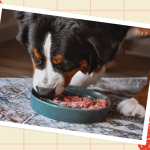
Are you wondering if it’s okay for your puppy to eat adult dog food? You want to make sure your furry friend gets the right nutrition to grow strong and healthy.
Feeding your puppy the wrong food could affect their development and energy levels. But how do you know what’s best? You’ll discover why feeding your puppy adult dog food might not be the best choice and what you should consider to keep your pup happy and thriving.
Keep reading to learn the key facts every pet owner needs to know!
Nutritional Needs Of Puppies
Puppies have unique nutritional needs that differ significantly from adult dogs. Their bodies are growing rapidly, and they require a diet that supports this intense development. Understanding what your puppy needs can help you make better choices about their food, including whether adult dog food is suitable.
Growth Requirements
Puppies grow at a fast pace, sometimes doubling or tripling their weight in just a few months. This rapid growth demands a higher amount of calories compared to adult dogs. Feeding them adult dog food might not provide enough energy, which can slow down their growth or cause nutritional gaps.
Think about your own energy needs as a child versus an adult—your diet changes because your body requires different fuel. Puppies need more frequent meals rich in calories to keep up with their active growth stages.
Key Nutrients For Development
Certain nutrients are essential for healthy bone, muscle, and brain development in puppies. Protein is crucial to build strong muscles, while calcium and phosphorus support bone growth. Puppies also benefit from DHA, an omega-3 fatty acid that helps brain and eye development.
If you feed your puppy adult dog food, it might lack these key nutrients or have them in lower amounts. This can lead to weaker bones, slower brain development, or other health issues down the line.
- Protein:Supports muscle growth and repair.
- Calcium & Phosphorus:Essential for strong bones and teeth.
- DHA:Aids brain and vision development.
- Fat:Provides energy and supports healthy skin and coat.
Would you want to risk your puppy missing out on these crucial nutrients just to save a bit of money or convenience? Feeding the right diet now sets the stage for a healthier adult dog later.
Differences Between Puppy And Adult Dog Food
Puppies and adult dogs have different nutritional needs. Puppy food is specially made to support growth and development. Adult dog food focuses on maintaining health and energy in mature dogs. Understanding these differences helps ensure puppies get the right nutrients for strong bones and a healthy immune system.
Calorie Content
Puppy food contains more calories than adult dog food. Growing puppies need extra energy for play and development. Adult dogs require fewer calories to avoid weight gain. Feeding puppies adult food may not provide enough energy for their active growth phase.
Protein And Fat Levels
Puppy food has higher protein and fat levels. Protein supports muscle growth and repair in puppies. Fat provides essential energy and helps brain development. Adult dog food usually has lower protein and fat since mature dogs need less for maintenance.
Vitamin And Mineral Balance
Puppy food includes more vitamins and minerals tailored for growth. Calcium and phosphorus levels are adjusted to build strong bones and teeth. Adult dog food balances nutrients to support overall health and prevent excess weight. Feeding adult food to puppies can lead to nutrient gaps or imbalances.
Potential Risks Of Feeding Adult Food To Puppies
Feeding adult dog food to puppies can lead to poor growth and nutrient shortages. Puppies need extra vitamins and minerals that adult food lacks. This mismatch may cause weak bones and health problems.
Feeding puppies adult dog food might seem convenient, but it comes with significant risks. Puppies have unique nutritional needs that differ from adult dogs. Ignoring these needs can lead to a range of health issues for your furry friend.Nutritional Deficiencies
Puppies require a diet rich in proteins and fats to support their rapid growth and development. Adult dog food often lacks the higher levels of calcium, phosphorus, and other vital nutrients that puppies need. Without these nutrients, your puppy might not develop properly, leading to weak bones and a compromised immune system.Digestive Issues
Puppies have sensitive digestive systems that can struggle with the ingredients found in adult dog food. This can result in gastrointestinal upset, including diarrhea and vomiting. You might notice your puppy becoming lethargic or losing interest in food, which can further impact their health.Long-term Health Effects
Feeding a puppy adult dog food over a prolonged period can lead to long-term health problems. These might include obesity, skeletal abnormalities, and developmental delays. Consider the long-term implications on your puppy’s health and well-being, and ask yourself if the convenience is worth the risk. Choosing the right food for your puppy is crucial for their overall health and happiness. Have you noticed any changes in your puppy’s behavior or health that might be linked to their diet? Ensuring that your puppy receives the appropriate nutrients can make all the difference in their development and quality of life.
Credit: us.eukanuba.com
When Adult Food Might Be Acceptable
There are certain situations when feeding puppies adult dog food can be okay. This usually depends on the puppy’s age, health, and specific needs. Understanding these cases helps avoid nutritional problems and keeps puppies healthy.
Short-term Substitutions
Adult dog food can serve as a temporary option. For instance, during emergencies or when puppy food is unavailable. It is important to keep this short. Puppies need more calories and nutrients than adult dogs. Feeding adult food for a few days won’t cause harm but avoid long-term use. Always return to puppy food as soon as possible.
Special Dietary Needs
Some puppies have unique health issues. In such cases, adult food may better suit their diet. For example, if a puppy has allergies or digestive problems. Adult food sometimes has a simpler ingredient list. Consult a vet before making any changes. They can recommend the best diet for your puppy’s condition.
Tips For Transitioning Puppy Food
Transitioning a puppy from puppy food to adult dog food requires care and patience. Sudden changes can upset their stomach or cause refusal to eat. Following a clear plan helps your puppy adjust smoothly and stay healthy during this change.
Gradual Switching Process
Start mixing a small amount of adult food with puppy food. Increase the adult food portion slowly over 7 to 10 days. This gives your puppy’s digestive system time to adapt. Watch how your puppy reacts to the new food during this period.
- Day 1-3: 75% puppy food, 25% adult food
- Day 4-6: 50% puppy food, 50% adult food
- Day 7-9: 25% puppy food, 75% adult food
- Day 10: 100% adult food
Monitoring Your Puppy’s Health
Check your puppy’s energy level and appetite daily. Look for signs like vomiting, diarrhea, or constipation. Keep an eye on their stool consistency and frequency. If any problems occur, slow down the transition or consult your vet. Healthy skin and a shiny coat also show good nutrition.

Credit: www.thinkjinx.com
Consulting A Veterinarian
Consulting a veterinarian is essential for your puppy’s diet decisions. Puppies have different nutritional needs than adult dogs. A vet can provide advice tailored to your puppy’s breed, size, and health. This ensures the puppy grows strong and healthy.
Veterinarians can also help prevent health problems caused by improper feeding. They understand the best food types and portion sizes for your puppy. This guidance reduces the risk of digestive issues and nutrient deficiencies.
Personalized Nutrition Advice
A vet assesses your puppy’s specific needs. They consider age, weight, and activity level. This helps create a balanced diet plan. The vet may suggest mixing puppy and adult dog food or switching gradually.
They can recommend brands and formulas that suit your puppy’s growth stage. This advice helps avoid feeding mistakes. Puppies need more protein and fat than adult dogs. A vet ensures the diet meets these needs safely.
Signs To Watch For
Monitor your puppy closely after any diet change. Watch for symptoms like:
- Diarrhea or vomiting
- Lack of energy or lethargy
- Poor coat condition or dry skin
- Unusual weight loss or gain
- Changes in appetite
Report these signs to your vet immediately. Early detection helps fix diet problems fast. A vet can adjust the food plan if needed. Your puppy’s health depends on careful observation and timely advice.

Credit: www.petsradar.com
Frequently Asked Questions
Can Puppies Eat Adult Dog Food Safely?
Puppies should not eat adult dog food regularly. Adult formulas lack essential nutrients for puppy growth. Feeding adult food can lead to nutritional deficiencies and health issues. Always choose puppy-specific food for balanced nutrition during early development.
What Are The Risks Of Feeding Puppies Adult Food?
Adult dog food lacks extra protein, fat, and calories puppies need. Feeding it can cause slow growth, weak immunity, and digestive problems. Puppies require specialized nutrition to support their rapid development and energy demands.
When Can Puppies Switch To Adult Dog Food?
Most puppies can transition to adult dog food between 12 to 18 months. The exact timing depends on breed size and vet advice. Gradual switching helps puppies adjust without digestive upset.
How To Choose The Right Food For Puppies?
Select puppy food with high protein, fat, and essential nutrients. Look for formulas approved by veterinary nutritionists. Quality puppy food supports healthy bone, muscle, and brain development.
Conclusion
Puppies need food made just for their growth. Adult dog food may lack important nutrients for puppies. Feeding only adult food can slow their development. Always choose puppy food for healthy bones and energy. Consult your vet to find the best diet.
Keep your puppy strong and happy with proper meals. Small changes now help your dog live well later. Remember, good nutrition starts early and lasts a lifetime.