
You want the best for your dog, and choosing the right food is a big part of that. Maybe you’ve heard that grain-free diets are healthier or better for your furry friend.
But what if that’s not the full story? What if feeding your dog grain-free food could actually do more harm than good? Understanding the truth behind grain-free diets can help you protect your dog’s health and avoid costly mistakes. Keep reading to discover why a grain-free diet might not be the best choice for your dog and what you should consider instead.
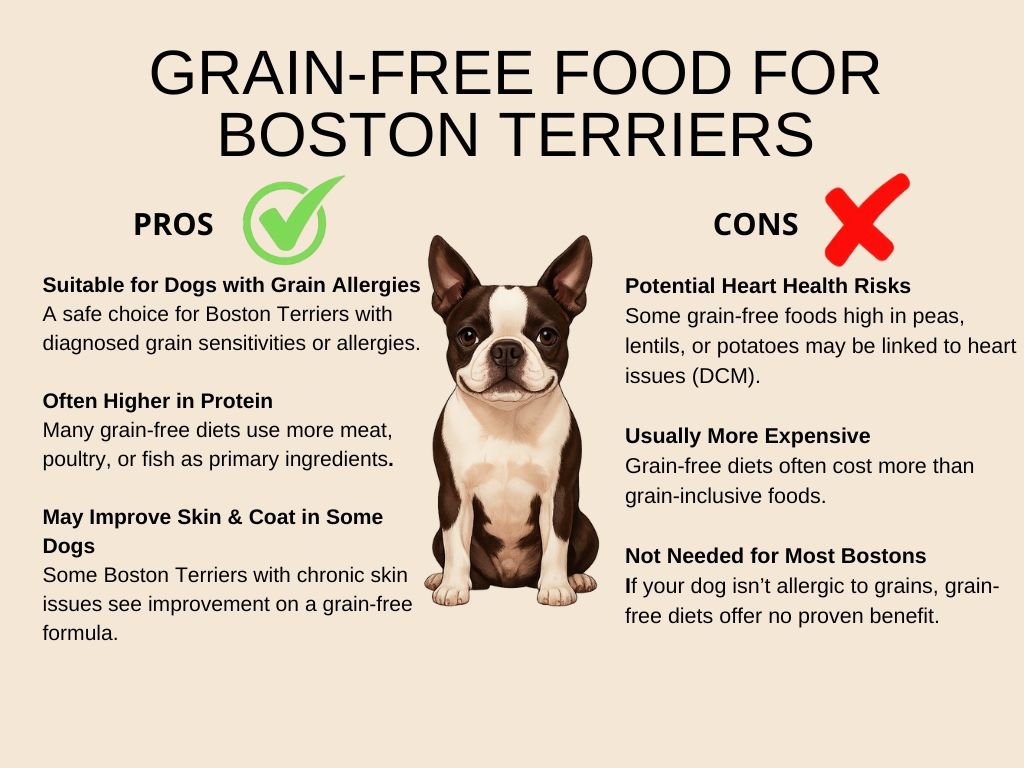
Credit: bostonterrierblog.com
Grain Free Diet Trends
The trend of feeding dogs a grain free diet has gained a lot of attention in recent years. Many pet owners believe that removing grains from their dog’s food will lead to better health and fewer allergies. But is this trend really backed by science, or is it just a fad that could harm your furry friend?
Rise In Popularity
Grain free diets became popular as more people searched for natural and healthier options for their pets. Celebrity endorsements and social media posts fueled this surge, making grain free foods a top choice in pet stores.
Many owners noticed short-term improvements like shinier coats or less itching, which made them stick to these diets. But popularity doesn’t always mean the diet is best for every dog’s long-term health.
Common Misconceptions
One major misconception is that grains cause allergies or digestive problems in most dogs. In reality, true grain allergies are rare, affecting less than 1% of dogs.
Another false belief is that grain free equals higher protein and better nutrition. Some grain free foods replace grains with more potatoes or peas, which may not provide the balanced nutrients your dog needs.
Have you ever wondered if your dog’s food label really matches what’s inside? Reading beyond marketing terms can help you avoid falling for these myths and choose a diet that supports your dog’s health.
Nutritional Role Of Grains
Grains often get a bad reputation in dog diets, but they play an important nutritional role that many pet owners overlook. Removing grains from your dog’s food might seem like a healthy choice, but it can actually strip away valuable nutrients your dog needs. Understanding what grains contribute can help you make better decisions about your dog’s diet.
Essential Nutrients Provided
Grains offer a rich source of energy for dogs. They provide complex carbohydrates that help fuel your dog’s daily activities and maintain steady energy levels. Unlike simple sugars, these carbs break down slowly, preventing spikes and crashes in blood sugar.
Besides carbs, grains contain essential nutrients like:
- Fiber:Aids in digestion and supports a healthy gut.
- B vitamins:Important for metabolism and brain function.
- Iron and magnesium:Crucial for oxygen transport and muscle function.
Cutting grains out means your dog might miss out on these benefits unless these nutrients are replaced elsewhere in the diet.
Grains Vs. Fillers
Many people confuse grains with fillers, assuming both are useless or even harmful. But grains are not the same as fillers. Fillers are low-quality ingredients that add bulk without nutrition, such as excessive corn or wheat middlings.
High-quality grains like brown rice, oats, and barley serve a purpose beyond just filling space. They offer digestible nutrients and support overall health. If you switch to grain-free foods, ask yourself: are those grains really replaced with better ingredients, or just more fillers?
Your dog’s food label can reveal this. Look for named, nutritious grains rather than vague terms that suggest filler ingredients. Quality matters more than the presence or absence of grains alone.
Health Risks Of Grain Free Diets
Grain free diets might seem like a healthier choice for your dog, but they come with serious health risks you should not ignore. Many dog owners switch to grain free food hoping to avoid allergies or digestive problems. However, these diets can lead to unexpected and dangerous health issues that affect your pet’s well-being.
Dilated Cardiomyopathy (dcm)
One of the most alarming risks linked to grain free diets is Dilated Cardiomyopathy (DCM), a condition where your dog’s heart muscle weakens. The FDA has reported cases where dogs on grain free diets developed this life-threatening disease. Your dog’s heart needs certain nutrients to stay strong, and some grain free foods lack these essential components.
Have you noticed your dog getting tired faster or coughing more? These could be signs of DCM. Always consult your vet if you see such symptoms, especially if your dog is on a grain free diet.
Nutrient Deficiencies
Grain free diets often miss out on vital nutrients found in grains. Grains provide important vitamins, minerals, and fiber that support your dog’s immune system and overall health. Without these nutrients, your dog might suffer from deficiencies that weaken their body over time.
For example, taurine deficiency is a known problem linked to grain free foods and DCM. Taurine is crucial for heart health and is naturally found in many grain-inclusive diets. You should check your dog’s food labels carefully and discuss with your vet whether your dog is getting all the nutrients they need.
Digestive Issues
Grains contribute to healthy digestion by adding fiber to your dog’s diet. Removing grains can disrupt your dog’s digestive system, leading to problems like constipation or diarrhea. Dogs may also struggle to absorb nutrients properly without the fiber grains provide.
If your dog’s stool becomes loose or they have frequent stomach upsets after switching to grain free food, this could be a red flag. Paying attention to your dog’s digestive health helps you catch problems early and make better food choices.
Fda Findings And Warnings
The FDA warns that grain-free diets may cause heart problems in dogs. These diets can lead to nutrient imbalances and health risks. Pet owners should be cautious and consult veterinarians before choosing grain-free food.
The buzz around grain-free diets for dogs has caught the attention of pet owners everywhere. However, the FDA has issued warnings that are causing concern. Their findings suggest a potential link between grain-free diets and canine heart disease. This revelation has sparked a conversation about what’s really best for our furry friends.Investigation Results
The FDA’s investigation into grain-free diets revealed some startling facts. They found a correlation between these diets and a rise in cases of canine dilated cardiomyopathy (DCM). It turns out that many grain-free products replace grains with ingredients like peas and lentils, which may not provide the necessary nutrients for heart health. Imagine thinking you’re giving your dog the best, only to find out it might be harmful. This raises the question—are we sometimes misled by trendy dog food labels? It’s crucial to stay informed and question what’s in your pet’s bowl.Pet Food Recalls
The FDA’s findings led to several pet food recalls, prompting companies to reassess their ingredients. Brands that were once considered top-tier have had to pull products off the shelves. This highlights the importance of being vigilant and checking for any updates on food recalls. Have you ever checked your pet’s food brand against recent recalls? It’s a simple step that can make a huge difference in your pet’s health. Keeping up with these recalls ensures that your beloved pet is safe from potentially harmful products. It’s essential to stay informed and proactive about your dog’s diet. Understanding the FDA’s findings can guide you in making better dietary choices for your pet. Are you ready to take a closer look at what’s in your dog’s dish?Alternatives To Grain Free Diets
Choosing the right diet for your dog matters a lot. Grain free diets may seem healthy but can cause problems. Exploring other diet options helps keep dogs safe and strong. These alternatives provide essential nutrients without unnecessary risks.
Balanced Diet Options
A balanced diet includes proteins, fats, carbohydrates, vitamins, and minerals. Grains often provide important carbohydrates and fiber for digestion. Many commercial dog foods offer well-rounded nutrition with grains included. Look for formulas labeled as complete and balanced by pet nutrition experts.
Whole grains like brown rice, oats, and barley supply energy and support gut health. Dogs need a mix of ingredients to maintain muscle, skin, and immune system health. Avoid diets that remove grains without replacing nutrients properly.
Consulting Veterinary Nutritionists
Veterinary nutritionists create diets tailored to your dog’s health needs. They analyze medical history, allergies, and activity levels before recommending food. Consulting these experts ensures your dog gets safe and effective nutrition.
Nutritionists can suggest alternatives to grain free diets that fit specific health conditions. Their advice helps avoid nutritional deficiencies and supports long-term wellbeing. Always seek professional guidance before making major diet changes for your dog.

Credit: www.houndsy.com
Choosing The Right Dog Food
Choosing the right dog food is key to your pet’s health. Dogs need balanced nutrition to stay strong and happy. Grain free diets often miss important nutrients. Understanding what to look for helps avoid problems. Quality dog food supports energy, digestion, and overall wellness.
Reading Labels Carefully
Labels show what is in the dog food. Look for clear ingredient lists. The first ingredients matter the most. Avoid foods with vague terms like “meat by-products.” Check for artificial colors or preservatives. These can harm your dog’s health. Also, note the guaranteed analysis for protein and fat levels. These numbers tell if the food meets your dog’s needs.
Recognizing Quality Ingredients
Good dog food contains real meat or fish as the main ingredient. Whole grains like brown rice or oats provide energy and fiber. Vegetables add vitamins and minerals. Avoid foods with too many fillers like corn or wheat. High-quality ingredients support digestion and keep your dog’s coat shiny. Balanced food promotes healthy weight and strong immunity.

Credit: wefeedraw.com
Frequently Asked Questions
Why Is A Grain Free Diet Bad For Dogs?
A grain free diet may lead to nutritional imbalances in dogs. It can cause heart issues like dilated cardiomyopathy. Grains provide essential nutrients and fiber that support dog health.
Can Grain Free Diets Cause Heart Problems In Dogs?
Yes, some studies link grain free diets to dilated cardiomyopathy. This heart condition reduces heart function and can be fatal. Avoiding grain free foods reduces this risk.
Are Grain Free Dog Foods Lacking Essential Nutrients?
Grain free dog foods often miss key nutrients found in grains. These include fiber, vitamins, and minerals important for digestion and overall health. Balanced nutrition is crucial for dogs.
Is A Grain Free Diet Recommended By Veterinarians?
Most veterinarians do not recommend grain free diets without specific allergies. Balanced diets with grains support heart and digestive health. Always consult a vet before changing your dog’s diet.
Conclusion
Grain free diets may seem healthy but can harm dogs in many ways. They can cause nutrient gaps and heart problems. Dogs need balanced food with grains for energy and health. Avoiding grains without vet advice is risky. Choose dog food that supports strong bones and a healthy heart.
Think about your dog’s long-term health, not just trends. Giving your dog the right nutrients keeps them happy and active. Always check with a vet before changing your dog’s diet. Good food means a healthier, happier dog.