
Knowing exactly when to switch your medium-sized dog to adult food can feel confusing. You want to give your furry friend the best nutrition at every stage, but how do you know the right time to make the change?
If you feed adult food too early or too late, it could affect your dog’s health and energy. You’ll discover clear signs and expert tips to help you make the best choice for your dog’s growth and well-being. Keep reading to ensure your loyal companion thrives with the right diet at the right time.
Credit: www.petsmart.ca
Ideal Age For Adult Food
Knowing the ideal age to start feeding your medium-sized dog adult food is essential for their health and well-being. Switching too early or too late can affect their growth and energy levels. Understanding the right timing helps you support their changing nutritional needs as they mature.
Growth Stages Of Medium Dogs
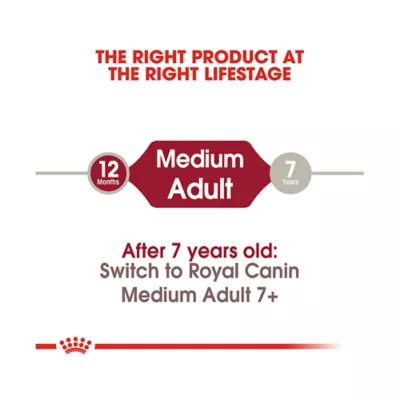
Medium dogs typically reach adulthood between 12 to 15 months old. This stage follows their rapid puppy growth phase when they need high-calorie, nutrient-rich food. Once their bones and muscles have mostly developed, their energy needs stabilize, signaling it’s time to switch to adult food.
During the growth stage, your dog’s body focuses on building strong bones, teeth, and muscles. Puppy food supports this with extra protein and fat. But as growth slows, continuing puppy food can lead to unwanted weight gain.
Signs Of Readiness
How do you know your dog is ready for adult food? Look for these signs:
- Steady Weight:Your dog’s weight has leveled off and they’re no longer growing rapidly.
- Calmer Energy Levels:Puppy bursts of energy start to settle into a more balanced activity level.
- Dental Development:Their adult teeth have mostly come in, indicating maturity.
If your dog shows these signs around 12 to 15 months, it’s usually safe to start the switch. I once delayed changing my dog’s food and noticed she gained excess weight, which made her sluggish. Adjusting her diet at the right time brought back her playful spark quickly.
Are you paying close attention to how your dog’s growth is progressing? Timing the switch to adult food could make a big difference in their health and happiness.
Nutritional Needs Shift
As your medium-sized dog grows, their nutritional needs change significantly. This shift means it’s time to reconsider the type of food you provide. Recognizing these changes helps you support your dog’s health and energy levels through every stage of life.
Comparing Puppy And Adult Diets
Puppy food is designed to support rapid growth and development. It contains higher levels of protein and calories to fuel their active lifestyle and build strong muscles and bones.
Adult dog food, on the other hand, focuses on maintaining health rather than growth. It usually has fewer calories and balanced nutrients to prevent obesity and support long-term wellness.
Have you noticed your dog’s energy slowing down or their appetite changing? These signs often mean it’s time to switch from puppy to adult food to meet their evolving needs.
Key Nutrients For Adults
Adult dogs need a balanced mix of nutrients to keep their bodies running smoothly. Important ones include:
- Protein:Supports muscle maintenance without overloading their system.
- Fat:Provides energy but should be controlled to avoid weight gain.
- Fiber:Helps with digestion and keeps their gut healthy.
- Vitamins and Minerals:Aid in immune function, bone health, and overall vitality.
Choosing a food that balances these nutrients can improve your dog’s coat shine, boost their energy, and keep their weight in check. What changes have you seen when adjusting your dog’s diet? Paying attention to these details makes a real difference in their health journey.
Health Factors To Consider
Transitioning your medium-sized dog to adult food requires careful consideration of their health needs. This decision isn’t just about age but involves evaluating various health factors to ensure your furry friend remains healthy and happy. Let’s dive into some key aspects you should consider before making this important dietary change.
Weight Management
Keeping your dog’s weight in check is vital for their overall well-being. Adult dog food is formulated differently than puppy food, with fewer calories and nutrients tailored for grown dogs. Observe your dog’s weight and body condition regularly. Is your dog gaining weight too quickly, or perhaps losing it? Adjust their diet accordingly. A friend of mine noticed her Labrador retriever was packing on a few extra pounds and switched to a weight-control adult formula. The results were impressive, with her dog returning to a healthy weight in just a few weeks.
Activity Levels
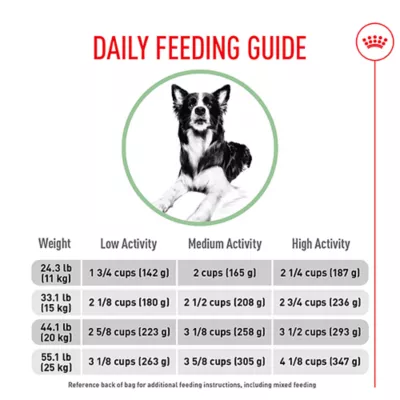
Consider how active your dog is on a daily basis. An energetic dog that loves playing fetch or running around the yard may require a different nutritional profile than a more sedentary pet. Adjusting their food intake based on their activity level can prevent unnecessary weight gain or energy deficits. Look at your dog’s daily routine. Is it filled with high-energy activities or more relaxed? Tailoring their diet to match their lifestyle can make a significant difference. A neighbor of mine switched her border collie to a high-protein adult food because of its high energy levels, and it noticeably improved her dog’s stamina and playfulness.
Are you observing other health factors in your dog that might influence their dietary needs? Share your experiences and questions in the comments below!
Transitioning Smoothly
Transitioning your medium size dog to adult food requires care and patience. A sudden switch can upset their stomach and cause refusal to eat. A smooth change helps your dog adjust to new flavors and nutrients without stress. This process protects their digestive health and keeps mealtimes enjoyable.
Gradual Food Changes
Start by mixing a small amount of adult food into your dog’s current food. Increase the adult food portion slowly over 7 to 10 days. This gradual change helps the digestive system adapt. Watch the ratio change like this:
| Day | Current Food | Adult Food |
|---|---|---|
| 1-3 | 75% | 25% |
| 4-6 | 50% | 50% |
| 7-9 | 25% | 75% |
| 10+ | 0% | 100% |
Keep your dog’s water bowl full and fresh during this time. Smaller meals more often can ease the transition.
Monitoring Reactions
Observe your dog closely during the food change. Look for signs like vomiting, diarrhea, or loss of appetite. Mild changes can be normal, but persistent issues need attention. Check for energy levels and coat condition too. Healthy skin and a shiny coat mean good nutrition.
Write down any changes in behavior or digestion. Share this information with your vet if problems arise. Early detection helps fix issues quickly. Remember, patience and care make the switch easier for your dog.
Consulting Your Veterinarian
Consulting your veterinarian is key before switching your medium size dog to adult food. Vets know your dog’s health and growth needs best. Their advice ensures your dog gets the right nutrition at the right time.
Personalized Recommendations
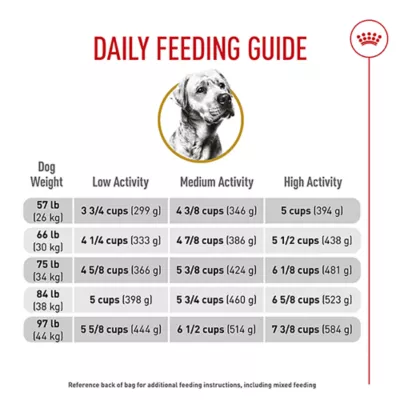
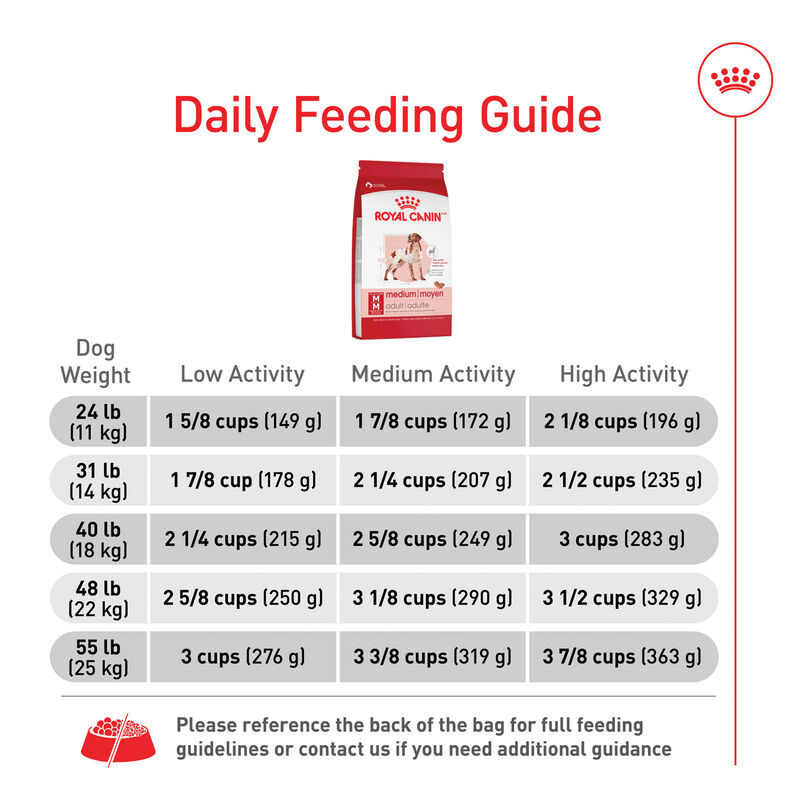
Your dog’s breed, weight, and activity level affect the ideal time to start adult food. Vets offer tailored advice based on these factors. They consider your dog’s current diet and any health concerns. This helps avoid digestive issues or nutrient gaps during the transition.
When To Seek Advice
- If your dog shows slow growth or weight loss.
- When your dog has allergies or digestive problems.
- If your dog is very active or has a specific medical condition.
- Before changing food types or brands.
Regular vet visits are a good chance to discuss diet changes. This keeps your dog’s health on track and supports a smooth switch to adult food.
Credit: www.petsmart.ca
Common Mistakes To Avoid
Knowing when to switch your medium size dog to adult food is crucial, but many pet owners make common mistakes that can affect their dog’s health. Avoiding these errors helps ensure your dog gets the right nutrition at the right time.
Too Early Switch
Switching to adult food too soon can cause nutritional gaps. Puppies need specific nutrients to support their growth, and adult food often lacks these. I once rushed my dog’s transition and noticed a drop in energy levels and duller fur.
Wait until your dog reaches their full growth stage, usually around 12 months for medium breeds. Rushing the change can upset their digestion and slow development. Ask yourself: Is my dog physically mature enough for this switch?
Ignoring Dietary Needs
Every dog has unique dietary needs based on age, activity level, and health. Ignoring these can lead to weight gain, allergies, or deficiencies. For example, an active dog may require more protein than a less active one.
Check the ingredients and nutrient levels before switching food. Consult your vet about any special requirements your dog might have. What specific needs does your dog have that adult food should address?
Credit: www.renspets.com
Frequently Asked Questions
When Should I Switch My Medium Dog To Adult Food?
Switch your medium dog to adult food between 12 to 18 months. This timing supports healthy growth and development. Consult your vet for personalized advice.
How To Recognize When A Medium Dog Needs Adult Food?
Look for signs like slowed growth and changes in energy. Your dog may also finish puppy food quickly. These indicate readiness for adult food.
Can I Feed Adult Food Before 12 Months?
It’s best to avoid feeding adult food before 12 months. Puppy food meets their higher nutritional needs during growth. Early switching may cause nutrient deficiencies.
What Are The Benefits Of Switching To Adult Dog Food?
Adult food supports maintenance of healthy weight and energy levels. It helps prevent obesity and nutritional imbalances. Proper feeding improves overall health and longevity.
Conclusion
Feeding your medium-size dog adult food at the right time matters. Watch their growth and energy changes closely. Most dogs switch to adult food between 9 and 12 months. Too early or too late can affect their health. Choose a good quality adult dog food for better nutrition.
Always consult your vet if unsure about the transition. Your dog will thank you with better health and happiness. Keep their diet balanced and enjoy many joyful years together.