
You want the best for your furry friend, and feeding them the right food at the right time is a big part of that. But how do you know when your dog is ready to switch from puppy food to adult dog food?
Making this change too early or too late can affect your dog’s health and energy. You’ll discover the key signs to watch for and the best time to make the switch. Keep reading to ensure your dog stays happy, healthy, and full of life.
Puppy Growth Stages
Puppy growth happens fast. Each stage shapes their health and eating habits. Understanding these stages helps choose the right food at the right time. Puppies need different nutrients as they grow from tiny newborns to active young dogs. Feeding adult dog food too early can cause health issues. Knowing the key growth stages ensures a smooth diet transition.
From Newborn To Weaning
Newborn puppies rely fully on their mother’s milk. This milk gives all needed nutrients and antibodies. Puppies nurse often, every two hours or so. Their digestive systems are very fragile and cannot handle solid food yet. This stage lasts about three to four weeks.
During this time, puppies sleep and grow rapidly. They start to open their eyes and ears around two weeks old. Their teeth begin to come in by the end of this stage. The mother’s milk remains the only food source until weaning begins.
Transition To Solid Food
Around three to four weeks, puppies begin to explore solid food. Start with soft, wet puppy food mixed with water or milk replacer. This helps them learn to chew and swallow solid meals. Gradually reduce the milk mixture as they eat more solid food.
By six to eight weeks, puppies should eat mostly solid food. Their teeth are stronger and digestive systems more mature. This is the time to offer high-quality puppy food designed for growth. Avoid switching to adult dog food during this phase.
This transition prepares puppies for independence from their mother. It supports their rapid growth and energy needs. Feeding the right food now builds a strong foundation for adult health.

Credit: jiminys.com
Indicators For Switching Food
Knowing when to switch your dog from puppy food to adult dog food is key to keeping them healthy and energized. Several signs can guide you through this transition, ensuring your dog gets the right nutrients at the right time. Watching for these indicators helps you avoid feeding your dog food that’s either too rich or lacking essential components for their current life stage.
Age Benchmarks
Most dogs are ready to start adult food around one year old, but this can vary. Small breeds often mature faster and can switch at 9 to 12 months, while larger breeds might need puppy food up to 18 or even 24 months. Knowing your dog’s breed and typical growth timeline helps you pick the right moment to change their diet.
Weight And Size Considerations
Your dog’s weight and size also play a big role in deciding when to switch foods. If your dog has reached about 80% of their expected adult weight, it might be time to consider adult food. Overfeeding puppy food past this point can lead to unnecessary weight gain, which stresses joints and overall health.
Behavioral Changes
Have you noticed changes in your dog’s energy or appetite? A drop in hyperactivity or a steadier energy level can indicate physical maturity. Dogs may also become less interested in calorie-dense puppy food as their metabolism changes, signaling a good time to transition.
Risks Of Early Transition
Switching to adult dog food too soon can cause digestive problems and nutrient gaps. Puppies need specific nutrients for growth that adult food may not provide. Waiting until the right age helps ensure a healthy transition and proper development.
Transitioning your dog to adult dog food is a significant milestone, but doing it too early can lead to unwanted risks. Understanding these risks helps you make informed decisions for your furry friend’s well-being. Let’s dive into the potential issues of an early transition to adult dog food.Digestive Issues
Switching to adult dog food prematurely can upset your dog’s sensitive stomach. Puppies have specific dietary needs that adult food might not meet. This can lead to symptoms like diarrhea or vomiting, making your pet uncomfortable. A sudden change in diet can also disrupt the balance of gut bacteria. If you’ve ever had a stomach ache from eating something unusual, you know how uncomfortable it can be. Your dog feels the same way, so it’s crucial to transition gradually and at the right time.Nutritional Deficiencies
Puppies need more calories and nutrients than adult dogs to support their rapid growth and energy needs. Feeding them adult dog food too soon can result in a lack of essential nutrients. This can affect their development, leading to long-term health issues. Consider the difference in protein content between puppy and adult food. Puppies require higher protein levels to build muscle and develop properly. By transitioning too early, you’re potentially depriving them of these critical nutrients. Have you ever wondered if your dog is getting the right nutrients? Checking the nutritional content and ensuring it meets your puppy’s growth needs can prevent deficiencies. Make informed choices, and your dog will thank you with a wagging tail and boundless energy.Signs Your Dog Is Ready
Knowing when your dog is ready to switch to adult dog food can feel tricky. Watching for clear signs helps you make the right choice for your pet’s health. These signs focus on your dog’s growth and behavior changes, which tell you it’s time to adjust their diet.
Teeth Development
One clear sign your dog is ready for adult food is their teeth development. Puppies start losing their baby teeth around 3 to 4 months old. By 6 months, most have a full set of adult teeth, which are stronger and better suited for chewing tougher food.
If you notice your puppy chewing more aggressively or no longer showing discomfort while eating, it’s a good signal their teeth can handle adult kibble. Have you checked your dog’s teeth recently? Healthy, fully grown teeth mean they can digest adult food better.
Increased Activity Levels
Puppies often become more active as they grow, needing more energy from their food. If your dog’s playtime and exercise increase noticeably, their nutritional needs change too. Adult dog food usually contains more calories and balanced nutrients to support this higher activity.
You might see your pup running longer, jumping higher, or just generally having more stamina. This energy boost suggests their metabolism is shifting. Are you feeding your dog enough to keep up with their new energy? Switching to adult food can help maintain their vitality.
Choosing The Right Adult Food
Choosing the right adult dog food is crucial for maintaining your pet’s health as they transition from puppyhood. The right food supports their energy levels, keeps their coat shiny, and helps prevent health issues. It’s not just about picking any adult food off the shelf; you need to consider what suits your dog’s unique needs.
Nutritional Needs
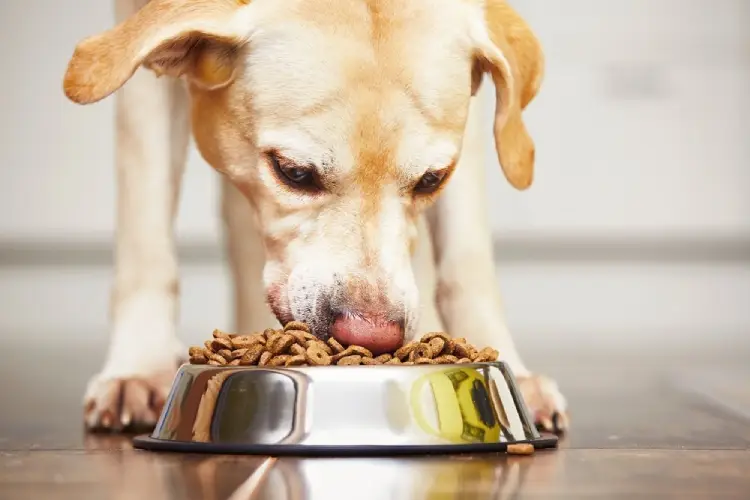
Your dog’s nutritional needs change as they grow. Adult dog food should have the right balance of proteins, fats, and carbohydrates to keep your dog active and healthy. Look for foods rich in high-quality protein, like chicken or fish, which help maintain muscle mass.
Also, pay attention to ingredients that support joint health, such as glucosamine and omega-3 fatty acids. If your dog is less active than before, choose a formula with fewer calories to avoid weight gain. Have you checked the label for the right nutrient balance for your dog’s lifestyle?
Breed-specific Options
Different breeds have different dietary needs. Large breeds may benefit from food that supports bone health, while small breeds often need smaller kibble and higher calorie density. Some brands offer breed-specific formulas designed to meet these unique requirements.
For example, a Great Dane’s food should focus on joint support, whereas a Chihuahua’s diet might emphasize dental health. Think about your dog’s breed traits when picking their food—does the label mention any breed-specific benefits?
Consulting A Veterinarian
Your vet is your best resource when deciding on adult dog food. They can recommend options based on your dog’s health history, weight, and activity level. This advice helps you avoid trial and error with foods that might not suit your dog.
Sometimes, dogs have allergies or sensitivities that only a vet can identify. A quick chat with your vet could save your dog discomfort and give you peace of mind. When was the last time you discussed your dog’s diet with a professional?
Credit: www.webbox.co.uk
How To Transition Smoothly
Switching your dog to adult food is a key moment in their growth. Doing it smoothly helps avoid stomach upset and ensures they enjoy their meals. You want the process to be comfortable for both you and your dog.
Gradual Mixing Techniques
Start by mixing a small amount of adult dog food with your puppy’s current food. A good rule is to begin with about 25% adult food and 75% puppy food. Keep this ratio for a few days to let your dog’s digestive system adjust.
After a few days, increase the adult food portion to 50%, then 75%, and finally 100%. Each stage should last around 3 to 5 days depending on your dog’s reaction. Sudden changes can cause diarrhea or refusal to eat, so patience is key.
During this time, watch how your dog responds to the new taste and texture. If they seem hesitant, try mixing the foods a bit longer or warming the adult food slightly to enhance aroma. Your dog’s comfort will guide the pace of transition.
Monitoring Health During Switch
Keep a close eye on your dog’s stool quality and eating habits throughout the transition. Loose stools or constipation are signs to slow down the switch. Also, watch for signs like vomiting or loss of appetite, which may need a vet’s advice.
Energy levels and coat condition are good health indicators during this phase. If your dog seems lethargic or their fur looks dull, reconsider the food choice or consult a professional. Every dog reacts differently, so tailor the process to your pet’s needs.
Ask yourself, is your dog maintaining their usual behavior and vitality? If yes, you’re likely on the right track. If no, pause and reassess before continuing. Your dog’s well-being should always come first.
Special Cases
Some dogs need special attention before switching to adult food. Their breed size and health can change the timing. Understanding these special cases helps keep dogs healthy and strong. Careful decisions make a big difference in their growth and wellbeing.
Large Vs Small Breeds
Large breed dogs grow slower than small breeds. They may need puppy food longer for proper bone development. Small breeds often switch to adult food earlier, around 9 to 12 months. Large breeds may wait 12 to 18 months. Feeding adult food too soon can cause joint problems in big dogs. Always match food type with your dog’s breed size.
Health Conditions Affecting Diet
Some dogs have health issues needing special diets. Dogs with allergies may need limited ingredient foods. Dogs with kidney or liver problems require specific nutrient control. Puppies with slow growth or weight problems might stay on puppy food longer. Consult a vet to choose the best diet for health needs. Tailored diets support recovery and long-term wellness.

Credit: petheavenblogs.com
Frequently Asked Questions
When Should A Dog Switch To Adult Dog Food?
Dogs typically switch to adult dog food between 12 to 18 months. Larger breeds may transition closer to 18 months. This timing ensures they get the right nutrients for their growth and energy needs as they mature.
Why Not Feed Puppies Adult Dog Food Early?
Adult dog food lacks the higher protein and fat puppies need. Feeding it too early can stunt growth and reduce energy. Puppies require specially formulated food for healthy development during their early months.
How To Transition A Dog To Adult Food?
Gradually mix adult food with puppy food over 7-10 days. Increase adult food portion slowly to avoid digestive upset. This helps your dog adjust comfortably to the new diet.
Can Feeding Adult Food Too Late Harm Dogs?
Yes, delayed transition can lead to excess calorie intake and weight gain. Puppies may miss vital nutrients needed for proper growth. Timely switching supports balanced nutrition and healthy development.
Conclusion
Choosing the right time for adult dog food matters. Puppies grow fast and need special nutrition first. Around one year old, many dogs switch to adult food. Watch your dog’s size, activity, and health to decide. Talk to your vet for advice tailored to your pet.
Feeding adult food too early or late can cause problems. Keep your dog happy and healthy with the right diet. Small changes make a big difference in your dog’s life. Stay patient and observe your furry friend closely.