
Are you wondering if it’s okay to feed your adult dog puppy food? It’s a question many dog owners ask, especially when they want to give their furry friend the best nutrition possible.
You might think puppy food is packed with extra nutrients, so it must be good for your adult dog too, right? But could it actually cause problems? Keep reading to find out what experts say, how it affects your dog’s health, and what you should really be feeding your adult companion.
This simple guide will help you make the best choice for your dog’s well-being.

Credit: us.eukanuba.com
Differences Between Puppy And Adult Dog Food
Puppy food and adult dog food serve different purposes. Puppies need food that supports fast growth and development. Adult dogs require food that maintains health and energy. Understanding these differences helps choose the right diet for your dog’s stage of life.
Nutritional Needs Of Puppies
Puppies grow quickly and need more calories than adults. Their food has higher protein levels to build muscles. Puppies also need more fat for energy and brain development. Essential vitamins and minerals support strong bones and a healthy immune system. Feeding puppies the right nutrients helps them develop properly and stay healthy.
Nutritional Needs Of Adult Dogs
Adult dogs need fewer calories to prevent weight gain. Their food focuses on maintaining muscle mass and overall health. Balanced protein levels support muscle repair without overloading the kidneys. Adult dog food contains controlled fat to avoid obesity. It also includes fiber to aid digestion and keep the dog’s weight stable.
Key Ingredient Variations
- Protein:Higher in puppy food for growth; moderate in adult food for maintenance.
- Fat:More in puppy food for energy; less in adult food to prevent weight gain.
- Calcium and Phosphorus:Elevated in puppy food to support bone growth; balanced in adult food to maintain bone health.
- Calories:Puppy food is calorie-dense; adult food has fewer calories per serving.
- Fiber:Adult food has more fiber to promote digestion; puppy food has less.

Credit: www.petscare.com
Potential Benefits Of Feeding Puppy Food To Adults
Feeding puppy food to adult dogs can offer certain advantages. Puppy food is designed to support growth and high energy needs. Some adult dogs may benefit from these rich nutrients, especially if they have unique health or activity demands.
Higher Protein Content
Puppy food contains more protein than adult dog food. Protein helps build and repair muscles. Active adult dogs or those recovering from illness may need extra protein. This boost supports strength and overall health.
Increased Calorie Intake
Puppy formulas have more calories per serving. Adults with fast metabolisms or high energy use can benefit from this. It helps maintain a healthy weight and energy levels. This can be useful for dogs that struggle to gain weight.
Support For Active Or Working Dogs
Working dogs burn more calories than regular pets. Puppy food provides extra nutrients to keep them fueled. It supports endurance and stamina during long work hours. This diet helps maintain their performance and recovery.
Risks Of Feeding Puppy Food To Adult Dogs
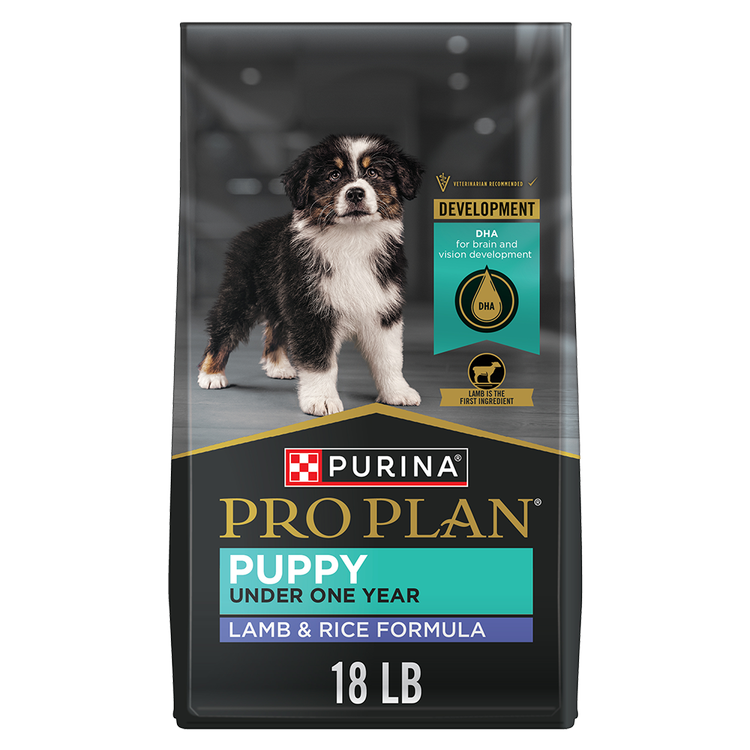
Feeding your adult dog puppy food might seem harmless. But it can pose several risks. Puppy food is crafted for growing pups. It contains nutrients in larger amounts. This can be unsuitable for adult dogs.
Excessive Nutrient Intake
Puppy food is rich in proteins and fats. Adult dogs need less of these nutrients. Excessive intake can strain their organs. It may lead to health issues over time.
Weight Gain And Obesity
High calorie content is common in puppy food. Adult dogs consuming this may gain weight quickly. Obesity increases the risk of diseases. It can affect your dog’s quality of life.
Digestive Issues
Puppy food is formulated for sensitive stomachs of puppies. Adult dogs might experience digestive troubles. Issues like diarrhea or upset stomach can occur. This can make your pet uncomfortable.
Credit: www.purina.com
When Puppy Food Might Be Appropriate For Adults
Puppy food is designed to support rapid growth and higher energy needs, which might make you wonder if it’s ever suitable for adult dogs. While adult dogs usually require different nutrient ratios, there are specific situations where puppy food can actually benefit them. Understanding these scenarios helps you make informed choices that support your dog’s health and well-being.
Pregnant Or Nursing Dogs
Pregnant or nursing dogs have increased nutritional demands to support their puppies. Puppy food, rich in protein and fat, provides the extra energy and nutrients needed during this critical time.
Feeding your pregnant dog puppy food can help maintain her strength and produce enough milk. However, monitor her weight to avoid overfeeding, and consult your vet to tailor the diet properly.
Dogs Recovering From Illness
When dogs recover from illness or surgery, their bodies require more calories and nutrients to heal. Puppy food’s nutrient-dense formula can offer the boost they need to regain strength.
Using puppy food temporarily during recovery can help your dog bounce back faster. Watch for any digestive issues and adjust feeding amounts based on your dog’s appetite and recovery progress.
Highly Active Or Working Dogs
Dogs with high activity levels or working dogs burn more calories daily than typical pets. Puppy food’s calorie-rich profile can support their increased energy needs effectively.
Feeding puppy food to these dogs can prevent weight loss and muscle wasting. Still, it’s essential to balance their diet to avoid excess weight gain or nutrient imbalances over time.
Tips For Transitioning To Adult Dog Food
Switching your dog from puppy food to adult dog food is a key step in their growth journey. It’s not just about changing the bowl’s contents; it’s about supporting their health and digestion during this shift. Careful transition helps avoid upset stomachs and ensures your dog gets the right nutrients at the right time.
Gradual Food Change
Start by mixing a small portion of adult dog food into your pup’s current meal. Increase the adult food amount every few days while reducing the puppy food. This slow change helps your dog’s digestive system adjust smoothly without causing discomfort.
Have you noticed your dog’s reaction when you switch foods too quickly? Many dogs show signs like diarrhea or refusal to eat. This gradual approach prevents those issues and keeps mealtime enjoyable for your pet.
Monitoring Health And Weight
Keep an eye on your dog’s weight and overall health during the transition. Sudden weight loss or gain can signal that the new food isn’t meeting their needs. Regularly check their coat, energy levels, and bathroom habits for any changes.
Consider maintaining a simple journal to track your dog’s progress. Note any behavioral or physical changes, and adjust the feeding plan if necessary. This proactive step ensures your dog stays healthy and happy.
Consulting Your Veterinarian
Your vet is your best resource when switching to adult dog food. They can recommend the right type and amount based on your dog’s breed, size, and health status. Don’t hesitate to ask about specific brands or formulations.
Have you ever felt unsure about your dog’s diet? A quick vet visit can clear doubts and prevent nutritional gaps. Your dog’s health is worth the extra advice and guidance.
Alternatives To Puppy Food For Adult Dogs
Choosing the right food for your adult dog is crucial for their health and happiness. While puppy food is specially designed for growing pups, adult dogs need different nutrients to maintain their energy and overall well-being. If you wonder about alternatives to puppy food, there are several options that can suit your dog’s needs without compromising their nutrition.
Specialized Adult Dog Formulas
Adult dog formulas are created to meet the specific nutritional requirements of dogs past their puppy stage. These formulas usually contain the right balance of protein, fat, and calories to support a healthy weight and muscle maintenance.
Many brands offer options targeted for active adults, weight management, or sensitive digestion. Choosing a formula tailored to your dog’s lifestyle can make a big difference in their daily energy and health.
Senior Dog Nutrition
As dogs age, their nutritional needs change again. Senior dog foods often have lower calories but more fiber to aid digestion and ingredients that support joint health like glucosamine.
If your dog is entering their golden years, switching to a senior formula can help keep them comfortable and active. Have you noticed changes in your dog’s activity or appetite? That might be a sign to consider this switch.
Homemade Balanced Diets
Some dog owners prefer preparing homemade meals to control exactly what their pets eat. When done correctly, a balanced homemade diet can be just as nutritious as commercial food.
It’s important to include a mix of proteins, vegetables, and grains, and to consult with a vet to ensure all dietary needs are met. Have you tried cooking for your dog? It can be rewarding and offer more control over their nutrition.
Frequently Asked Questions
Can Adult Dogs Eat Puppy Food Safely?
Adult dogs can eat puppy food occasionally, but it’s not ideal. Puppy food has higher calories and nutrients, which may cause weight gain in adults. Consistently feeding adult dogs puppy food can lead to nutritional imbalances and health issues over time.
What Are The Risks Of Feeding Puppy Food To Adults?
Feeding puppy food to adult dogs can cause obesity, digestive upset, and nutrient imbalances. Puppy food is richer in fats and proteins, which may overwhelm an adult dog’s metabolism. Long-term use can lead to joint problems and other health concerns.
When Is It Okay To Feed Adult Dogs Puppy Food?
It’s okay to feed adult dogs puppy food temporarily during growth recovery or specific vet advice. For example, senior dogs recovering from illness might benefit from nutrient-rich puppy food briefly. Always consult your vet before making such dietary changes.
How Does Puppy Food Differ From Adult Dog Food?
Puppy food contains more calories, protein, and fats to support growth and energy needs. Adult dog food has balanced nutrients for maintenance and weight control. The ingredient ratios differ to match the life stage and activity level of the dog.
Conclusion
Adult dogs need food made just for them. Puppy food has more calories and nutrients for growth. Giving adult dogs puppy food often can cause weight gain. It may also upset their stomach or cause health problems. Occasional feeding is okay, but not a regular habit.
Always choose dog food that fits your dog’s age and needs. Consult your vet for the best advice. Keeping your dog healthy starts with the right food. Simple choices make a big difference in their life.