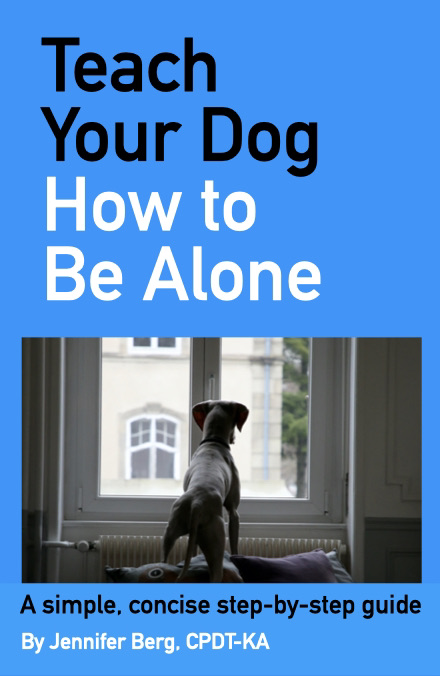

Leaving your dog home alone can be stressful—for both you and your furry friend. You want to make sure your dog feels safe, calm, and happy while you’re away.
But how do you train your dog to be comfortable when alone? If you’ve ever worried about your dog’s behavior or anxiety during those quiet hours, this guide is exactly what you need. By following simple, effective steps, you can help your dog learn to enjoy their alone time without stress or trouble.
Keep reading to discover the secrets to a calm, confident dog who’s perfectly fine being home alone.
Credit: www.hillspet.com
Prepare Your Dog Gradually
Preparing your dog to stay home alone takes time and patience. Sudden long absences can cause stress and anxiety. Gradual training helps your dog feel safe and calm. This process builds trust and good behavior over time.
Start With Short Absences
Begin by leaving your dog alone for just a few minutes. Increase the time slowly as your dog gets comfortable. Short absences teach your dog that you will always come back. This reduces fear and separation anxiety.
Create A Safe Space
Set up a comfortable area where your dog feels secure. Use a crate, bed, or a quiet room. Include favorite toys and blankets to make it cozy. A safe space helps your dog relax when alone.
Use Positive Reinforcement
Reward your dog with treats and praise after alone time. Positive reinforcement encourages good behavior. It helps your dog associate being alone with happy feelings. Avoid punishment, which can increase anxiety.
Establish A Routine
Establishing a routine helps your dog feel safe and calm when alone. Dogs thrive on consistency. A steady schedule reduces anxiety and builds trust. Your dog learns what to expect each day. This makes time alone less stressful and more manageable.
Set Regular Leaving Times
Leave the house at the same times daily. This creates predictability for your dog. They start to understand when you will return. Avoid sudden or random departures. Your dog feels more secure with a pattern. Start with short absences and slowly increase time alone.
Incorporate Play And Exercise
Give your dog physical activity before you leave. Play or walk to burn off energy. A tired dog relaxes and rests better. Exercise reduces boredom and stress. Use toys or games your dog enjoys. This helps your dog feel happy and calm during alone time.
Maintain Consistent Feeding Schedule
Feed your dog at the same times each day. Regular meals create structure and comfort. Avoid feeding right before leaving. Give food earlier to prevent stress. A steady feeding routine supports digestion and mood. Your dog looks forward to meal times. This adds to their sense of stability.
Manage Separation Anxiety
Teach your dog to stay calm by leaving them alone for short times first. Provide toys and a safe space to keep them comfortable. Gradually increase alone time to reduce anxiety and build confidence.
Managing separation anxiety in dogs is crucial for their well-being and your peace of mind. Leaving your furry friend alone can be stressful, not just for them but for you as well. With the right strategies, you can help your dog feel comfortable and safe when they’re home alone.Recognize Anxiety Signs
Understanding your dog’s behavior is the first step. Look for signs like excessive barking, pacing, or destructive behavior. These are often signals that your dog is anxious about being left alone. Watch their body language too. Shaking, drooling, or hiding can indicate anxiety. By recognizing these signs early, you can address their needs more effectively.Practice Desensitization Techniques
Desensitization is a powerful tool. Start by leaving your dog alone for short periods and gradually increase the time. This helps them adjust to your absence without feeling abandoned. Create positive associations with your departure. Give them a treat or toy that they only get when you’re leaving. This can transform your leaving into something they look forward to.Use Comfort Items
Comfort items can provide security and ease anxiety. Consider leaving a piece of your clothing with your scent. Your scent can be incredibly soothing to your dog. Provide a cozy space with their favorite blanket or bed. This becomes their safe zone where they can relax while you’re gone. What strategies have you tried to manage your dog’s separation anxiety? Share your experiences and let’s learn from each other.Provide Mental Stimulation
Keeping your dog mentally engaged is key to helping them feel comfortable when left alone. Mental stimulation reduces boredom and anxiety, making your dog less likely to develop destructive behaviors. It also tires them out in a positive way, so they rest peacefully during your absence.
Offer Interactive Toys
Interactive toys can keep your dog busy for long periods. Toys that move, make noise, or require your dog to figure out how to get a treat are excellent choices. These toys challenge their brain and keep their attention focused.
Think about how your dog reacts to different textures and sounds. Some dogs prefer toys that squeak, while others enjoy ones that roll unpredictably. Finding the right interactive toy can turn alone time into playtime.
Introduce Puzzle Feeders
Puzzle feeders make meal times a fun challenge. Instead of eating quickly, your dog has to solve a puzzle to get their food. This slows down their eating and gives their brain a workout.
Try puzzle feeders with adjustable difficulty levels. Start easy and increase the challenge as your dog gets better. This keeps them engaged and prevents frustration.
Rotate Toys Regularly
Dogs can get bored with the same toys over time, just like people. Rotating toys keeps things fresh and exciting. Put some toys away for a week, then bring them back to grab your dog’s interest again.
Keep a variety of textures and types in rotation. This way, your dog always has something new to explore. How often do you change your dog’s toys to keep their mind sharp?
Create A Calm Environment
Creating a calm environment helps your dog feel safe and relaxed when alone. A peaceful space reduces anxiety and keeps your dog comfortable. This makes being home alone a positive experience.
Use Soothing Sounds
Soft music or white noise can calm your dog’s mind. Sounds like gentle rain or ocean waves work well. Avoid loud or sudden noises that might scare your dog. Consistent background sounds help mask outside distractions.
Maintain Comfortable Temperature
Keep the room temperature steady and cozy. Not too hot or too cold helps your dog rest better. Use fans or heaters if needed to keep the space pleasant. A comfortable temperature supports your dog’s calm mood.
Limit Distractions
Remove toys that cause excitement or loud noises. Turn off TVs or radios that change often. Reduce visual distractions by closing curtains or blinds. A quiet, simple space helps your dog stay peaceful.
Use Technology To Stay Connected
Training your dog to be comfortable alone at home can feel challenging, but technology offers helpful tools to ease this transition. Staying connected with your pet while you’re away helps reduce their anxiety and lets you monitor their behavior in real-time. These smart solutions can give you peace of mind and support your dog’s confidence during alone time.
Set Up Pet Cameras
Pet cameras let you watch your dog anytime from your phone or computer. Choose cameras with wide-angle lenses to see more of the room where your dog stays. Some models even have night vision, so you can check in during low light without disturbing your pet.
Placing the camera at your dog’s favorite spot helps you observe their reactions and comfort levels. Have you noticed how your dog behaves differently when they think you might be watching?
Use Two-way Audio
Two-way audio features allow you to talk to your dog and hear them too. This interaction can calm your dog if they start feeling lonely or anxious. Hearing your voice reassures them that you’re still close, even if you’re not physically present.
Try calling your dog during a break or when you sense they might need some encouragement. It’s a simple way to maintain your bond and reinforce positive behavior while alone.
Schedule Virtual Check-ins
Setting specific times for virtual check-ins helps establish a routine for your dog. Use video calls to interact face-to-face, which can be more comforting than just hearing your voice. Consistent check-ins build your dog’s trust and make alone time feel less isolating.
Think about how your dog reacts when you pop in unexpectedly versus having a planned call. Regular virtual visits can turn alone time into a positive experience, helping your dog feel secure and cared for.
Seek Professional Help If Needed
Training a dog to stay home alone can be tough. Some dogs face anxiety or behavioral issues. Professional help can guide you through challenges. Experts offer valuable advice tailored to your dog’s needs. They provide support to ensure your dog stays calm and safe.
Consult A Trainer
Professional dog trainers teach your dog to feel comfortable alone. They use clear commands and consistent routines. Trainers show owners how to build positive habits. Sessions often include step-by-step guidance for better results. Trainers help reduce anxiety and prevent destructive behaviors.
Consider Behaviorists
Animal behaviorists study your dog’s emotions and reactions. They find root causes of fear or stress. Behaviorists create personalized plans to change unwanted behavior. They may use techniques like desensitization and counter-conditioning. Their work improves your dog’s well-being and confidence.
Explore Veterinary Options
Some dogs need medical help to manage anxiety. Vets can check for health issues affecting behavior. They might suggest calming treatments or medications. Veterinary advice ensures your dog’s safety and comfort. Regular checkups help maintain your dog’s mental health.

Credit: www.youtube.com
Credit: www.mydoodlepuppy.com
Frequently Asked Questions
How Long Should I Train My Dog To Stay Home Alone?
Start with short absences of 5 to 10 minutes. Gradually increase the time over weeks. Consistency helps your dog adapt comfortably.
What Are The Best Tips To Prevent Separation Anxiety?
Create a calm environment, use toys, and maintain a routine. Avoid dramatic goodbyes and arrivals to reduce stress in your dog.
Can Crate Training Help Dogs Stay Alone At Home?
Yes, crate training offers a safe space. It makes dogs feel secure and helps reduce anxiety during alone time.
How Can I Keep My Dog Entertained When Alone?
Provide interactive toys, puzzle feeders, and safe chews. These keep your dog mentally stimulated and prevent boredom while alone.
Conclusion
Training your dog to stay home alone takes time and patience. Start with short periods and slowly increase them. Give your dog toys and treats to stay busy. Stay calm and consistent with your routine. Remember, every dog learns at their own pace.
With steady effort, your dog will feel safe and happy alone. This helps reduce stress for both of you. Keep practicing and be kind to your furry friend. Your home will become a peaceful place for your dog.