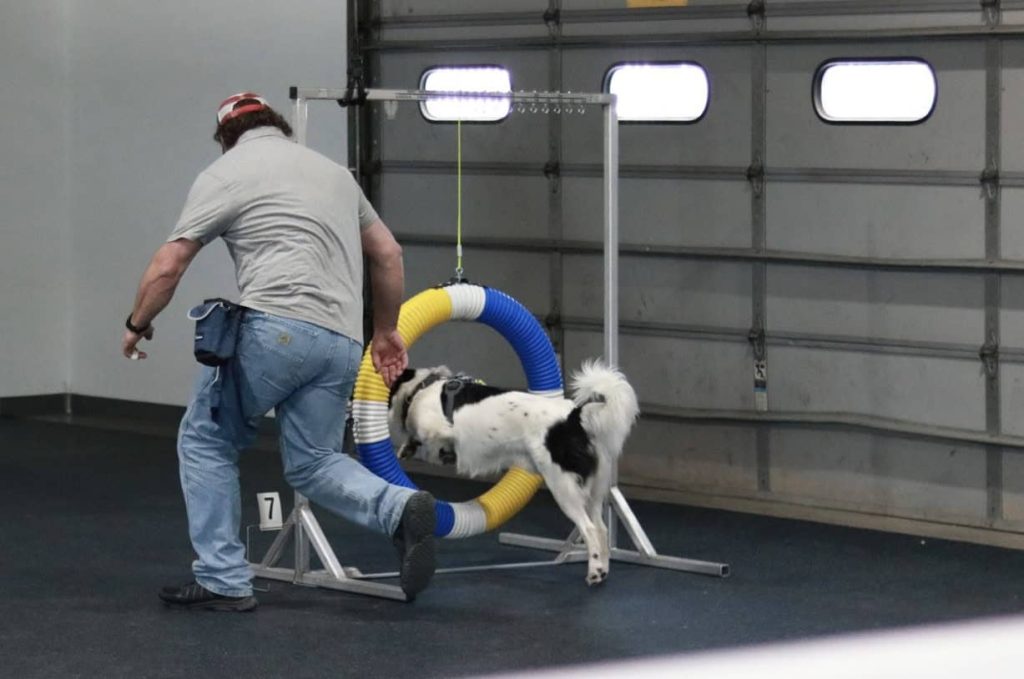

Are you passionate about dogs and love seeing them move with speed and grace? Becoming an agility dog trainer could be the perfect way to turn that passion into a rewarding skill.
Imagine helping dogs and their owners work as a team, jumping, weaving, and racing through obstacle courses with confidence. If you want to learn how to guide dogs to their best performance while building strong bonds, this guide is made just for you.
Keep reading to discover the simple steps you can take to become an expert agility dog trainer and make a real difference in the lives of dogs and their humans.

Credit: www.thetrainingofdogs.com
Skills Needed
Becoming an agility dog trainer demands a unique set of skills that go beyond basic dog handling. You need to understand dogs deeply, master effective training methods, communicate clearly, and maintain your own physical stamina. These skills help you guide dogs and their owners through the fast-paced world of agility training successfully.
Knowledge Of Dog Behavior
Understanding how dogs think and react is crucial. You must recognize signs of stress, excitement, or distraction to adjust your training approach quickly. Have you noticed how some dogs respond better to gentle encouragement, while others need firmer guidance?
This knowledge helps you create personalized training plans that suit each dog’s personality and learning style. It also builds trust, which is essential for effective training sessions.
Training Techniques
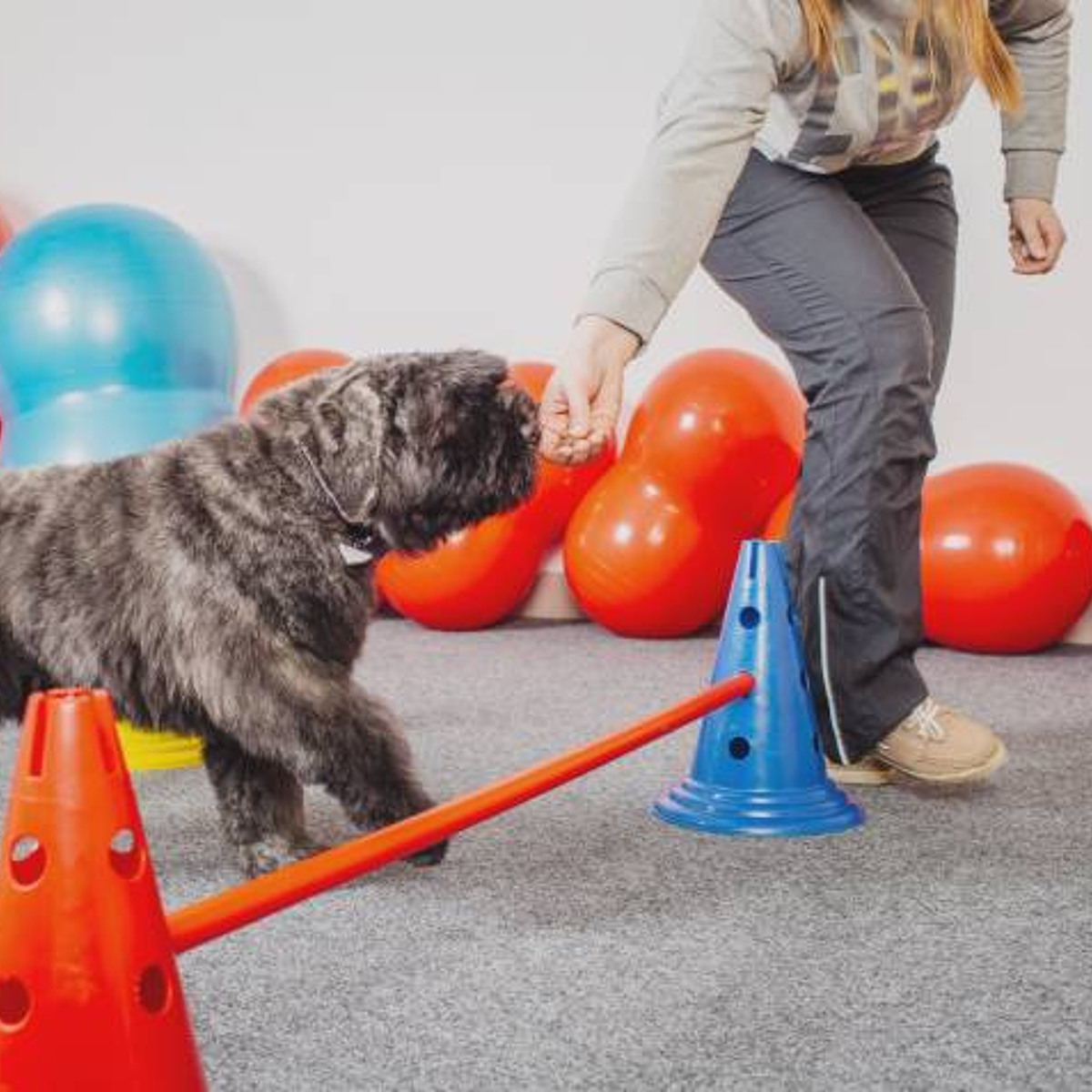
Mastering a variety of training techniques lets you adapt to different dogs and situations. Positive reinforcement, clicker training, and shaping are some methods that often work well in agility.
Consider how breaking complex obstacles into smaller steps can make learning easier for dogs. You’ll find that combining methods and staying patient often leads to faster progress.
Communication Skills
Clear communication with both dogs and their owners is key. You need to give precise cues that dogs understand and explain training steps simply to owners.
Have you ever seen how a calm, confident tone can keep a dog focused, while a rushed one might confuse them? Your ability to listen and respond to owners’ concerns also strengthens the training relationship.
Physical Fitness
Training agility dogs is physically demanding. You’ll often run alongside dogs, demonstrate obstacles, and stay active during sessions.
Maintaining good fitness helps you keep pace and avoid injuries. Regular exercise improves your endurance and makes training more enjoyable for both you and the dogs.
Credit: www.airtasker.com
Education And Certification
Education and certification form the foundation of a successful career as an agility dog trainer. They provide essential knowledge about dog behavior, training techniques, and safety. Proper training ensures better results for you and the dogs you work with. It also builds trust with clients and helps you stand out in the field.
Relevant Courses
Courses in dog training, animal behavior, and canine psychology are important. Look for classes that focus on positive reinforcement and agility-specific skills. Basic first aid for dogs is also useful. Many community colleges and online platforms offer these courses. Practical experience through workshops or internships helps apply what you learn.
Certification Programs
Certification adds credibility to your skills. Organizations like the International Association of Canine Professionals and the Certification Council for Professional Dog Trainers offer programs. These certifications often require passing exams and demonstrating hands-on ability. They show clients you meet industry standards. Certified trainers often have better job opportunities.
Continuing Education
Learning never stops in dog training. Continuing education keeps your skills sharp and up to date. Attend seminars, webinars, and advanced workshops regularly. Join professional groups to share knowledge and learn new techniques. Staying current improves training methods and helps you adapt to changes in the field.
Gaining Experience
Gaining hands-on experience with different dogs builds confidence and skills. Volunteering at local clubs or shadowing trainers offers valuable insights. Practicing regularly helps improve training techniques and understand dog behavior better.
Gaining experience is a crucial step in your journey to becoming a successful agility dog trainer. Real-world practice not only sharpens your skills but also builds your confidence. Let’s explore some practical ways to gather this invaluable experience.Volunteering At Clubs
Local dog agility clubs are a treasure trove of learning opportunities. By volunteering, you gain firsthand exposure to training sessions and events. You’ll learn from seasoned trainers, observe various training techniques, and understand the dynamics of working with different dog breeds. Volunteering also helps you network with fellow dog enthusiasts. These connections can lead to more opportunities and invaluable mentorship. Remember, every event or session you attend adds to your growing expertise.Apprenticeships
An apprenticeship with an experienced agility trainer is like a masterclass in dog training. It provides you with structured, hands-on learning experiences. You’ll get to see the nuances of training that books and videos might not cover. During your apprenticeship, don’t hesitate to ask questions. Curiosity and eagerness to learn are your biggest assets. You might even get the chance to assist in training sessions, giving you practical insights into handling dogs.Hands-on Practice With Dogs
Nothing beats the practical experience of working directly with dogs. Start by training your own dog or offering to help friends and family with theirs. Each dog presents unique challenges and learning opportunities. Try to work with dogs of various breeds and temperaments. This diversity will enhance your adaptability and problem-solving skills. Remember, patience and persistence are key as each dog will progress at its own pace. By immersing yourself in these experiences, you are setting a solid foundation for a rewarding career in dog agility training. What will be your first step in this exciting journey?Setting Up Your Business
Setting up your agility dog training business is a crucial step that shapes your success. This phase involves decisions that affect your daily operations, legal standing, and how you attract clients. Getting these basics right gives you a strong foundation to grow and thrive.
Choosing A Business Model
Start by deciding how you want to structure your business. Will you operate as a sole proprietor, a partnership, or form an LLC? Each model has different implications for taxes, liability, and paperwork.
Think about your goals. If you want full control and simplicity, a sole proprietorship might suit you. But if you want to protect your personal assets, an LLC is often better. You can also consider offering classes, private training, or a mix of both as part of your model.
Legal Requirements
Before you open your doors, check the legal rules in your area. This includes registering your business name, getting necessary licenses, and understanding insurance needs. Liability insurance is essential to protect you in case of accidents during training sessions.
Some regions require specific permits for animal-related businesses. Contact your local government office or small business administration to get clear information. Also, consider drafting client contracts to outline your terms and protect your interests.
Marketing Strategies
How will you find your first clients? Effective marketing can make a big difference in attracting dog owners. Start by building a simple website showcasing your services, credentials, and testimonials.
Use social media platforms like Instagram or Facebook to share training tips, success stories, and behind-the-scenes moments. Partnering with local pet stores, vets, or dog clubs can also bring referrals. Have you thought about hosting free workshops or demo days to showcase your skills and connect with the community?
Tools And Equipment
Becoming an agility dog trainer requires more than just knowledge and passion—you need the right tools and equipment to guide your dog effectively. These tools help create a structured learning environment and keep both you and your dog safe during training sessions. Understanding what gear to use and how to set up your training space can make a big difference in your success.
Training Gear
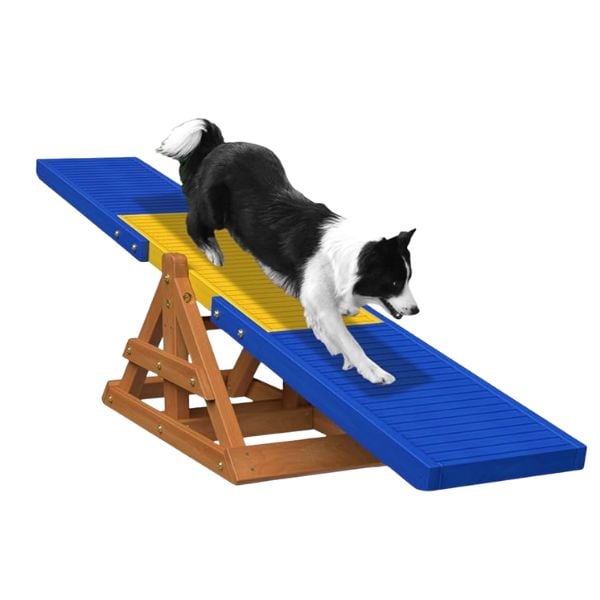
Start with basic agility equipment like tunnels, weave poles, jumps, and pause tables. These items help your dog practice the core obstacles they’ll face in competitions. You don’t need to buy everything at once; begin with a couple of pieces and gradually add more as your dog progresses.
Consider adjustable jumps that grow with your dog’s skill level. Using treats and clickers can boost motivation and help mark correct behaviors clearly. Have a variety of toys ready to keep your dog excited and engaged during sessions.
Safety Equipment
Safety should always be a top priority. Invest in non-slip mats to prevent injuries on slippery surfaces. Protective gear like padded collars and harnesses can reduce strain on your dog while training.
Keep a basic first aid kit nearby for minor cuts or scrapes. Check your equipment regularly for wear and tear to avoid accidents. Do you inspect your gear before every session to ensure it’s safe?
Facility Requirements
A proper training area can greatly improve your dog’s focus and performance. Ideally, choose a flat, open space with good lighting and minimal distractions. Outdoor or indoor arenas with secure fencing help keep your dog safe and contained.
Make sure the surface is suitable for running—grass, rubber mats, or artificial turf are good options. If you train at home, clear the area of hazards like sharp objects or slippery spots. How does your training space affect your dog’s energy and attention?
Credit: www.caninejournal.com
Building Client Relationships
Building strong client relationships is essential for any agility dog trainer aiming to create lasting success. It goes beyond teaching dogs to navigate obstacles—it’s about understanding the unique needs of each handler and their canine partner. Developing trust and open communication turns one-time clients into loyal advocates and helps you tailor your approach effectively.
Client Assessment
Start every new client relationship with a thorough assessment. Ask detailed questions about the dog’s breed, age, health, and previous training experience. Observe their behavior during a trial session to identify strengths and challenges.
Listening carefully here helps you set realistic goals. Have you ever noticed how a single question can reveal what a client really wants? Use this insight to build a foundation based on honesty and clarity.
Customized Training Plans
Each dog and handler duo is different, so avoid one-size-fits-all solutions. Design training plans that fit their lifestyle, goals, and learning pace. Include clear milestones and explain the reasoning behind every exercise.
Clients appreciate when you break down complex agility skills into manageable steps. You can even offer written guides or video demonstrations to support their practice at home. How might adjusting your plans on the fly improve client satisfaction?
Follow-up And Support
After sessions, keep the connection alive with regular check-ins. Use emails or quick calls to answer questions and celebrate progress. This shows you care about their journey beyond just the training hour.
Encourage clients to share videos or notes about their practice. This ongoing support boosts confidence and keeps motivation high. What difference could consistent follow-up make in your client retention?
Staying Updated
Staying updated is crucial for any agility dog trainer. The world of dog training changes fast. New techniques, tools, and rules appear regularly. Keeping up with these changes helps trainers improve their skills. It also ensures dogs get the best care and training possible.
Industry Trends
Agility dog training trends shift with new research and technology. Trainers should watch for changes in training methods. Equipment and safety standards also evolve. Reading industry magazines and blogs helps catch these trends early. Staying informed keeps training fresh and effective.
Networking Opportunities
Meeting other trainers builds strong connections. Networking offers chances to share ideas and tips. It also opens doors to new job opportunities. Joining clubs or online groups lets trainers exchange knowledge. These connections support growth and learning.
Attending Workshops
Workshops provide hands-on learning from experts. They teach new skills and deepen existing ones. Trainers meet peers and discuss challenges during these events. Attending workshops boosts confidence and expands knowledge. Regular participation is key to continuous improvement.
Frequently Asked Questions
What Qualifications Do I Need To Become An Agility Dog Trainer?
To become an agility dog trainer, you need experience with dogs and agility courses. Certifications from recognized dog training organizations are beneficial. Strong communication and patience are essential. Continuous learning about dog behavior and training techniques improves your skills and success in this field.
How Long Does It Take To Train As An Agility Dog Trainer?
Training duration varies based on experience and learning pace. Typically, it takes 6 months to 2 years to gain proficiency. Hands-on practice with dogs and attending workshops accelerates learning. Ongoing education is important to stay updated with new training methods.
What Skills Are Essential For An Agility Dog Trainer?
Key skills include patience, clear communication, and understanding canine behavior. Physical fitness helps in demonstrating agility techniques. Problem-solving skills assist in customizing training for each dog. Passion for dogs and continuous learning are crucial for success.
How Can I Start My Career In Agility Dog Training?
Begin by gaining experience with dogs and basic obedience training. Attend agility training workshops and seminars. Volunteer or work with established agility trainers to build skills. Obtain relevant certifications and create a portfolio showcasing your training success.
Conclusion
Becoming an agility dog trainer takes time and patience. Start by learning about dog behavior and training techniques. Practice regularly with different dogs to gain experience. Join local clubs or classes to meet other trainers. Stay curious and keep improving your skills.
Remember, every dog learns at its own pace. Enjoy the process and celebrate small wins. This path can be rewarding and fun for both you and your dog. Keep going, and you will see progress soon.