
You want the best for your puppy, especially when it comes to their food. But how do you know when it’s time to switch from puppy food to adult dog food?
Feeding your furry friend the right nutrition at the right time can make a big difference in their health and happiness. If you’re wondering when to make this important change, you’re in the right place. Keep reading to discover the signs, tips, and expert advice that will help you make the best decision for your dog’s growth and well-being.
Puppy Growth Stages
Puppies grow fast. Their bodies change quickly during the first year. Feeding them the right food at the right time supports healthy growth. Understanding each growth stage helps decide when to switch from puppy food to adult dog food.
Newborn To Weaning
Newborn puppies rely on their mother’s milk. It has all the nutrients they need. During this time, they do not eat solid food. Their digestive systems are very delicate.
Weaning To 3 Months
At about 3 to 4 weeks, puppies start weaning. They try soft, mushy food mixed with puppy formula. Their teeth begin to come in. This helps them eat solid food gradually.
3 To 6 Months
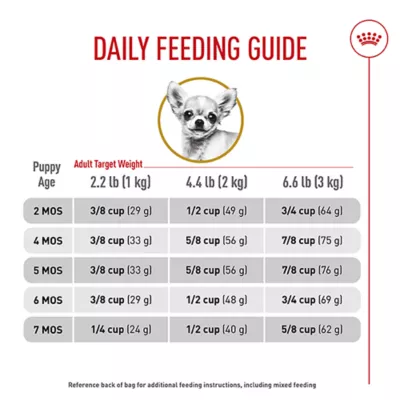
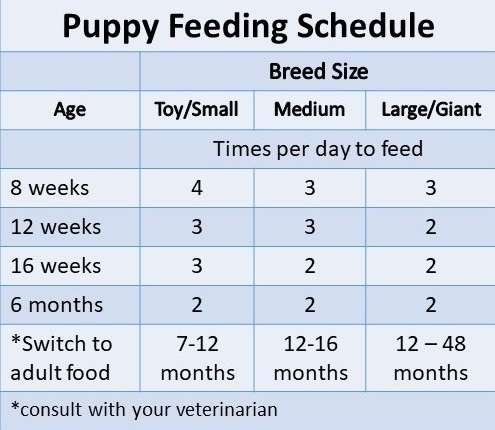
Puppies eat solid puppy food only. Their energy needs are very high. Food rich in protein and fat supports muscle and bone growth. They need meals 3 to 4 times a day.
6 To 12 Months
Growth slows down. Puppies start looking more like adult dogs. Large breeds may grow longer. Small breeds finish earlier. This is the time to prepare for adult food transition.
Nutritional Needs Shift
As your puppy grows, their nutritional needs change significantly. Recognizing when to switch from puppy food to adult dog food is crucial for their health and development. This shift ensures your dog receives the right balance of nutrients tailored to their new life stage.
Puppy Vs Adult Nutrients
Puppies need higher levels of certain nutrients to support rapid growth and development. Their food is rich in calcium, phosphorus, and vitamins that promote strong bones and healthy organs. Adult dog food, however, contains nutrients aimed at maintaining health rather than growth.
Are you aware that feeding adult food too early can stunt your puppy’s development? Conversely, continuing puppy food for too long can lead to unnecessary weight gain. Understanding these nutrient differences helps you make the right timing decision.
Energy Requirements
Puppies burn more energy due to their playful nature and growth spurts. Their food is formulated with higher calories to meet these needs. As your dog matures, their energy needs drop because they become less active and their growth slows.
Have you noticed how your puppy’s energy levels change as they grow? Adjusting their diet to match these changes prevents health issues like obesity or malnutrition. Feeding adult food at the right time provides balanced energy without excess calories.
Protein And Fat Changes
Puppy food is packed with more protein and fat to support muscle development and brain growth. Adult dog food contains moderate levels to maintain muscle mass without overloading their system. This difference is important to avoid strain on organs like kidneys and liver.
Think about how your puppy’s body is transforming. Their metabolism slows, and their nutritional focus shifts from building to maintaining. Switching to adult dog food helps meet these new demands efficiently, keeping your dog healthy and active for years to come.
Signs To Switch Food
Knowing when to switch your puppy from puppy food to adult dog food can feel tricky. Watching for clear signs helps you make the right choice at the right time. These signs ensure your dog gets the right nutrients without missing out or overeating.
Weight And Size Milestones
Your puppy’s growth rate is a big clue. Most breeds reach their adult size between 9 to 12 months, but some larger breeds take up to 18 months. Keep track of your puppy’s weight and compare it with breed growth charts to see if they’re nearing full size.
If your dog’s weight has stabilized and they look fully grown, it’s a good time to think about switching. Ignoring this can lead to overnutrition or digestive upset. Have you noticed your puppy’s puppy belly shrinking or their bones becoming more defined? These are subtle hints they’re ready for adult food.
Behavioral Changes
Changes in your puppy’s energy and appetite can signal a dietary need shift. If your puppy seems less hyperactive and their eating habits change, their metabolism might be adjusting. This is a natural part of growing up.
Watch for signs like slower energy bursts or a different interest in food. These behavioral cues often mean their nutritional needs are evolving. Have you observed your puppy’s playtime becoming calmer or shorter? That could mean it’s time to switch foods.
Vet Recommendations
Your vet’s advice is one of the most reliable guides. They can assess your dog’s overall health, growth, and nutritional needs during check-ups. Discuss your puppy’s diet progress and get personalized recommendations on when to switch.
Sometimes, health issues or breed specifics can affect the timing. Your vet might suggest a gradual transition to avoid stomach upset or to address special dietary needs. Are you keeping your vet updated with your puppy’s growth and behavior changes? This helps tailor the best feeding plan for your furry friend.
Credit: dogsauce.co
Timing By Breed Size
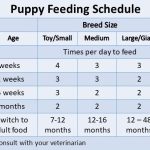
Determining the right time to switch from puppy food to adult dog food depends on your dog’s breed size. Puppies grow at different rates, so timing is crucial. Feeding the right nutrients helps your pet thrive.
Small Breeds
Small breed puppies mature faster. Transition them to adult food at around 9 to 12 months. Their growth slows by this age, so they need fewer calories. Choose a high-quality adult formula suitable for their small size.
Medium Breeds
Medium breeds reach maturity between 12 to 15 months. Their growth pace is moderate. Adjust their diet to adult food as they approach this age. This ensures they receive the right nutrients for their adult life.
Large And Giant Breeds
Large and giant breed puppies take longer to mature. They need puppy food until 18 to 24 months. Their bodies grow for a longer period. Proper nutrition supports their joints and bones. Switch to adult food once they reach full size.
Transitioning Food Tips
Changing your puppy’s food to adult dog food needs care and attention. A smooth transition helps your dog adjust well and stay healthy. Follow simple tips to avoid upset stomach and keep your dog happy during this change.
Gradual Mixing
Start by mixing a small amount of adult food with puppy food. Slowly increase the adult food portion over 7 to 10 days. This gentle change helps the dog’s stomach adapt to the new food. Avoid sudden switches to prevent digestive problems.
Monitoring Digestive Health
Watch your dog’s stool and behavior closely during the transition. Look for signs like diarrhea, vomiting, or constipation. If any issues appear, slow down the food change. Give your dog time to adjust before adding more adult food.
Avoiding Food Reactions
Check the ingredients in the new adult dog food carefully. Avoid foods that caused allergies or sensitivities before. Introduce one new food at a time to spot any bad reactions. Consult a vet if your dog shows itching, swelling, or unusual behavior.
Common Mistakes To Avoid
Knowing when to switch your puppy to adult dog food is important. Many dog owners make mistakes that can affect their pet’s health. Avoid these common errors to keep your dog strong and happy. Understanding these pitfalls helps you make the right choice at the right time.
Switching Too Early
Changing your puppy’s food too soon can cause digestive problems. Puppy food has extra nutrients to support growth. Adult food lacks these essential nutrients. Switching early may lead to nutrient gaps and poor growth. Wait until your puppy reaches the right age before changing food.
Ignoring Breed Differences
Different dog breeds grow at different speeds. Small breeds mature faster than large breeds. Feeding adult food at the same age for all breeds is a mistake. Tailor food changes to your dog’s breed size. This helps meet your dog’s unique nutritional needs.
Skipping Vet Advice
Your veterinarian knows your dog’s health best. Not asking for vet advice can lead to wrong feeding decisions. Some dogs need special diets or slower transitions. Regular vet visits ensure you switch food safely and correctly. Always consult your vet before changing your puppy’s diet.
Adult Food Choices
Choosing the right adult dog food for your puppy is a key step as you transition them from puppy to adult nutrition. The options can feel overwhelming, but focusing on quality and your dog’s specific needs will guide you well. Your goal is to find food that supports their health, energy, and longevity as they grow into adulthood.
Types Of Adult Dog Food
Adult dog food comes in several forms, each with its pros and cons. Dry kibble is popular for convenience and dental benefits. Wet food offers higher moisture content, which can help dogs who don’t drink enough water.
There are also raw and homemade diets, which some owners prefer for control over ingredients. However, these require careful planning to ensure balanced nutrition. Which type fits your lifestyle and your dog’s preferences?
Reading Labels
Understanding dog food labels is crucial to pick the best adult food. Look for real meat listed as the first ingredient, not by-products or fillers. Avoid foods with excessive artificial additives, colors, and preservatives.
Check the guaranteed analysis for protein, fat, fiber, and moisture content. These numbers tell you if the food meets your dog’s energy and health needs. Have you ever felt confused by pet food labels? Taking a moment to decode them can save you from poor choices.
Special Dietary Needs
Your dog may require food tailored to special conditions like allergies, weight management, or joint health. For example, dogs prone to obesity benefit from lower-calorie formulas. Older dogs might need food enriched with glucosamine for joint support.
Some breeds have unique sensitivities, so consulting your vet can help narrow down options. Are you aware of any specific needs your dog might have? Adjusting their diet accordingly will keep them healthier and happier.
Credit: www.vetsupply.com.au

Credit: www.thinkjinx.com
Frequently Asked Questions
When Should I Switch My Puppy To Adult Dog Food?
Most puppies transition to adult dog food between 9 to 12 months. Large breeds may switch later, around 12 to 18 months. Consult your vet to determine the best time based on your puppy’s growth and breed.
Why Not Feed Adult Food To Puppies Early?
Adult dog food lacks essential nutrients like DHA, needed for brain and eye development. Feeding adult food too early can hinder growth and cause nutritional imbalances in puppies.
How To Gradually Change Puppy’s Food To Adult Food?
Mix increasing amounts of adult food with puppy food over 7 to 10 days. This gradual change helps avoid digestive upset and allows your puppy to adjust smoothly.
Does Breed Size Affect When To Switch Foods?
Yes, small breeds often switch around 9-12 months, while large breeds may need puppy food longer, up to 18 months. Breed size impacts growth rate and nutrient needs.
Conclusion
Choosing the right time to switch your puppy to adult dog food matters a lot. Usually, this change happens between 9 and 12 months old. Watch your puppy’s size and energy to decide the best moment. Gradually changing food helps avoid tummy problems.
Always pick high-quality food that fits your dog’s needs. Remember, each dog grows at a different pace. Stay patient and attentive during this process. Your puppy will thank you with good health and happiness.