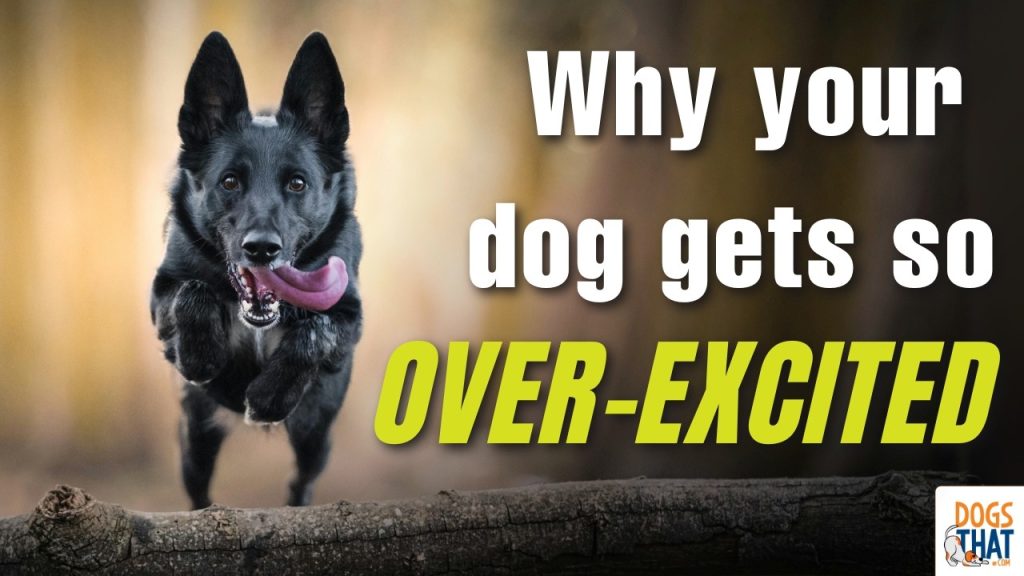

Do you find your dog bouncing off the walls with too much energy? Overexcited dogs can be a challenge, making walks stressful and playtime overwhelming.
But what if you could turn that excitement into calm, focused behavior? This guide will show you simple, effective ways to train your overexcited dog, so both of you can enjoy peaceful moments together. Keep reading, and discover how to bring balance to your dog’s energy and strengthen your bond like never before.

Credit: www.thetrainingofdogs.com
Signs Of Over Excitement
Recognizing the signs of over excitement in your dog is key to managing their energy and preventing unwanted behavior. Over excited dogs can be hard to control, but spotting their signals early helps you intervene before things escalate. Understanding these signs allows you to tailor your training approach and create a calmer environment for both you and your pet.
Common Behaviors
Over excited dogs often show a range of noticeable behaviors that you can watch for:
- Excessive jumping:Your dog may jump on people or furniture repeatedly.
- Rapid barking:Barking that seems uncontrollable or triggered by minor stimuli.
- Hyperactivity:Pacing, spinning, or zooming around the room.
- Mouthiness:Nipping or mouthing hands and clothing, often harder than usual.
- Inability to focus:Difficulty following commands or staying still.
Have you noticed your dog struggling to settle down even after playtime? That’s often a clear sign of over excitement.
Triggers To Watch For
Identifying what sets off your dog’s over excitement helps you manage their reactions better. Common triggers include:
- Visitors arriving:Dogs often get overly excited when new people come home.
- Preparation for walks:The sight of a leash or putting on shoes can spark high energy.
- Play sessions:Certain toys or games might overstimulate your dog.
- Loud noises:Unexpected sounds can cause a sudden burst of energy.
Think about your dog’s environment—what situations repeatedly cause a surge in their excitement? Pinpointing these moments lets you plan calm, controlled responses.
Importance Of Calm Training
Training an overexcited dog with calm techniques is more than just a way to reduce chaos—it shapes how your dog views the world and interacts with you. Calm training teaches your dog to settle down, listen, and respond without anxiety or hyperactivity.
Think about moments when your dog’s excitement makes simple tasks like greeting guests or walking in the park a challenge. Calm training can transform these situations into peaceful, enjoyable experiences for both of you.
Benefits For Dogs And Owners
Calm training helps your dog feel more secure and less stressed. When your dog learns to relax on command, you’ll notice fewer frantic behaviors such as jumping, barking, or pulling on the leash.
This approach also improves communication between you and your dog. You become the calm leader your dog can trust, which makes training smoother and daily life easier.
- Your dog experiences less anxiety and better focus.
- You spend less energy managing hyperactivity and more time enjoying your pet.
- Visitors and family members feel more comfortable around your dog.
Long-term Effects
Imagine years down the line, having a dog that remains composed even in exciting or stressful situations. Calm training builds a foundation for lifelong good behavior.
Dogs trained calmly are less likely to develop destructive habits or aggression caused by overstimulation. They learn to handle new experiences with confidence rather than fear or frustration.
Can you picture walking your dog through busy streets without tension or constant pulling? That’s the kind of control calm training gives you, turning daily routines into relaxing moments.
Establishing A Routine
Training an over-excited dog can be a challenging yet rewarding journey. Establishing a routine is the cornerstone of effective training, providing a sense of security and predictability for your furry friend. A structured routine helps your dog understand what’s expected and when, reducing anxiety and hyperactive behaviors.
Consistent Schedule
Dogs thrive on consistency. Setting a daily schedule for feeding, walks, and bathroom breaks can significantly curb over-excitement. If your dog knows that breakfast is at 7 AM and the evening walk is at 5 PM, they are less likely to become restless and unpredictable.
Consider using a simple wall calendar or smartphone app to track and maintain this schedule. Consistency builds trust between you and your dog, reinforcing the idea that calm behavior leads to positive outcomes.
Exercise And Playtime
Exercise is crucial for burning off excess energy. A well-exercised dog is often a calmer dog. Daily walks, runs, or play sessions not only tire them out physically but also engage them mentally.
Interactive toys like puzzle feeders or fetch can be great for stimulating your dog’s mind. You might find that a tired dog is less likely to jump on guests or bark excessively.
Are you giving your dog enough exercise? Sometimes, the solution to over-excitement is as simple as an extra 15 minutes of playtime. Tailor the activities to your dog’s breed and energy level for the best results.
Calm Commands And Cues
Teaching calm commands and cues helps manage an overexcited dog. These commands guide your dog to settle and focus. Calm cues become signals your dog understands to relax. Training these commands requires patience and consistency. Clear communication builds trust and reduces excitement in your dog.
Teaching Basic Commands
Start with simple commands like “sit,” “stay,” and “down.” Use a quiet voice to give each command clearly. Practice in a calm, distraction-free area. Reward your dog immediately when it follows the command. Repeat daily for short periods to build good habits. Gradually increase distractions as your dog improves. Keep training sessions positive and brief to avoid stress.
Using Positive Reinforcement
Positive reinforcement means giving rewards for good behavior. Use treats, praise, or petting as rewards your dog likes. Reward your dog right after it follows the calm command. This helps your dog connect the command with the reward. Avoid punishment; it can increase anxiety and excitement. Be consistent with rewards to encourage calm behavior. Over time, your dog will choose calmness more often.
Managing Excitement Triggers
Managing excitement triggers is essential to help your over-excited dog stay calm and focused. Understanding what sparks your dog’s energy allows you to control situations better and prevent overwhelming reactions. This way, you create a learning space where your dog feels safe and in control.
Controlling Environment
Start by observing the places and situations where your dog gets overly excited. Is it when guests arrive? Or maybe during walks near other dogs? Identifying these triggers helps you adjust the environment to reduce sudden excitement.
Try limiting exposure to busy or noisy areas initially. For example, if your dog barks wildly at the doorbell, use a quieter room for training sessions. You can also use baby gates or barriers to give your dog some space while still feeling part of the action.
Have you noticed how your dog reacts differently in various settings? Use that knowledge to create calm zones and avoid overwhelming your dog with too many stimuli at once.
Gradual Exposure Techniques
Gradual exposure means slowly introducing your dog to excitement triggers in a controlled way. Instead of jumping straight into the most exciting moments, break them down into smaller, manageable steps.
For instance, if your dog gets excited when meeting new people, start by having a friend stand at a distance while rewarding calm behavior. Over time, reduce the distance as your dog learns to stay relaxed.
Consistency is key here. Reward your dog every time they stay calm during exposure. This builds a positive connection with the trigger rather than fear or over-excitement.
Think about your own reactions to stressful situations. How would you feel if you faced them gradually rather than all at once? Your dog benefits from the same approach.
Interactive Training Techniques
Interactive training techniques can transform how your over excited dog responds to commands and settles down. These methods engage your dog actively, making learning fun and effective. You’ll see quicker results because your dog enjoys the process and stays motivated.
Clicker Training
Clicker training uses a small device that makes a distinct sound to mark the exact moment your dog does something right. This clear signal helps your dog understand what behavior you want to encourage. You can use it to reward calmness and focus during moments of excitement.
Start by clicking and immediately giving a treat when your dog is calm. Repeat this several times to create a strong connection between the click and positive behavior. Over time, your dog will associate the click with good behavior, helping reduce over excitement.
Have you noticed how quickly dogs pick up on consistent sounds? The clicker’s sharp noise cuts through distractions, making it easier for your dog to pay attention to you even when they’re excited.
Focus And Attention Games
Teaching your dog to focus on you is key to managing their excitement. Simple games like “watch me” train your dog to maintain eye contact, calming their mind and body. These games also build your dog’s impulse control, which is crucial for handling excitement.
- Hold a treat near your eyes and say “watch me.”
- Reward your dog when they make eye contact, even for a brief moment.
- Gradually increase the time your dog holds eye contact before giving the treat.
Playing these games regularly turns your dog’s attention towards you, even in stimulating environments. This technique helps you redirect their energy before excitement spirals out of control. What if your dog could focus on you instead of distractions every time they get excited?
Handling Setbacks
Training an over-excited dog can be a tough journey. Setbacks are common and natural. They test your patience and commitment. Understanding how to handle these moments makes training more effective and less stressful.
Patience And Persistence
Dogs need time to learn new behaviors. Excitement can make it hard for them to focus. Stay calm and keep practicing regularly. Small progress is still progress. Avoid showing frustration or anger. Your dog senses your mood and reacts to it. Consistency builds trust and helps your dog understand expectations.
Adjusting Training Methods
Each dog is different. What works for one may not work for another. Watch your dog’s reactions carefully. Change your approach if you see no improvement. Use shorter sessions to keep your dog engaged. Try using different rewards like treats, toys, or praise. Sometimes, breaking tasks into smaller steps helps your dog learn better.
Credit: www.bestmatedogtraining.co.nz
When To Seek Professional Help
Knowing when to seek professional help for your overexcited dog can save both you and your pet a lot of frustration. Some behaviors are hard to manage on your own, no matter how patient or consistent you are. Recognizing the right moment to ask for expert guidance is key to making training successful and enjoyable.
Recognizing Limits
You might feel overwhelmed if your dog’s excitement leads to uncontrollable jumping, barking, or even aggression. Ask yourself: Are your usual training efforts making no difference? Has your dog’s behavior become unsafe for others or themselves?
If you find yourself answering yes to these questions, it’s a sign you’ve reached your limits. Sometimes, despite your best efforts, certain behaviors require specialized techniques only a professional can offer. Don’t wait until the situation worsens—early intervention can prevent long-term problems.
Choosing A Trainer
Finding the right trainer isn’t just about picking the first expert you find online. Look for someone who understands your dog’s specific needs and temperament. Ask about their experience with overexcited dogs and what training methods they use.
Consider trainers who use positive reinforcement rather than punishment. This approach builds trust and encourages your dog to learn without fear. You can also ask for references or watch videos of their sessions to see if their style fits you and your dog.
Remember, your trainer should be a partner in your dog’s progress. Don’t hesitate to ask questions and ensure you’re comfortable with their approach before committing. After all, your dog’s well-being depends on the quality of guidance you choose.

Credit: www.rover.com
Frequently Asked Questions
How Can I Calm An Overexcited Dog Quickly?
Use calm commands and avoid high-energy play. Redirect your dog’s focus with toys or treats. Practice deep, slow breathing to soothe them. Consistent training and patience help reduce excitement over time.
What Are Effective Training Tips For Excitable Dogs?
Use positive reinforcement and reward calm behavior. Establish clear rules and consistent routines. Avoid encouraging jumping or barking during excitement. Gradually expose your dog to stimulating situations to build control.
Why Does My Dog Get Overexcited Easily?
Dogs get overexcited due to lack of exercise, socialization, or mental stimulation. They may also react to new environments or people. Understanding triggers helps tailor training to reduce overexcitement and promote calm behavior.
When Should I Seek Professional Help For My Dog?
If excitement causes aggression or disrupts daily life, seek a trainer. Persistent hyperactivity that doesn’t improve with training needs expert assessment. Early intervention ensures better behavior management and safety for all.
Conclusion
Training an overexcited dog takes patience and clear steps. Stay calm and consistent every day. Use simple commands and reward good behavior. Avoid yelling or harsh punishments. Keep training sessions short and fun to hold attention. Over time, your dog will learn to stay calm.
This makes life better for both of you. Remember, small changes create big results. Keep practicing, and enjoy a happier, calmer dog.