
Are you wondering when the right time is to switch your furry friend from puppy food to adult dog food? Making this change at the perfect moment is important for your dog’s health and happiness.
Feed them too early, and they might miss out on essential nutrients; wait too long, and you could be overfeeding or causing digestive issues. You’ll discover clear signs and expert tips to help you make the best choice for your dog’s diet.
Keep reading to ensure your loyal companion stays healthy and strong every step of the way.

Credit: jiminys.com
Signs Your Dog Is Ready
Knowing when to switch your dog to adult food is important for their health. Dogs grow at different rates, so watch for clear signs. These signals help you decide the right time to make the change. Pay attention to age, body growth, and behavior.
Age Milestones For Switching
- Small breeds often switch at 9 to 12 months.
- Medium breeds usually change around 12 months.
- Large breeds may need adult food by 12 to 18 months.
- Giant breeds can take up to 18 to 24 months before switching.
Physical Development Indicators
- Full adult teeth usually appear by 6 to 7 months.
- Body growth slows down or stops.
- Muscle mass becomes more defined and firm.
- Coat texture may change, becoming thicker or shinier.
Behavioral Changes To Watch
- Energy levels stabilize and become less erratic.
- Appetite becomes more consistent with adult diet needs.
- Less chewing on toys or objects as teething ends.
- More focus on training and social behavior.
Differences Between Puppy And Adult Food
Puppy food and adult dog food serve different purposes in a dog’s life. Puppies need extra nutrients to support rapid growth. Adult dogs require a balanced diet for maintenance and energy. Understanding these differences helps in choosing the right food at the right time.
Nutritional Content Variations
Puppy food contains higher protein and fat levels. These support muscle development and energy needs. Adult dog food has balanced protein and fat to maintain health. Puppies also need more vitamins and minerals for growth. Adult food adjusts these nutrients for steady health.
Calorie Needs
Puppies burn more calories due to active growth and play. Their food is calorie-dense to meet these needs. Adult dogs require fewer calories to avoid weight gain. Their food is designed to keep energy in check.
Ingredient Adjustments
Puppy food often includes ingredients that aid brain and bone development. Ingredients like DHA and calcium are common. Adult dog food focuses on ingredients for joint health and digestion. Fiber content is usually higher in adult food for better digestion.
Choosing The Right Adult Dog Food
Puppies usually switch to adult dog food around one year old. This change supports their growing energy needs and health. Consult your vet to find the best time for your dog’s transition.
Choosing the right adult dog food is crucial for your dog’s health. As your dog transitions from puppy to adult, nutritional needs change. Selecting the best food ensures they stay healthy and active. Several factors influence this choice, including breed, size, and specific dietary needs.Breed And Size Considerations
Different breeds have unique nutritional requirements. Larger breeds might need food that supports joint health. Smaller breeds often require calorie-dense food due to their fast metabolism. Always consider your dog’s size and breed when picking food.Special Dietary Needs
Some dogs have special dietary needs. Allergies, weight issues, or sensitive stomachs are common concerns. Choose food that addresses these issues. Look for labels that indicate special formulas for such needs.Quality And Brand Options
Not all dog foods are equal. Quality ingredients make a big difference. Check labels for high-quality proteins and natural ingredients. Reputable brands often provide better nutritional value. Research brands to ensure you choose a trusted one.Transitioning To Adult Food
Transitioning your dog to adult food is an important step. Puppies need special nutrition, but adult dogs require a balanced diet for maintenance and health. Making the change carefully helps avoid stomach upset and keeps your dog happy.
Gradual Food Changes
Switch your dog’s food slowly over 7 to 10 days. Mix a small amount of adult food with puppy food. Increase the adult food portion daily and reduce the puppy food. This gradual change helps your dog’s digestive system adjust smoothly.
Monitoring Your Dog’s Response
Watch your dog closely during the transition. Check for signs like vomiting, diarrhea, or loss of appetite. Healthy dogs will eat well and have normal stools. If problems appear, slow down the transition or talk to your vet.
Tips For A Smooth Switch
- Keep feeding times consistent each day.
- Offer fresh water with every meal.
- Avoid giving treats that may upset the stomach.
- Choose high-quality adult dog food suitable for your dog’s size and breed.
- Be patient; some dogs take longer to adjust.
Common Mistakes To Avoid
Feeding your dog adult food at the right time is important for their health. Many pet owners make mistakes during this transition. These errors can affect your dog’s growth and energy levels. Avoiding common pitfalls helps your dog stay healthy and happy.
Switching Too Early Or Late
Changing your dog’s food too soon can cause stomach upset. Their body may not be ready for adult food nutrients. Waiting too long keeps them on puppy food past the right time. This can lead to weight gain or nutrient imbalance. Watch your dog’s age and size to pick the right moment.
Ignoring Nutritional Balance
Adult dog food must meet your dog’s needs. Some foods lack essential vitamins or minerals. Feeding low-quality food can cause health problems. Check labels for protein, fat, and fiber content. Choose food designed for your dog’s breed and activity level.
Overfeeding Or Underfeeding
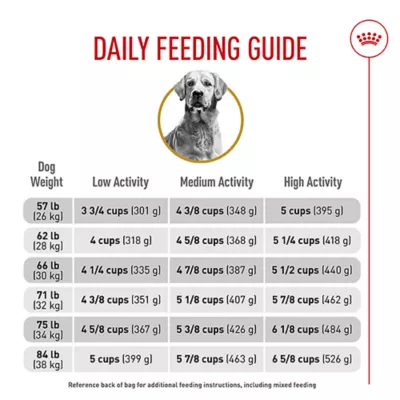
Too much food causes weight gain and joint stress. Too little food leads to weakness and poor growth. Measure portions carefully and follow package guidelines. Adjust feeding amounts based on your dog’s activity and weight changes. Regularly monitor your dog’s body condition for best results.
Credit: www.webbox.co.uk
When To Consult A Veterinarian
Knowing when to switch your dog to adult food is important for their health. Sometimes, a vet’s advice is needed to make the change safe and smooth. A veterinarian can guide you through the right timing and type of food for your dog.
Health Concerns During Transition
Some dogs may face tummy upset or allergies during food changes. A vet checks for signs like vomiting, diarrhea, or skin issues. Early advice helps avoid problems and keeps your dog comfortable.
Tailoring Diet To Medical Conditions
Dogs with health issues need special diets. Conditions like kidney disease or diabetes affect food needs. A vet can recommend specific adult dog food that supports your pet’s health.
Professional Feeding Recommendations
Veterinarians provide feeding plans based on age, weight, and activity. They suggest how much and how often to feed. This helps your dog get the right nutrients at the right time.

Credit: us.eukanuba.com
Frequently Asked Questions
When Should I Switch My Puppy To Adult Dog Food?
Switch your puppy to adult dog food around 12 months old. Large breeds may need up to 18-24 months. Consult your vet for breed-specific guidance and ensure a smooth transition to support healthy growth.
Why Is Timing Important For Feeding Adult Dog Food?
Timing matters to meet your dog’s nutritional needs. Feeding adult food too early or late can cause health issues. Proper timing supports balanced growth, weight management, and overall well-being.
How To Transition From Puppy To Adult Dog Food?
Gradually mix adult food with puppy food over 7-10 days. Increase adult food portion slowly to avoid digestive upset. Monitor your dog’s reaction and adjust feeding amounts as needed.
Can Feeding Adult Food Too Early Harm Puppies?
Yes, feeding adult food too early can lead to nutritional deficiencies. Puppies need higher protein and calorie levels for growth. Early transition may stunt development or cause health problems.
Conclusion
Feeding your dog adult food starts around one year old. Watch your dog’s size and behavior to decide the right time. Adult food helps keep your dog healthy and active. Changing food too soon or too late can cause problems.
Always choose good quality food made for adult dogs. Pay attention to how your dog reacts to new food. This way, you support your dog’s health and happiness every day. Caring for your dog means knowing when to switch their diet.
Simple steps lead to a strong, happy pet.