
Are you wondering when it’s the right time to switch your furry friend to adult dog food? You want to make sure your dog gets the best nutrition at every stage of life.
Feeding your dog the wrong food can affect their growth, energy, and overall health. You’ll discover clear signs and expert tips to know exactly when to make the change. Keep reading to learn how to give your dog the food they truly need to thrive.
Puppy Growth Stages
Understanding your puppy’s growth stages is essential to know the right time to switch from puppy food to adult dog food. Each stage has unique nutritional needs that support healthy development. Paying attention to these phases helps ensure your dog stays strong and happy throughout life.
From Newborn To Weaning
During the first few weeks, puppies rely entirely on their mother’s milk for nourishment. This milk contains the perfect balance of nutrients and antibodies to build their immune systems.
You might notice puppies nursing almost constantly. This is normal because they grow rapidly and need frequent feeding.
At about 3 to 4 weeks, puppies start to wean. They gradually spend less time nursing and more time exploring solid food options.
Transition To Solid Food
Introducing solid food is a delicate process. Start with soft, moist puppy food or a gruel made by mixing puppy kibble with water or puppy formula.
Offer small amounts several times a day, watching for any digestive upset. You want your puppy to accept the new food without stress.
This transition usually completes by 7 to 8 weeks old. By then, puppies should be eating solid food comfortably, preparing them for the next growth phase.
Key Development Milestones
Between 8 weeks and 6 months, puppies grow quickly and need nutrient-rich food to support bones, muscles, and brain development.
During this time, observe your puppy’s energy levels and weight. Are they gaining steadily but not too fast? This balance is crucial.
At about 12 months, most dogs reach physical maturity. This is the ideal moment to consider switching to adult food to match their slower growth and different nutritional needs.
Signs Your Puppy Is Ready
Knowing when to switch your puppy to adult dog food is important for their health. Puppies grow fast, but their bodies need time to develop fully. Watch for signs that show your puppy is ready for adult food. These signs help ensure a smooth change to a new diet.
Physical Indicators
- Your puppy’s teeth are fully grown and strong.
- Their weight gain has slowed down.
- They look leaner and less round than before.
- Coat becomes shinier and thicker, showing maturity.
Behavioral Changes
- Puppy shows less hyperactive behavior during play.
- They eat less frequently but finish meals faster.
- Interest in chewing on toys or objects decreases.
- They sleep more and rest between activities.
Digestive Readiness
- Firm, consistent stools indicate good digestion.
- No signs of upset stomach after meals.
- Can tolerate new foods without vomiting or diarrhea.
- Shows steady appetite and no food refusal.
Ideal Age To Switch
Knowing the right time to switch your dog from puppy food to adult food is important. The change supports healthy growth and development. Feeding adult food too early or too late can affect your dog’s health. Age is a key factor, but size and breed also matter. Each dog grows at its own pace.
Small Breeds Timeline
Small breed dogs grow faster than larger breeds. They usually reach adult size by 9 to 12 months. At this age, you can start feeding adult dog food. Watch for signs like steady weight and less puppy energy. Small breeds benefit from switching earlier to avoid excess calories.
Medium And Large Breeds Timeline
Medium and large breed dogs grow slower and need more time. These dogs often reach full size between 12 and 18 months. Switching to adult food too soon can cause growth problems. It’s best to wait until your dog is near full height and weight. This helps maintain strong bones and muscles.
Exceptions And Special Cases
Some dogs may need a different schedule. Puppies with health issues or special diets might switch later or earlier. Pregnant or nursing dogs need extra nutrition. Always check with your vet before changing food. They can suggest the best time and type of food for your dog’s needs.
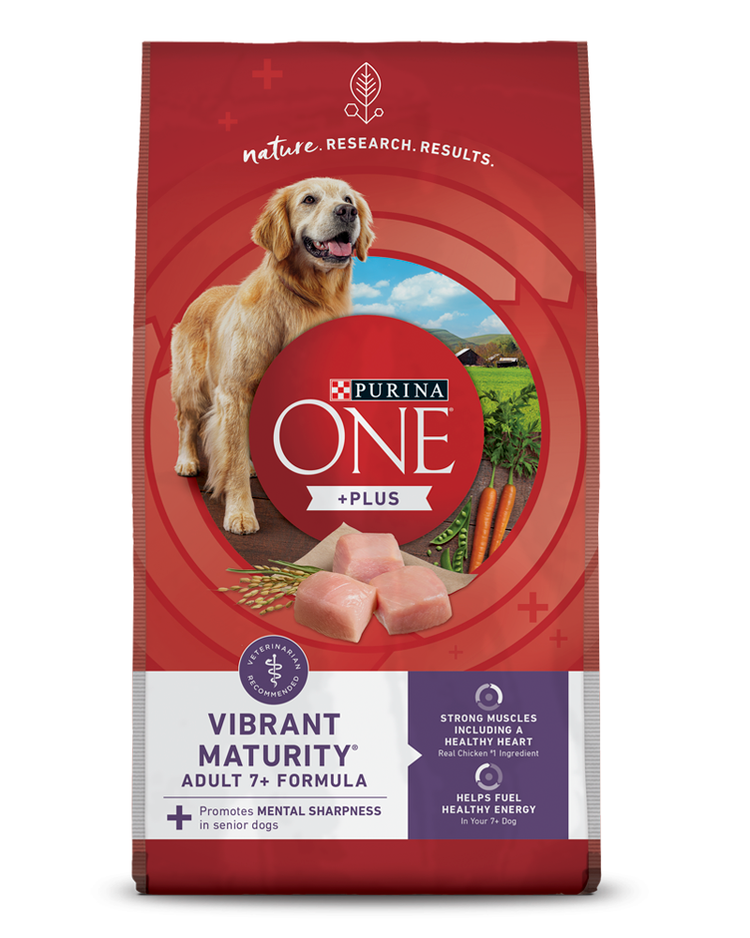
Credit: www.purina.com
Choosing The Right Adult Food
Choosing the right adult food for your dog is crucial for their health and happiness. As your pet transitions from puppy to adult, their dietary needs change. Selecting food that meets these new requirements helps maintain their energy, supports their immune system, and keeps their coat shiny.
Nutritional Needs Of Adults
Adult dogs need a balanced diet rich in proteins, fats, vitamins, and minerals. Protein helps maintain muscle mass, while fats provide essential energy. You should also look for foods with antioxidants to support their immune system and fiber for healthy digestion.
Keep in mind, the amount of nutrients varies by breed, size, and activity level. A highly active dog will need more calories than a less active one. Have you noticed changes in your dog’s energy or weight? That can guide your food choice.
Types Of Adult Dog Food
Adult dog food comes in several forms: dry kibble, wet canned food, raw diets, and homemade meals. Dry kibble is convenient, helps keep teeth clean, and usually costs less. Wet food offers higher moisture content, which is great for hydration.
Raw and homemade diets can be nutritious but require careful planning to ensure they are complete. If you’re unsure, consult your vet before making a switch. What type of food does your dog seem to enjoy most?
Avoiding Common Pitfalls
Avoid foods with excessive fillers like corn and wheat, which offer little nutritional value. Also, steer clear of artificial colors, flavors, and preservatives that can irritate your dog’s system. Overfeeding is a common mistake that leads to obesity and health problems.
Watch for sudden ingredient changes when switching brands, as this can upset your dog’s stomach. Introduce new foods gradually over 7-10 days to allow their digestive system to adjust. Have you ever experienced a food change that didn’t sit well with your dog?
Switching Food Gradually
Switching your dog from puppy to adult food requires care. Sudden changes can upset their stomach. A slow and steady switch helps your dog adjust comfortably. It also reduces risks of digestive problems.
Transition Period Tips
- Start by mixing 25% adult food with 75% puppy food.
- Gradually increase adult food amount over 7 to 10 days.
- Keep feeding times and portions consistent.
- Offer fresh water at all times.
- Avoid giving treats that differ greatly from new food.
Monitoring Your Dog’s Reaction
Watch your dog’s stool and energy levels closely. Soft or loose stools may mean food changes too fast. Loss of appetite or vomiting also signals a problem. Note any changes in behavior or digestion. Consult a vet if issues last more than a few days.
Adjusting Portions And Frequency
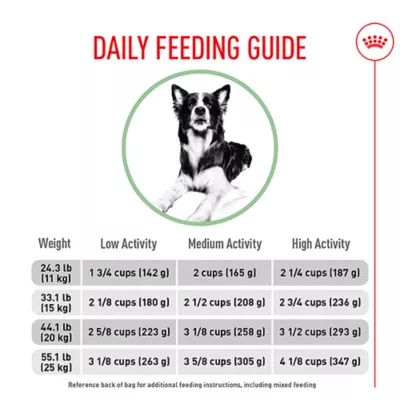
Adult dogs often need fewer calories than puppies. Adjust portion sizes according to your dog’s weight and activity. Feed smaller, frequent meals during transition. Slowly move to regular meal frequency after full switch. Use feeding guidelines on food packaging as a base.

Credit: jiminys.com
Health Benefits Of Timely Switching
Switching your dog to adult food at the right time supports healthy growth and digestion. It helps maintain energy and prevents nutrition gaps during development. Timely changes also reduce the risk of obesity and digestive problems.
Switching your dog’s diet from puppy food to adult food at the right time can offer significant health benefits. As your furry friend grows, their nutritional needs change. Ensuring a timely switch can lead to improved overall health and vitality. Let’s delve into the specific benefits your dog can enjoy from this transition.Improved Digestion
Adult dogs have different digestive needs compared to puppies. Puppy food is rich in calories and nutrients to support rapid growth, but as your dog matures, their metabolism changes. Switching to adult food can aid in better digestion as it contains the appropriate nutrient balance for an adult dog. Consider this: my dog, Max, had frequent stomach upsets when he was past the puppy stage but still on puppy food. Once I transitioned him to adult food, his digestion improved noticeably. Have you noticed any similar changes in your dog’s digestion?Enhanced Energy Levels
The right nutrients can significantly influence your dog’s energy levels. Adult dog food is formulated to provide sustained energy for daily activities. This means your dog can enjoy playtime and walks with the same enthusiasm every day. I remember the first time I saw Max more energetic after the switch. It was like he was a puppy again, full of life and vigor. Have you noticed a boost in your dog’s energy after changing their diet?Maintaining Ideal Weight
Weight management is crucial for your dog’s health. Puppy food, with its high-calorie content, can lead to weight gain if fed to an adult dog. Adult dog food helps in maintaining an ideal weight, reducing the risk of obesity-related health issues. Max used to gain weight easily on puppy food as he grew older. Switching to adult food helped him maintain a healthy weight, keeping him active and fit. How do you manage your dog’s weight through diet? By transitioning to adult food at the right time, you’re not only catering to your dog’s changing nutritional needs but also ensuring they lead a healthier, more energetic life. Remember, always consult with your veterinarian before making any dietary changes to ensure they are suitable for your pet’s specific needs.When To Consult A Vet
Knowing when to consult a vet about switching your dog to adult food can save you from potential health issues. Dogs have unique needs that change as they grow, and sometimes these needs are not obvious at first glance. Paying attention to your dog’s behavior and health will help you decide if it’s time to seek professional advice.
Signs Of Food Intolerance
If your dog shows symptoms like vomiting, diarrhea, or excessive itching after eating, it might indicate food intolerance. These signs often surface when you change their diet or introduce new food. Don’t ignore persistent digestive problems or skin reactions; these are clear signals to check with your vet.
Watching your dog closely after switching to adult food is crucial. Sudden changes in appetite or unusual lethargy also deserve professional attention. Your vet can help identify if the food is suitable or if your dog needs a specialized diet.
Growth Or Weight Concerns
Is your dog gaining too much weight or not growing as expected? Both can be warning signs that the food isn’t meeting their nutritional needs. A vet can evaluate your dog’s growth curve and weight to suggest the best feeding plan.
Sometimes, the timing to move from puppy to adult food depends on how your dog is developing. Larger breeds may require a slower transition to avoid growth problems, while smaller breeds might need a quicker change. If you’re unsure, your vet’s guidance will be invaluable.
Breed-specific Advice
Different breeds have different nutritional requirements. Some breeds mature faster, while others take longer to reach adulthood. Consulting your vet about breed-specific food recommendations ensures your dog gets the right nutrients at the right time.
For example, active working breeds might need more protein and calories, while less active breeds could require fewer. Your vet can tailor advice based on your dog’s breed, activity level, and health status, helping you make informed feeding choices.

Credit: us.eukanuba.com
Frequently Asked Questions
When Should I Switch My Puppy To Adult Dog Food?
You should switch when your puppy reaches about 80% of their adult size. This usually happens between 9 to 12 months. Consult your vet for breed-specific guidance to ensure proper nutrition during this transition.
How To Know If My Dog Is Ready For Adult Food?
Signs include slowed growth, stable weight, and increased activity. Puppies typically reach this stage around one year. Monitoring these signs helps you decide the right time to switch to adult dog food.
Can Switching To Adult Food Too Early Harm My Dog?
Yes, early switching can cause nutritional deficiencies. Puppies need extra nutrients for growth. Always wait until your puppy is physically ready before changing their diet.
What Are The Benefits Of Adult Dog Food?
Adult dog food supports maintenance, energy balance, and overall health. It contains fewer calories and adjusted nutrients tailored for mature dogs. This helps prevent obesity and promotes longevity.
Conclusion
Feeding your dog adult food at the right time is important. Most dogs switch after they turn one year old. Watch your dog’s size, breed, and health for clues. Gradual change helps avoid stomach problems. Always check the food label for age recommendations.
Proper nutrition supports a happy, healthy dog. Keep an eye on your pet’s energy and weight. Talk to your vet if unsure about the switch. A smooth transition sets your dog up for life. Trust your care and knowledge to guide you well.