
Have you ever wondered if it’s okay to feed your adult dog puppy food? You’re not alone.
Many dog owners ask this question because they want the best for their furry friends. Feeding your dog the right food affects their health, energy, and happiness. But is puppy food a safe choice for an adult dog? Keep reading to discover the surprising facts that could change how you care for your pet.
This knowledge will help you make smart decisions that keep your dog thriving every day.
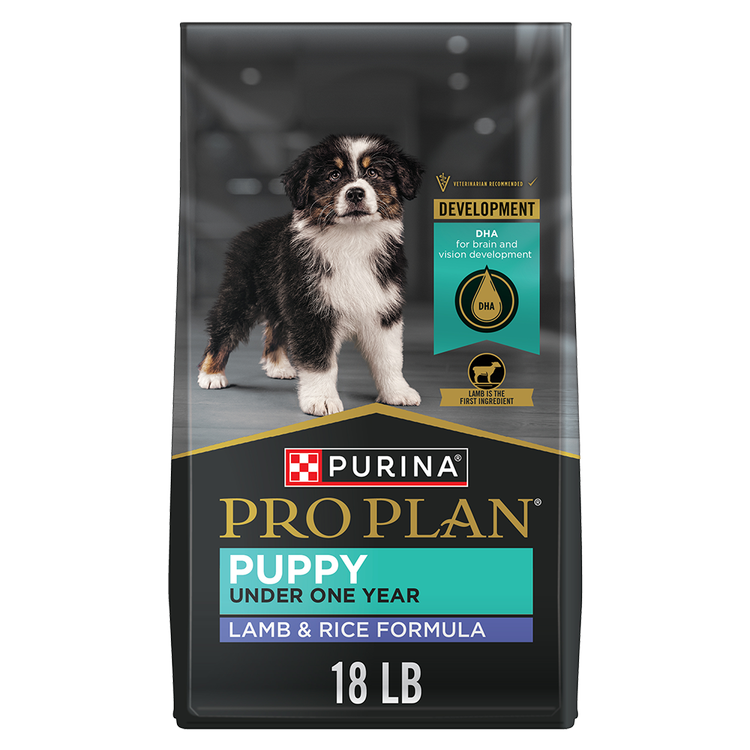
Credit: www.purina.com
Differences Between Puppy And Adult Dog Food
Understanding the differences between puppy and adult dog food is crucial if you’re considering feeding your adult dog puppy food. These foods are designed with distinct life stages in mind, reflecting the unique needs of growing pups versus mature dogs. Feeding the wrong type can impact your dog’s health, energy, and overall well-being.
Nutritional Needs Of Puppies
Puppies require higher calories to fuel their rapid growth and development. Their bodies need extra protein and fat to build strong muscles and support brain development.
Calcium and phosphorus levels are also elevated to ensure healthy bone formation. Feeding your puppy the right nutrients means giving them the best start in life.
Nutritional Needs Of Adult Dogs
Adult dogs need fewer calories since their growth slows down. Overfeeding energy-dense food like puppy formulas can lead to weight gain and joint stress.
Protein is still important but in moderate amounts to maintain muscle without excess strain on organs. Balanced nutrients help adults stay fit and active without unnecessary calories.
Key Ingredient Variations
| Ingredient | Puppy Food | Adult Dog Food |
|---|---|---|
| Protein | Higher levels (22-32%) to support growth | Moderate levels (18-25%) for maintenance |
| Fat | Higher fat content (8-20%) for energy | Lower fat content (5-15%) to prevent weight gain |
| Calcium & Phosphorus | Elevated for bone development | Balanced to avoid excess buildup |
| Calories | More calories per serving | Fewer calories for weight control |
Have you noticed how your dog’s energy or weight changes when you switch foods? Paying attention to ingredient differences can help you choose the right diet and avoid common health issues.
Potential Benefits Of Feeding Puppy Food To Adult Dogs
Feeding puppy food to adult dogs can offer unique benefits. Puppy food has a richer formula made to support growth and development. This nutrient-packed diet may help adult dogs in various ways beyond their standard meals. Exploring these benefits can guide better food choices for your furry friend.
Higher Nutrient Density
Puppy food contains more proteins, fats, and vitamins. These nutrients support muscle strength and overall health. Adult dogs with higher energy needs or health issues may gain from this dense nutrition. It can help maintain a healthy weight and body condition.
Improved Coat And Skin Health
The extra fatty acids in puppy food promote a shiny coat and soft skin. These ingredients reduce dryness and itching. Adult dogs often show visible improvements in fur texture and skin condition. This benefit suits dogs with sensitive skin or dull coats.
Energy Boost
Puppy food provides more calories and energy than regular adult dog food. Active or working adult dogs may perform better with this boost. It helps sustain stamina during exercise and play. This food can also aid dogs recovering from illness or surgery.
Risks Of Feeding Puppy Food To Adult Dogs
Feeding puppy food to adult dogs can cause weight gain and digestive problems. Adult dogs need balanced nutrition suited to their age and activity level. Too many calories and nutrients meant for growth may harm their health over time.
Feeding puppy food to adult dogs can pose several risks. Puppy food has higher calories and nutrients to support growth. Adult dogs have different dietary needs. Offering puppy food to them can lead to various health issues. Understanding these risks helps ensure your pet remains healthy and happy.Excess Calories And Weight Gain
Puppy food is rich in calories. It’s designed for growing puppies. Adult dogs don’t need these extra calories. Feeding them puppy food can cause weight gain. Obesity is a serious health risk. It can lead to heart disease, diabetes, and joint problems.Nutrient Imbalance
Puppy food contains higher levels of certain nutrients. These nutrients support a puppy’s development. Adult dogs require different nutrients. A constant diet of puppy food can cause nutrient imbalances. This can affect their bones, muscles, and overall health.Digestive Issues
Adult dogs have sensitive digestive systems. Puppy food is rich and dense. It may cause digestive problems. Symptoms include vomiting, diarrhea, or stomach discomfort. This can upset your dog’s routine and comfort. Proper nutrition is key to a healthy digestive system.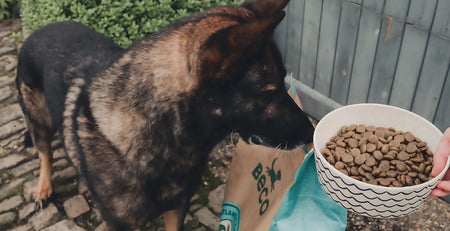
Credit: www.becopets.com
When Puppy Food Might Be Suitable For Adults
Puppy food is rich in nutrients and calories to support growth. Adult dogs usually need less energy-dense food. Still, some adult dogs may benefit from puppy food for a time. It depends on their health, weight, and activity level. Understanding when puppy food suits adults helps provide better care.
Senior Dogs With Special Needs
Older dogs sometimes need extra nutrients to stay healthy. Puppy food has more protein and fat, which can help maintain muscle and energy. Dogs with health issues may find puppy food easier to digest. Feeding senior dogs puppy food should be done with a vet’s advice.
Underweight Or Malnourished Dogs
Thin or sick dogs need high-calorie food to regain strength. Puppy food offers extra calories and nutrients for faster recovery. It helps build muscle and improve overall condition. Use puppy food temporarily until the dog reaches a healthy weight.
High-activity Adult Dogs
Working dogs or very active pets burn more energy daily. They require more calories and protein than average adult dogs. Puppy food can meet these higher energy needs well. Ensure the dog’s weight and health remain balanced while feeding puppy food.
How To Transition Between Puppy And Adult Food
Switching your dog from puppy food to adult food is more than just changing the bag at the store. It’s a process that requires care and attention to keep your dog happy and healthy. A smooth transition can prevent digestive issues and ensure your dog gets the right nutrients at every stage of life.
Gradual Food Change Techniques
Start by mixing a small amount of adult food into your dog’s current puppy food. Gradually increase the adult food portion over 7 to 10 days. This slow change helps your dog’s digestive system adjust without causing upset stomach or refusal to eat.
- Begin with 75% puppy food and 25% adult food.
- After a few days, shift to 50/50 mix.
- Then move to 25% puppy food and 75% adult food.
- Finally, feed 100% adult food.
Keep an eye on how your dog reacts to the new mix. If you notice any vomiting, diarrhea, or loss of appetite, slow down the transition or consult a professional.
Monitoring Dog’s Health And Behavior
Watch your dog’s energy levels and stool quality during the switch. Healthy stools and consistent energy are signs your dog is adapting well. If your dog seems lethargic or has loose stools, you might need to reconsider the pace or the type of food.
Also, pay attention to your dog’s coat and skin condition. A shiny coat often means the food meets their nutritional needs. If the coat looks dull or your dog scratches more, it could indicate a problem with the new diet.
Consulting A Veterinarian
Your vet knows your dog’s health history and can offer personalized advice. Ask them about the best time to switch and which adult food suits your dog’s breed, size, and activity level. They can also suggest supplements if your dog needs extra support during the transition.
Veterinarians can help identify any underlying health issues that might affect your dog’s food tolerance. Don’t hesitate to reach out if you’re unsure or notice unusual symptoms during the change.

Credit: www.petscare.com
Frequently Asked Questions
Can Adult Dogs Eat Puppy Food Safely?
Adult dogs can eat puppy food occasionally, but it’s not ideal long-term. Puppy food has higher calories and nutrients, which can cause weight gain and digestive issues in adults if fed regularly.
What Happens If An Adult Dog Eats Puppy Food?
If an adult dog eats puppy food, it may gain weight and experience digestive upset. The extra nutrients and calories are designed for growing puppies, not adult maintenance.
Is Puppy Food Better For Adult Dogs’ Health?
Puppy food is not better for adult dogs’ health. It is formulated for growth, not maintenance. Adults need balanced nutrients suited to their age and activity level.
Can Feeding Puppy Food To Adult Dogs Cause Obesity?
Yes, feeding puppy food to adult dogs regularly can lead to obesity. The high calorie and fat content exceed the needs of adult dogs, causing weight gain.
Conclusion
Adult dogs need food made just for them. Puppy food has more fat and calories. This can cause weight gain and stomach problems. Feeding adult dogs puppy food is not ideal. Stick to adult dog food for their health. Always watch your dog’s weight and energy.
Talk to a vet if you are unsure. Healthy food helps dogs live longer and feel better. Choose the right food to keep your dog happy.