
If you have a large breed puppy, you’re probably wondering when the right time is to switch from puppy food to adult dog food. Feeding your puppy the right food at the right time can make a big difference in their growth, health, and energy levels.
But how do you know when your big furry friend is ready for adult food? Keep reading to discover the simple signs and expert tips that will help you make the best choice for your puppy’s future. Your dog’s health depends on it, and you don’t want to miss this crucial step.
Growth Stages Of Large Breed Puppies
Large breed puppies grow at a different pace than smaller dogs. Their bones and joints develop over a longer period. Feeding them the right food at each stage supports strong growth. Understanding their growth stages helps decide when to switch to adult dog food.
Puppy Development Milestones
Large breed puppies have key growth phases:
- Neonatal (0-2 weeks):Puppies rely on mother’s milk for all nutrients.
- Transitional (2-4 weeks):Eyes and ears open, they start exploring.
- Socialization (4-12 weeks):Important learning and interaction stage.
- Growth (3-6 months):Rapid bone and muscle development occurs.
- Adolescence (6-18 months):Physical growth slows, but mental growth continues.
Nutritional Needs By Age
Each growth stage demands specific nutrition:
- 0-8 weeks:Mother’s milk provides essential antibodies and nutrients.
- 8 weeks to 6 months:High protein and controlled calcium support bone growth.
- 6 to 12 months:Balanced nutrients maintain steady growth and avoid joint stress.
- 12 to 18 months:Transition to adult food begins as growth slows.
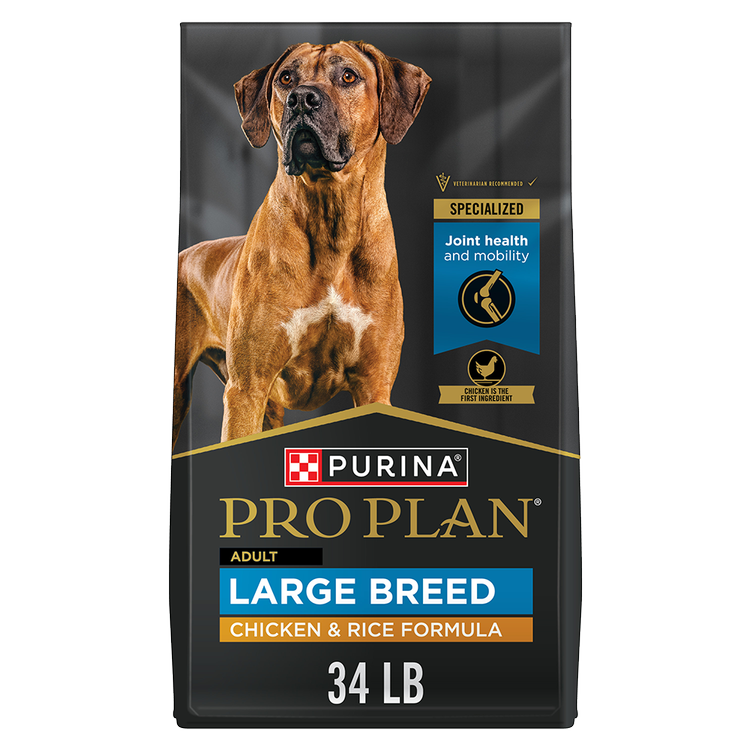
Large breed puppies need food that prevents too rapid growth. Too much calcium or calories can harm joints. Feeding appropriate food helps them grow into healthy adults.
Credit: www.purina.com
Differences Between Puppy And Adult Dog Food
Understanding the differences between puppy and adult dog food is crucial when deciding the right time to switch your large breed puppy to adult food. Puppy food is specially designed to support rapid growth and development, while adult food focuses on maintaining health and energy levels. Knowing what sets these two types of food apart can help you make informed choices for your pup’s diet.
Key Nutrients In Puppy Food
Puppy food contains higher levels of protein and fat compared to adult dog food. These nutrients fuel growth and provide the extra energy puppies need to explore and learn. Calcium and phosphorus are also carefully balanced to support healthy bone development, especially important for large breeds prone to joint issues.
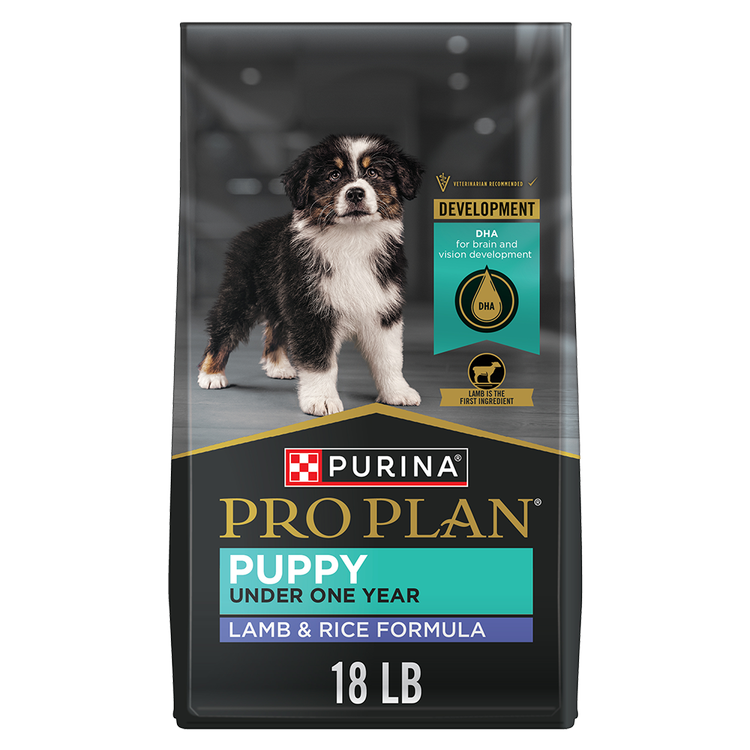
Additionally, puppy formulas include DHA, an omega-3 fatty acid that supports brain and eye development. Antioxidants and vitamins boost the immune system, helping your puppy fight off common illnesses. Have you noticed how your puppy’s energy level differs from your adult dog’s? That’s because their food is fueling a much faster metabolism.
Why Adult Food May Not Suit Puppies
Feeding adult dog food to puppies can lead to nutritional gaps that may affect their growth. Adult formulas typically have lower fat and protein, which might not meet the high demands of a growing puppy. This can result in slower growth and weaker muscles.
Moreover, adult food often contains less calcium and phosphorus, which could lead to improper bone development and increase the risk of skeletal problems in large breeds. Switching too early to adult food might stunt your puppy’s potential, even if they seem ready to eat the same food as your grown dog.
Are you considering switching your large breed puppy to adult food? Think about whether their current diet is truly supporting their growth or just filling their stomach.
Signs Your Large Breed Puppy Is Ready For Adult Food
Knowing when to switch your large breed puppy to adult food is crucial. This transition supports their growth and overall health. Recognizing the signs ensures your puppy gets the nutrition they need. Look for specific physical and behavioral indicators to guide you.
Physical Indicators
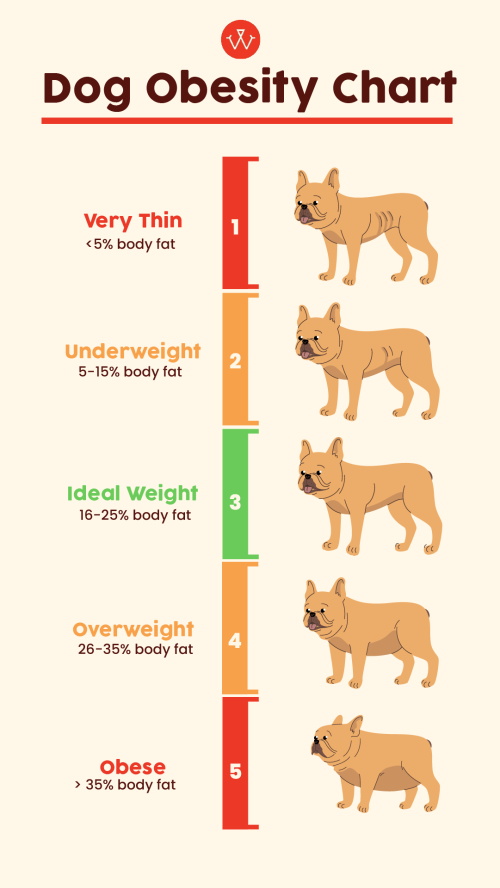
Observe your puppy’s size and weight. Large breed puppies grow quickly. Once they reach 80% of their expected adult weight, consider switching their food. Check their body condition. A healthy puppy should have a visible waist and ribs you can feel but not see. Excess weight can strain their developing joints. Monitor their growth rate. Rapid growth can lead to joint problems. A consistent growth pattern indicates readiness for adult food.
Behavioral Changes
Behavioral changes can signal readiness for adult food. Notice their energy levels. As puppies mature, they may become less hyperactive. Reduced playfulness often shows they’re nearing adulthood. Assess their eating habits. Puppies ready for adult food may show less interest in puppy food. They might eat less or leave food in their bowl. Changes in behavior are natural as they grow. These signs help ensure your puppy’s health and happiness.
Recommended Age To Switch To Adult Food
Knowing the right time to switch large breed puppies to adult dog food is crucial. It supports their growth without causing health issues. Large breeds grow at a different pace than small breeds. Feeding adult food too early or too late can affect their joints and bones.
Choosing the right moment helps maintain their energy and overall health. Watch their size, weight, and activity level as clues. Understanding breed-specific needs ensures the best nutrition plan for your puppy.
Variations By Breed Size
Large breed puppies grow slower than small breeds. They need puppy food longer to support bone development. Most large breeds switch to adult food between 12 and 18 months.
Some giant breeds, like Great Danes, may need puppy food until 18 to 24 months. Smaller large breeds, such as Labradors, often switch around 12 months. This timing prevents rapid growth that stresses joints.
Veterinarian Guidelines
Veterinarians suggest following your dog’s growth progress. Regular check-ups help decide the best time to switch. They consider weight, height, and muscle condition during visits.
Vets may recommend gradual changes to avoid digestive upset. They also advise on balanced nutrition specific to your breed. Trust your vet’s advice for a smooth transition to adult food.
How To Transition To Adult Dog Food
Transitioning a large breed puppy to adult dog food needs care and patience. Sudden food changes can upset your puppy’s stomach. A smooth switch helps your puppy accept new food and stay healthy. Follow a clear process to make this change easy.
Step-by-step Transition Process
- Start by mixing 75% puppy food with 25% adult food.
- After three days, change the mix to 50% puppy and 50% adult food.
- Next, use 25% puppy food and 75% adult food for another three days.
- Finally, feed only adult dog food once your puppy adapts.
- Watch your puppy’s reaction to each change carefully.
- Always provide fresh water during the transition.
Avoiding Digestive Issues
Switch food gradually to prevent diarrhea and vomiting. Watch for signs like loose stools or loss of appetite. Stop the transition if your puppy shows discomfort. Consult a vet if problems last more than two days. Keep meals small and frequent during the switch. Avoid giving treats or other foods that might upset digestion.
Credit: www.purina.com
Risks Of Switching Too Early Or Too Late
Switching large breed puppies to adult dog food at the right time is very important. Changing their diet too early or too late can lead to serious problems. Puppies have special nutritional needs that change as they grow. Feeding adult food too soon or staying on puppy food too long can harm their health and development.
Health Consequences
Switching too early can cause nutrient imbalance. Adult dog food has less calcium and protein than puppy food. This can weaken bones and muscles. Puppies may become tired or lose their appetite.
Switching too late can lead to excess calories. Puppy food has more fat and energy. It can cause rapid weight gain and obesity. Extra weight stresses joints, especially in large breeds.
Growth And Development Concerns
Large breed puppies grow fast but need controlled nutrition. Too early switch may slow down growth. They may not get enough nutrients to build strong bones.
Staying on puppy food too long can speed up growth too much. Fast growth can cause bone deformities and joint problems. Balanced growth is key to healthy adult dogs.
Choosing The Right Adult Food For Large Breeds
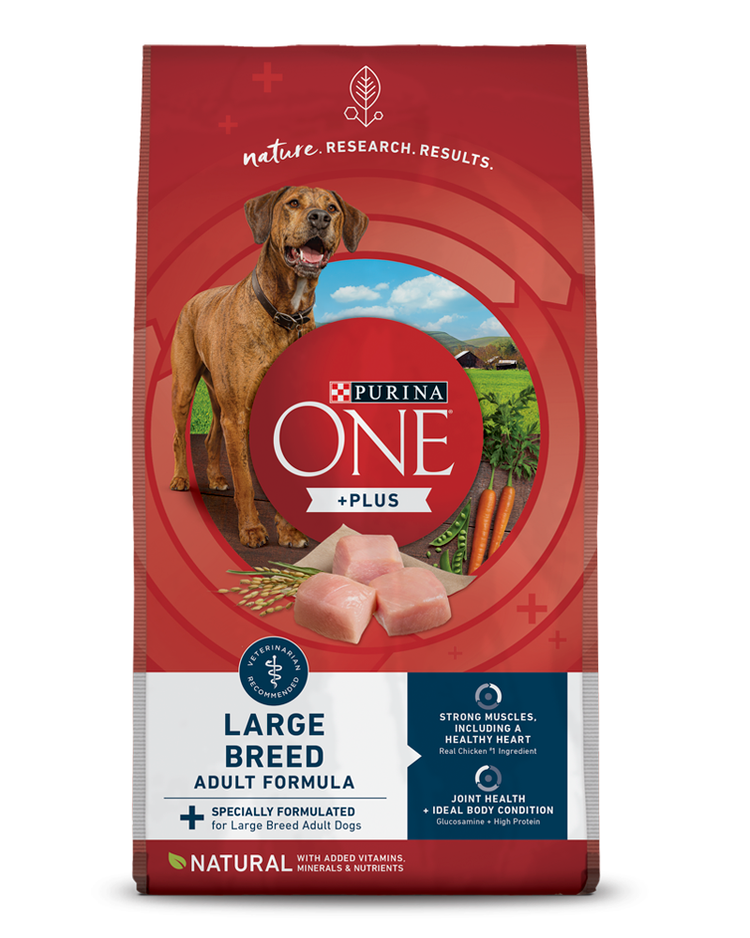
Choosing the right adult food for large breed dogs is crucial for their health and growth. Large breeds have unique nutritional needs compared to smaller dogs, especially during the transition from puppy food to adult food. Picking the right formula can support joint health, maintain a healthy weight, and provide balanced energy levels.
Important Ingredients To Look For
When selecting adult dog food for your large breed, focus on ingredients that support strong bones and joints. Look for foods rich in glucosamineand chondroitin, which help maintain cartilage health. Omega-3 fatty acids like EPA and DHA also reduce inflammation and promote healthy skin and coat.
Protein is another key component. Choose a food with high-quality animal protein sources such as chicken, beef, or fish. This helps maintain muscle mass without adding unnecessary fat. Avoid foods with too many fillers like corn or soy, as they offer little nutritional benefit.
Calcium and phosphorus levels should be balanced to avoid bone issues common in large breeds. Too much or too little can cause growth problems or joint discomfort. Check the label for large breed-specific formulations that manage these mineral levels carefully.
Brands Recommended By Experts
- Hill’s Science Diet Large Breed Adult:Vet-approved and tailored to support joint health and controlled weight.
- Royal Canin Large Breed Adult:Designed with precise nutrient ratios for maintaining muscle and bone strength.
- Blue Buffalo Life Protection Large Breed:Uses natural ingredients with added glucosamine and omega fatty acids.
- Nutro Ultra Large Breed:Combines a trio of proteins and superfoods for balanced nutrition and energy.
Have you noticed how some large breed foods seem to work better for your dog’s energy and coat? Choosing a trusted brand backed by research can make a big difference. Don’t hesitate to consult your vet for recommendations tailored to your dog’s specific health needs.
Monitoring Your Dog’s Health After Switching
Switching your large breed puppy to adult dog food is a significant step that requires careful attention to their health. This change can affect their growth, energy, and overall well-being. Monitoring your dog’s health after the switch helps you catch any issues early and ensures they thrive on the new diet.
Tracking Weight And Energy Levels
Keep a close eye on your dog’s weight every week. Large breed puppies should maintain a steady, healthy growth pattern rather than sudden spikes or drops. Use a simple chart or app to track their weight and compare it over time.
Energy levels are another key indicator. After switching to adult food, your dog should remain active and playful, not lethargic or restless. Notice if they seem more tired than usual or if their enthusiasm during walks decreases.
Small changes in appetite can also signal how well they’re adjusting. Are they eating less or more? Any drastic change might mean the food isn’t meeting their needs or causing discomfort.
When To Consult A Vet
Consult your vet if you notice persistent weight loss or gain, unusual energy dips, or digestive problems like vomiting or diarrhea. These symptoms may indicate that the adult food isn’t right for your puppy yet.
It’s also smart to schedule a check-up about a month after the switch. Your vet can evaluate growth, muscle tone, and overall health to make sure your dog is on the right track.
Remember, every dog is unique. If you ever feel unsure about their progress or behavior, asking a professional can prevent long-term issues and give you peace of mind.
Credit: www.purina.com
Frequently Asked Questions
When Is The Right Time For Large Breed Puppies To Switch?
Large breed puppies should switch to adult dog food between 12 to 18 months. This timing supports their slower growth and joint health needs. Consult your vet for personalized advice based on your puppy’s breed and growth rate.
Why Not Feed Adult Food To Large Breed Puppies Early?
Adult dog food lacks the specific nutrients large breed puppies need for growth. Feeding adult food too soon can cause nutritional imbalances and affect bone development. Puppy food ensures proper calcium and protein levels for healthy growth stages.
How To Transition Large Breed Puppies To Adult Food?
Transition gradually over 7 to 10 days by mixing increasing amounts of adult food with puppy food. This helps avoid digestive upset. Monitor your puppy’s weight and energy levels during the change to ensure proper adjustment.
What Are Risks Of Switching Large Breed Puppies Too Late?
Delaying the switch can lead to excessive calorie intake and rapid growth. This increases joint and bone problems like hip dysplasia. Timely transition helps maintain ideal weight and supports healthy skeletal development.
Conclusion
Large breed puppies need special care in their diet. Switch to adult dog food around 12 to 18 months. Watch their growth and energy levels closely. Avoid switching too early or too late. Proper nutrition helps strong bones and healthy joints.
Always choose food made for large breeds. Consult your vet for the best time to change. Feeding right supports a happy, healthy dog life. Keep your puppy’s needs in mind every step. The right food helps them grow big and strong.