Are you planning a trip and wondering if you can bring your dog along on the train? Traveling with your furry friend can be exciting, but it also raises important questions.
Will your dog be allowed? What rules do you need to follow? Knowing the answers can save you time, stress, and even extra fees. Keep reading to discover everything you need to know about taking your dog on the train, so your journey is smooth and enjoyable for both you and your pet.
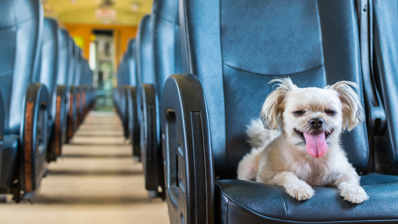
Credit: www.flava.co.nz
Train Policies For Dogs
Traveling by train with your dog can be a smooth experience if you understand the specific rules that different train companies have in place. These policies are designed to keep all passengers comfortable and safe, including your furry friend. Knowing what to expect helps you plan better and avoid surprises at the station.
Carrier Requirements
Most train services require dogs to be inside a secure carrier or crate during the journey. This keeps your dog contained and prevents any disruption to other passengers. The carrier should be well-ventilated and comfortable enough for your dog to sit or lie down.
Some trains allow small dogs to sit on your lap if they are in a carrier, but larger dogs must stay in a designated area or under your seat. Always check if the carrier needs to meet specific dimensions or materials, as some companies have strict rules.
Size And Weight Limits
Many train operators set size and weight limits for dogs traveling on board. Usually, dogs under a certain weight—often around 20 pounds (9 kg)—can travel for free or with a small fee when in a carrier. Larger dogs might need a separate ticket or could be restricted from certain carriages.
If your dog is heavier or bigger, ask about reserved spaces or pet-friendly carriages. Some services allow larger dogs but require them to be leashed and well-behaved. Have you ever wondered how your dog’s size might affect your travel options? It’s worth double-checking before your trip.
Breed Restrictions
Certain breeds may face restrictions or additional requirements due to safety and insurance reasons. Some train companies ban breeds considered aggressive or impose muzzling rules. This can include breeds like Pit Bulls, Rottweilers, or Dobermans.
Check the specific breed policies of the train operator to avoid last-minute issues. Even if your dog is calm and friendly, breed restrictions can still apply. How would you handle a situation where your dog is subject to these rules?
Booking Your Ticket
Booking your ticket when traveling with your dog on a train involves a few key steps to ensure a smooth journey for both you and your pet. Knowing the rules about fees and reservations can save you time and stress at the station. Let’s break down what you need to know before you book.
Pet Fees And Reservations
Most train companies require you to pay a pet fee. This fee covers your dog’s spot on the train and sometimes includes a small carrier or leash requirement. Always check the specific pet policy for the train company you’re using, as fees and rules can vary widely.
Reserving your dog’s place ahead of time is often necessary. Some trains limit the number of pets on board, so booking early can guarantee your dog travels with you. Have you ever faced last-minute surprises when traveling? Booking early helps you avoid that hassle.
Seat Selection Tips
Choosing the right seat can make a big difference in your pet’s comfort. Seats near the train doors are often best since they allow quick exits for bathroom breaks. Avoid seating in crowded cars or near food service areas to reduce stress for your dog.
If you can, pick a window seat. It gives your dog something to watch and can keep them calm during the trip. Also, some trains offer pet-friendly cars or areas—ask about these when you book to improve your travel experience.
Preparing Your Dog
Train rides can be new and strange for dogs. Prepare them by practicing short trips and bringing familiar items like toys or blankets. Ensure your dog is calm and comfortable before boarding to make the journey smooth.
Preparing for a train journey with your dog involves more than just snapping on a leash and heading to the station. Ensuring your pet is ready for the trip can make the experience enjoyable and stress-free for both of you. From health considerations to comfort essentials, thoughtful preparation is key.Health Checks And Vaccinations
Before embarking on your train adventure, it’s crucial to ensure your dog is in good health. Schedule a visit to the vet to confirm they’re fit to travel. Make sure their vaccinations are up to date, especially if your journey crosses regional borders that might have specific requirements. Consider getting a health certificate from your vet. This document can be handy in case someone questions your dog’s health status during the trip. Plus, it gives you peace of mind knowing your furry friend is travel-ready.Comfort Items To Bring
A comfortable dog is a happy traveler. Pack a small bag of essentials that will make your dog feel at home on the train. A familiar blanket or favorite toy can help ease any travel anxiety they may experience. Don’t forget a portable water bowl. Trains can be stuffy, and staying hydrated is as important for your dog as it is for you. Bring along some treats to reward good behavior during the trip. What comfort items does your dog cherish the most? Including these in your travel kit can make a world of difference in their travel experience.
Credit: norfolkdailynews.com
At The Station
Arriving at the station with your dog can shape the entire travel experience. How you manage this moment influences your dog’s comfort and your own stress levels. Being prepared helps you stay calm and enjoy the journey together.
Arrival Time
Plan to arrive early. Stations can be busy, and you’ll need extra time to find pet-friendly areas and get your dog settled.
Early arrival means less rushing and more time to handle any unexpected situations. It also allows your dog to explore the surroundings calmly before the train arrives.
Have you noticed how your dog reacts to crowds or noises at stations? Arriving early gives you a chance to assess their mood and adjust your plans accordingly.
Security And Boarding Procedures
Security checks often require you to remove your dog from its carrier or leash. Be ready to keep your dog close and under control during this process.
Most stations have specific rules for pets, such as keeping dogs leashed or in carriers. Knowing these rules beforehand avoids last-minute surprises.
Boarding can be hectic. Have treats or a favorite toy ready to distract your dog and keep them calm. This little effort can make a big difference in how smoothly you board.
During The Journey
Traveling by train with your dog can be a smooth experience if you prepare well for the journey itself. Your dog’s comfort and behavior during the ride matter a lot. Paying attention to their needs will help both of you enjoy the trip without stress.
Keeping Your Dog Calm
Dogs can get anxious in new environments, especially with the noise and movement of a train. Bring familiar items like a favorite blanket or toy to help soothe them. Softly talking to your dog or gently petting them can ease nervousness.
Try to choose a quiet spot in the train car if possible. Avoid busy areas where loud conversations and heavy foot traffic might upset your dog. You might notice your pet calming down faster when they feel safe and secure.
Feeding And Bathroom Breaks
Plan your dog’s meals and bathroom breaks carefully during the journey. Avoid feeding your dog right before boarding to prevent nausea. Small, light snacks are better if the trip is long.
Check the train stations along your route for pet relief areas. Use these stops to give your dog a chance to stretch and relieve themselves. Carry waste bags and clean up after your pet to keep the environment pleasant for everyone.
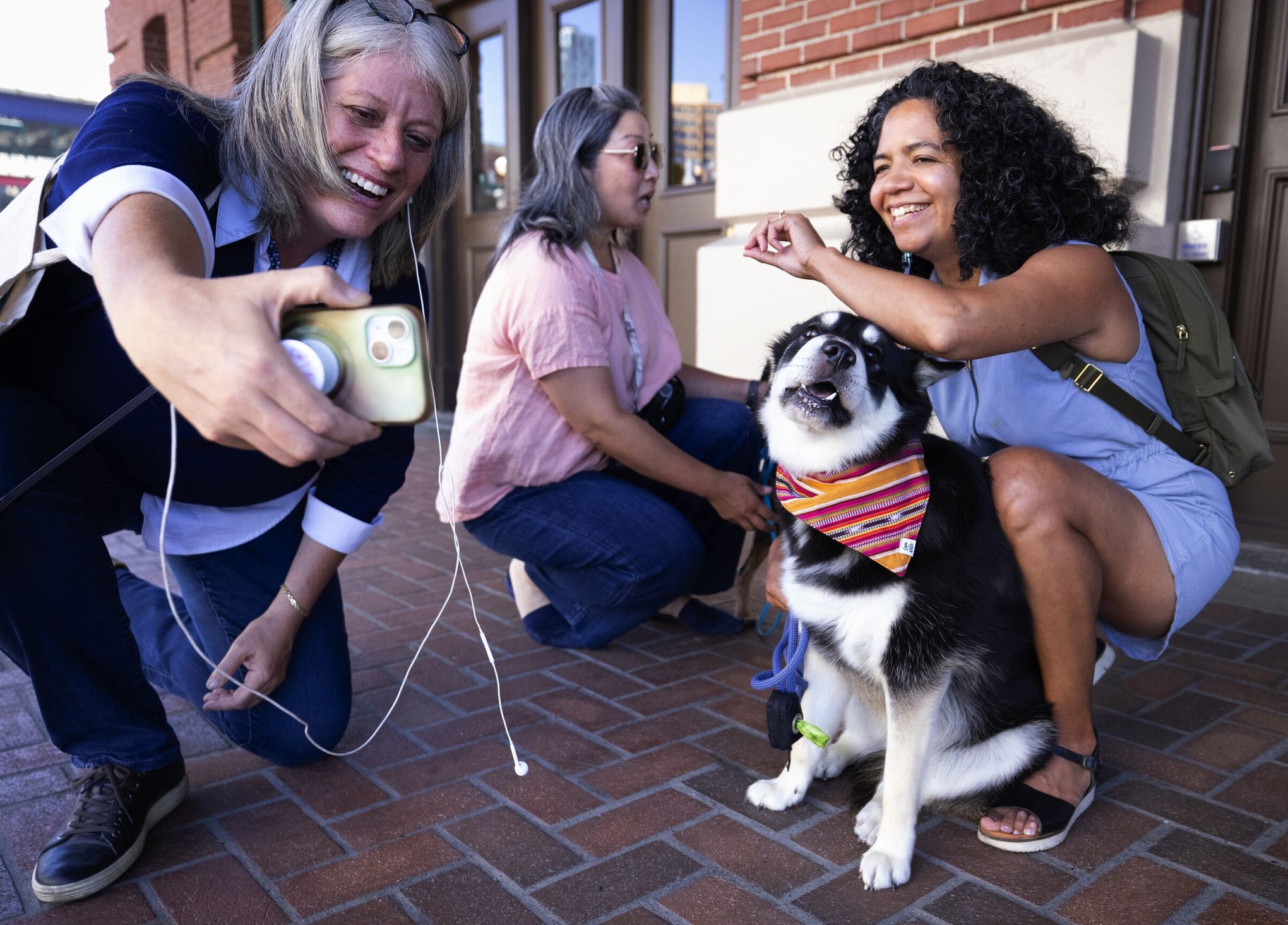
Credit: www.seattletimes.com
After The Trip
After traveling by train with your dog, some care is needed to help them settle. The journey may tire your pet more than usual. Paying attention to their needs ensures a smooth transition back home. This time is important for their health and happiness.
Post-travel Care
Check your dog for any signs of discomfort or injury. Look for cuts, scrapes, or swollen areas. Offer fresh water to keep them hydrated. Provide a quiet place to rest away from noise and activity. Feeding a small meal helps restore energy. Keep an eye on their behavior for unusual tiredness or lethargy. A gentle walk outside can help them stretch and relax muscles.
Handling Stress And Anxiety
Travel can cause stress for dogs. Watch for signs like pacing, whining, or hiding. Use calm voices and gentle petting to comfort them. Offer a favorite toy or blanket to provide security. Avoid loud noises and crowded areas until your dog feels calm. If anxiety continues, try short, calm play sessions to distract and soothe. Consistent routines help your dog feel safe again after travel.
Frequently Asked Questions
Can I Bring My Dog On A Train?
Yes, many trains allow dogs onboard. However, rules vary by train company. Always check their pet policies before traveling.
Are There Size Limits For Dogs On Trains?
Most train services allow small to medium dogs. Larger dogs may need special arrangements or tickets. Confirm size rules with the train operator.
Do I Need A Ticket For My Dog On A Train?
Usually, dogs require a ticket or a small fee. Some trains offer discounted or free travel for pets. Verify specific fare policies with the carrier.
What Are The Rules For Dog Carriers On Trains?
Dogs often must stay in carriers or on a leash. Carriers should be secure and comfortable for your pet. Check carrier size and safety rules with the train company.
Conclusion
Taking dogs on the train is often allowed, but rules vary by train company. Always check the specific pet policy before traveling. Small dogs usually need to stay in carriers or bags. Keep your dog calm and clean during the trip.
Respect other passengers’ space and comfort. Traveling with your dog can be smooth with some planning. Enjoy your journey together while following the guidelines. Safe and happy travels for you and your furry friend!