Have you ever wondered what happens if your puppy starts eating adult dog food? It might seem harmless at first, but your furry friend’s health could be at risk.
You need to know the signs so you can act quickly and keep your puppy safe and happy. You’ll discover the key symptoms to watch for and why it’s so important to feed your puppy the right food. Keep reading to protect your puppy’s health and avoid costly mistakes.
Differences Between Puppy And Adult Dog Food
Puppies and adult dogs have different food needs. Puppy food supports growth and development. Adult dog food maintains health and energy. Feeding puppies adult dog food can cause problems. Understanding the differences helps keep puppies healthy.
Nutritional Needs Of Puppies
Puppies need more calories than adult dogs. Their bodies grow fast and need energy. They require extra protein for muscle and tissue building. Puppies also need calcium and phosphorus for strong bones. Vitamins and minerals support their immune system. Puppy food is made to meet these high needs.
Ingredients In Adult Dog Food
Adult dog food has fewer calories than puppy food. It contains less protein and fat. Ingredients focus on maintaining weight and health. Some adult foods include fewer vitamins and minerals. This balance suits adult dogs but may not support puppy growth well.
Impact On Puppy Growth
Feeding a puppy adult food can slow growth. Puppies may miss essential nutrients needed for bones and muscles. Lack of calories can cause low energy and poor development. Long-term feeding of adult food may lead to health issues. Proper nutrition in puppy food helps puppies grow strong and healthy.

Credit: www.purina.com
Common Symptoms Of Puppies Eating Adult Food
Puppies have unique nutritional needs that differ significantly from adult dogs. Feeding them adult dog food can lead to several noticeable symptoms that signal something is off. Recognizing these signs early helps you adjust their diet before any serious health issues develop.
Digestive Issues
One of the first signs your puppy is eating adult food is digestive upset. You might notice diarrhea, constipation, or frequent vomiting.
Adult dog food often contains less fat and protein than puppy food, which can upset your puppy’s sensitive stomach. If your puppy suddenly has loose stools or seems uncomfortable after meals, consider what they’re eating.
Changes In Energy Levels
Puppies need high energy to support their rapid growth and playtime. Eating adult food can cause noticeable drops in their energy.
Your puppy may become less playful, tire quickly, or seem generally sluggish. If your energetic pup suddenly acts like they want to nap more, their diet might be the reason.
Weight Fluctuations
Weight changes are another clear symptom. Adult food lacks the right balance of calories and nutrients puppies require for healthy growth.
You may see your puppy losing weight or failing to gain as expected. Alternatively, some puppies may gain unhealthy weight if the food doesn’t match their metabolism. Are you tracking your puppy’s weight regularly to catch these changes early?
Behavioral Signs To Watch
Puppies eating adult dog food may show signs like upset stomach, lack of energy, or poor coat condition. Watch for changes in behavior such as irritability or excessive thirst. These symptoms help identify if the food is not suitable for their growth needs.
Puppies are bundles of energy and joy, but when they start eating adult dog food, their behaviors might change in unexpected ways. As a pet owner, it’s crucial to recognize these behavioral signs to ensure your puppy’s health and happiness. Understanding how these changes manifest can help you make informed decisions about your puppy’s diet.Appetite Changes
If you notice your puppy suddenly losing interest in their meals, it could be a sign that adult dog food isn’t providing the necessary nutrients. Puppies require a diet rich in calories and specific nutrients to support their rapid growth. On the other hand, some puppies might overeat adult dog food, leading to weight gain and potential health issues.Activity And Playfulness
A decrease in your puppy’s playfulness or energy levels might indicate that they’re not getting enough energy from adult dog food. Puppies are naturally curious and active, so any drop in activity might signal a dietary issue. Conversely, an overactive puppy might be experiencing sugar spikes from inappropriate food ingredients.Sleep Patterns
Changes in sleep patterns can also be a red flag. If your puppy is sleeping more than usual, it might be due to fatigue from a lack of proper nutrition. Alternatively, if they’re restless and unable to settle, it could be a sign of discomfort or digestive issues caused by unsuitable food. Have you noticed any of these changes in your puppy? Observing these behavioral signs can be a vital step in ensuring your puppy gets the right nutrition they need to thrive.
Credit: www.thinkjinx.com
Health Risks Of Feeding Adult Food To Puppies
Feeding adult dog food to your puppy might seem harmless, but it can lead to serious health risks. Puppies have very specific nutritional needs to support their rapid growth and development. Ignoring these needs can cause problems that affect your pup’s well-being now and in the future.
Nutrient Deficiencies
Puppies require higher levels of protein, fat, and certain vitamins than adult dogs. Adult dog food often lacks these essential nutrients in the right amounts. This can result in your puppy not getting enough energy or the building blocks needed for healthy muscles and bones.
For example, calcium and phosphorus levels are crucial for bone growth. Adult food usually has lower amounts, which can lead to weak or brittle bones. Have you checked if your puppy’s food meets these important nutrient levels?
Developmental Problems
Feeding adult food can slow down your puppy’s growth and affect organ development. Puppies need a balanced mix of nutrients to build a strong immune system and healthy organs. Without this, your puppy might be more prone to infections and illnesses.
Many dog owners notice their puppies are less active or seem smaller than usual when fed adult food. This happens because their bodies don’t get enough fuel to grow properly. Would you want your puppy to miss out on the energy needed for playful days and healthy growth?
Long-term Health Effects
Using adult food during puppyhood can cause long-lasting health issues. Poor nutrition early on may lead to joint problems, obesity, and even digestive troubles later in life. These problems can reduce your dog’s quality of life and increase vet visits.
Think about your puppy’s future—are you willing to risk chronic health conditions just to save a little on food costs? Choosing the right diet now sets your puppy up for a healthier, happier life ahead.
When To Consult A Veterinarian
Knowing when to consult a veterinarian is crucial if your puppy eats adult dog food. Some symptoms may seem mild but can lead to serious health problems. Early advice from a vet helps protect your puppy’s growth and wellbeing.
Persistent Symptoms
Watch for symptoms that do not improve after a day or two. These include:
- Ongoing vomiting or diarrhea
- Loss of appetite
- Lethargy or unusual tiredness
- Stomach pain or bloating
Persistent signs may indicate digestive issues or nutrient imbalances. Veterinary care is needed to diagnose and treat the problem properly.
Emergency Situations
Seek immediate veterinary help if your puppy shows:
- Severe vomiting or diarrhea with blood
- Difficulty breathing or choking
- Sudden weakness or collapse
- Swelling in the abdomen
These emergencies can be life-threatening. Quick veterinary intervention can save your puppy’s life.
Dietary Adjustments
A vet can suggest the right diet for your puppy’s age and health. They may recommend:
- Switching to puppy-specific food
- Supplements for missing nutrients
- Feeding schedules and portion control
- Monitoring your puppy’s weight and growth
Proper dietary guidance helps your puppy grow strong and healthy.

Credit: greenpantry.co.uk
Preventing Puppies From Eating Adult Food
Preventing your puppy from eating adult dog food is key to supporting their growth and health. Puppies have different nutritional needs than adult dogs, and feeding them the wrong food can lead to digestive issues and poor development. Taking simple, practical steps can help you keep your puppy on the right diet and avoid unwanted health problems.
Proper Feeding Practices
Feed your puppy only the food designed for their age and size. Stick to a regular feeding schedule to help them understand when it’s time to eat and reduce the temptation to scavenge adult food.
Measure the portions carefully. Overfeeding or underfeeding can cause your puppy to seek out other foods, including adult dog food. Always provide fresh water alongside their meals to keep them well hydrated.
Safe Storage Of Dog Food
Store adult dog food in sealed containers and place them out of your puppy’s reach. Puppies are naturally curious and may try to explore open bags or containers.
Keep adult food in high cabinets or locked pantries if possible. This simple step can prevent accidental access and keep your puppy safe from eating food that isn’t suitable for them.
Training Tips
Teach your puppy the “leave it” command to help them resist temptation. Consistent training helps your puppy understand boundaries and listen to your instructions even when adult food is nearby.
Reward your puppy with treats or praise when they avoid adult food. Positive reinforcement encourages good behavior and makes training more effective.
Have you noticed your puppy’s curiosity turning into a habit? Early training can stop this before it becomes a problem.
Frequently Asked Questions
What Are Common Symptoms Of Puppies Eating Adult Dog Food?
Puppies eating adult dog food may show poor growth, digestive upset, and lethargy. They might also have dull coats and less energy due to nutrient imbalance.
How Does Adult Dog Food Affect A Puppy’s Digestion?
Adult dog food lacks essential nutrients for puppies, causing diarrhea, constipation, or upset stomach. Puppies need specific nutrients to support healthy digestion and growth.
Can Eating Adult Dog Food Stunt A Puppy’s Growth?
Yes, adult dog food may stunt growth. It lacks adequate protein, fat, and vitamins required for puppies’ rapid development and bone formation.
When Should I Switch My Puppy To Adult Dog Food?
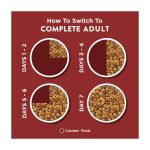
Switch puppies to adult dog food after 12 months or as recommended by your vet. Early switching can lead to nutritional deficiencies and health issues.
Conclusion
Puppies need special food to grow strong and healthy. Eating adult dog food can cause stomach upset and poor nutrition. Watch for signs like vomiting, diarrhea, or low energy. Acting fast helps keep your puppy safe and happy. Always choose food made just for puppies.
This supports their growth and prevents health problems. Taking care of your puppy’s diet is very important. Simple steps make a big difference in their well-being. Keep your puppy’s meals right, and enjoy a happy, healthy friend.