
Are you wondering if it’s time to change your adult dog’s food? Knowing when to switch can make a big difference in your dog’s health and happiness.
Feeding the right food at the right time helps keep your furry friend full of energy and feeling great. But how do you know when the current food isn’t working anymore? Keep reading to discover the signs you shouldn’t ignore and learn exactly when to make the switch for your dog’s well-being.
Your pet depends on you, and making the right choice is easier than you think.
Signs Your Dog Needs A Food Change
Recognizing the signs that your dog needs a food change helps keep them healthy. Food affects their mood, energy, and overall well-being. Watch for clear signals from your pet’s body and behavior. These signs often show that their current diet no longer meets their needs.
Changes In Appetite
A sudden loss or increase in appetite can indicate a problem. Dogs may refuse food or eat less if the food does not suit them. Sometimes, they may eat too quickly or beg for more. These behaviors suggest the need for a diet review.
Digestive Issues
Frequent vomiting, diarrhea, or constipation points to food intolerance. Gas and bloating also reveal digestive discomfort. A change in diet can help reduce these problems and improve digestion. Healthy digestion means better nutrient absorption.
Coat And Skin Health
A dull or patchy coat signals poor nutrition. Excessive itching, redness, or dry skin can also mean the food lacks essential nutrients. A balanced diet supports shiny fur and healthy skin, keeping your dog comfortable.
Energy Levels
Low energy or unusual tiredness may relate to diet quality. Dogs need the right fuel to stay active and alert. If your dog seems sluggish or less playful, consider a food change to boost vitality.
Weight Fluctuations
Unexplained weight gain or loss raises concern. It often shows the food is not right for your dog’s needs. Proper weight management depends on balanced calories and nutrients. Adjusting the diet helps maintain a healthy weight.

Credit: petheavenblogs.com
Life Stages And Dietary Needs
Understanding your dog’s life stage is key to providing the right nutrition. Each phase of life brings changes in energy levels, metabolism, and dietary needs. Adjusting your dog’s food accordingly supports their health and happiness throughout their lifetime.
Transition From Puppy To Adult Food
Puppies grow fast and need food rich in protein and calories to support their development. But once your pup hits around one year old—sometimes earlier for small breeds—it’s time to consider adult dog food. Adult formulas have balanced nutrients to maintain energy without promoting unhealthy weight gain.
Switch gradually over 7–10 days to avoid stomach upset. Mix increasing amounts of adult food with decreasing puppy food. Have you noticed your dog’s activity slowing down or their appetite changing? These signs can help you decide when to make the switch.
Senior Dog Nutrition
As dogs age, their metabolism slows, and they become less active. Senior dog food typically has fewer calories but more fiber to aid digestion. It also contains joint-supporting ingredients like glucosamine and antioxidants to help maintain mobility and immune health.
Watching your senior dog’s weight and energy levels can guide you on when to switch. If you see stiffness or difficulty moving, it might be time to consult your vet about a senior diet. Have you checked if your dog’s current food supports their aging needs?
Breed-specific Requirements
Different breeds have unique dietary needs based on size, metabolism, and health risks. Large breeds often require food with controlled calcium and phosphorus to support bone health, while small breeds benefit from nutrient-dense formulas in smaller kibble sizes.
For example, a Great Dane and a Chihuahua have very different nutritional demands. Breed-specific foods can help address these variations. Do you know if your dog’s breed has special dietary needs that could improve their wellbeing?
Health Conditions Affecting Diet
Switching your dog to adult food is more than a milestone; it’s a critical decision influenced by several health factors. While age is a primary consideration, health conditions can significantly affect your dog’s dietary needs. Understanding these conditions helps ensure your pet’s diet supports their overall health and well-being.
Allergies And Sensitivities
Does your dog often scratch or show signs of discomfort after meals? Food allergies or sensitivities might be the culprit. If you notice symptoms like itching, ear infections, or digestive issues, it may be time to switch to a hypoallergenic adult dog food. Look for ingredients like novel proteins or grain-free options that can reduce allergic reactions. Always consult your vet before making any dietary changes.
Chronic Illnesses
Chronic illnesses such as diabetes, kidney disease, or arthritis can impact your dog’s dietary needs. Specialized diets can help manage these conditions effectively. For instance, a dog with kidney issues might require a low-protein diet to reduce the strain on their kidneys. Work with your vet to choose a diet that supports your dog’s specific health requirements.
Weight Management
Is your dog carrying a few extra pounds? Obesity can lead to severe health problems, including heart disease and joint issues. Switching to a weight management dog food can help maintain a healthy weight. Look for options with high fiber content and lower calories, which can help your dog feel full while consuming fewer calories. Regular exercise, alongside a balanced diet, is also crucial for weight management.
Choosing The Right Food
Choosing the right food for your adult dog is more than just picking a brand off the shelf. It requires understanding what your dog needs to stay healthy, active, and happy. Your dog’s age, size, activity level, and any health issues should guide your choice.
Ingredients To Look For
High-quality protein should be at the top of the ingredient list. Look for named meat sources like chicken, beef, or fish rather than vague terms like “meat by-product.”
Whole grains such as brown rice or oats provide good energy and fiber. Vegetables like sweet potatoes and peas add important vitamins and minerals.
Healthy fats like omega-3 and omega-6 support skin and coat health. These often come from fish oil or flaxseed.
Avoiding Harmful Additives
Check the label for artificial colors, flavors, and preservatives. These can cause allergies or digestive problems in some dogs.
Common additives to avoid include BHA, BHT, and ethoxyquin. These chemicals have been linked to health risks in pets.
Many dogs thrive on grain-free diets, but some need grains for digestion. Watch for fillers like corn and wheat, which offer little nutritional value.
Wet Vs Dry Food Options
Dry kibble is convenient, helps clean teeth, and lasts longer once opened. It’s also usually more affordable.
Wet food contains more moisture, which can aid hydration and is often more palatable to picky eaters. It’s closer to a natural diet but can be more expensive and spoil quickly.
Some owners mix wet and dry food to balance benefits. Have you noticed your dog’s preference or any digestive changes when you switch between these types?
How To Switch Dog Food Safely
Switching your adult dog’s food requires care to avoid upsetting their stomach or causing other health issues. A sudden change can lead to digestive problems, so it’s important to make the transition as smooth as possible. Let’s break down how you can switch dog food safely to keep your furry friend happy and healthy.
Gradual Transition Plan
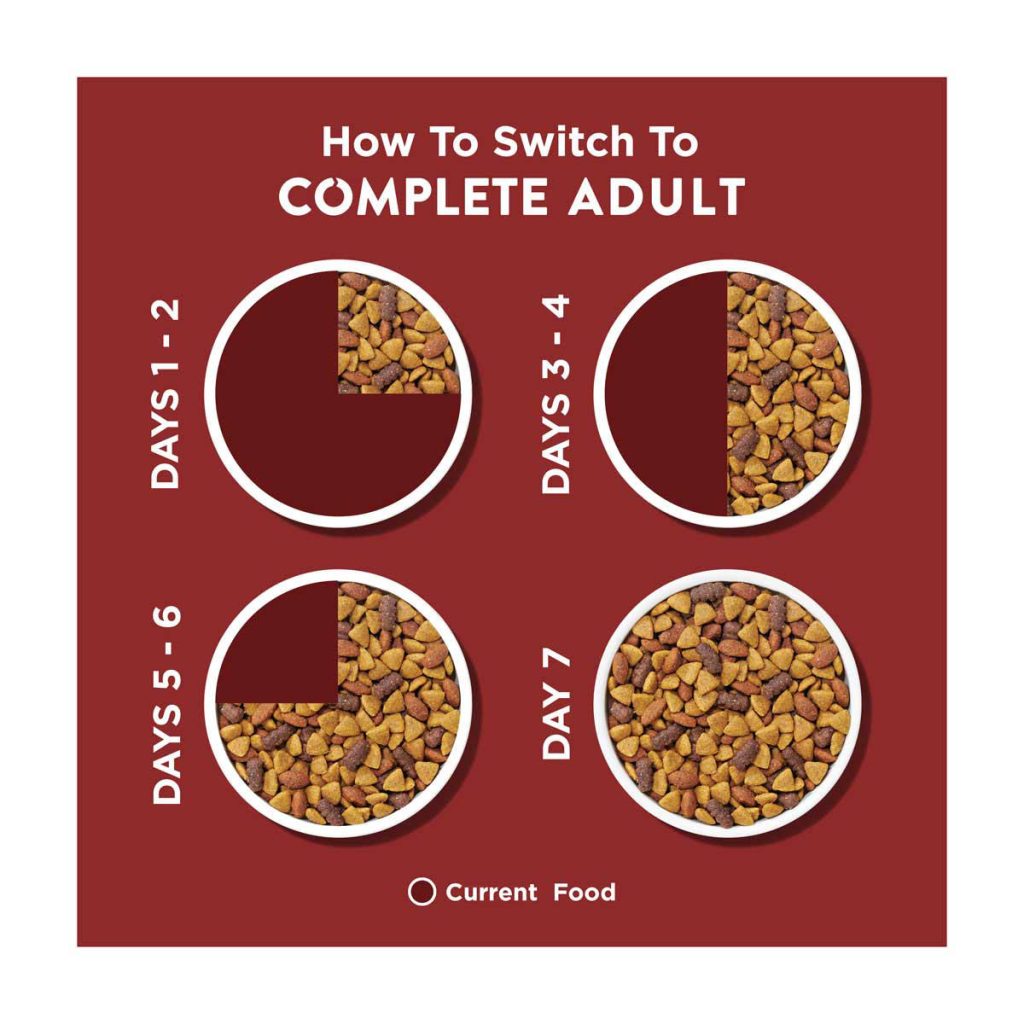
Start by mixing a small amount of the new food with your dog’s current food. Over the next 7 to 10 days, gradually increase the portion of new food while decreasing the old food.
- Day 1-3: 25% new food, 75% old food
- Day 4-6: 50% new food, 50% old food
- Day 7-9: 75% new food, 25% old food
- Day 10: 100% new food
This slow change helps your dog’s digestive system adjust without causing discomfort. Have you noticed how your dog reacts to new meals during this transition?
Monitoring Your Dog’s Reaction
Watch for any signs of digestive upset, like vomiting, diarrhea, or constipation. Changes in energy, appetite, or mood can also indicate how well your dog is adjusting.
Keep a daily log of your dog’s behavior and stool quality. This record helps you spot patterns and decide if the new food suits them.
When To Consult A Veterinarian
If your dog shows persistent digestive problems or allergic reactions like itching or swelling, stop the new food immediately. Contact your vet to discuss symptoms and get professional advice.
Your vet can recommend alternative diets or conduct tests to rule out underlying health issues. Don’t hesitate to seek help—your dog’s wellbeing depends on it.
Credit: www.purina.com
Expert Tips For A Smooth Transition
Switching your adult dog’s food can be tricky if not done carefully. Sudden changes might upset their stomach or cause them to reject the new diet. To help your dog adapt smoothly, you need a plan that respects their routine, preferences, and nutritional needs.
Maintaining Consistent Feeding Schedule
Your dog thrives on routine, so keep feeding times consistent even during the switch. Feeding at the same times daily helps reduce anxiety and digestive issues. Stick to their usual spot and feeding method to provide a familiar environment.
If you usually feed twice a day, don’t suddenly change to free feeding or vice versa. This stability supports digestion and keeps your dog comfortable throughout the transition.
Incorporating Supplements
Supplements can ease the changeover by supporting digestion and nutrient absorption. Adding probiotics or digestive enzymes to the new food can prevent stomach upset. Consult your vet before adding supplements to ensure they suit your dog’s needs.
Some dogs benefit from omega-3 fatty acids during diet changes to help with inflammation and coat health. Have you noticed how small additions can make a big difference in how your dog accepts new food?
Addressing Picky Eaters
Picky eaters often resist change, but patience and creativity help. Try mixing a small amount of the new food with the old one, gradually increasing the new food over 7–10 days. This gradual shift reduces the shock to their palate.
If your dog still refuses, warm the food slightly or add a bit of low-sodium broth to enhance aroma and appeal. Have you ever found a surprising trick that got your dog excited about new food? Share your experience and learn from others.
Credit: askavet.com
Frequently Asked Questions
When Is The Right Age To Switch Adult Dog Food?
Most dogs should switch to adult food around 12 months old. Large breeds may need to wait until 18-24 months. Age depends on breed size and growth rate.
How To Tell If My Dog Needs New Food?
Signs include weight changes, dull coat, digestive issues, or low energy. Consult a vet if your dog shows these before switching food.
Can Switching Dog Food Affect My Pet’s Health?
Yes, sudden changes can cause stomach upset. Gradually mix new food over 7-10 days to avoid digestive problems.
What Factors Determine The Best Adult Dog Food?
Consider your dog’s age, breed size, activity level, and health needs. Quality ingredients and balanced nutrition are essential for optimal health.
Conclusion
Choosing the right time to switch your adult dog’s food helps keep them healthy. Watch for signs like changes in weight, energy, or digestion. Always change food slowly to avoid stomach upset. Talk to your vet for advice that fits your dog’s needs.
Remember, good nutrition supports a happy, active life. Pay attention to your dog’s body and behavior. They will tell you when it’s time for a new food. Care and patience make the switch easier for both of you.