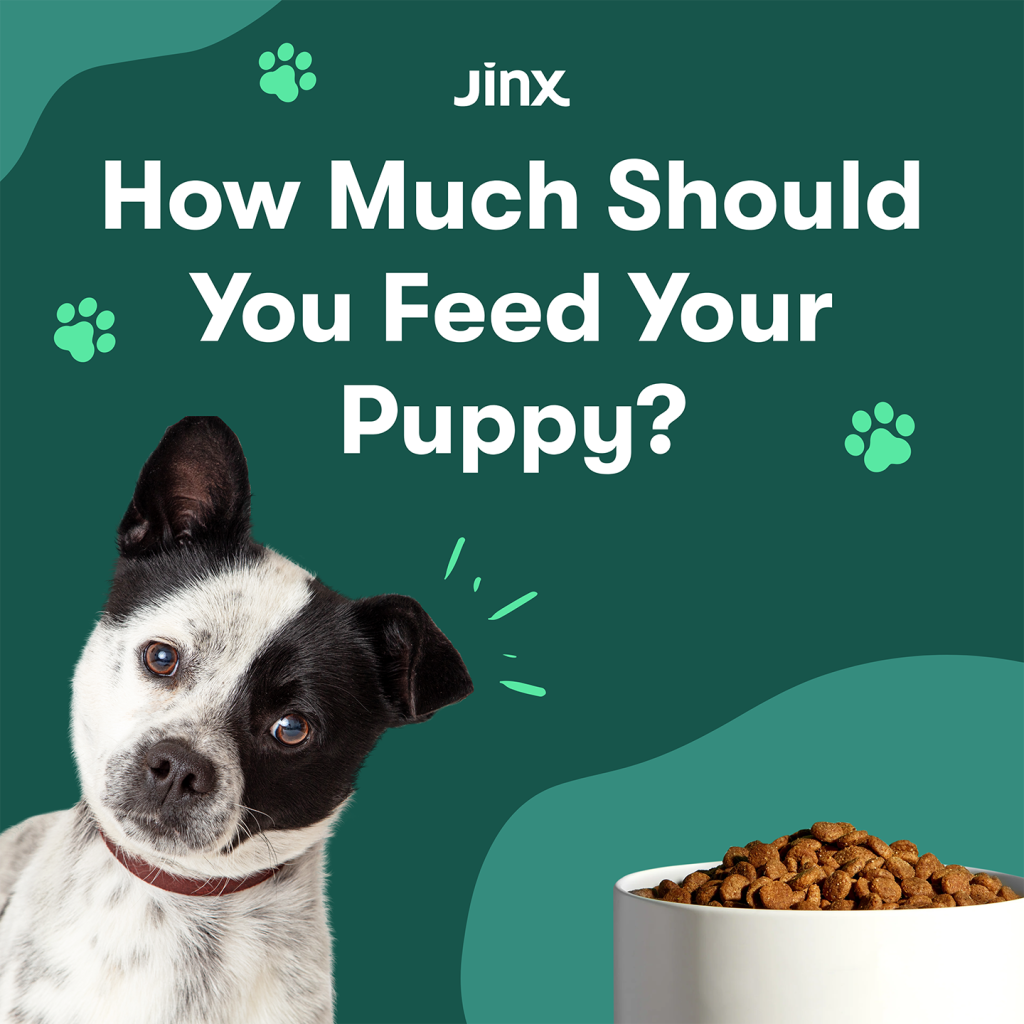

Are you wondering when the right time is to switch your puppy to adult dog food? You want to make sure your furry friend gets the best nutrition at every stage of life.
Changing their diet too early or too late can affect their growth and health. You’ll discover clear signs and expert tips to help you make the switch with confidence. Keep reading to learn exactly when and how to give your puppy the food they need to thrive as an adult dog.
Signs Puppy Is Ready
Knowing when your puppy is ready to switch to adult dog food is important for their health. Puppies grow fast and their needs change quickly. Watch for clear signs that show your puppy is ready for the switch. These signs often include changes in growth, behavior, and nutrition requirements. Recognizing these signs helps you feed your dog the right food at the right time.
Growth Milestones
Puppies grow rapidly in their first months. Most puppies start to slow their growth around 9 to 12 months old. Large breeds may take longer, up to 18 months. When your puppy stops growing quickly, it is a sign they may be ready for adult food. You may notice their body looks more filled out and less like a small puppy. Check their weight and size regularly to track growth.
Behavior Changes
Behavior changes can also signal readiness for adult food. Puppies become less hyperactive and more calm as they mature. They may start to eat less frequently but larger amounts. Your puppy might show less chewing on toys and fewer bursts of energy. These changes mean their energy needs shift, matching adult dog patterns better.
Nutritional Needs
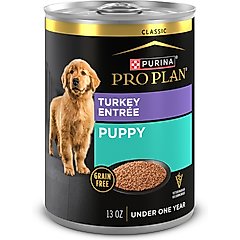
Puppy food has extra nutrients for growth. Adult dog food has balanced nutrients for maintenance. When your puppy reaches adult size and slows growth, they need fewer calories and less protein. Their bones and muscles become stronger, so adult food supports this stage better. Switching too late can cause weight gain. Switching too early can slow growth. Watch your puppy’s health and adjust food accordingly.
Credit: www.chewy.com
Age Guidelines
Knowing the right time to switch your puppy to adult dog food depends largely on their breed and growth rate. Age guidelines offer a clear framework to help you make this decision confidently. Understanding these timelines can prevent nutritional gaps and support your dog’s health as they mature.
Small Breeds
Small breed dogs usually reach adulthood faster than larger breeds. You can typically switch to adult food between 9 and 12 months of age. Their rapid growth means they need nutrient-dense puppy food for a shorter period.
If your small breed puppy seems fully grown by 10 months, it’s a good sign they’re ready for adult food. Watch their energy levels and coat condition—if they remain healthy and active, the transition can begin.
Medium Breeds
Medium breeds mature a bit slower, generally ready for adult food around 12 to 14 months. They require a balanced diet that supports steady growth without excess calories that could cause weight gain.
Have you noticed your medium breed puppy slowing down in growth or filling out more? These are clues they might benefit from the switch. Keeping an eye on their size and weight helps you time the change effectively.
Large Breeds
Large breed dogs take the longest to mature, often not ready for adult food until 15 to 24 months. Their extended growth phase needs carefully controlled nutrition to avoid bone and joint problems.
Switching too early can stunt growth, while switching too late may lead to excessive calorie intake. If your large breed puppy still looks lanky or awkward at 14 months, hold off on adult food a bit longer. How does your pup’s activity level and size compare to breed standards? That can guide your timing.
Choosing Adult Dog Food
Puppies usually switch to adult dog food around one year old, but size and breed may affect timing. Watch for changes in energy and growth to decide the best moment. Gradual transition helps avoid stomach upset and keeps your dog healthy.
Choosing the right adult dog food is vital for your dog’s health. Transitioning your puppy to adult food requires careful consideration of nutritional needs. Adult dogs have different dietary requirements compared to puppies.Key Ingredients
Look for high-quality protein sources like chicken or beef. Proteins help maintain muscle mass. Ensure the food contains healthy fats for energy. Omega-3 and Omega-6 fatty acids are essential. Carbohydrates provide energy, so include whole grains or vegetables. Vitamins and minerals support overall health. Calcium and phosphorus are important for bone health.Calorie Considerations
Adult dogs need fewer calories than puppies. Check the calorie content on the packaging. Adjust portion sizes based on your dog’s activity level. Overfeeding can lead to obesity. Underfeeding can cause nutrient deficiencies. Monitor your dog’s weight regularly. Maintain a healthy weight for optimal health.Avoiding Common Additives
Choose dog food without artificial preservatives. These can affect your dog’s health. Avoid foods with artificial colors or flavors. Check for natural preservatives like vitamin E. Limit foods with high sugar content. Sugar can lead to weight gain. Read labels carefully for hidden additives. Aim for a balanced, natural diet.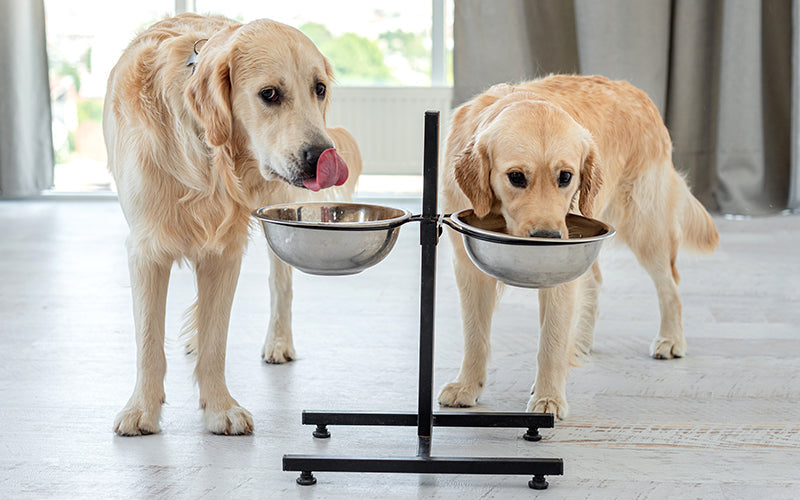
Credit: blepworld.com
Transitioning Process
Switching your puppy to adult dog food needs care and attention. The transitioning process helps your dog adjust smoothly to the new diet. A sudden change can upset their stomach or cause refusal to eat. Follow simple steps to make the switch comfortable and safe for your growing dog.
Gradual Food Mixing
Start by mixing a small amount of adult food with puppy food. Increase adult food and decrease puppy food over 7 to 10 days. This slow change helps your dog’s digestive system adapt. Mixing food also keeps meals familiar, reducing stress during the transition.
Monitoring Digestive Health
Watch for signs of digestive upset like diarrhea or vomiting. Check if your dog has normal bowel movements and no signs of discomfort. Keep an eye on energy levels and appetite. If any problems appear, slow down the transition or consult your vet.
Adjusting Portions
Adult dog food has different calories than puppy food. Adjust portions to meet your dog’s size and activity level. Overfeeding causes weight gain, while underfeeding leads to poor growth. Follow the feeding guidelines on the food package and observe your dog’s weight regularly.
Health Benefits Of Switching
Switching your puppy to adult dog food is more than just a change in diet—it can bring significant health benefits that support your dog’s growth and well-being. Making this switch at the right time helps your dog maintain a balanced weight, improves digestion, and boosts immunity. Understanding these benefits can guide you to make a choice that fits your dog’s unique needs.
Weight Management
Adult dog food is specially formulated to meet the energy needs of mature dogs, which are different from those of puppies. If your dog continues eating puppy food for too long, it might gain excess weight because puppy food is richer in calories. Proper weight management lowers the risk of joint problems and heart disease, helping your dog stay active and happy.
Have you noticed your dog gaining weight without a clear cause? This might be a sign it’s time to switch food.
Improved Digestion
Your puppy’s digestive system is still developing, and puppy food supports this growth with easy-to-digest ingredients. As your dog matures, adult dog food provides the right balance of fiber and nutrients to promote healthy digestion. This can reduce issues like upset stomach, diarrhea, or constipation.
When you switch, introduce the new food gradually to avoid digestive upset. Watch for changes in stool quality as a sign your dog’s digestion is adjusting well.
Stronger Immunity
Adult dog food often contains nutrients like antioxidants, vitamins, and minerals that help strengthen the immune system. A strong immune system helps your dog fight off infections and recover faster from illnesses. This is especially important as your dog faces new environments and potential health challenges.
Have you ever wondered if your dog’s food helps protect them from common illnesses? Choosing the right adult food can make a real difference in their immune defense.
When To Consult A Vet
Knowing when to consult a vet about switching your puppy to adult dog food is essential. While many dogs transition smoothly, some need professional advice to avoid health issues. Your vet can guide you based on your puppy’s unique needs, ensuring a safe and healthy change.
Signs Of Allergies
If your puppy shows symptoms like itching, redness, or frequent ear infections, it might be reacting to its current food. Allergies can also cause digestive problems such as vomiting or diarrhea. Consulting your vet can help identify the cause and choose an adult food that won’t trigger these reactions.
Growth Concerns
Noticing that your puppy isn’t growing as expected or seems unusually tired could be a sign of nutritional imbalance. Puppies grow at different rates, and some breeds need special attention. Your vet can assess if your puppy is ready for adult food or if adjustments are needed to support healthy development.
Special Dietary Needs
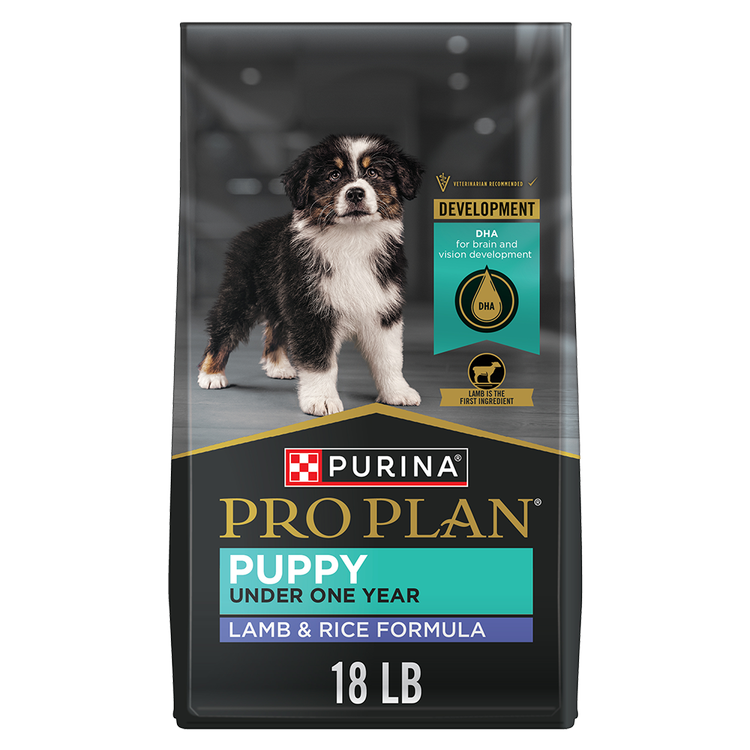
Some puppies have conditions like food sensitivities, weight issues, or medical diagnoses that require a specific diet. If your pup falls into this category, a vet’s advice is crucial before making any food changes. They can recommend formulas tailored to your dog’s health, helping you avoid complications.
Credit: www.purina.com
Frequently Asked Questions
When Is The Right Time To Switch Puppy To Adult Food?
Most puppies transition to adult dog food between 9 to 12 months. Small breeds may switch earlier, around 9 months. Large breeds often wait until 12 to 18 months due to slower growth rates. Consult your vet for breed-specific advice.
Why Switch From Puppy To Adult Dog Food?
Adult dog food meets different nutritional needs than puppy food. It contains fewer calories and less fat to prevent obesity. Switching supports healthy metabolism and weight maintenance in mature dogs. It also helps avoid excess nutrient intake.
How To Transition Puppy To Adult Dog Food Safely?
Gradually mix adult food with puppy food over 7 to 10 days. Increase adult food portion slowly while decreasing puppy food. This eases digestion and prevents stomach upset. Monitor your dog’s reaction during transition.
What Signs Show My Puppy Is Ready For Adult Food?
Signs include slowed growth, reduced energy needs, and dental maturity. Your vet may also recommend switching based on age and size. A healthy weight and normal stool are good indicators of readiness.
Conclusion
Switching your puppy to adult dog food needs careful timing. Puppies grow fast and their food must meet their needs. Usually, this change happens around one year old. Watch your dog’s size and energy for signs. Changing too early or late can cause problems.
Choose a good adult dog food for health and vitality. Always introduce new food slowly over several days. This helps avoid stomach upset and keeps your dog happy. Keep your vet informed about diet changes. Your dog’s health depends on the right food at the right time.