

Are you wondering if a grain-free diet is the best choice for your dog? With so many options out there, it’s easy to feel confused about what will truly keep your furry friend healthy and happy.
You want to make the right decision, but how do you know if cutting out grains is actually beneficial or just another trend? Keep reading to discover the facts that can help you choose the best food for your dog’s well-being.
Your dog’s health could depend on it.
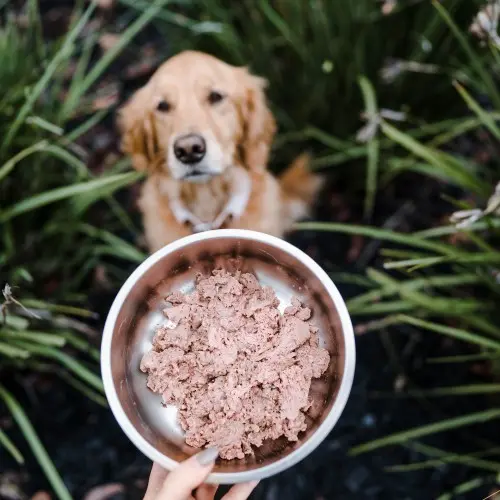
Credit: wefeedraw.com
Grain-free Diet Basics
Grain-free diets for dogs have gained attention in recent years. These diets exclude common grains to address health concerns and dietary preferences. Understanding the basics helps pet owners make informed choices for their dogs.
What Are Grain-free Diets
Grain-free diets do not contain wheat, corn, rice, or barley. Instead, they focus on other sources of carbohydrates and nutrients. These diets aim to reduce allergens and improve digestion for some dogs.
Common Ingredients Replaced
Grains are often replaced by:
- Pulses like peas and lentils
- Potatoes and sweet potatoes
- Other vegetables and legumes
These ingredients provide energy and fiber without grains.
Popularity Among Dog Owners
Many dog owners choose grain-free diets to help dogs with allergies. Some believe these diets are more natural or healthier. Sales of grain-free dog foods have grown steadily over the past decade.

Credit: pero-online.co.uk
Benefits Of Grain-free Diets
Grain-free diets have gained popularity among dog owners looking for alternatives to traditional pet foods. These diets remove grains like wheat, corn, and rice, focusing instead on proteins and vegetables. Many dog owners report noticeable health improvements, but what exactly makes grain-free diets beneficial for your furry friend?
Allergy And Sensitivity Relief
Many dogs suffer from allergies or food sensitivities linked to grains. Removing grains can reduce itching, skin irritation, and ear infections. If your dog frequently scratches or has red, inflamed skin, a grain-free diet might ease these symptoms.
Switching to grain-free food helped my dog, Max, who struggled with constant itching. Within weeks, his skin looked healthier and he seemed more comfortable. Could your dog be reacting to grains without you realizing it?
Improved Digestion
Grains can be hard for some dogs to digest, causing gas, diarrhea, or bloating. Grain-free diets often include more digestible carbohydrates, like sweet potatoes or peas. This can lead to better nutrient absorption and a happier tummy.
Notice if your dog has less stomach upset or firmer stools after changing to grain-free food. These signs often indicate improved digestion and gut health. Have you observed any digestive issues that grain-free food might solve?
Weight Management
Grain-free diets can help maintain a healthy weight by focusing on higher protein and lower carbohydrate content. This keeps your dog feeling full and energized without unnecessary calories. Proper weight management reduces the risk of joint problems and other health issues.
If your dog is overweight, switching to grain-free food combined with regular exercise might make a difference. Watch for gradual weight loss and increased activity. What steps are you taking to keep your dog fit and healthy?
Potential Risks And Concerns
Grain-free diets for dogs have gained popularity in recent years, often touted as a healthier option for our furry friends. However, as with any dietary change, it’s crucial to consider the potential risks and concerns. Before you switch your dog’s diet, let’s explore some important factors that might make you think twice.
Nutritional Deficiencies
Grain-free diets often replace grains with alternative carbohydrates like potatoes or legumes. While this might sound beneficial, it can lead to imbalances in essential nutrients. For instance, grains are a good source of fiber and certain vitamins that are not always adequately replaced in grain-free formulas.
Imagine your dog missing out on vital nutrients simply due to a diet trend. You want the best for your pet, and ensuring a balanced diet is a critical part of that commitment. Always read the ingredient labels and consult with a vet to avoid any nutritional pitfalls.
Link To Heart Disease
Recent studies have raised concerns about a potential link between grain-free diets and heart disease, specifically dilated cardiomyopathy (DCM) in dogs. This alarming connection has prompted the FDA to investigate further.
Consider how daunting it is to learn that a well-intentioned dietary choice might harm your dog’s heart. Are you willing to take that risk without sufficient evidence? Keep informed and discuss any dietary changes with your veterinarian.
Cost And Accessibility
Grain-free dog foods tend to be more expensive than their grain-inclusive counterparts. The cost can quickly add up, especially if you have a large breed or multiple dogs.
Moreover, these specialty foods might not be readily available in all areas, complicating your purchasing decisions. Is the added expense and effort worth it for a trend that might not provide the benefits you expect?
Ultimately, the best diet for your dog is one that meets their specific needs, considering health, lifestyle, and budget. Always prioritize informed choices over popular trends to ensure your dog’s well-being.
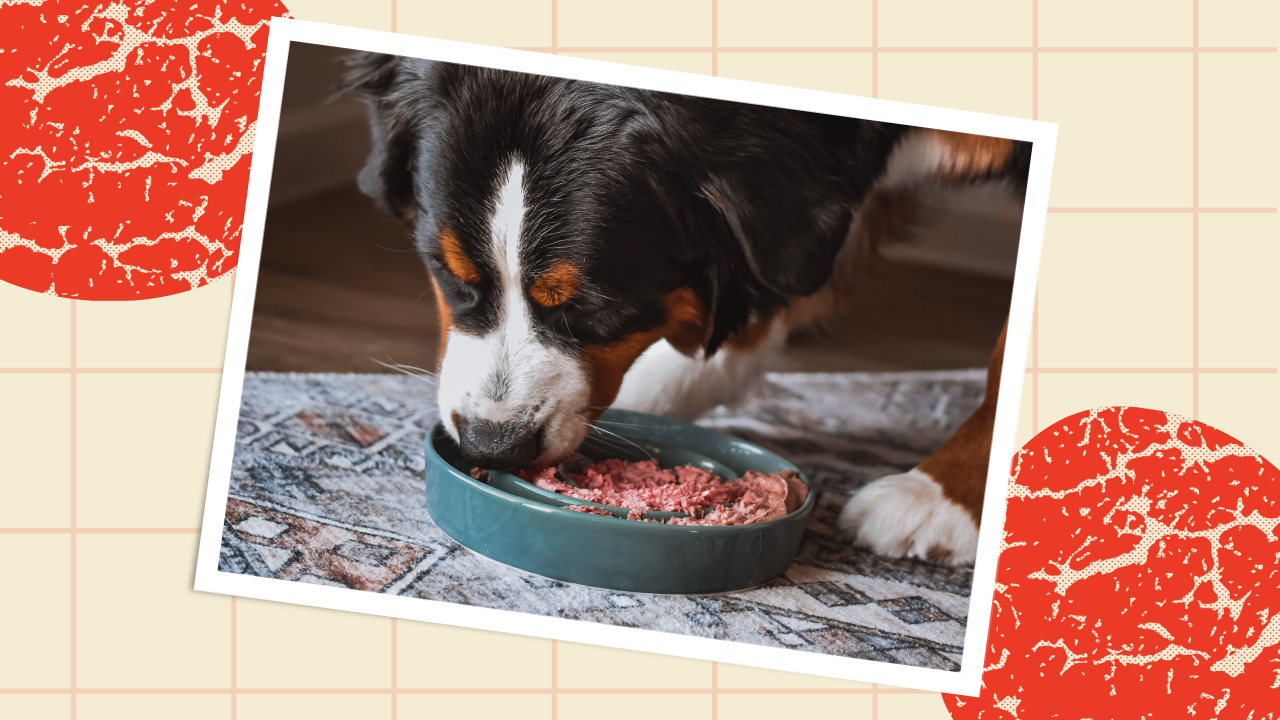
Credit: wefeedraw.com
When To Choose Grain-free
Choosing a grain-free diet for your dog is not always straightforward. It depends on several factors unique to your pet’s health and lifestyle. Understanding when to consider grain-free options can help you make the best decision for your furry friend.
Diagnosed Food Allergies
If your dog has been diagnosed with food allergies, a grain-free diet might be worth trying. Some dogs react badly to grains like wheat, corn, or soy, causing skin irritation or digestive issues.
Switching to grain-free food can sometimes reduce allergic reactions and improve your dog’s comfort. However, always confirm the allergy with a vet before changing the diet.
Veterinary Recommendations
Your vet is the best guide when it comes to diet changes. They can run tests and suggest if a grain-free diet is necessary based on your dog’s health.
Veterinarians often recommend grain-free diets for dogs with specific conditions like chronic ear infections or inflammatory bowel disease. Following their advice ensures you’re not making changes based on trends but on real health needs.
Individual Dog Needs
Every dog is different. Some dogs thrive on grain-free diets even without allergies, while others do just fine with grains.
Pay attention to how your dog reacts to food. Look for signs like energy levels, coat condition, and stool quality.
Ask yourself: is your dog healthier and happier on grain-free food? If yes, it might be the right choice, but if not, grains might not be the problem.
Alternatives To Grain-free Diets
Choosing the right diet for dogs involves exploring various options beyond grain-free foods. Alternatives can meet your dog’s nutritional needs without relying on grain elimination. These options focus on reducing allergens and maintaining balanced nutrition. They support overall health while considering sensitivities and dietary preferences.
Limited Ingredient Diets
Limited ingredient diets reduce the number of components in dog food. They focus on a few simple ingredients to minimize allergic reactions. These diets often use novel protein sources like duck or venison. They help identify specific food sensitivities in dogs. Limited ingredient diets provide clear nutrition without unnecessary fillers.
Hypoallergenic Options
Hypoallergenic dog foods are designed for sensitive stomachs and allergies. They contain hydrolyzed proteins or novel ingredients. Hydrolyzed proteins are broken down to reduce immune reactions. These diets can improve skin health and reduce itching. Hypoallergenic options support dogs with diagnosed food allergies or intolerances.
Balanced Grain-inclusive Foods
Balanced grain-inclusive foods provide essential nutrients from grains and other sources. Whole grains like brown rice and oats supply fiber and energy. These diets support digestion and heart health. Grain-inclusive foods avoid unnecessary restrictions and maintain nutrient balance. They are suitable for most dogs without specific grain allergies.
Tips For Switching Diets Safely
Switching your dog’s diet requires care and attention. A sudden change can upset their stomach or cause other health issues. Taking the right steps helps your dog adjust smoothly and keeps them happy and healthy.
Gradual Transition Process
Start by mixing a small amount of the new food with your dog’s current diet. Over the next 7 to 10 days, slowly increase the new food portion while decreasing the old. This slow change helps your dog’s digestive system adapt without discomfort.
If your dog shows signs of upset stomach, like vomiting or diarrhea, slow down the transition. You might extend the process to two weeks or more. Have patience—rushing can cause more harm than good.
Monitoring Health Changes
Watch your dog closely during the switch. Look for changes in energy, coat condition, and bathroom habits. These clues tell you how well the new diet suits them.
Keep a simple journal to track daily changes. Note anything unusual, such as itching, lethargy, or changes in appetite. This record helps you spot patterns and decide if the new diet is working.
Consulting Your Veterinarian
Before making any major diet changes, talk to your vet. They know your dog’s health history and can guide you on the best food choices. Your vet may also recommend tests to rule out allergies or sensitivities.
Don’t hesitate to ask questions about grain-free diets and whether they suit your dog’s specific needs. Getting professional advice reduces guesswork and ensures your dog’s wellbeing.
Myths Vs Facts About Grain-free
Grain-free diets for dogs have sparked many debates, with plenty of myths clouding the truth. It’s easy to get confused by all the claims, especially when some say grains are harmful while others argue they’re essential. Let’s clear up the fog by separating what’s real from what’s just noise.
Common Misconceptions
Many believe grain-free means healthier or even necessary for all dogs. That’s not always true. Some owners think grains cause allergies in their pets, but true grain allergies are quite rare compared to protein allergies.
Another myth is that grain-free diets automatically boost energy or improve digestion. While some dogs might benefit from avoiding certain grains, it’s not a universal rule. Your dog’s unique health needs matter more than broad claims.
Scientific Evidence
Research shows no clear link between grains and common dog health problems. In fact, grains provide important nutrients like fiber, vitamins, and minerals. Removing grains without proper substitutes can lead to nutritional gaps.
There’s also concern about grain-free diets and heart issues in dogs, but studies are ongoing. The FDA has looked into this but hasn’t confirmed grains as the culprit. It’s a reminder to choose diets based on balanced nutrition rather than trends.
Expert Opinions
Veterinarians often recommend assessing your dog’s health before switching diets. Many advise that unless your dog has a diagnosed grain allergy, grains can be part of a healthy diet. They stress the importance of high-quality ingredients over the grain-free label.
If you’re considering a grain-free diet, talk to your vet about your dog’s specific needs. They can help you find a diet that supports your pet’s health without unnecessary restrictions. What do you think is more important—labels or real, balanced nutrition?
Frequently Asked Questions
What Are The Benefits Of Grain-free Diets For Dogs?
Grain-free diets may help dogs with allergies or sensitivities. They often improve digestion and reduce skin issues. However, benefits vary by dog and should be discussed with a vet.
Are Grain-free Diets Safe For All Dog Breeds?
Grain-free diets are not suitable for all breeds. Some dogs need grains for balanced nutrition. Always consult your vet before changing your dog’s diet.
Can Grain-free Diets Cause Health Problems In Dogs?
Some studies link grain-free diets to heart issues in dogs. Taurine deficiency and dilated cardiomyopathy have been noted. Vet guidance is essential before switching diets.
How To Choose The Right Dog Food: Grain-free Or Not?
Consider your dog’s health, breed, and allergies. Consult a vet to evaluate nutritional needs. Choose high-quality food with balanced ingredients for optimal health.
Conclusion
Grain-free diets may help some dogs with allergies or sensitivities. Not all dogs need grain-free food to stay healthy. Talk to your vet before changing your dog’s diet. Balanced nutrition is key for your pet’s well-being. Watch how your dog reacts to new food.
Every dog is unique, and what works varies. Choose the diet that fits your dog’s needs best. Keep your dog happy and healthy with smart choices.