
Is your dog barking, lunging, or growling every time you go for a walk? It’s frustrating, and you might feel like you’re losing control.
But the good news is you can change this behavior. Learning how to train your dog to not be reactive will make walks calmer and more enjoyable for both of you. You’ll discover simple, effective steps that anyone can follow to help your dog stay relaxed and focused.
Keep reading, and you’ll soon see your dog transform into a calmer, happier companion.

Credit: smart.dhgate.com
Recognizing Dog Reactivity
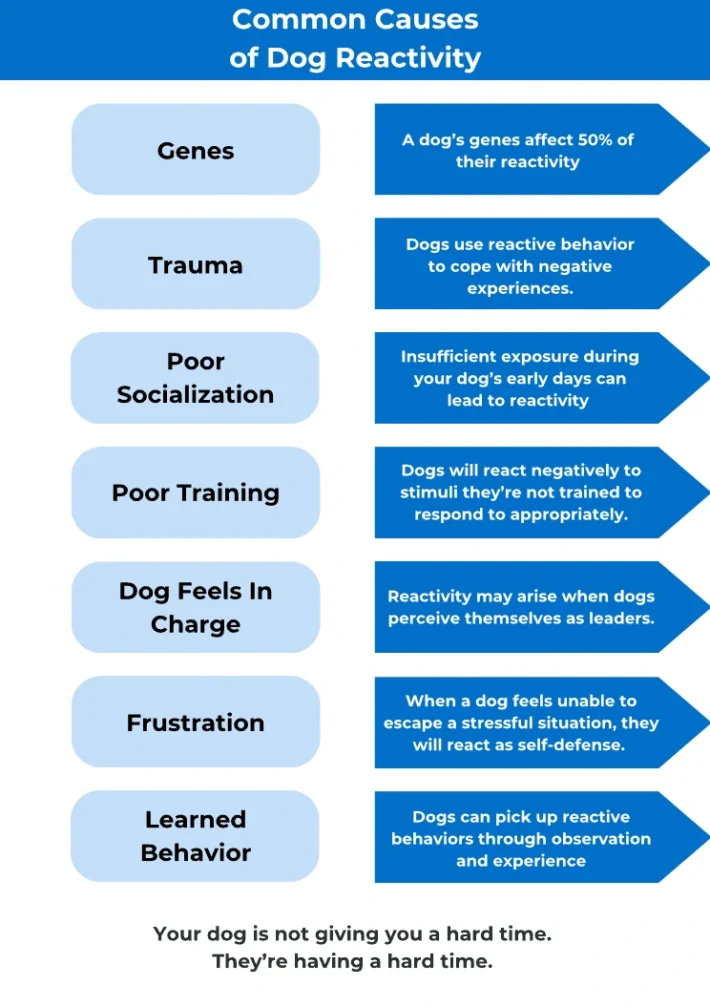
Understanding your dog’s reactivity is the first step toward helping them stay calm and focused. Reactivity isn’t just barking or lunging—it’s a specific type of response to certain stimuli that can escalate quickly. Recognizing these signs early can change how you approach training and improve your dog’s behavior dramatically.
Common Signs Of Reactivity
Reactive dogs often show behaviors that seem sudden or intense. You might notice:
- Barking or growlingwhen they see other dogs or people
- Lungingat the leash or trying to get closer to the trigger
- Stiff body postureor raised hackles
- Excessive whining or yelpingin stressful situations
- Intense staringor fixating on something specific
If your dog reacts this way often, it’s not just excitement or fear—it’s reactivity. Have you noticed your dog’s body language change before a reaction? That’s a clue to intervene early.
Triggers That Cause Reactivity
Every reactive dog has specific triggers that set off their response. Common triggers include:
- Other dogs, especially when passing closely on walks
- Strangers or unfamiliar people approaching
- Loud noises like sirens, fireworks, or construction
- Fast-moving objects such as bicycles or skateboards
- Certain environments, like crowded parks or busy streets
Knowing what triggers your dog helps you manage situations better. Have you ever noticed your dog’s reaction is worse in some places than others? That’s a key insight for planning your training and walks.
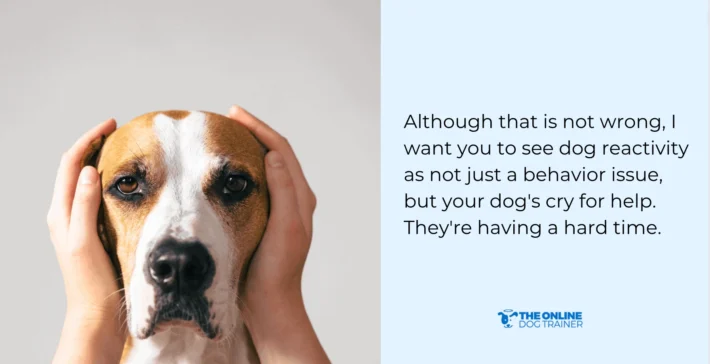
Credit: theonlinedogtrainer.com
Creating A Calm Environment
Creating a calm environment is key to helping your dog stay relaxed and less reactive. Dogs pick up on energy around them, so the space you choose and how you control distractions can make a huge difference. Think about how your own mood shifts in a noisy room versus a quiet one—dogs feel the same way.
Choosing The Right Setting
Pick a quiet, familiar spot to start training. Avoid busy parks or crowded streets where too many triggers can overwhelm your dog.
Start indoors or in a backyard where you control the surroundings. This helps your dog focus and feel safe while learning new behaviors.
Have you noticed how your dog behaves differently at home compared to outside? Use that to your advantage by starting training in the calmest place available.
Minimizing Stressful Stimuli
Remove or reduce anything that might cause anxiety or excitement for your dog during training sessions.
- Turn off loud TVs or music.
- Keep other pets in a separate room.
- Limit visitors or unexpected noises.
Sometimes, even subtle things like a flashing light or a strong smell can trigger your dog. Pay attention to what seems to unsettle your dog and adjust your environment accordingly.
Have you tried observing your dog’s reactions closely to identify hidden stressors? Small changes can lead to big improvements in behavior.
Basic Training Techniques
Teaching calm behavior helps reduce your dog’s reactivity around triggers. Use rewards to encourage focus and gentle responses during training sessions. Consistent practice with patience creates lasting positive habits in your dog.
Training your dog to not be reactive can be challenging. But with patience and the right techniques, it’s achievable. Basic training techniques lay the foundation for your dog’s behavior. These methods focus on building a trusting relationship and clear communication. Let’s explore some essential strategies.Positive Reinforcement
Positive reinforcement is a powerful tool in dog training. Reward your dog with treats or praise for good behavior. This creates a positive association with the desired action. Use small, tasty treats that your dog loves. Consistency is key. Reward immediately to make the connection clear. Positive reinforcement encourages your dog to repeat good behavior.Using Commands Effectively
Commands are essential for guiding your dog’s behavior. Start with basic commands like “sit,” “stay,” and “leave it.” Use a calm, firm voice. Keep commands short and simple. Practice regularly in different settings. Consistency helps your dog understand expectations. Reinforce commands with treats or praise. Over time, your dog will respond more reliably.Desensitization And Counter-conditioning
Desensitization and counter-conditioning help change your dog’s emotional response to triggers. These methods reduce fear and aggression by teaching calmness. The process takes time and patience but leads to lasting results.
Gradual Exposure To Triggers
Start by exposing your dog to the trigger at a low intensity. Keep the trigger far enough that your dog stays calm. Slowly decrease the distance or increase the trigger intensity over several sessions.
Use short, frequent sessions for better progress. Watch your dog’s body language closely. Stop if your dog shows signs of stress. The goal is to keep your dog relaxed during exposure.
Replacing Negative Reactions
Pair the trigger with positive experiences like treats or play. This helps your dog link the trigger with good things. Over time, your dog will react less negatively.
Use high-value rewards that your dog loves. Give the reward immediately when the trigger appears. This teaches your dog to expect something good instead of feeling scared or angry.
Managing Energy And Exercise
Managing your dog’s energy is a key part of reducing reactivity. A dog with excess energy often reacts more intensely to triggers. Giving your dog the right amount of physical and mental exercise can calm their mind and body, making training easier and more effective.
Daily Physical Activity
Regular walks are essential but think beyond just strolling around the block. Try brisk walks or runs if your dog is healthy and able. This helps burn off excess energy and keeps your dog physically fit.
Adding variety can make exercise more engaging. Activities like fetch, swimming, or agility courses challenge your dog’s body in different ways. Have you noticed how your dog’s behavior changes after a good workout? Most dogs become noticeably calmer and more relaxed.
Consistency matters. Aim for at least 30-60 minutes of physical activity every day. Split this into multiple sessions if needed. You’ll find that a tired dog is less likely to overreact to noises, people, or other dogs.
Mental Stimulation Games
Physical tiredness alone is not enough. Your dog’s brain needs exercise too. Mental stimulation games can tire your dog out in a different, but equally important, way.
Try puzzle toys where your dog has to solve a problem to get a treat. Hide treats around the house or yard for a fun scavenger hunt. These games keep your dog focused and calm.
- Teach new commands or tricks to challenge your dog’s thinking.
- Use interactive toys that require problem-solving skills.
- Rotate toys regularly to keep your dog interested and curious.
Have you ever seen how your dog’s energy shifts after a good brain workout? They often become more relaxed and less reactive. Mental exercise helps your dog handle stress better and stay balanced.
Using Calming Tools And Aids
Using calming tools and aids can make a big difference in managing your dog’s reactivity. These tools don’t replace training but support it by helping your dog feel more relaxed in stressful situations. When your dog stays calm, training becomes easier and progress faster.
Calming Collars And Wraps
Calming collars release soothing scents or pheromones that help reduce anxiety in dogs. They work subtly by mimicking natural chemicals dogs produce when they feel safe.
Wraps, like the popular ThunderShirt, apply gentle pressure, which can comfort dogs during stressful moments. Many owners notice less barking and more relaxed body language when their dogs wear these wraps.
Have you tried these on your dog? Watching their behavior change with these tools might surprise you. They often work best when combined with positive reinforcement during training sessions.
Aromatherapy And Supplements
Aromatherapy uses essential oils to calm your dog’s nerves. Lavender and chamomile are common choices that many dogs respond well to. Use diffusers or sprays designed specifically for pets to avoid overwhelming their sensitive noses.
Supplements like CBD oil, L-theanine, or fish oil can also help reduce reactivity. These supplements support brain function and calm anxiety, but it’s important to choose products made for dogs and consult your vet before starting.
Think about how your dog behaves on stressful walks or vet visits. Could these aids create a more peaceful experience for them? Experiment carefully and track any improvements to find what suits your dog best.
When To Seek Professional Help
Knowing when to seek professional help is important for your dog’s safety and your peace of mind. Reactivity can sometimes be too strong or complex to manage alone. Experts can offer guidance tailored to your dog’s needs. Early intervention often leads to better results and less stress for both of you.
Finding A Qualified Trainer
Look for trainers with experience in reactive dogs. They should use positive reinforcement methods. Avoid trainers who rely on punishment or fear. Certified trainers often have credentials from respected organizations. Ask about their success with similar cases. A good trainer will create a clear, step-by-step plan for your dog.
Veterinary Behaviorists
Veterinary behaviorists are doctors specialized in animal behavior. They can diagnose medical causes for reactivity. Sometimes, medication helps alongside training. Behaviorists can design treatment plans that combine health and behavior care. Their expertise is crucial when reactivity is severe or linked to anxiety. Consult a behaviorist if your dog shows extreme fear or aggression.
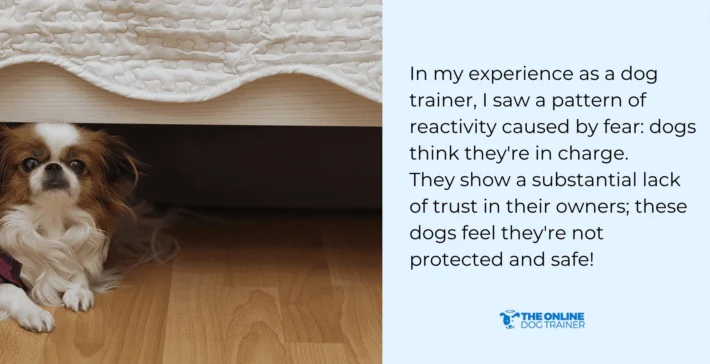
Credit: theonlinedogtrainer.com
Frequently Asked Questions
What Causes Dog Reactivity And How To Identify It?
Dog reactivity stems from fear, frustration, or lack of socialization. It shows as barking, lunging, or growling. Identifying triggers like other dogs or loud noises helps tailor training to reduce reactivity effectively.
How Can I Train My Dog To Stay Calm Around Triggers?
Use positive reinforcement with treats and praise when your dog stays calm. Gradually expose your dog to triggers at a distance. Consistent, patient training helps your dog learn to remain relaxed in stressful situations.
What Are The Best Tools To Manage Dog Reactivity?
Tools like head halters, front-clip harnesses, and long leashes provide control and safety. These tools help guide your dog gently during training, preventing pulling and allowing better focus on commands.
How Long Does It Take To Stop A Dog’s Reactivity?
Training duration varies by dog and severity. Some improve in weeks, others need months. Consistency, patience, and proper techniques are key to long-term success in reducing reactivity.
Conclusion
Training your dog to stay calm takes time and patience. Consistent practice helps reduce reactivity. Use positive rewards to encourage good behavior. Stay calm and confident during training sessions. Remember, small steps lead to big changes. Your dog will learn to feel safe and relaxed.
Keep sessions short and fun to maintain interest. Celebrate progress, even if it feels slow. With care and effort, your dog can improve. Trust the process and enjoy your growing bond.
