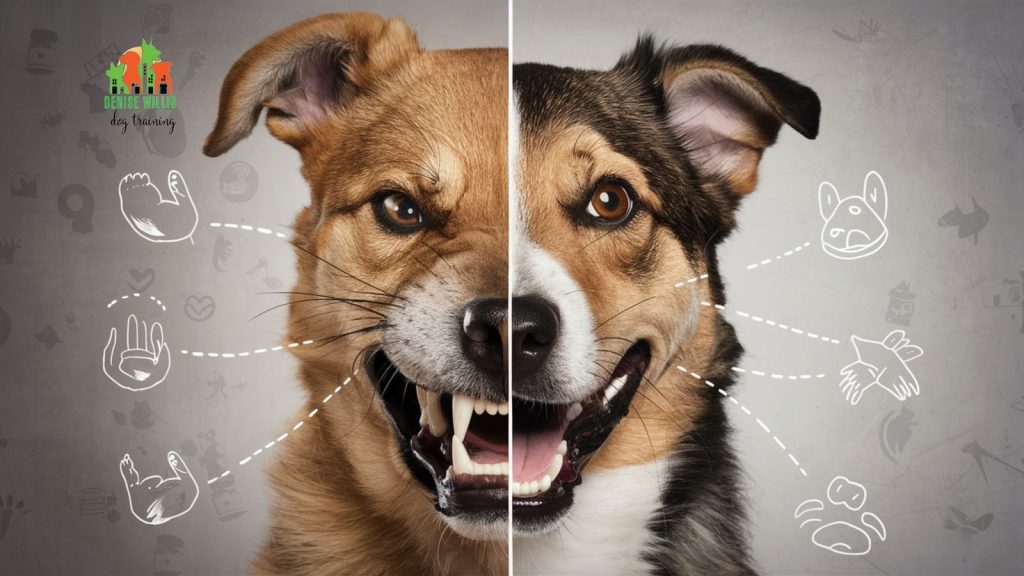

If your dog shows aggression toward other dogs, you know how stressful and worrying it can be. You want your furry friend to be calm and friendly, but it feels like every encounter ends in tension or even a fight.
The good news is that you can change this behavior. With the right approach, patience, and consistency, you can help your dog feel more relaxed and confident around other dogs. You’ll discover simple, effective steps to train your aggressive dog, making walks and playtime enjoyable for both of you.
Keep reading—you’re closer than you think to a happier, calmer dog.

Credit: www.dwdogtraining.com
Recognizing Aggressive Behavior
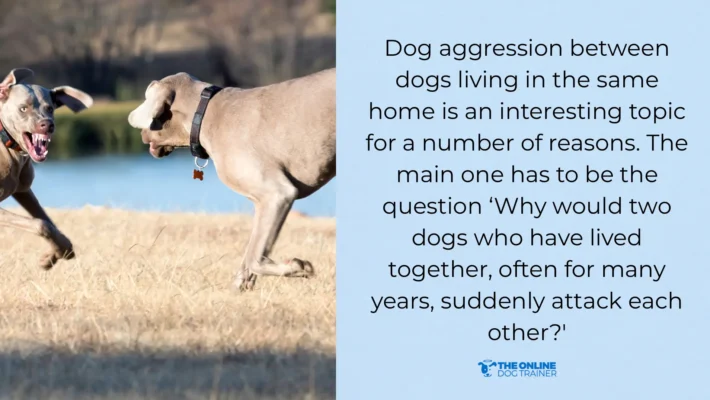
Recognizing aggressive behavior in dogs is the first step to training them properly. Aggression can show in many ways, and noticing these signs early helps prevent problems. Understanding what makes your dog act aggressively allows you to manage and train them better. Watch closely for changes in body language and behavior around other dogs.
Common Signs Of Dog Aggression
- Growling or snarling with visible teeth
- Stiff body posture and raised hackles
- Direct, hard staring at another dog
- Snapping or biting attempts
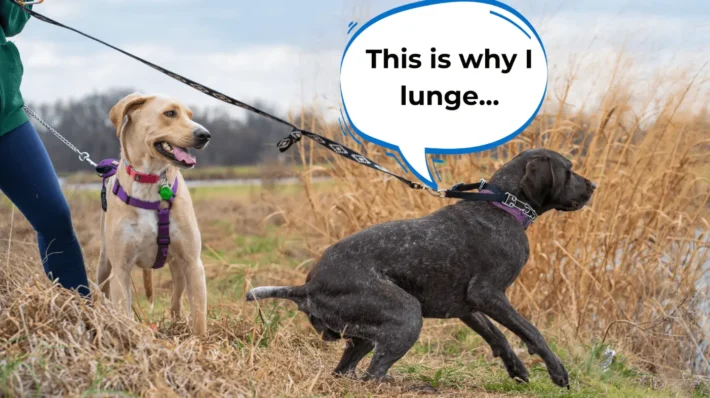
- Excessive barking or lunging
- Raised tail or tail tucked between legs
- Backing away or freezing in place
Triggers That Cause Aggression
- Fear or feeling threatened by other dogs
- Protecting territory, food, or toys
- Lack of socialization with other dogs
- Previous negative encounters or trauma
- Over-excitement or frustration
- Pain or illness affecting behavior
- Sudden movements or loud noises nearby
Credit: theonlinedogtrainer.com
Safety Precautions
Handling an aggressive dog around other dogs demands more than patience and training—it requires strict safety measures. Without these precautions, you risk injury to your dog, others, and yourself. Setting up a safe training space protects everyone involved and builds confidence in your dog.
Using Muzzles And Leashes
A well-fitted muzzle is a simple tool that prevents biting during tense moments. It allows your dog to feel secure while you work on behavior without the risk of harm.
Always combine a muzzle with a strong, short leash. This gives you control and prevents sudden lunges. Remember, a leash alone won’t stop an aggressive dog from causing trouble, but together with a muzzle, you create a safer environment.
Have you ever thought about how much control you really have without these tools? Most trainers agree that using both is non-negotiable for aggressive dogs around others.
Creating Controlled Environments
Start training in a quiet, enclosed space where distractions are minimal. This could be your backyard or a fenced dog park during off-hours.
Invite calm, well-socialized dogs one at a time to interact under close supervision. This controlled exposure helps your dog learn appropriate behavior slowly and safely.
Use barriers like baby gates or exercise pens to separate dogs initially. This prevents direct contact while allowing your dog to observe and get used to the presence of other dogs.
Have you considered how your dog reacts in different settings? Some dogs tolerate certain environments better, so adjust the training space based on your dog’s comfort and progress.
Building Basic Obedience
Teaching basic obedience helps control your dog’s behavior around others. Use calm commands and reward good actions to reduce aggression. Consistent training builds trust and improves your dog’s social skills safely.
Training an aggressive dog to be more social with other dogs starts with building a foundation of basic obedience. This is crucial because it establishes you as the leader and helps your dog understand what is expected of them. Think of it as laying the groundwork for a more harmonious relationship between your dog and others.Essential Commands For Control
Teaching your dog essential commands like sit, stay, and come can greatly improve your ability to manage their behavior. These commands are not just for tricks; they are vital tools that give you control in potentially volatile situations. Regular practice in different environments ensures your dog responds even when distracted by other dogs.Positive Reinforcement Methods
Positive reinforcement is key to encouraging good behavior. Using treats, praise, or playtime as rewards can motivate your dog to follow commands. Imagine your dog sitting calmly as another dog passes by, simply because they know they’ll get their favorite treat. Have you ever considered the power of consistency in your training approach? Being consistent with rewards and commands helps your dog understand what behavior is expected. It’s like teaching a child the importance of saying please and thank you; repetition and patience lead to success.Desensitization Techniques
Desensitization techniques help calm aggressive dogs near other dogs. These methods reduce fear and reactive behavior. The goal is to make dogs feel safe and relaxed. This process takes time, patience, and consistency. Gradual steps prevent overwhelming the dog. Positive experiences replace negative ones.
Gradual Exposure To Other Dogs
Start by showing your dog other dogs at a distance. Choose calm dogs for the first meetings. Keep these encounters brief and positive. Watch your dog’s body language carefully. If your dog shows signs of stress, increase the distance. Slowly decrease the distance over several sessions. Let your dog observe without forcing interaction. Use treats and praise to encourage calm behavior. Gradual exposure builds confidence and reduces fear.
Managing Distance And Intensity
Control how close the other dog gets. Keep a safe distance to avoid triggers. Adjust distance based on your dog’s reactions. Avoid crowded or noisy places at first. Use a leash to maintain control. Lower intensity by avoiding direct eye contact between dogs. Short, calm meetings are better than long stressful ones. Increase intensity only when your dog stays relaxed. Consistent management helps your dog stay in control.
Counter-conditioning Strategies
Counter-conditioning strategies help change your dog’s bad feelings about other dogs. This approach replaces fear or anger with calm and positive emotions. It takes time, patience, and consistency to see good results.
These strategies focus on pairing pleasant experiences with the presence of other dogs. Your dog learns to expect good things instead of threats. The goal is to build trust and reduce aggressive reactions.
Replacing Negative Reactions
Start by observing what triggers your dog’s aggression. Usually, it is the sight or sound of another dog. Begin at a distance where your dog stays calm. Gradually bring the other dog closer over many sessions.
Each time your dog sees another dog and remains calm, reward with a treat or praise. This helps your dog link other dogs to positive outcomes. If your dog shows signs of stress, increase the distance again. Patience is key to success.
Using Treats And Praise Effectively
Use high-value treats that your dog loves. Offer them right when your dog notices another dog but stays relaxed. Combine treats with happy words and gentle petting. This makes the experience enjoyable and rewarding.
Timing is important. Give treats immediately to connect the reward with the calm behavior. Avoid yelling or scolding, as this can increase anxiety. Praise and treats build a strong, positive bond with your dog.
Credit: theonlinedogtrainer.com
Redirecting Aggressive Energy
Redirecting aggressive energy is key to managing your dog’s behavior around other dogs. Instead of trying to suppress aggression directly, channel that energy into positive outlets. This approach helps your dog stay calm and focused, reducing the chances of aggressive outbursts.
Engaging In Alternative Activities
Find activities that let your dog burn off excess energy in a controlled way. Playing fetch, tug-of-war, or using puzzle toys can keep their mind and body busy. These activities provide a healthy distraction and help your dog relax.
One time, I noticed my dog’s aggression spiked after long periods of boredom. Adding short, frequent play sessions made a noticeable difference in his behavior. Have you tried switching up your dog’s routine to see if their mood improves?
- Use interactive toys to keep your dog mentally engaged.
- Take your dog for brisk walks before social encounters.
- Practice scent games to stimulate their brain.
Teaching Focus And Impulse Control
Training your dog to focus on you instead of other dogs can reduce aggression drastically. Simple commands like “look,” “sit,” and “stay” teach your dog to control impulses. This control can prevent aggressive reactions when another dog appears.
Start by practicing in low-distraction environments, then gradually increase the challenge. Reward your dog immediately when they respond correctly to maintain motivation. Have you noticed how a well-timed treat can shift your dog’s attention instantly?
- Use treats and praise to reinforce calm behavior.
- Practice focus commands daily in short sessions.
- Increase distractions slowly to build your dog’s impulse control.
Seeking Professional Help
Dealing with an aggressive dog toward other dogs can be stressful. Seeking professional help often becomes necessary. Experts bring experience and tools that owners might lack. They can create a safe plan tailored to your dog’s needs. This step ensures progress while keeping everyone safe.
When To Consult A Trainer
Recognize signs that suggest professional help is needed. Frequent aggressive outbursts during walks or playtime are red flags. If your dog shows fear or growls at other dogs consistently, it’s time. Aggression that worsens despite your efforts also calls for a trainer. Early consultation prevents habits from becoming harder to change.
Professional trainers can assess your dog’s behavior quickly. They provide structured training to reduce aggression safely. Don’t wait until a serious incident happens. Prompt action protects your dog and others around.
Choosing The Right Behaviorist
Selecting a qualified behaviorist is key to success. Look for certified professionals with experience in aggression cases. Check for positive reviews and proven results from past clients. A good behaviorist uses reward-based methods over punishment.
Ask about their approach and how they plan to handle your dog. Make sure their methods match your values and your dog’s personality. Communication and trust between you, your dog, and the behaviorist matter greatly.
- Verify credentials and certifications
- Request a detailed training plan
- Confirm experience with aggressive dogs
- Discuss follow-up support and progress checks
Maintaining Progress
Maintaining progress is key to helping an aggressive dog stay calm around other dogs. Training does not end after initial success. Consistent effort keeps your dog confident and well-behaved. Without steady practice, old habits can return. Staying attentive to your dog’s behavior helps prevent setbacks. Adjusting your approach as needed supports continued growth. This section explains how to maintain progress effectively.
Consistent Practice And Patience
Practice must be regular and part of daily life. Short, frequent training sessions work best. Keep meetings with other dogs calm and controlled. Use positive reinforcement to reward good behavior. Patience is crucial. Change takes time. Avoid rushing your dog or forcing encounters. Let your dog learn at its own pace. Celebrate small wins to keep motivation high.
Monitoring And Adjusting Techniques
Watch your dog’s reactions closely during training. Notice signs of stress or aggression early. Adjust your methods based on what works. Some dogs respond better to treats, others to praise. Change locations or distances to reduce tension. Reassess training goals regularly to fit your dog’s progress. Keep notes to track improvements and challenges. This helps tailor future training sessions for success.
Frequently Asked Questions
How Can I Identify Aggression In My Dog Towards Others?
Aggression signs include growling, barking, lunging, and stiff body posture. Watch for direct staring and raised fur. Early recognition helps in managing behavior effectively and safely.
What Are The Best Training Methods For Aggressive Dogs?
Positive reinforcement, desensitization, and counter-conditioning work best. Use treats and praise to reward calm behavior. Avoid punishment, which may increase aggression. Consistency and patience are key.
How Long Does It Take To Train An Aggressive Dog?
Training duration varies by dog’s age, history, and severity. Some improve in weeks, others need months. Regular sessions and professional guidance speed progress. Patience ensures lasting results.
When Should I Seek Professional Help For My Aggressive Dog?
Seek help if aggression worsens or risks safety. Professional trainers or behaviorists provide tailored plans. Early intervention prevents escalation and improves outcomes. Don’t wait for incidents to occur.
Conclusion
Training an aggressive dog takes time and patience. Stay calm and consistent every day. Reward good behavior to encourage positive changes. Avoid situations that make your dog nervous or angry. Use simple commands your dog understands well. Small steps lead to big improvements over time.
Trust and safety come with steady training efforts. Your dog can learn to be calm around others. Keep practicing, and you will see progress soon.