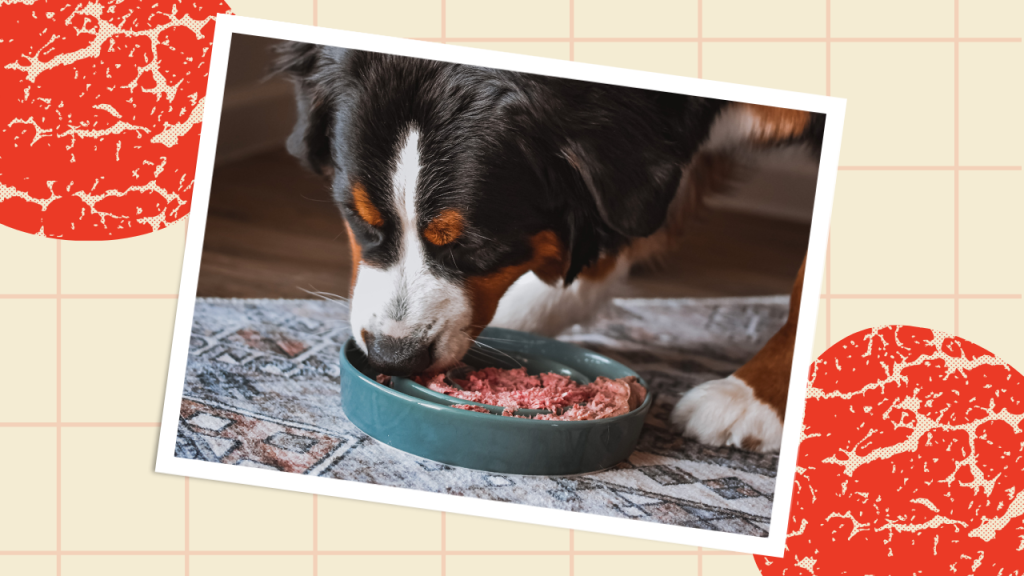

Are you wondering if grain-free diets are really good for your dog? You’ve probably seen a lot of mixed messages about these diets and feel unsure about what’s best for your furry friend.
Choosing the right food can be confusing, especially when it comes to grains. This article will help you understand the truth behind grain-free dog food, so you can make the best choice for your pet’s health and happiness. Keep reading to find out what experts say and what you should watch out for.

Credit: www.houndsy.com
Grain-free Diets Explained
Grain-free diets for dogs have gained popularity in recent years. Many pet owners choose these diets hoping to avoid allergies or digestive problems. Understanding what grain-free dog foods are and their ingredients helps make better feeding choices.
What Are Grain-free Dog Foods?
Grain-free dog foods do not contain common grains like wheat, corn, or rice. These diets replace grains with other carbohydrate sources. They aim to mimic a dog’s ancestral diet, which was mostly meat-based. Grain-free formulas often target dogs with grain sensitivities or allergies. Pet owners may select these foods to reduce potential digestive issues or skin problems.
Common Ingredients In Grain-free Formulas
Grain-free dog foods use various ingredients to provide nutrients and energy. Common carbohydrate sources include:
- Potatoes
- Sweet potatoes
- Pea starch
- Lentils
- Chickpeas
- Beans
Protein usually comes from meat, fish, or poultry. Vegetables and fruits add vitamins and minerals. Many grain-free foods include added fibers for digestion. Some formulas contain added fats for energy and coat health.
Reasons Owners Choose Grain-free
Many dog owners opt for grain-free diets because they want what’s best for their furry friends. The choice often comes from concerns about specific health issues or a desire to try something different from traditional dog food. Understanding why owners pick grain-free helps you see if it’s the right choice for your dog.
Allergies And Sensitivities
Some dogs develop allergies or sensitivities to grains like wheat, corn, or soy. These can cause itchy skin, ear infections, or digestive upset. Owners notice these signs and switch to grain-free options hoping to reduce discomfort.
Grain-free diets remove common allergens, which can improve symptoms quickly. If your dog scratches a lot or has constant tummy troubles, you might consider testing grain-free food for a few weeks. Have you observed any signs that could be linked to grains?
Perceived Health Benefits
Owners often believe grain-free diets are more natural or healthier for their dogs. They think removing grains mimics a dog’s ancestral diet or leads to better energy and coat condition. Sometimes, these benefits show up, but not always.
Switching to grain-free can lead to weight loss or shinier fur for some dogs, but these effects might come from higher protein or fat content instead. It’s important to check the full ingredient list rather than assuming grain-free equals better. What specific health changes are you hoping to see by changing your dog’s diet?
Potential Risks Of Grain-free Diets
Grain-free diets for dogs have gained popularity, often touted as a healthier option. However, they may come with potential risks that you should consider before making the switch. Understanding these risks can help you make informed decisions for your furry friend’s health.
Links To Heart Disease
Recent studies suggest a link between grain-free diets and heart disease in dogs. The FDA has been investigating reports of canine dilated cardiomyopathy (DCM), a serious heart condition, associated with these diets. Brands that replace grains with legumes like peas and lentils might not provide the necessary nutrients that grains offer.
It’s important to consult your veterinarian before making any dietary changes. They can help you weigh the risks and benefits specific to your dog’s health needs. Do you think your dog could be at risk?
Nutritional Deficiencies
Grain-free diets may lead to nutritional deficiencies if not balanced correctly. Grains are a source of essential nutrients, including fiber, vitamins, and minerals. Removing them without proper substitutes can deprive your dog of these vital components.
Many pet owners believe all grains are harmful, but this isn’t always the case. Your dog might miss out on important nutrients that contribute to a healthy coat and digestion. Are you confident that your dog’s diet covers all their nutritional bases?
Consider speaking with a pet nutritionist to ensure your dog gets a well-rounded diet. Balancing nutrients is key to your pet’s health and longevity.
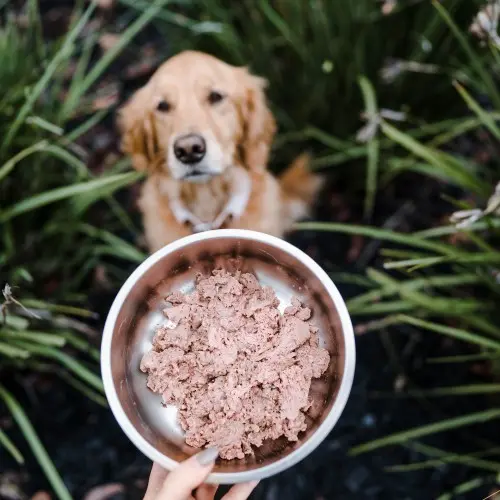
Credit: wefeedraw.com
Scientific Findings And Research
Understanding the scientific findings about grain-free diets for dogs is essential before making changes to your pet’s nutrition. Research provides a clearer picture of potential risks and benefits. Let’s look at what the experts and studies reveal about this controversial topic.
Fda Investigations
The FDA began investigating a possible link between grain-free diets and canine heart disease, specifically dilated cardiomyopathy (DCM). This investigation caught many pet owners off guard, raising concerns about the safety of grain-free options. The agency reviewed reports from veterinarians and pet owners nationwide, trying to identify patterns or common ingredients.
While the FDA has not confirmed a direct cause-and-effect relationship, they noted that many dogs diagnosed with DCM were eating grain-free foods rich in peas, lentils, or potatoes. These ingredients could potentially interfere with nutrient absorption or heart health. Have you checked your dog’s food label lately to see if these ingredients are present?
Recent Studies On Grain-free Impact
Recent scientific studies have tried to clarify the impact of grain-free diets on dogs’ overall health. Some research shows that grain-free diets can be safe if they meet all essential nutrient requirements. However, other studies suggest that certain grain-free formulas might lack key amino acids or taurine, which dogs need for heart function.
One study compared dogs on grain-inclusive diets with those on grain-free diets and found no significant difference in heart health when the diets were balanced. This points to the importance of diet quality rather than just the presence or absence of grains. Are you focusing on the complete nutritional profile of your dog’s food or just the grain content?
It’s crucial to remember that every dog is different. Some may thrive on grain-free diets, while others might face health risks. Discussing your dog’s specific needs with a veterinarian can help you make the best choice based on current scientific knowledge.
Signs Your Dog May Need Dietary Changes
Changing a dog’s diet can be necessary for their health and happiness. Dogs cannot tell us when food does not suit them. Watch their behavior and health for signs. Recognizing these signs early can prevent bigger problems. Some signs clearly show dietary needs. Others may be less obvious but just as important.
Symptoms Of Food Intolerance
Food intolerance often shows through physical and behavioral signs. Common symptoms include:
- Itchy skin or frequent scratching
- Red or inflamed skin patches
- Excessive licking of paws
- Vomiting or diarrhea
- Gas and bloating
- Chronic ear infections
- Changes in energy levels or mood
These symptoms may not appear immediately. They can develop slowly over time. Grain-free diets sometimes cause these reactions in some dogs. Identifying intolerance quickly helps improve their quality of life.
When To Consult A Vet
Contact a vet if your dog shows any unusual signs. Persistent vomiting or diarrhea needs immediate attention. Skin problems lasting more than a week require a vet’s advice. Sudden weight loss or gain also signals a need for help.
Vets can perform tests to find the cause. They help create a diet plan suited to your dog. Professional guidance ensures your dog gets proper nutrition. Avoid making major diet changes without consulting a vet.
Alternatives To Grain-free Diets
Alternatives to grain-free diets offer dogs balanced nutrition without removing grains entirely. These options can support health while avoiding common concerns linked to grain-free foods.
Choosing the right diet involves understanding what keeps dogs healthy. Grains often provide essential nutrients and energy. Many dogs thrive on diets that include moderate amounts of grains.
Balanced Grain-inclusive Options
Grain-inclusive diets combine proteins, fats, and carbohydrates for complete nutrition. High-quality grains like brown rice, oats, and barley supply fiber and vitamins. These grains aid digestion and maintain steady energy levels.
Look for dog foods labeled as “balanced” or “complete.” They follow guidelines for nutrients dogs need daily. These diets support strong muscles, healthy skin, and good immune function.
Grain-inclusive foods often use natural ingredients without fillers. They reduce the risk of nutrient gaps found in some grain-free formulas. Dogs with no specific grain allergies usually do well on these diets.
Homemade And Raw Diets
Homemade meals let owners control every ingredient. This approach suits dogs with food sensitivities or special needs. Recipes can include lean meats, vegetables, and wholesome grains.
Raw diets focus on uncooked meat, bones, and some plant matter. They mimic a dog’s ancestral eating habits. Careful planning is key to avoid missing vital nutrients.
Consult a vet or pet nutritionist before starting homemade or raw diets. They help create safe and balanced meals. Proper preparation supports your dog’s health and wellbeing.
Tips For Choosing The Right Dog Food
Choosing the right food for your dog affects their health and happiness. Not all diets suit every dog. Understanding how to pick the best option helps keep your pet strong and active. Focus on clear, simple steps to find food that fits your dog’s needs.
Reading Labels Correctly
Labels show what is inside the dog food. Look at the first few ingredients. These are the main parts of the food. High-quality protein like chicken or beef should be near the top. Avoid foods with too many fillers like corn or wheat.
Check for artificial colors, flavors, or preservatives. These can harm your dog’s health. Also, note the guaranteed analysis for protein, fat, and fiber. It helps compare foods easily.
Considering Your Dog’s Unique Needs
Every dog is different in size, age, and health. Puppies need more protein and calories than older dogs. Active dogs burn more energy than less active ones. Dogs with allergies might need special diets free from certain grains or ingredients.
Speak to your vet about any health issues. They can suggest the best diet type. Monitor how your dog reacts to new food. Healthy skin, shiny coat, and good energy show the food works well.
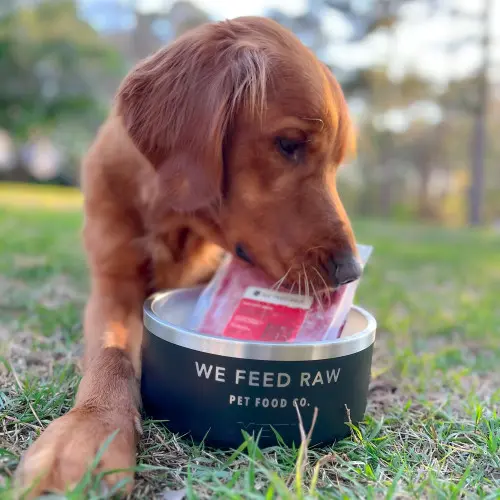
Credit: wefeedraw.com
Frequently Asked Questions
Are Grain-free Diets Harmful To Dogs?
Grain-free diets are not inherently harmful. Some dogs with allergies benefit from them. However, they may lack essential nutrients if not well-balanced. Consult your vet before switching diets to ensure your dog’s health and nutritional needs are met.
Do Grain-free Diets Cause Heart Problems In Dogs?
Some studies link grain-free diets to canine heart disease, specifically dilated cardiomyopathy (DCM). This risk appears in certain breeds and diets lacking taurine. More research is needed, but consulting a vet before choosing grain-free options is essential.
When Should I Consider A Grain-free Diet For My Dog?
Consider grain-free diets if your dog has grain allergies or sensitivities. Also, if your vet diagnoses a specific health condition that benefits from such a diet, it may be appropriate. Always seek professional advice before making dietary changes.
What Are Common Ingredients In Grain-free Dog Foods?
Grain-free dog foods often use potatoes, peas, lentils, or chickpeas as carbohydrate sources. These ingredients replace grains like wheat, corn, and rice. They aim to provide energy without triggering grain-related allergies or sensitivities in dogs.
Conclusion
Grain-free diets for dogs have both pros and cons. Some dogs may benefit from avoiding grains, especially if they have allergies. Others do well with grains included in their food. Always watch your dog’s health and energy levels closely. Consult a vet before changing your dog’s diet.
The best diet fits your dog’s needs, not trends. Balance and care matter most for your pet’s well-being. Choose wisely for a happy, healthy dog.