
Have you ever wondered if you can train a service dog yourself? If you have a special dog and want to help it learn important skills, you’re not alone.
Training a service dog can feel overwhelming, but with the right approach, it’s possible to teach your dog to assist you in daily life. You’ll discover what it really takes to train a service dog, the challenges you might face, and how to know if doing it yourself is the best choice for you and your dog.
Keep reading to find out how you can make this life-changing goal a reality.
Choosing The Right Dog
Choosing the right dog is the foundation of training a successful service dog. Your dog’s breed, temperament, health, and energy levels all play a crucial role in how well they can perform specific tasks. Selecting wisely saves you time, effort, and frustration during training.
Ideal Breeds For Service Work
Some breeds naturally excel in service work due to their intelligence, trainability, and temperament. Labrador Retrievers, Golden Retrievers, and German Shepherds are popular choices because they learn quickly and remain calm under pressure.
However, consider less common breeds too, like Standard Poodles or Border Collies, which can be just as capable depending on the tasks required. What matters most is your dog’s ability to focus and follow commands consistently.
Evaluating Temperament
Your dog must have a steady and calm temperament, especially in distracting environments. Watch how they react to new people, noises, and situations. A dog that gets easily startled or aggressive will struggle in service roles.
Spend time with your dog in different settings to test patience and adaptability. Ask yourself: Can this dog remain focused despite distractions? If the answer is no, you might want to reconsider your choice.
Assessing Health And Energy Levels
Good health is essential since service dogs work long hours and need stamina. Check for any hereditary health issues common in the breed, such as hip dysplasia or vision problems.
Energy levels should match the demands of the work. A dog with too much energy may become restless, while one with low energy might lack motivation. Finding the right balance ensures your dog stays engaged and reliable.
Credit: www.servicedogcertifications.org
Basic Training Foundations
Building a strong foundation is essential when training a service dog yourself. Without it, your efforts may not lead to the reliable behavior needed in real-life situations. Basic training foundations focus on key skills that set your dog up for success.
Establishing Obedience Commands
Start with clear, simple commands like “sit,” “stay,” “come,” and “heel.” Consistency is key—use the same words and gestures every time. Reward your dog immediately when they respond correctly to reinforce good behavior.
Imagine trying to teach your dog to assist you in public without these basics. It would be like building a house without a solid frame. Your dog needs to understand these commands inside and out before moving to advanced tasks.
Building Focus And Attention
Your service dog must learn to stay focused, even with distractions around. Begin training in quiet, familiar areas and gradually add distractions. Use positive reinforcement to reward moments when your dog maintains eye contact or follows instructions despite interruptions.
Have you noticed how easily dogs can get distracted by a squirrel or loud noise? Your training should prepare your dog to ignore these distractions and pay attention to you, which is crucial in public settings.
Socialization With People And Environments
Expose your dog to different people, places, and situations early on. This helps them stay calm and confident in new environments. Take short trips to busy streets, parks, and stores, observing how your dog reacts and offering praise for calm behavior.
Think about the environments your dog will need to work in. If they are uncomfortable around strangers or noisy crowds, their ability to assist you effectively will be compromised. Socialization helps prevent fear and anxiety, making your dog a reliable companion wherever you go.
Specialized Service Skills
Training a service dog requires teaching very specific skills. These skills must match the needs of the person who will rely on the dog. Specialized service skills go beyond basic obedience. They involve tasks that help with daily challenges and improve quality of life.
Each task needs clear and focused training. The dog must learn to perform actions on command and stay calm in different situations. This training demands time, effort, and a deep understanding of both the dog and the handler’s needs.
Task-specific Training Techniques
Service dogs learn tasks based on the handler’s unique needs. Examples include guiding the blind, alerting to sounds, or retrieving items. Trainers break down each task into small steps for the dog to learn.
Repetition and clear commands help the dog understand what to do. Trainers use tools like clickers or verbal cues. They practice the task in various places to prepare the dog for real-life use.
Using Positive Reinforcement
Positive reinforcement means rewarding good behavior. Treats, praise, or playtime encourage the dog to repeat tasks. This method builds trust and makes training enjoyable.
Harsh punishments can cause fear and confusion. Positive methods create a strong bond between dog and handler. The dog learns faster and stays motivated throughout training.
Consistency And Patience
Consistency is key in training service dogs. Using the same commands and routines helps the dog learn faster. Training sessions should be short but frequent to keep focus.
Patience is essential. Some dogs take longer to learn certain skills. Trainers must stay calm and give the dog time to understand. Progress may be slow, but steady effort leads to success.

Credit: my.americanservicepets.com
Legal Requirements And Certification
Training a service dog yourself involves more than teaching commands. Legal rules and certifications matter a lot. Knowing these rules helps avoid problems and ensures your dog works well in public. This section explains the key legal requirements and how certification works.
Understanding Service Dog Laws
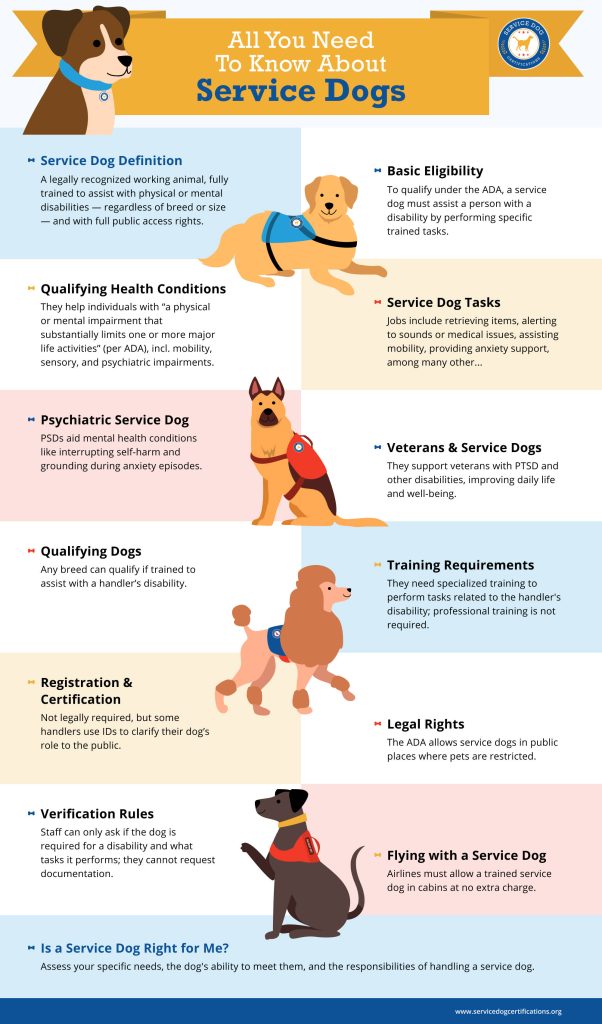
Service dogs have special rights under the law. The Americans with Disabilities Act (ADA) allows them in public places. These laws protect both the handler and the dog. The dog must perform tasks that help with a disability. Pets or emotional support animals do not have the same legal status.
Knowing these laws prevents misunderstandings in stores, restaurants, and transportation. Your dog must behave well and stay under control at all times. Violating these rules can lead to losing access rights.
Documentation And Identification
The ADA does not require service dogs to wear ID tags or have official papers. Still, some handlers choose to carry identification. This helps reduce questions and confusion in public spaces. Identification might include:
- A vest or harness labeled “Service Dog.”
- A card stating the dog’s role and handler’s disability.
- Training certificates from recognized programs.
Remember, no official government certification exists for service dogs. Beware of online “certificates” that claim legal status. Real proof comes from the dog’s behavior and the handler’s disability, not paperwork.
Working With Professionals
Training a service dog is challenging. Professionals understand legal and behavioral standards. Trainers can help teach tasks that assist your disability. They also guide public access skills and proper conduct.
Working with an expert increases your dog’s success in real-life situations. Trainers may provide:
- Customized training plans
- Behavior correction techniques
- Public access training
- Ongoing support and advice
Professional help ensures your service dog meets legal standards and your needs. It also builds confidence for both you and your dog.
Overcoming Common Challenges
Training a service dog yourself can be tough but rewarding. Patience, consistency, and clear commands help overcome common struggles. Support from experts can make the process easier and more successful.
Training a service dog yourself can be a rewarding journey, but it’s not without its hurdles. Many aspiring trainers face common challenges that can make the process daunting. Understanding these challenges and learning how to navigate them can significantly enhance your training experience and success.Handling Behavioral Issues
Behavioral issues can arise unexpectedly and may test your patience. Dogs, like humans, have personalities and quirks that can sometimes interfere with training. If your dog struggles with focus or exhibits unwanted behaviors, consider whether they’re getting enough exercise or mental stimulation. Addressing behavioral issues early can prevent them from becoming ingrained habits. Engage in regular play sessions and incorporate puzzles to keep their minds active. Consistent commands and positive reinforcement often help in correcting undesirable behaviors.Maintaining Motivation
Keeping both you and your dog motivated is crucial for consistent progress. It’s easy to feel discouraged when training doesn’t go as planned. Remember, service dogs require time and patience to learn their tasks. Celebrate small victories to keep the momentum going. Set achievable goals and reward your dog with treats or affection for their efforts. This positive environment encourages enthusiasm in both parties.Adjusting Training Methods
What works for one dog might not work for another. Flexibility in training methods is essential to accommodate your dog’s learning style. If a particular technique isn’t yielding results, don’t hesitate to try something new. Experiment with different training aids or environments to discover what resonates best with your dog. Sometimes, a change of scenery or switching from verbal commands to hand signals can make a significant difference. Remember, adaptability is key to a successful training journey.
Credit: www.youtube.com
Maintaining Training Long-term
Maintaining training long-term is vital for a service dog’s success. Consistency keeps skills sharp and reliable. Ongoing practice helps the dog understand expectations clearly. Without regular training, a service dog may forget commands or behave unpredictably.
Persistence in training also strengthens the bond between handler and dog. This bond improves communication and trust. A well-trained service dog adapts better to new environments and challenges. Keeping up training ensures the dog remains confident and focused on tasks.
Regular Practice Routines
Set a daily schedule for training sessions. Short sessions work best, around 10 to 15 minutes each. Use clear commands and positive reinforcement every time. Practice basic skills like sit, stay, and recall regularly. Include task-specific drills that match the dog’s service role. Consistent routines build strong habits and reduce confusion.
Monitoring Progress
Keep a training journal or log. Record which commands the dog performs well. Note areas where the dog struggles or shows hesitation. This helps adjust training methods and focus areas. Celebrate small wins to stay motivated. Regular reviews identify problems early before they become habits.
Reinforcing Skills In New Settings
Expose the dog to different environments often. Practice skills in parks, stores, and busy streets. This helps the dog stay calm and focused under distractions. Use familiar commands and rewards in all settings. Reinforcing skills outside the home builds reliability. It prepares the dog for real-world service situations.
Frequently Asked Questions
Can I Train A Service Dog Without Professional Help?
Yes, you can train a service dog yourself. However, it requires time, patience, and consistent training techniques to ensure the dog meets necessary service standards.
What Skills Must A Service Dog Learn During Training?
A service dog must learn specific tasks related to your disability. Basic obedience, public access skills, and task-specific commands are essential for effective service.
How Long Does It Take To Train A Service Dog?
Training a service dog typically takes 6 to 12 months. The timeline depends on the dog’s temperament, tasks, and your dedication to consistent practice.
Are There Legal Requirements For Training My Own Service Dog?
Yes, service dogs must perform tasks directly related to a disability. Training must comply with ADA guidelines, but no official certification is legally required.
Conclusion
Training a service dog yourself takes time and patience. It needs daily practice and clear commands. Professional help can guide you through tricky parts. Remember, a well-trained service dog changes lives. Your effort matters for your dog’s success. Keep learning and stay consistent every day.
The bond you build will grow strong. Service dogs bring comfort and support you can trust.