Are you wondering when it’s the right time to switch your furry friend to adult dog food? You want to give your dog the best nutrition, but how do you know when puppy food isn’t enough anymore?
Making the switch too early or too late can affect your dog’s health and energy. You’ll discover the perfect age to change your dog’s diet and the signs to watch for. Keep reading to make sure your dog stays happy and healthy every step of the way.
Credit: www.chewy.com
Puppy Vs Adult Dog Food
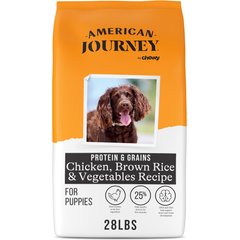
Puppy food and adult dog food serve different purposes. Puppies need extra nutrients to grow strong and healthy. Adult dogs require balanced nutrition to maintain energy and good health. Choosing the right food supports your dog’s life stage and wellbeing.
Nutritional Differences
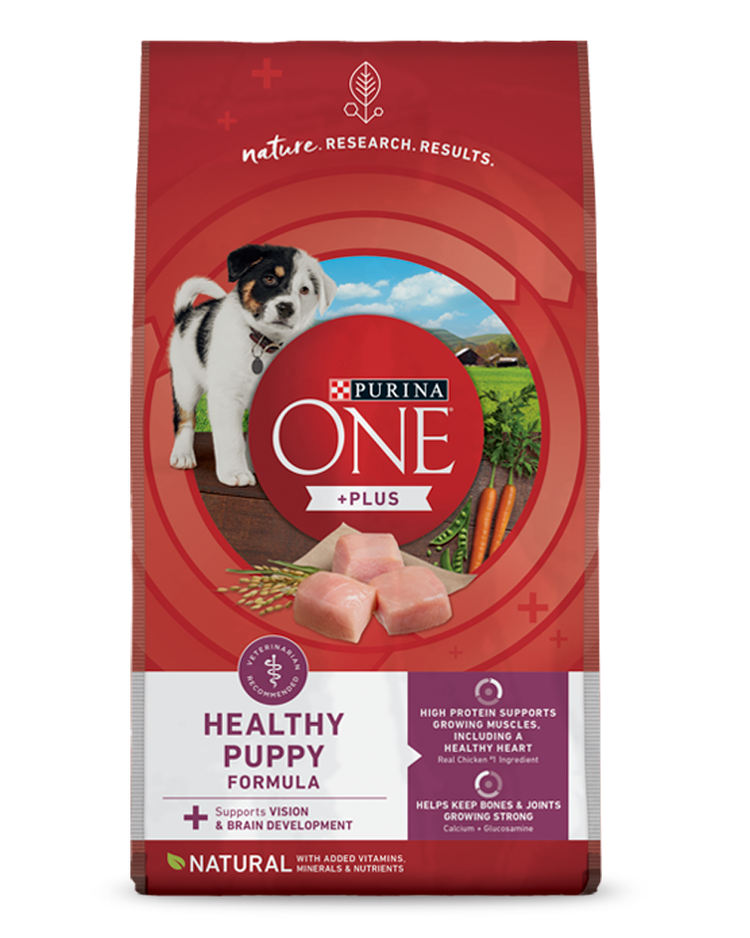
Puppy food has more protein and fat than adult dog food. These nutrients help build muscles and support brain development. Puppies also need higher calories to fuel their fast growth.
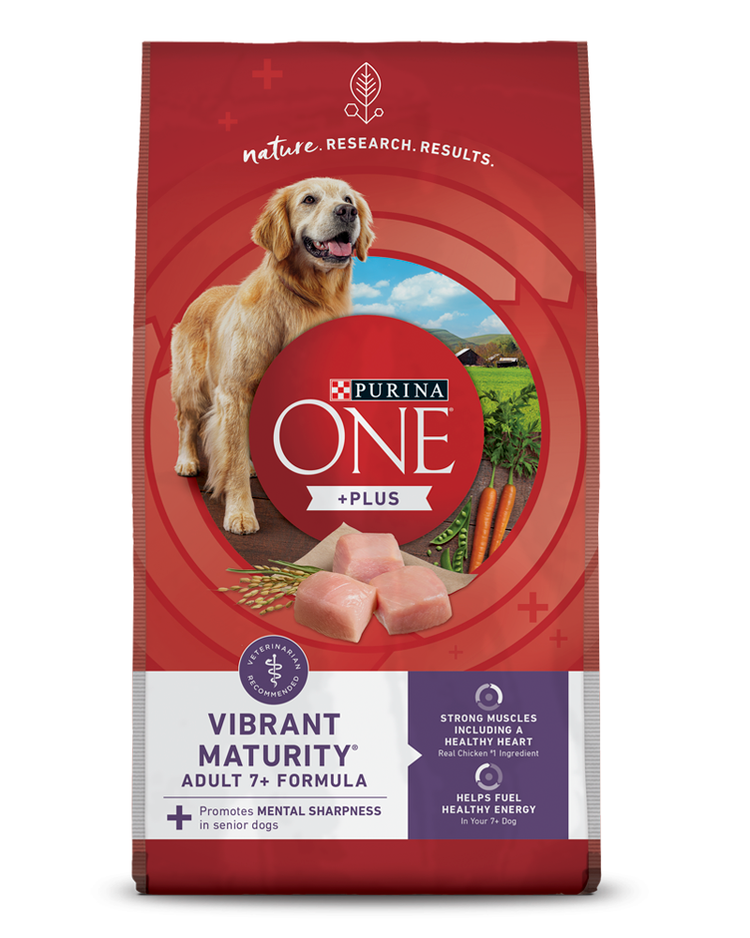
Adult dog food contains fewer calories and less fat. It focuses on maintaining a healthy weight and supporting overall health. The balance of vitamins and minerals matches the needs of a mature dog.
Why Age Matters
Age guides the switch from puppy food to adult food. Puppies grow quickly, but their growth slows around one year old. At this point, their nutritional needs change.
Feeding adult food too early can slow growth or cause nutrient gaps. Keeping puppies on puppy food too long may lead to weight gain. The right timing helps your dog stay healthy and active.
Ideal Age To Switch
Knowing the right time to switch your dog from puppy food to adult dog food is essential for their health and development. The ideal age depends largely on your dog’s breed size, as growth rates vary significantly. Feeding adult food too early or too late can affect their energy levels, weight, and overall wellbeing.
Small Breeds
Small breeds grow faster and reach maturity earlier than larger breeds. Most small dogs are ready to switch to adult food around 9 to 12 months old. If your little buddy is still very energetic and growing, watch for steady weight and muscle tone to know when to make the change.
Have you noticed your small dog’s appetite leveling off? That’s a good sign they’re ready. Switching too late can lead to unnecessary weight gain because adult food is more calorie-dense.
Medium Breeds
Medium-sized dogs mature a bit slower. They usually transition between 12 and 14 months old. You can start monitoring their growth by checking their body condition monthly to decide the perfect time for switching.
Keep an eye on their activity levels and coat condition. If they seem less hyper but still lean and muscular, it may be time to try adult food. Have you ever felt unsure about whether your dog’s food matches their growth? Tracking changes can make this easier.
Large Breeds
Large breeds take the longest to reach full maturity, often up to 18-24 months. Their bones and joints continue developing well past one year, so switching too early to adult food can cause growth issues. You want to provide them with balanced nutrition that supports slow and steady growth.
When your large dog begins to slow down but remains active and strong, it’s likely the right moment to switch. Have you considered consulting your vet to tailor the timing? Their advice can help avoid costly health problems down the line.
Signs Your Dog Is Ready
Knowing when your dog is ready to switch to adult food is important. Dogs grow fast and their needs change. This switch supports their health and energy. Watch for clear signs that show your dog is ready. These signs fall into two main groups: physical changes and behavioral cues.
Physical Changes
- Your dog’s puppy teeth start to fall out.
- Adult teeth begin to grow in firmly.
- Body shape becomes leaner and more muscular.
- Weight gain slows down or stabilizes.
- Coat becomes thicker and shinier.
- Energy levels start to balance out, not as hyperactive.
Behavioral Cues
- Your dog shows less interest in puppy food.
- Chewing habits change as teeth mature.
- They can eat larger, more solid meals without trouble.
- Begins to eat less frequently but larger portions.
- Shows more calmness and focus during playtime.
- Begins to follow commands better and shows more discipline.
Transitioning Tips
Puppies usually switch to adult dog food around one year old. Gradually mix adult food with puppy food over several days. Watch your dog’s health and energy during the change.
Transitioning your puppy to adult dog food is a crucial step in their development. It’s essential to make this transition smooth and stress-free for your furry friend. Here are some practical tips to help you successfully switch your dog to adult food while ensuring they remain happy and healthy.Gradual Introduction
Start by mixing a small amount of adult dog food with their current puppy food. This helps your dog adjust to the new taste and texture without shocking their system. Over a week, gradually increase the proportion of adult food while decreasing the puppy food. By the end of the week, your dog should be fully on adult food. Remember, sudden changes can upset your dog’s stomach. A gradual transition minimizes this risk and encourages acceptance of the new diet.Monitoring Reactions
Keep a close eye on your dog’s behavior and health during the transition. Look for signs like vomiting, diarrhea, or a lack of energy, which could indicate a problem. If you notice adverse reactions, slow down the transition process. Return to a higher ratio of puppy food and consult your vet if symptoms persist. Your dog’s stool can tell you a lot about their health. Ensure it’s firm and well-formed, indicating a smooth transition.Common Mistakes To Avoid
Knowing the right time to switch your dog to adult food is crucial, but many pet owners make avoidable mistakes that can affect their dog’s health and growth. Understanding what not to do helps you make better choices for your furry friend. Let’s look at some common errors that could throw off your dog’s nutrition plan.
Switching Too Early
Changing your puppy’s diet to adult food before they’re ready can cause digestive issues and stunt their development. Puppies need more calories, protein, and nutrients than adult dogs to support their rapid growth.
I once switched my Labrador to adult food at four months, thinking it was fine. Within days, he had loose stools and seemed less energetic. That experience taught me to wait until at least 12 months for larger breeds, or 9-12 months for smaller ones.
Ask yourself: Is my dog physically mature enough for adult food? Check breed-specific growth rates and consult your vet before making the switch.
Ignoring Breed Needs
Every breed has unique nutritional needs, yet many owners overlook this and feed a one-size-fits-all adult dog food. Large breeds like Great Danes require special formulas with controlled calcium and phosphorus to support healthy bone growth.
Small breeds, on the other hand, may need calorie-dense food to keep up their energy levels. Feeding the wrong type can lead to obesity, joint problems, or nutrient deficiencies.
Consider your dog’s size, activity level, and breed-specific health risks when selecting adult food. Don’t just pick the cheapest option or the one your friend uses—your dog’s needs are unique.
Credit: www.purina.com
Consulting Your Vet
Switching your dog to adult food is a big step in their growth journey. It’s not just about age; it’s about what suits your dog’s unique needs. Consulting your vet can give you clear guidance tailored to your dog’s health and lifestyle.
Personalized Advice
Your vet knows your dog’s history and habits better than anyone else. They can recommend the perfect time to switch based on your dog’s breed, size, and activity level.
For example, a large breed dog may need to stay on puppy food longer to support joint development. Meanwhile, a smaller breed might transition earlier due to faster maturity.
Have you noticed changes in your dog’s appetite or energy? Your vet can help interpret those signals and adjust feeding plans accordingly.
Health Considerations
Some dogs have health issues that affect their dietary needs. Conditions like allergies, digestive problems, or weight concerns can influence when and what type of adult food they need.
Discussing these factors with your vet ensures your dog’s diet supports their overall well-being. They might suggest specific formulas or supplements to keep your dog healthy during the transition.
Ignoring health considerations can lead to nutrient imbalances or worsen existing conditions. Isn’t it worth getting expert advice to keep your dog thriving?
Credit: www.purina.com
Frequently Asked Questions
When Should I Switch My Puppy To Adult Dog Food?
Most dogs switch to adult food between 12 and 18 months. Large breeds may need adult food later, around 18-24 months. Consult your vet to determine the best time for your dog’s breed and growth stage.
What Are Signs My Dog Needs Adult Food?
Signs include slowed growth, less energy, and reaching adult size. If your puppy looks fully grown, it may be time to switch to adult food. Always consider breed size and consult your vet for advice.
Can Switching Too Early Harm My Dog?
Switching too early can cause digestive issues and nutrient imbalances. Puppies need higher calories and nutrients for growth. Wait until your dog reaches the right age and size to avoid health problems.
How To Transition From Puppy To Adult Dog Food?
Gradually mix adult food with puppy food over 7-10 days. Increase adult food while decreasing puppy food daily. This helps avoid stomach upset and allows your dog to adjust smoothly.
Conclusion
Switching your dog to adult food usually happens around one year old. Each dog grows at a different pace, so watch their size and energy. Choose adult food that fits their breed and health needs. Changing food slowly helps avoid stomach problems.
Feeding the right food supports your dog’s health and happiness. Keep checking with your vet for the best advice. Remember, good nutrition helps your dog live a long, happy life. Simple steps lead to a healthy, strong pet.